
 English
 Українська
 Latviešu
 Lietuvos
 Русский
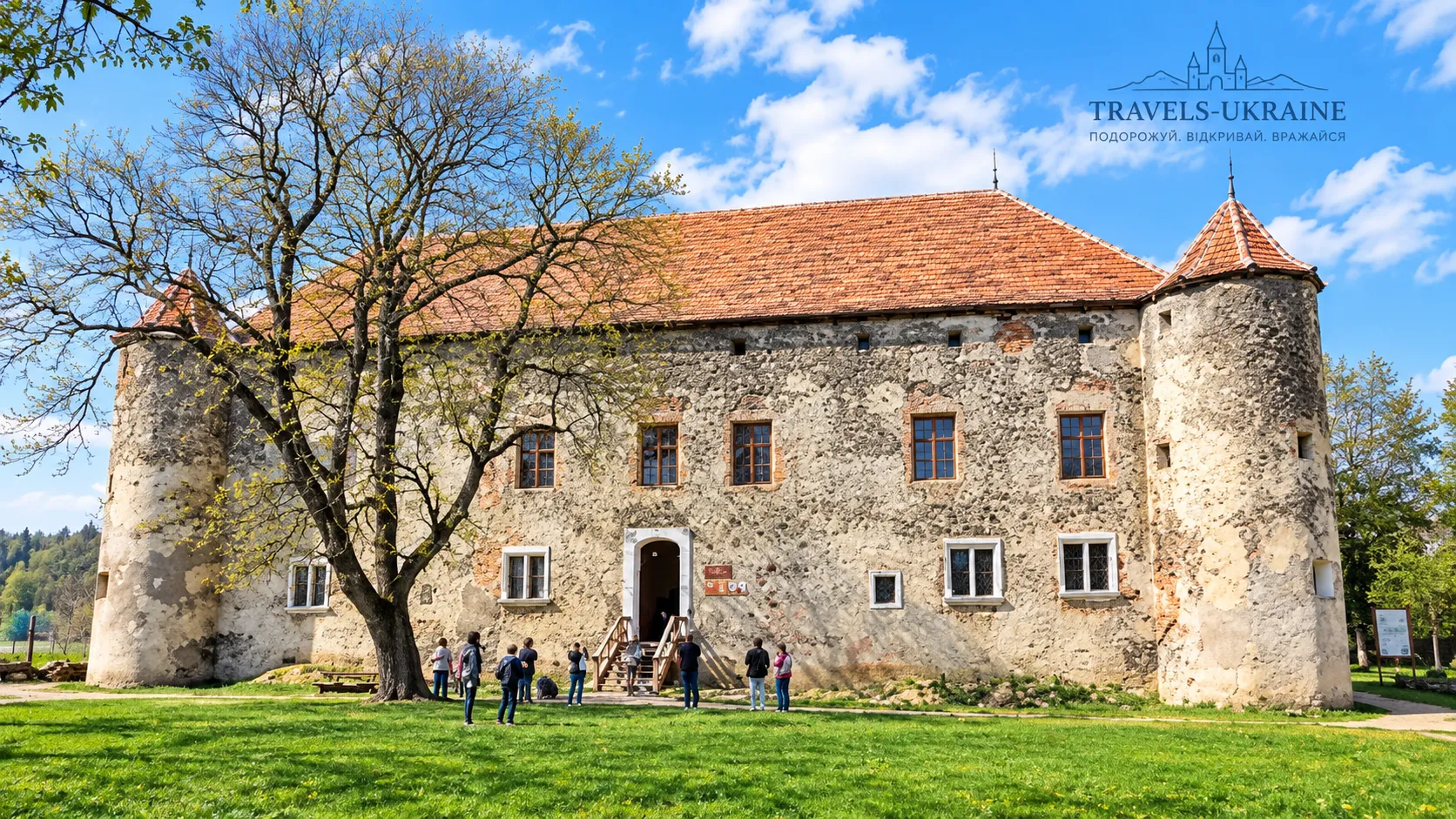
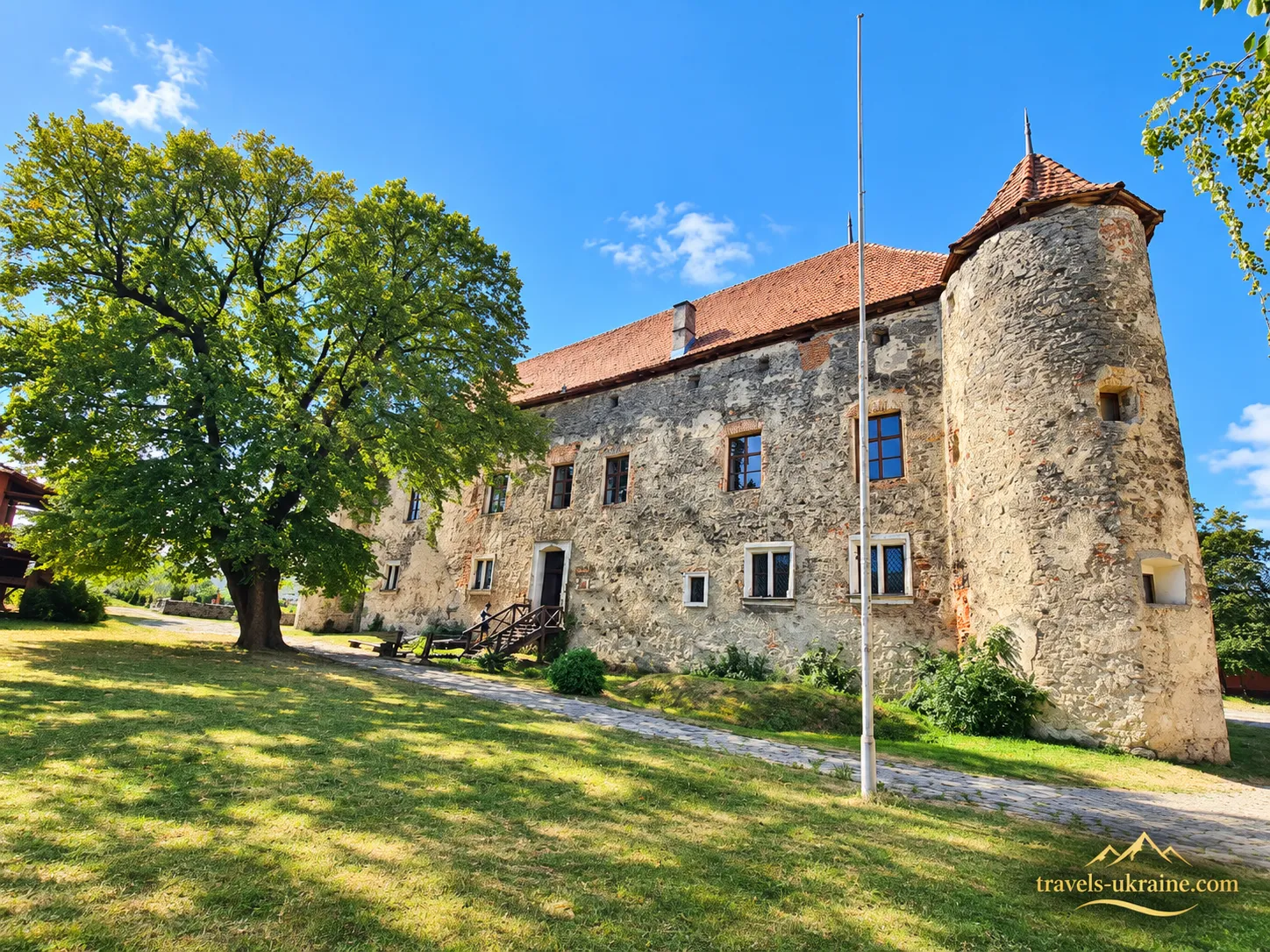
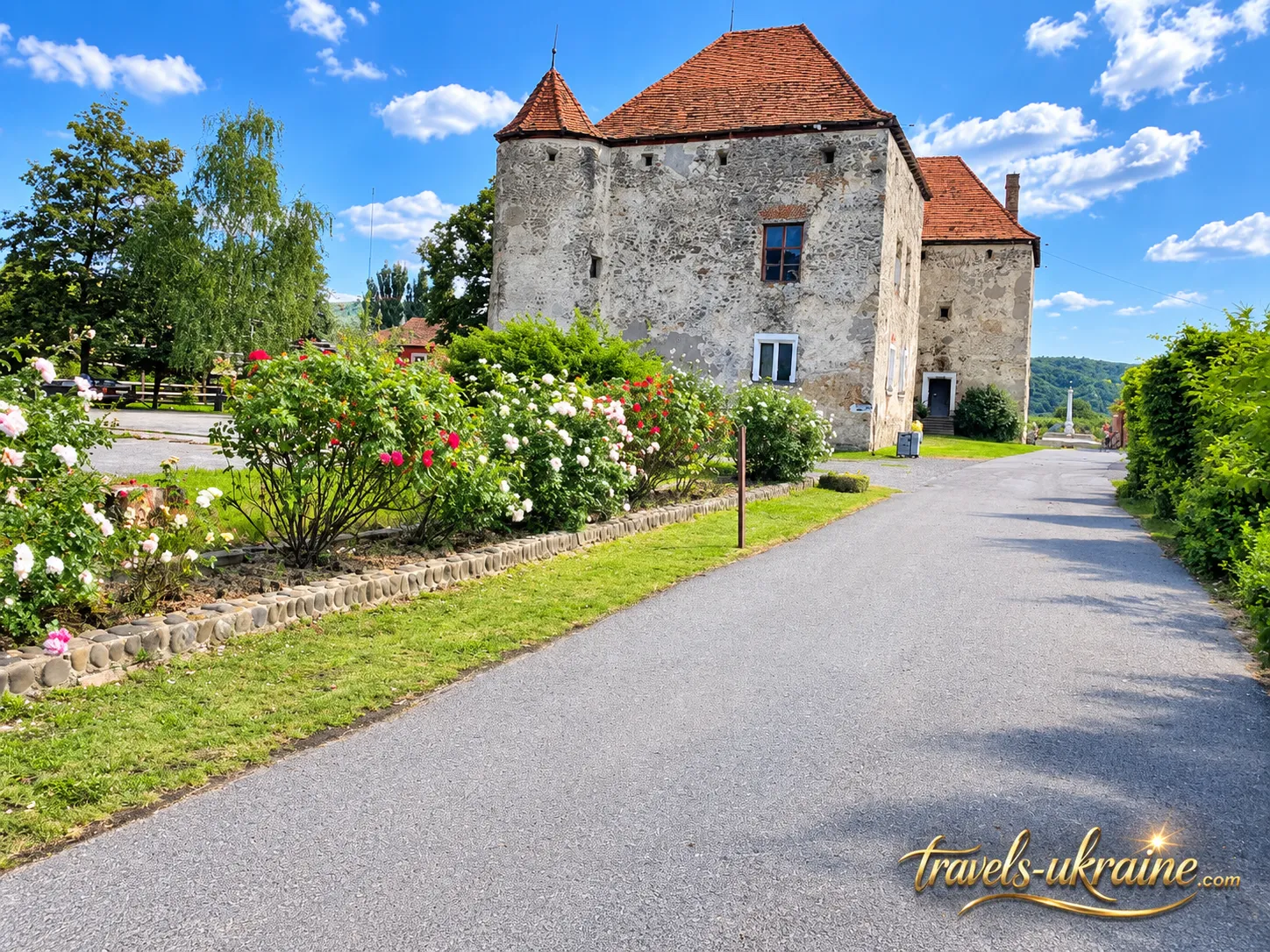
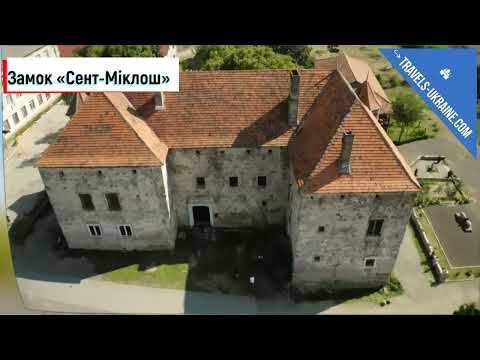
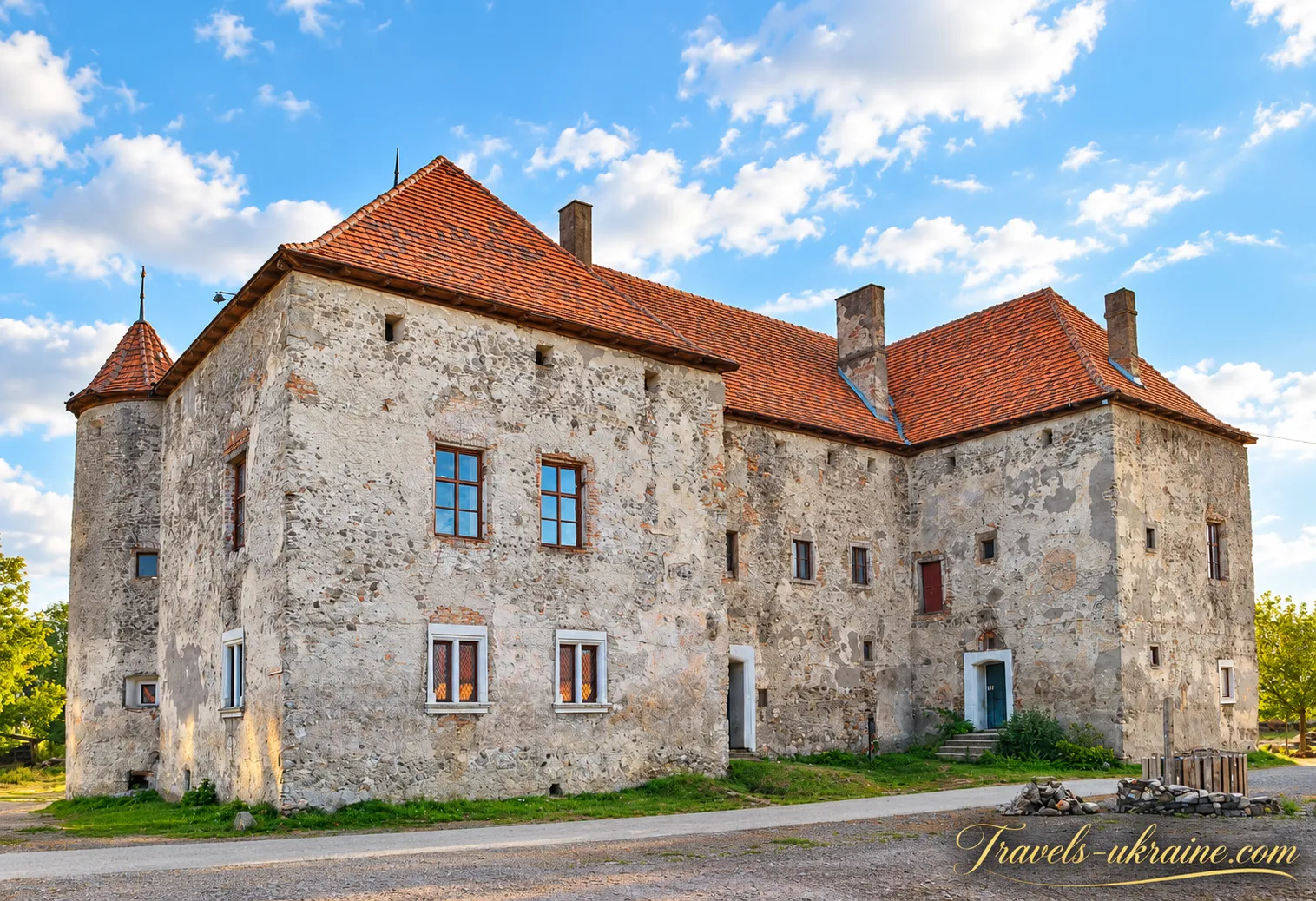
Against the backdrop of Zakarpattia’s great castles, Szent Miklós in Chynadiyovo may initially seem rather modest. There is no mountain with a fortress looming over the town, no dozens of bastions, and no walls visible from several kilometers away. The castle stands almost in the middle of the settlement and looks more like a large old house with two massive towers.
But appearances are somewhat deceptive in this case. Behind the plain façades lie thick defensive walls, loopholes, cellars, and passages inside the double walls. In the 17th century, these features were far from decorative: Szent Miklós lived through wartime events, was damaged during a real assault, and was rebuilt afterward.
At the same time, today it is much more often called something quite different — the «Castle of Love». The Chynadiyovo residence is associated with the story of Ilona Zrínyi and Imre Thököly — two people whose relationship unfolded against a backdrop of high politics, uprisings, and the struggle against the Habsburgs. Of course, over the years the romantic version of this story has acquired so many beautiful details that it can sometimes be difficult to tell where the documents end and the tourist narrative begins. That is why we will separately examine what is actually known about Ilona Zrínyi and Imre Thököly’s meeting at Szent Miklós, and what later legends added to the story.
And this matters, because reducing the entire Chynadiyovo Castle to a love story would be unfair. Over several centuries, it served as a fortified residence, survived an attack by Polish forces, changed hands many times, and acquired entirely different functions. In places, its biography resembles the life of someone who could never decide what profession to pursue.
Today, Szent Miklós is open to visitors again. Guided tours, exhibitions, and cultural events are held inside, but the most interesting thing here is not even the number of exhibits. Its main value is the historic building itself: the old walls, towers, loopholes, cellars, and structures that let you literally see how a small fortified residence was organized several centuries ago.
So in this article, we will not list every owner of Szent Miklós from first to last and turn a walk through the castle into a history lesson. Instead, we will explore why such a castle was built in Chynadiyovo, how its defenses worked, what happened here in 1657, and how much truth remains in the famous story of the «Castle of Love».
Because Szent Miklós is interesting precisely because behind its rather restrained appearance lies far more than it promises at first glance.
How Szent Miklós Came to Be and Why Chynadiyovo Needed a Fortified Castle
To understand Szent Miklós Castle, it is enough to look not only at its walls but also at the map. Chynadiyovo lies in the Latorca Valley near Mukachevo, in an area through which important routes across the Carpathians passed for centuries. In the 15th century, the beautiful scenery was a pleasant bonus, but the much more important question was: who controlled the road and how well could they defend it? It was in this context that the fortified residence now known as Chynadiyovo Castle or Szent Miklós emerged.
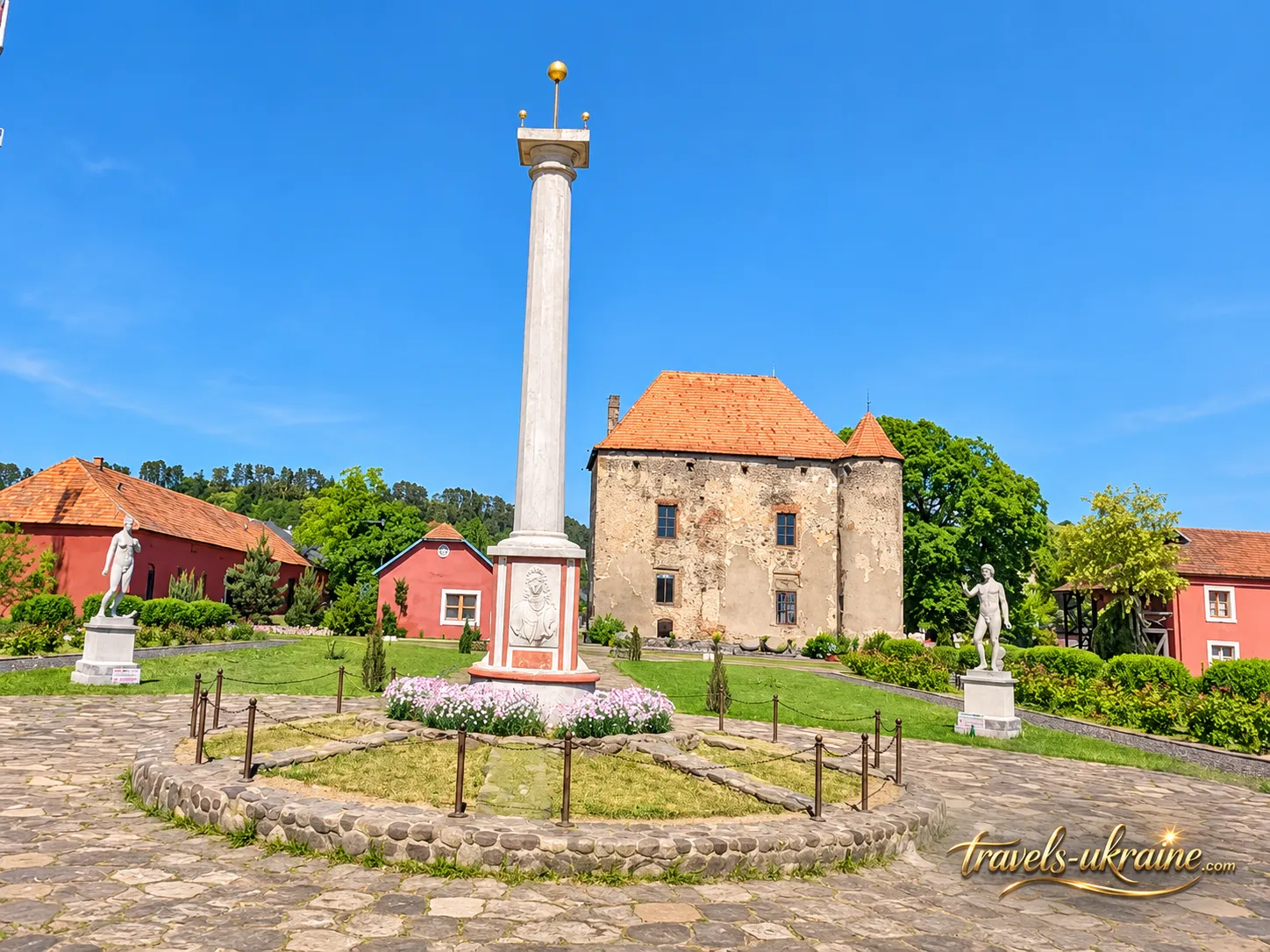
Szent Miklós is not like Mukachevo Palanok, with its multiple defensive rings, bastions, and enormous grounds. Everything here is more compact: a rectangular two-story building, corner towers, and a minimum of unnecessary architectural theatrics. That is why it is more accurate to imagine it as a fortified noble residence. Its owners and their household lived inside, while the exterior structures allowed the building to be turned into a small defensive position when necessary.
Such structures show how blurred the line between a «palace» and a «castle» could be. If your home has a bedroom, a large hall, and utility rooms, it is a residence. If its walls are a meter thick and you can fire at attackers from the window, the word «castle» also seems entirely appropriate.
Why Is the Castle Called Szent Miklós?
The name sounds a little unusual for modern-day Zakarpattia, but the explanation is quite simple. Szent Miklós means «Saint Nicholas» in Hungarian. This was the name used in medieval sources for the settlement that later became modern-day Chynadiyovo. So «Szent Miklós» is not a romantic name invented later for tourist brochures. The castle essentially inherited the historic name of the area whose center it was.
At that time, the Szent Miklós domain existed around it — a large landed estate with settlements, agricultural lands, and its own economic system. The castle itself served as the administrative and defensive center of this domain.
The Perényi Barons and a Castle That Was Built for More Than Appearance
The construction of the stone castle in the 15th century is associated with the influential Hungarian Perényi family. For them, Szent Miklós was not merely a house where they could spend a comfortable night while traveling through Zakarpattia. It was a feudal residence adapted for defense. Its owner was expected to live there, manage the estate, store property, and at the same time be ready for the moment when people who had certainly not been invited to dinner appeared at the gate.
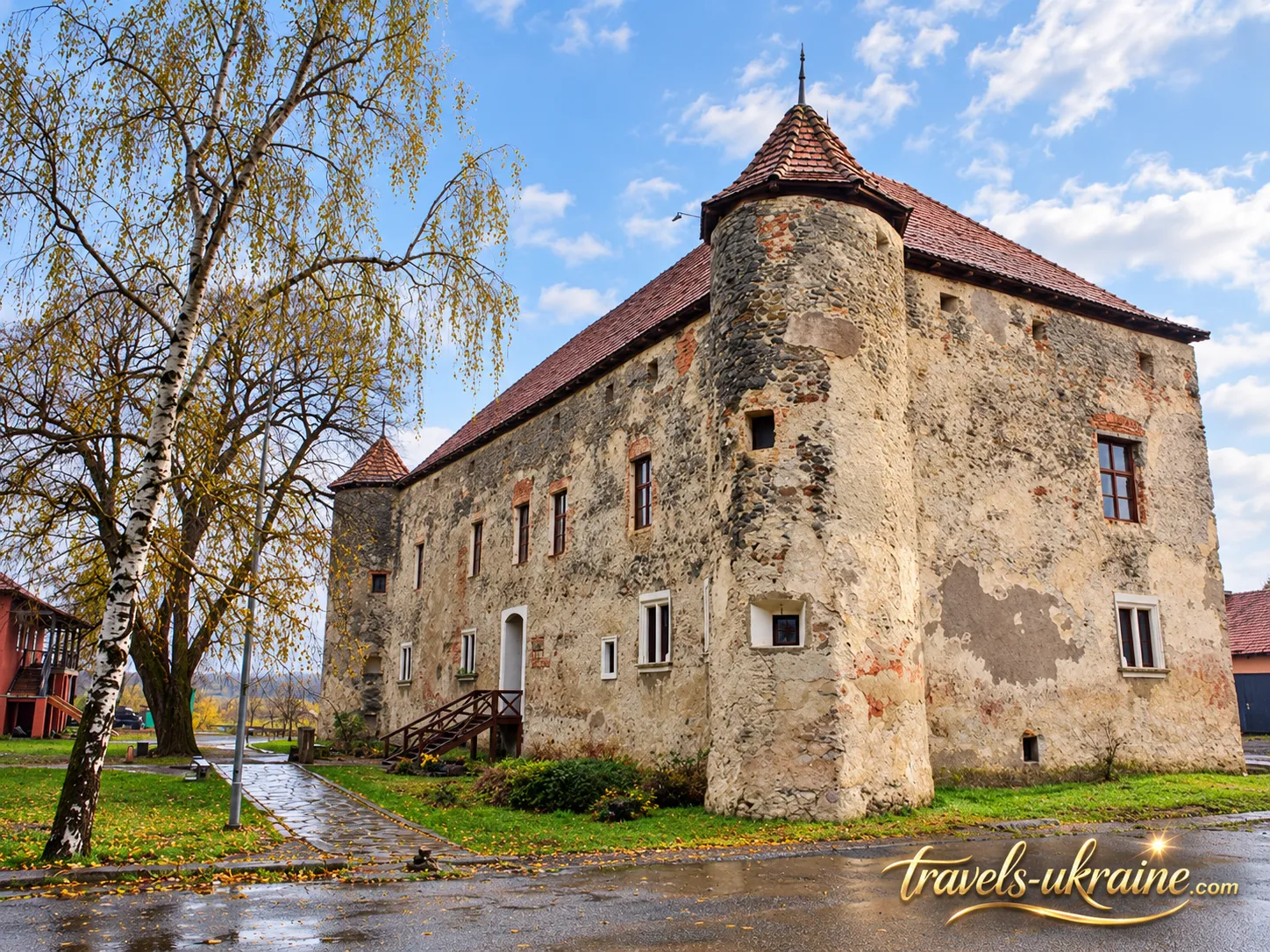
That is why the building was made compact but highly formidable. Two stories, two massive corner towers, loophole windows, cellars, and walls approximately one meter thick. Additional earthworks — ramparts and moats — existed around it. Against the backdrop of Europe’s great citadels, this may seem like a modest set of features. But Szent Miklós was never meant to stop a huge army for several months. Its purpose was more practical: to protect its owners, people, and property during a local conflict or sudden attack.
The Ruska Brama: Why This Location Was Strategically Important
Official historical sources on Chynadiyovo Castle specifically mention that it controlled the route toward a mountain pass known as the «Ruska Brama» or the Ruska Shlyakh in the Carpathians. In the Middle Ages, Carpathian passes were roughly what key transport interchanges are today: if you control the passage, you control the movement of people, goods, and, when necessary, armies.
That is why the residence in Chynadiyovo was more significant than its present-day size might suggest. It was not simply the home of a local landowner but one of the fortified points along an important Carpathian route. This makes it clear why a palatial residence needed loopholes and meter-thick walls. A medieval owner could quite reasonably love comfort while being deeply distrustful of the people beyond the gates. There was no contradiction between the two.
The Owners Changed, but the Castle Remained
Over the following centuries, Szent Miklós passed from one noble family to another. After the Perényis came the Telegdis, Nyárys, Lónyays, and other owners. Each change could bring repairs, alterations, and new uses for the rooms. But turning this article into a table of «who owned the castle in which year» would serve little purpose. Much more important is that Szent Miklós was not a frozen structure from a single period. It changed along with its owners and the political situation around it. Sometimes those changes were peaceful, and sometimes history arrived at the gates with an army.
The castle faced one of its most dramatic tests in the 17th century, when its defensive structures were needed for more than status and appearance. But before that, we should turn to an entirely different chapter of Szent Miklós’s history — the story that is why it is now much more often called not a fortress but the «Castle of Love.»
The Castle of Love: Ilona Zrínyi and Imre Thököly — What Is Known and What the Legends Added
Szent Miklós is often called the «Castle of Love» today. According to the popular version, this was where Princess Ilona Zrínyi and the young Count Imre Thököly met in secret, fell in love despite politics, their age difference, and their relatives’ wishes, and eventually married. The story is so perfect for an old castle that it almost begs to be put on the poster of a romantic film. There is an aristocratic widow, a younger rebel, dangerous politics, secret meetings, family disapproval, and old castle walls. The only problem is that the real history of the 17th century was far more complicated. And, to be honest, that makes it even more interesting.
Who Were Ilona Zrínyi and Imre Thököly?
Ilona Zrínyi came from one of the most influential Croatian-Hungarian aristocratic families. Her first husband was Ferenc I Rákóczi. After his death in 1676, Ilona was left a widow, gained custody of her children, and effectively retained control over the Rákóczi family’s vast estates.
Imre Thököly was an entirely different figure — young, ambitious, and highly active as a leader of the anti-Habsburg Kuruc movement. He was born in 1657 and was approximately 14 years younger than Ilona. For the 17th century, the age difference itself was not the greatest problem. Much more interesting was that Thököly was a Protestant and political opponent of the Habsburgs, while Ilona belonged to an exceptionally influential Catholic aristocratic milieu. In other words, from the very beginning, their future relationship looked as though someone had deliberately gathered every possible reason for a family scandal into one marriage.
Did They Really First Meet at Szent Miklós?
This is where the main difference between a beautiful legend and what can be confirmed by sources begins. Researcher Oksana Ferkov of Uzhhorod National University, who separately studied the history of Ilona Zrínyi and Imre Thököly’s relationship, notes that the sources do not identify the exact moment when they first met.
Ilona and Imre belonged to the same aristocratic and political milieu, so they knew of each other long before the famous meeting in Chynadiyovo. There is evidence that they had already met at various receptions in 1677, and Thököly corresponded with Ilona during this period. Zrínyi herself left particularly interesting testimony. At the beginning of 1682, she wrote that Thököly had had to wait for her for approximately five years. Counting backward brings us precisely to 1677. Therefore, the version that «they first saw each other at Szent Miklós and immediately fell in love» sounds beautiful, but the historical sources do not confirm it.
There is another interesting detail. Transcarpathian historian Tivadar Lehoczky believed that the couple’s personal meeting might have taken place at Szent Miklós as early as 1679. However, he provided neither an exact date nor circumstances, and other sources do not confirm this episode. So it is better not to rush to call it their first date. Unfortunately, the 17th century did not leave us a castle visitors’ log with a column reading «purpose of visit: romantic.»
January 8, 1682: This Meeting at Szent Miklós Is Confirmed
As for January 8, 1682, the situation is considerably more interesting. At the end of December 1681, Thököly asked Ilona for a personal meeting. And on January 8 of the following year, they did indeed meet at Szent Miklós Castle. This meeting has a much more reliable documentary foundation and effectively gives Chynadiyovo Castle every right to be part of the story of their relationship. But the conversation was somewhat more serious than the modern name «Castle of Love» might suggest.
During the meeting, Imre Thököly received Ilona’s consent to marry. There was, however, an important condition: the marriage could take place only after the emperor’s permission. So instead of the classic romantic-film «yes!», the answer may have sounded more like: «Yes, but first we need official approval from Vienna.» Aristocratic love in the 17th century involved somewhat more bureaucracy.
Why Was the Emperor’s Permission Needed for the Marriage at All?
Today, the decision to get married primarily concerns two people. In the 17th century, if those two owned castles, vast estates, armies, and political influence, the situation became somewhat more complicated. The marriage of Ilona Zrínyi and Imre Thököly had major political significance. Thököly led the anti-Habsburg movement and needed allies and resources. Ilona controlled the vast Rákóczi estates and belonged to a family with considerable political authority.
It was not only the lovers and their relatives who were watching this potential alliance. Vienna, French diplomacy, the Polish court, the Hungarian aristocracy, and the Ottoman Empire were all following the situation. Each had its own expectations of such a marriage. That is why historians treat the romantic version—with politics supposedly having no role at all—with caution.
The personal feelings between Ilona and Imre may well have been genuine—the couple’s subsequent life provides ample reason to think so. At the same time, however, their marriage was a highly advantageous political alliance. In the 17th century, love and geopolitics could quite easily sit at the same table.
Sophia Báthory was far from thrilled about this romance
A separate role in this story was played by Sophia Báthory, Ilona Zrínyi’s mother-in-law. She categorically opposed a potential alliance with Thököly. There were plenty of reasons: differing religious beliefs, political views, the young rebel leader’s reputation, and the overall danger such a marriage posed to the family.
Even sharp letters exchanged between Sophia and Ilona in connection with Thököly’s visits have survived. They already show that gossip was spreading actively around the relationship. This once again makes it clear that the story did not suddenly emerge in January 1682. For several years before the famous meeting at Szent-Miklós, the couple had already been surrounded by correspondence, visits, rumors, and political negotiations. Sophia Báthory died in 1680. After that, one of the main family obstacles to the marriage disappeared, although a much more difficult question remained—the emperor’s consent.
The wedding did not take place at Szent-Miklós
Another misconception sometimes found in tourist retellings is worth correcting here. Ilona Zrínyi and Imre Thököly were not married at Chinadiyovo Castle. Their wedding took place on June 15, 1682, at Mukachevo Castle. In other words, Szent-Miklós was an important place in the development of their relationship, and it was here that Thököly received Ilona’s consent to marry him, but the wedding ceremony itself took place at a different fortress. This detail actually makes the story more interesting: Chinadiyovo was not a beautiful backdrop for a wedding, but the place where one of the future couple’s most important decisions was made.
A small tourist industry of numbers has grown up around the wedding itself as well. Popular accounts describe an unbelievable menu: dozens of bulls, calves, pigs, and sheep, deer, wild boars, tons of fish and honey, and hundreds of barrels of wine and beer. The celebrations supposedly lasted eight days. It sounds like the kind of wedding after which the hosts would have spent another week looking for their guests around the castle.
However, Oksana Ferkov’s academic research draws attention to an important problem: contemporary accounts do not confirm such a grand banquet. On the contrary, surviving records describe the wedding as rather modest for people of such status. The report of the marriage was brief, and the town notary specifically recorded the ceremony’s modest character. So the famous lists of hundreds of barrels of wine are best left where they are most at home—in beautiful tourist stories.
So why does Szent-Miklós still deserve to be called the «Castle of Love»?
After all these clarifications, it may seem that we have just taken the castle’s most beautiful legend away from it. In fact, the opposite is true.
To create Szent-Miklós’s romantic image, there is no need to invent a first meeting or a wedding within these walls. There is a much stronger, documented fact: on January 8, 1682, a personal meeting took place here, after which Ilona Zrínyi agreed to become Thököly’s wife. Their life together was far from a peaceful aristocratic romance. Wars, sieges, separation, imprisonment, and emigration—the couple endured trials far more serious than those that usually find their way into tourist legends.
That is why Szent-Miklós’s name, the «Castle of Love,» has a very real historical foundation. The true story here simply turns out not to be a tale of love at first sight, but a much more complicated story about two people whose personal feelings were constantly intertwined with high politics. And while the question of their future marriage was being decided in the rooms of Szent-Miklós, the castle itself remained a serious defensive structure. Just a few decades later, people came to its walls who were interested in anything but romantic encounters.
The Secrets of Szent-Miklós’s Walls
After learning the story of Ilona Zrínyi and Imre Thököly, it is easy to start seeing Szent-Miklós as a romantic palace with thick walls added for atmosphere. But the architects of the 15th–17th centuries were hardly using that much stone merely to give future tourists a beautiful backdrop for photographs.
Chynadiyovo Castle was created as a fortified residence. People lived here, managed the estate, and received guests, but the building was also meant to give its owners a chance to survive an attack. That is why its most interesting details should be sought not in decorative embellishments, but in the thickness of the walls, the loopholes, the towers, and the structures hidden within the masonry itself.
Walls you could move around inside
One of Szent-Miklós’s most interesting features is its double walls with narrow internal passageways. The official Zakarpattia tourist audioguide notes that part of this system has survived to the present day. It is worth pausing for a moment to imagine how it worked. Before you is not simply a thick stone wall, but a structure containing a narrow space for movement. Such passageways allowed people to move more quickly between different parts of the building, reach defensive positions, and do so without stepping into the open courtyard.
In places, the walls are approximately one metre thick. For a modern house, this would look like architectural paranoia. For the 15th–17th centuries, it was a perfectly sensible precaution. Add loopholes, two massive corner towers, and basement rooms, and it becomes clear that the word «castle» here is anything but decorative.
Loopholes, towers, and moats: how the defenses worked
Szent-Miklós was not a vast fortress with several belts of walls. Its defenses were more compact, but well adapted to the scale of the residence itself. Corner towers made it possible to control approaches to the building from several directions. Window openings partly served as loopholes, while the sheer thickness of the walls made a rapid assault considerably more difficult.
There were earthworks and moats around it. Old descriptions mention that the moats could be filled with water from the Latorca River. Today, this outer defensive system is nowhere near as clearly visible as it was several centuries ago, so modern tourists primarily see the stone structure itself. That is precisely why Szent-Miklós is easy to underestimate. Today it stands almost like an ordinary historic building in the centre of Chynadiyovo. You have to imagine the moat, rampart, and armed men around it for yourself.
Basements and «secret passages»: where fact ends and legend begins
Underground passages in old castles are traditionally complicated. Almost every fortress in Central Europe sooner or later acquires a legend about a tunnel leading either to a neighboring castle, a church, or at the very least the opposite bank of a river. At Szent-Miklós, deep basements and internal passageways genuinely exist. Some modern sources also mention underground passages in the direction of the Latorca Valley. But claims about long tunnels leading to specific distant sites are best treated cautiously unless supported by a comprehensive archaeological study.
So for an interesting walk, we have more than enough even without a legendary tunnel: the documented fact that the castle has basements and a system of passageways within its double walls. For a small residence, that is already quite serious engineering.
1657: when the defenses were put to the test
In 1657, Szent-Miklós experienced one of the most serious military events in its history. Polish troops entered Zakarpattia, and Chynadiyovo Castle was attacked and heavily damaged. To understand why the Polish army found itself here at all, we need to step briefly beyond the castle walls.
That same year, the Transylvanian prince George II Rákóczi intervened in the war against the Polish–Lithuanian Commonwealth and led his army into Polish lands. His campaign ended unsuccessfully, and Polish forces responded with a raid into Rákóczi’s possessions. Lubomirski was one of the commanders of this punitive campaign. Szent-Miklós found itself in the path of this conflict not because of any personal hostility toward its walls, but as part of a much larger political confrontation. For the castle, it was a very literal test of why metre-thick walls and loopholes had once been built.
Official and encyclopedic sources agree that, as a result of the events of 1657, the castle suffered significant damage. It was restored after the Polish army withdrew. This is an important point for understanding the building as it exists today: Szent-Miklós is not a castle that has remained completely unchanged since the 15th century. It has endured destruction, repairs, and alterations, so part of what we see today is the result of several historical stages.
The Great Ukrainian Encyclopedia, for example, specifically mentions further alterations in the 18th century: a change to the roof, the conversion of the attic into a granary, and the bricking up of the original entrance during works carried out in 1734. In other words, the castle was continually adapted to new needs. When the military threat was real, it was fortified. When its defensive importance declined, the rooms began to be used in much more practical ways.
What remains of Szent-Miklós today and what tourists should see
After hearing about metre-thick walls, secret passageways, the 1657 assault, and Ilona Zrínyi, a perfectly practical question may arise: what of all this can actually be seen at Szent-Miklós today? Here, it is worth setting your expectations correctly. Chynadiyovo Castle is not the kind of place where dozens of fully restored rooms filled with furniture, silver, and portraits of former owners await you beyond the gates. Its main value is the historic structure itself, in which the castle’s different stages of life can still be clearly read.
What is interesting here is not so much counting exhibits as looking at the walls, towers, old openings, and basements, and trying to understand how it all worked several centuries ago. So start with the exterior—it is simpler than you might expect.
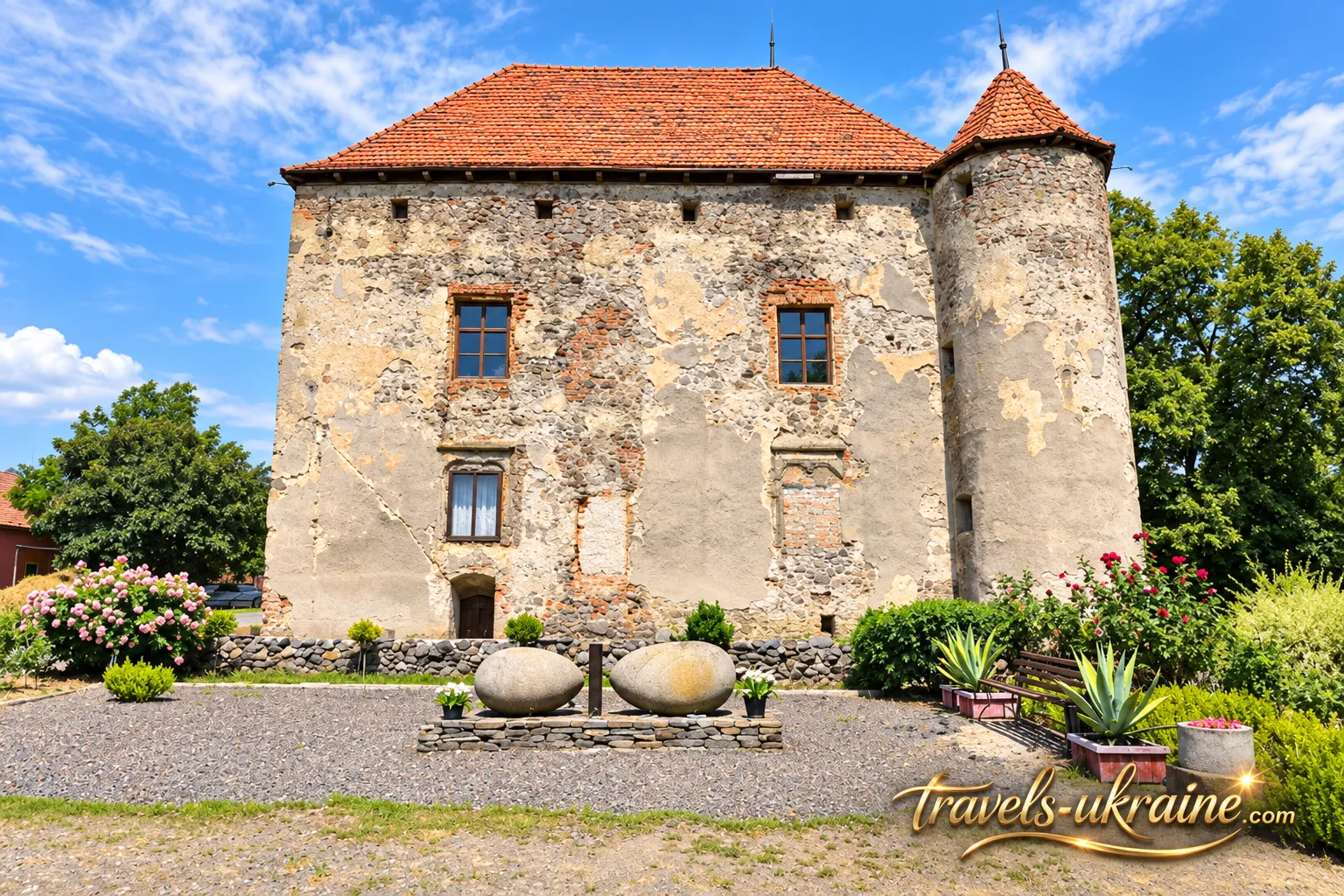
Your first impression of Szent-Miklós may be unexpected. After hearing the word «castle,» many people imagine something like Palanok—a mountain, bastions, several lines of defenses, and walls visible from a distance. This castle is much more compact. Before you stands a two-storey rectangular structure with two massive corner towers. The façades are fairly restrained, without a large number of decorative details. That is precisely where its character lies. The building does not try to look like a fairy-tale palace—it resembles a very serious stone house whose owner once preferred walls approximately a metre thick.
Next, walk around the castle and look at how the towers project from the main structure. The defensive logic of the building is most clearly visible from outside, and on the façades it is worth noting the narrow defensive openings and loophole windows. Today they look almost decorative, especially beside the larger later windows, but they once served an entirely practical purpose. Details like these are a good reminder that this is not simply an old nobleman’s house.
Inside, the rooms themselves are more interesting than the furniture
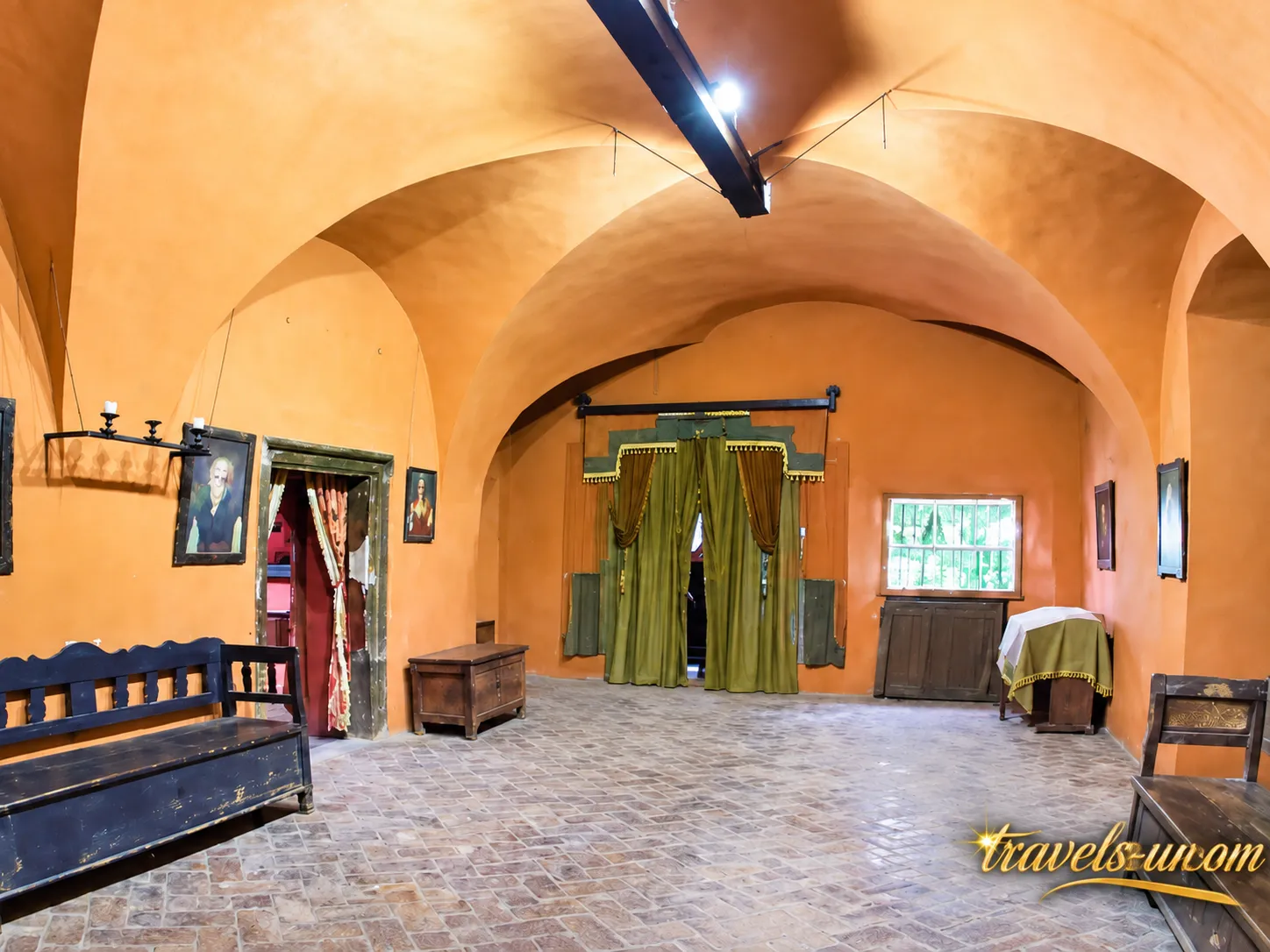
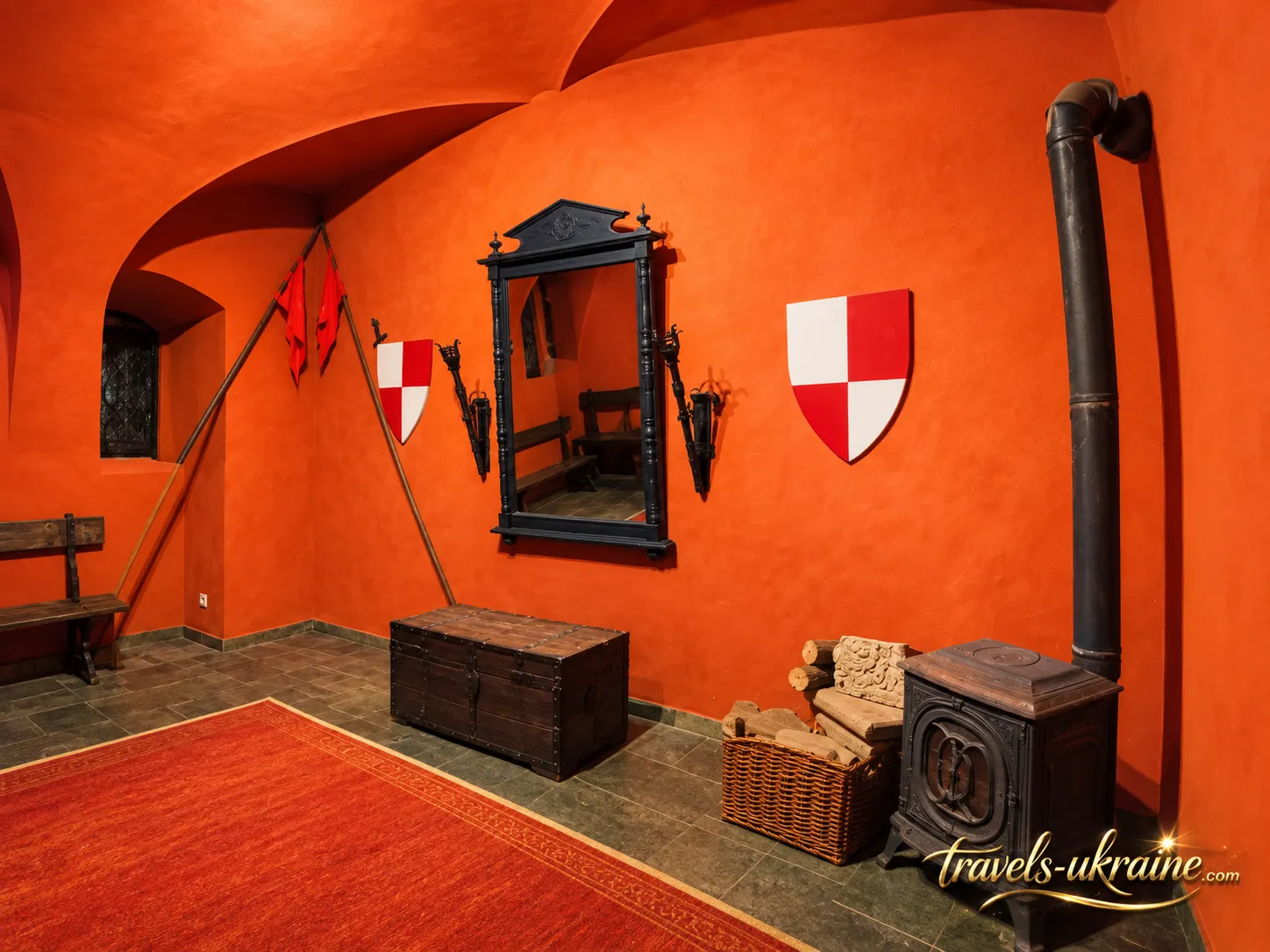
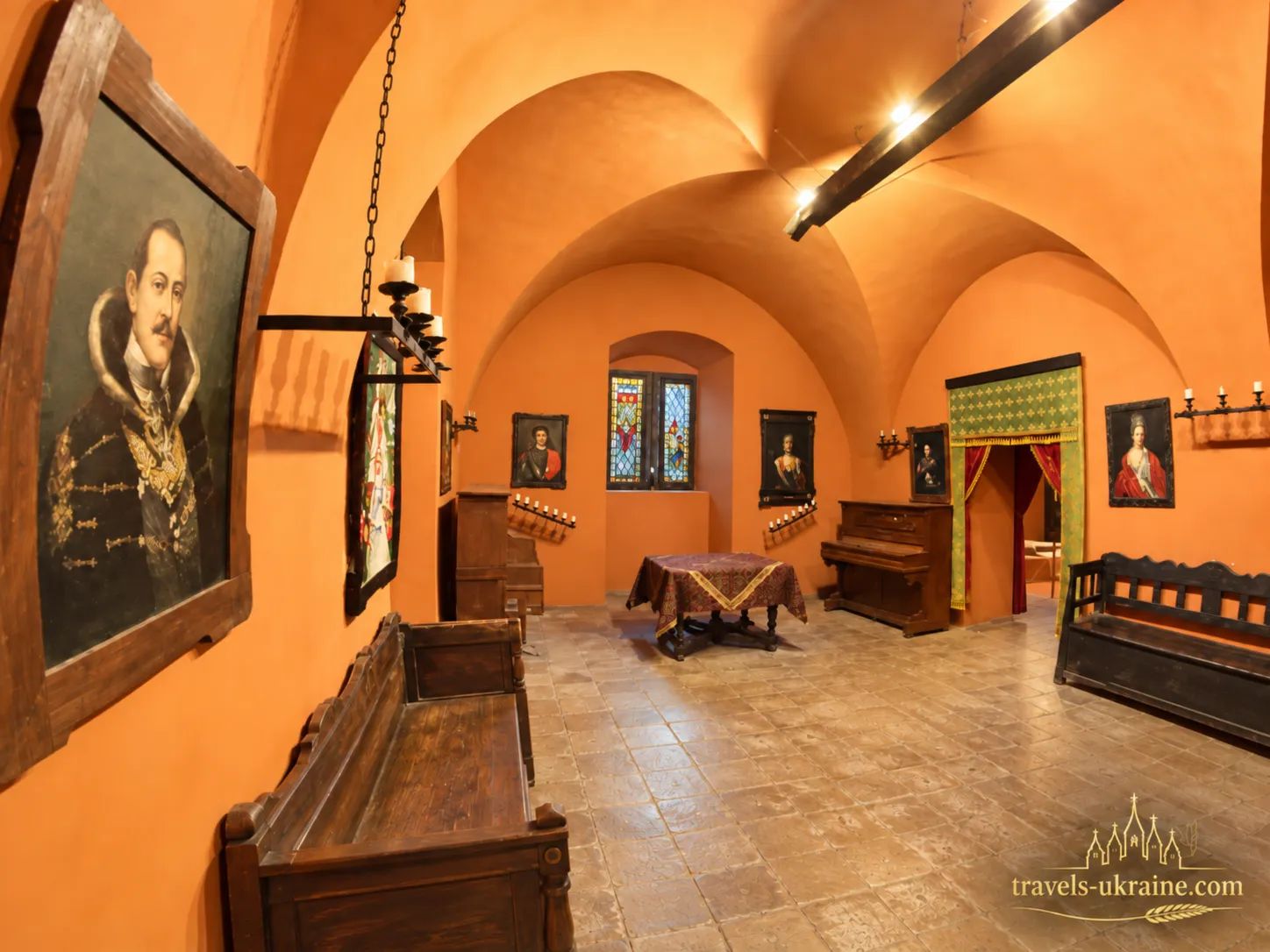
Parts of the castle have been restored and adapted for visitors. They host guided tours, art exhibitions, concerts, and other cultural events. But I would advise against turning your visit into a hunt for the «most valuable exhibit.» It is much more interesting to observe the geometry of the rooms, the thickness of the doorways and window openings, and the passages between rooms. In an old castle, even a windowsill can tell you more about fortification than a display panel with two pages of text: all you need to do is see how deeply the window is set into the wall. It is inside that the building’s true massiveness is best appreciated.
Don’t look for a «movie-style» 17th-century interior here
Another important point: the present-day interior of Szent Miklós should not be regarded as a fully authentic recreation of what Ilona Zrínyi saw in 1682. The castle changed functions many times, was repaired and rebuilt, and was used as an administrative building, a warehouse, and for other хозяйственные needs. Much of its old furnishing was lost. Therefore, the main authentic exhibit here is the building itself.
Seen this way, Szent Miklós becomes much more interesting. There is no need to convince yourself that a particular armchair belonged to the princess or that Thököly asked for her hand at that very table. It is far more valuable to know that the wall, tower, or cellar itself is genuinely part of a centuries-old structure.
The cellars and passages are the most atmospheric part of Szent Miklós
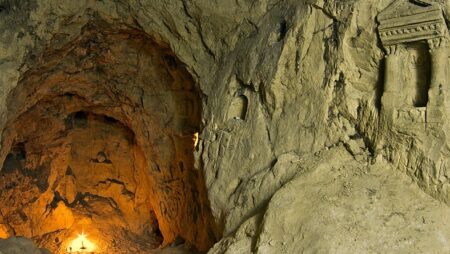
If access to the lower rooms is available as part of your tour, you should definitely see the cellars. Here, Szent Miklós feels much less like an ordinary old house. Stone vaults, narrow passageways, and massive structures bring back the same sense of a fortified residence we mentioned earlier. The preserved sections of passages between the double walls are particularly interesting. There is no need to invent a ten-kilometre secret tunnel to the neighboring castle—the very possibility of moving inside the wall structure is interesting enough.
That said, access to some areas may depend on the condition of the rooms and the format of the particular tour. So if the underground section is the main purpose of your trip, it is best to check beforehand.
Today, the castle is more than just guided tours
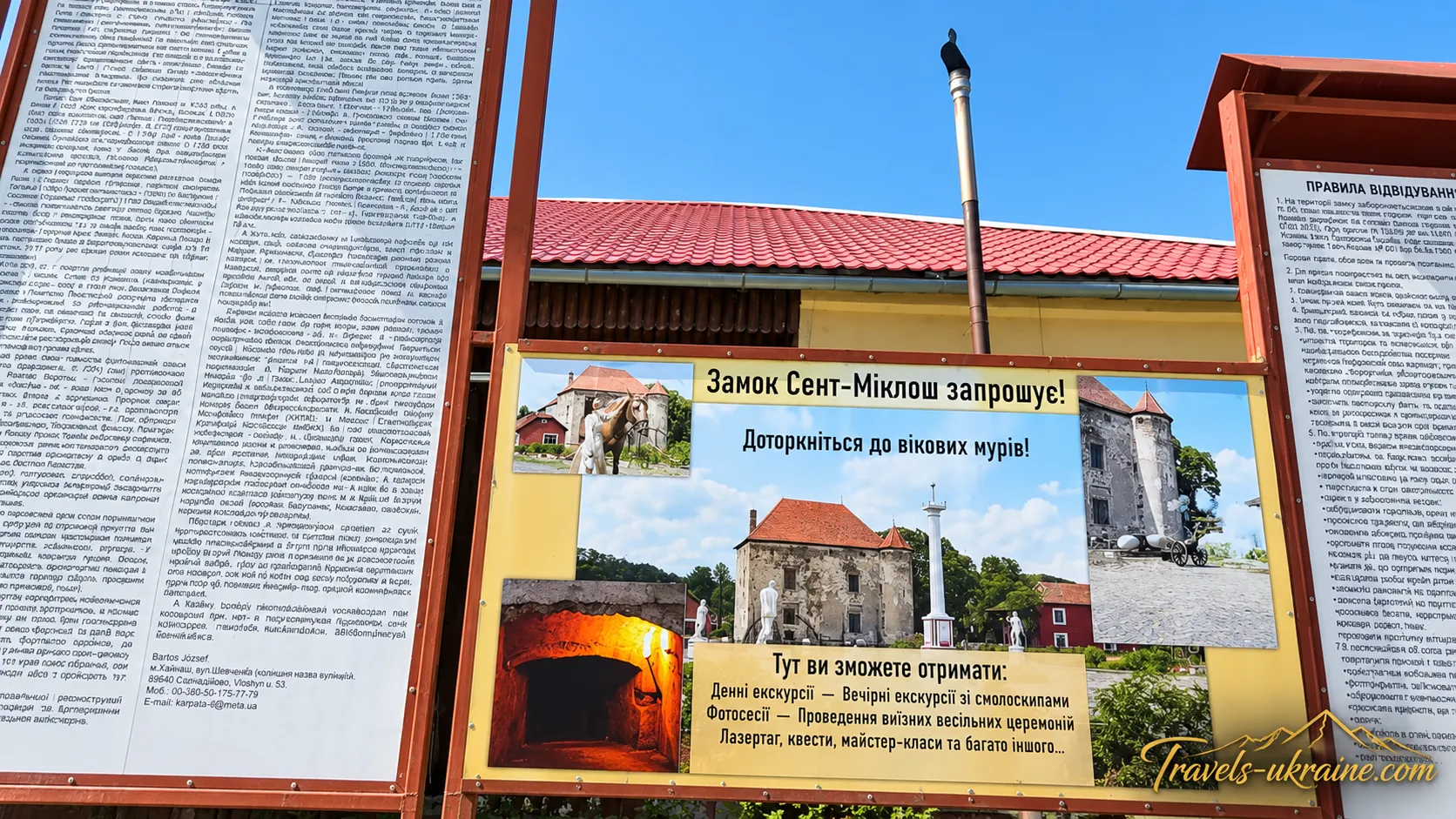
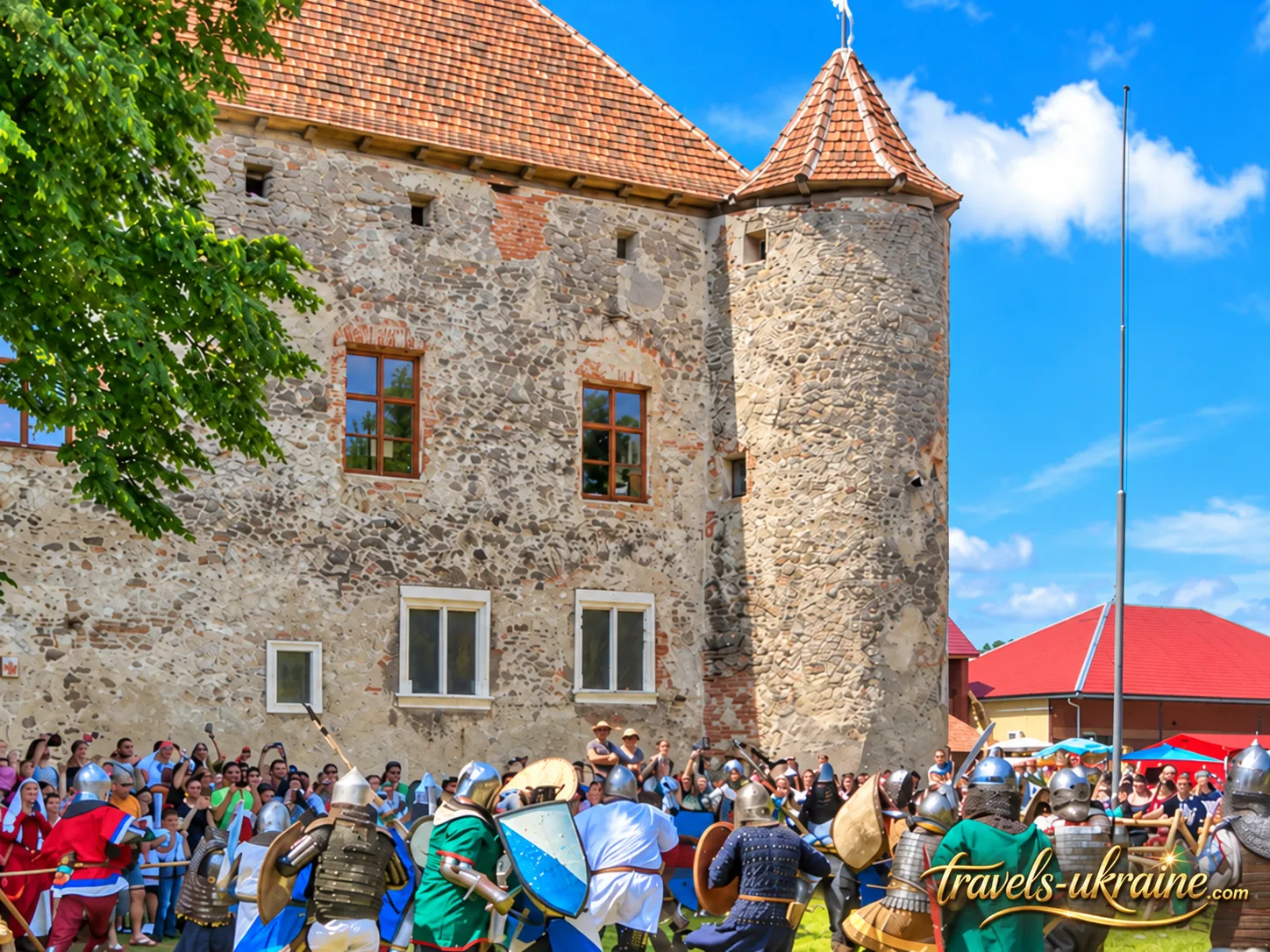
Szent Miklós has not been turned into a museum where the only event of the day is opening the doors at ten in the morning. Its grounds host classical and chamber music concerts, exhibitions, themed tours, workshops, quests, and cultural gatherings. The castle’s official website also offers themed photo sessions and other programs. In different years, it has hosted historical reenactment festivals, including the well-known «Silver Tatosh,» with knightly battles, medieval music, and a fair. But before traveling for a specific event, it is best to check the current schedule. The old castle leads a fairly active life, and its cultural-events calendar changes much faster than the thickness of its walls.
In winter, Szent Miklós becomes Saint Nicholas’s residence
In December, Chynadiyovo Castle takes on another rather symbolic role: it traditionally opens the Residence of Saint Nicholas. The location is almost perfect for it: the historic name Szent Miklós means «Saint Nicholas» in Hungarian. The tradition continues today. In 2025, the residence operated from December 1 to 6, and the castle welcomed children’s groups for the eighth consecutive year.
The program included a meeting with Saint Nicholas, tours of the old fortress, a fairytale underground world, workshops, and various children’s activities. In winter, Szent Miklós therefore changes character: for a few days, its medieval cellars and old rooms become part of a Christmas fairy tale. If you are planning a trip in early December, check the latest announcement in advance—the exact dates and program change every year.
A carriage ride around the castle and horseback riding
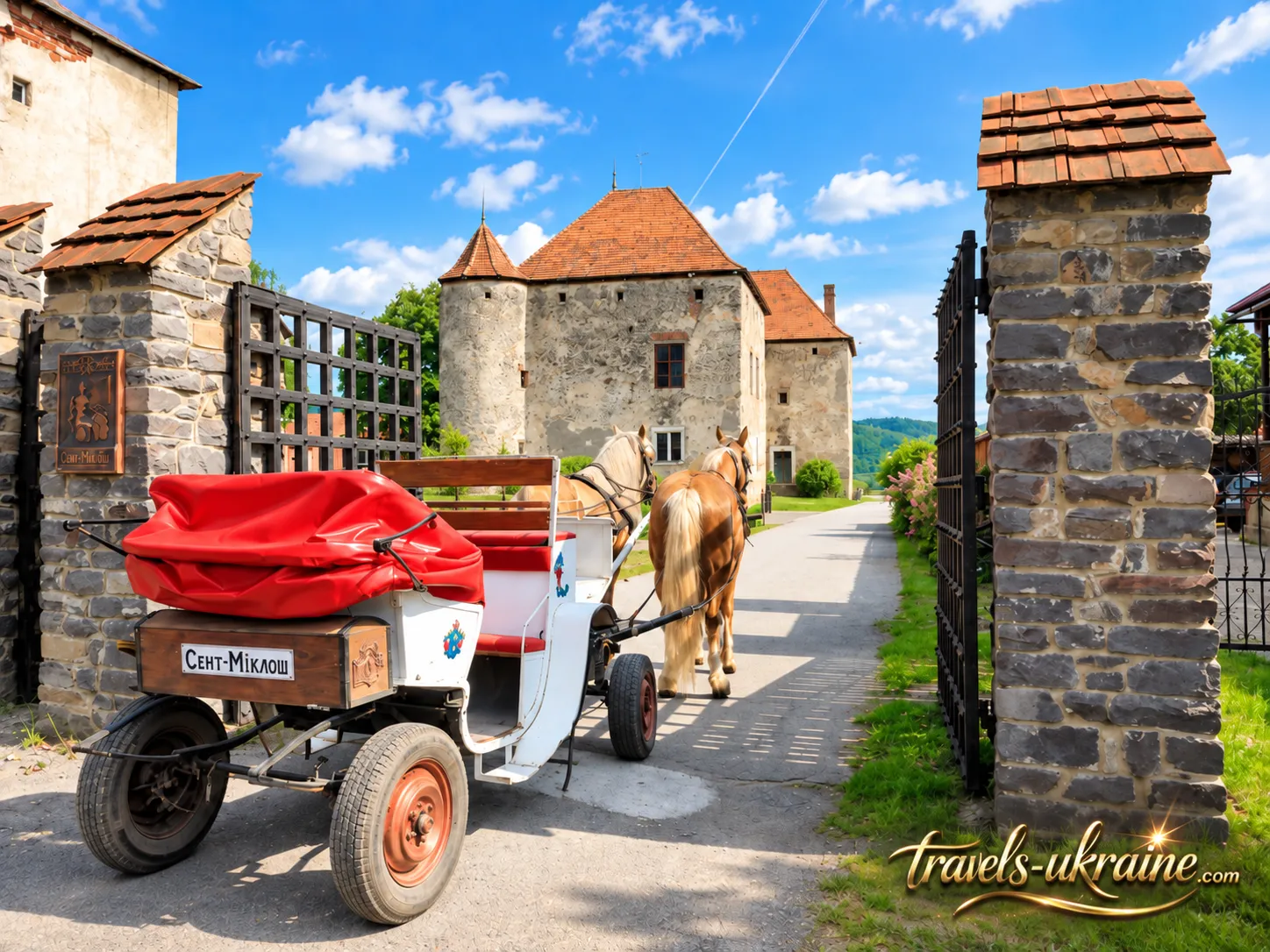
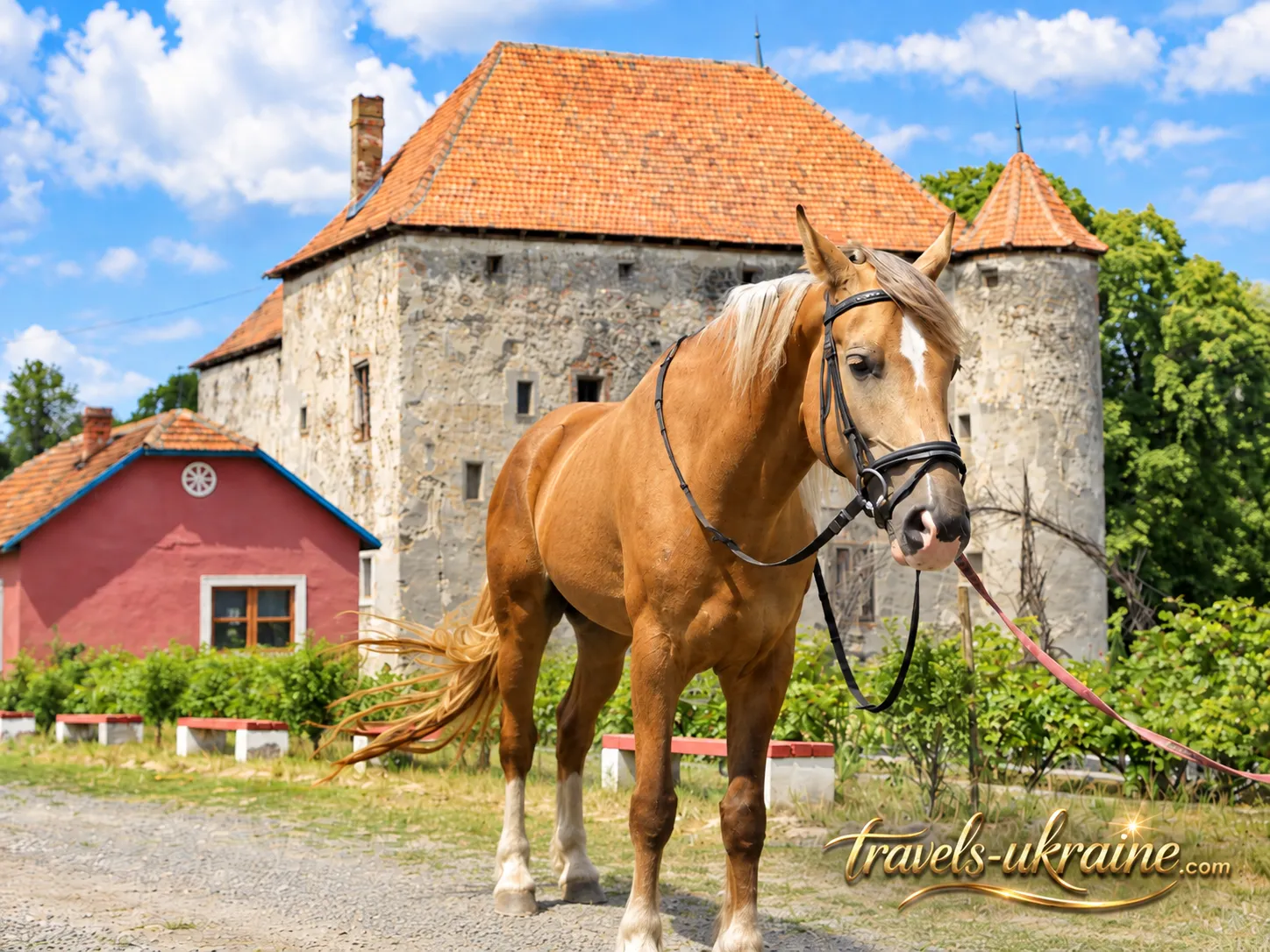
Among Szent Miklós’s modern attractions, one is especially well suited to an old castle: horseback rides and rides in a castle carriage. Admittedly, a car beside medieval walls may be more practical, but a horse-drawn carriage clearly wins in atmosphere. The tradition feels perfectly natural here. It is impossible to imagine old noble residences without horses: they were used for transport, travel, hunting, and everyday estate life. Today, visitors are offered a much more relaxed version of this experience—a ride around the grounds on horseback or a trip in a horse-drawn carriage.
The carriage ride takes place through the parkland near Szent Miklós. It is a good option for those who want not only to see the old walls but also to add a touch of noble-estate atmosphere to their walk, even if only briefly. This format is especially suitable for couples, families with children, and photo sessions. It is also one of those cases when a modern tourist activity does not look artificially attached to a historic landmark. Near Szent Miklós, a horse and carriage feel far more natural than an illuminated electric scooter.
Frequently asked questions about Szent Miklós Castle in Chynadiyovo
Where is Szent Miklós Castle located?
Szent Miklós Castle is located in the town of Chynadiyovo, Mukachevo Raion, Zakarpattia Oblast, at 53B Avhustyna Voloshyna Street. It is approximately 12 km from Mukachevo, so the castle is easy to include in a day trip around the city.
Why is Szent Miklós called the «Castle of Love»?
The name is associated with the story of Ilona Zrínyi and Imre Thököly. It is documented that they met at Szent Miklós on January 8, 1682, and that Ilona agreed to marry Thököly here, provided imperial permission was obtained. However, the popular story that they first met at this very castle belongs more to romanticized legend.
Can you go inside Szent Miklós Castle?
Yes. The castle is open to visitors and hosts guided tours, exhibitions, concerts, themed events, and other cultural programs. Access to some cellar rooms or interior passages may depend on the format of the particular tour and the condition of those areas.
What are Szent Miklós Castle’s opening hours?
Modern tourist guides most often list opening hours of approximately 09:00 to 18:00 daily. Since the castle’s official website does not provide a separately confirmed current daily schedule, it is best to check the opening hours by phone before making a special trip.
How much does a visit to Szent Miklós cost?
The current price may depend on the type of visit— a self-guided visit, a tour, a themed program, or a special event. The official website does not publish a stable single rate, so it is best to confirm the price directly before your trip.
How much time do you need to see the castle?
For a standard visit to Szent Miklós, plan on approximately 45–60 minutes. If you attend an extended tour, exhibition, concert, or themed program, the visit may take considerably longer.
Does Szent Miklós have underground passages?
The castle does preserve cellar rooms and passages between double walls. However, popular stories about long secret tunnels leading to distant sites do not have the same level of reliable documentary evidence.
Is Szent Miklós interesting for children?
Yes, especially for older children. Towers, loopholes, cellars, thick walls, and stories about sieges and secret passages are much easier to engage with than a conventional museum exhibition. The castle also occasionally hosts quests, workshops, and themed events.
How do you get to Szent Miklós Castle from Mukachevo?
Chynadiyovo is approximately 12 km from Mukachevo. The most convenient way is to drive toward Svaliava and Chynadiyovo. The castle is located within the town itself, at 53B Avhustyna Voloshyna Street.
What else can you see near Szent Miklós?
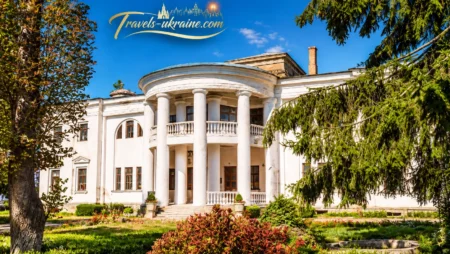
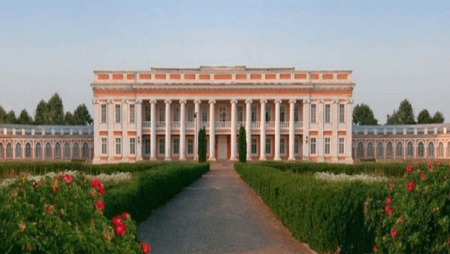
You can easily combine the trip with Mukachevo’s Palanok Castle or the Schönborn Counts’ Palace in the village of Karpaty. Both locations are nearby and very different from Szent Miklós: Palanok is a large defensive fortress, while Schönborn Palace is a romantic 19th-century hunting residence.
What Makes Saint Miklosh Castle Memorable
The ancient castle in the heart of Chynadiyovo does not try to compete with Palanok in scale, nor does it impress with the opulence of the Schönborn Palace, located nearby. Its strength lies elsewhere—in the feeling of a genuinely old residence where the defence, daily life, politics, and personal stories of several centuries have literally layered over one another. Here, it is easy to see how a small noble residence could serve as both a home and a fortress: metre-thick walls, towers, loopholes, cellars, and passages within the walls remind us that comfort in those days always went hand in hand with a readiness to defend oneself.
And the story of Ilona Zrinski and Imre Thököly gives the castle an entirely different character. What is most interesting is that the appealing name “Castle of Love” is truly rooted in real events, rather than being merely a product of tourist marketing. The real story simply turned out to be more complex and more fascinating than the legend. Today, however, Saint Miklosh has a completely different life: it hosts guided tours, exhibitions, concerts, and children's programmes; opens a winter residence of Saint Nicholas; and offers horseback rides and carriage tours around the castle. This works so well precisely because these activities do not replace the historic building but simply add a modern tourism experience to it.
If you are travelling through Zakarpattia via Mukachevo or Chynadiyovo, Saint Miklosh is worth including in your itinerary for at least an hour. Not for the number of exhibits or the sensational legend, but to see a compact medieval castle whose original purpose remains clearly legible. And if, after Chynadiyovo, you want to continue exploring the castles of Zakarpattia, you will find places nearby with entirely different characters—from the great defensive fortress of Palanok to the romantic palace of the Schönborn counts. That is precisely what makes castle journeys so interesting: each one tells a completely different story.
One Response Comment
You can post first response comment.