
 English
 Українська
 Русский
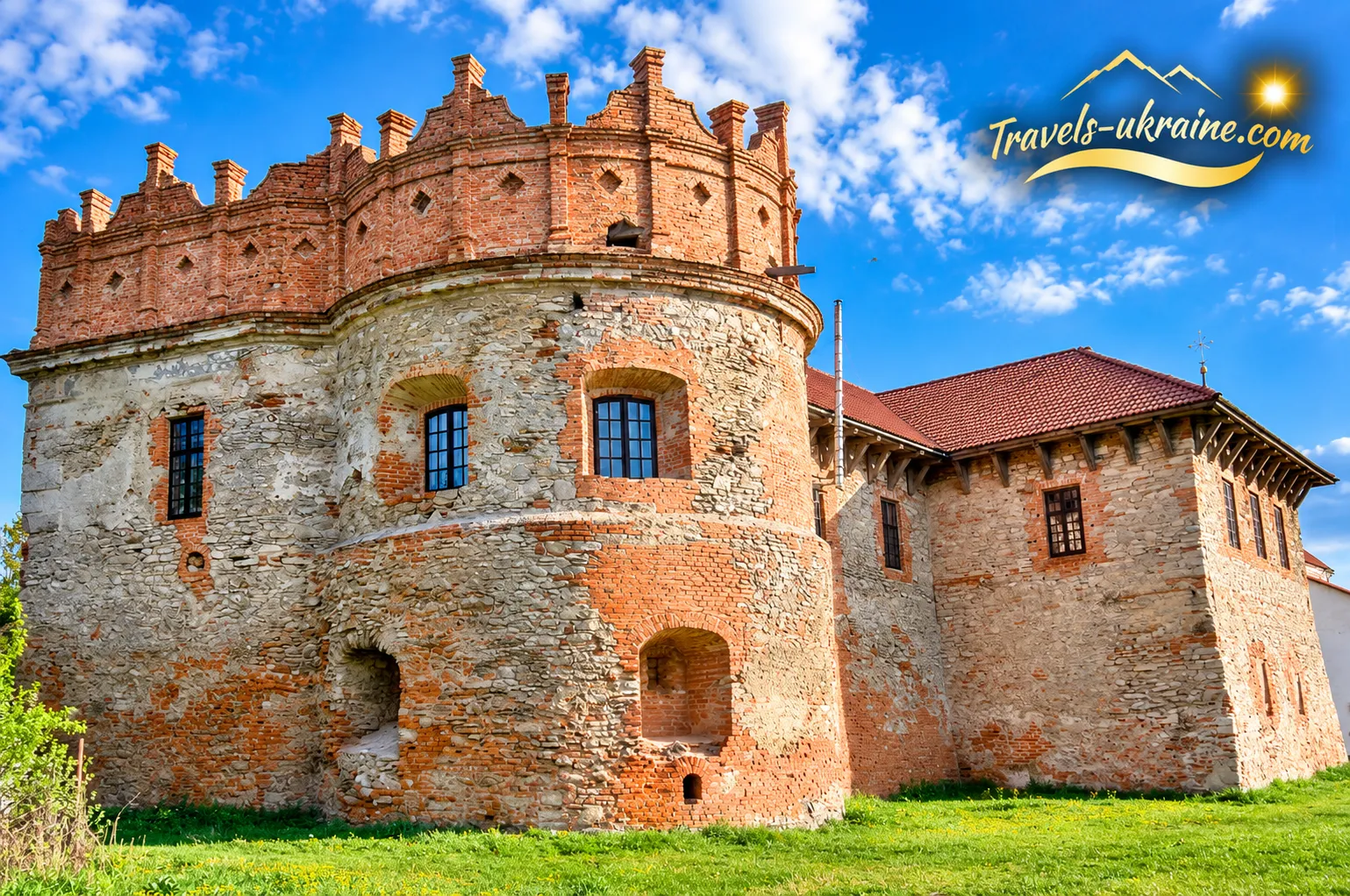
Some castles are the kind of places where you arrive, take a few photographs, and half an hour later find yourself wondering where to get a cup of coffee. Others make you want to stay a little longer and take a closer look at everything around you. Starokostiantyniv Castle definitely belongs to the latter category. It does not try to impress visitors with fairytale towers or gilded decorations. Its appeal lies elsewhere — in its authentic history, ancient walls, and the feeling that this fortress has witnessed far more than it is willing to reveal at first glance.
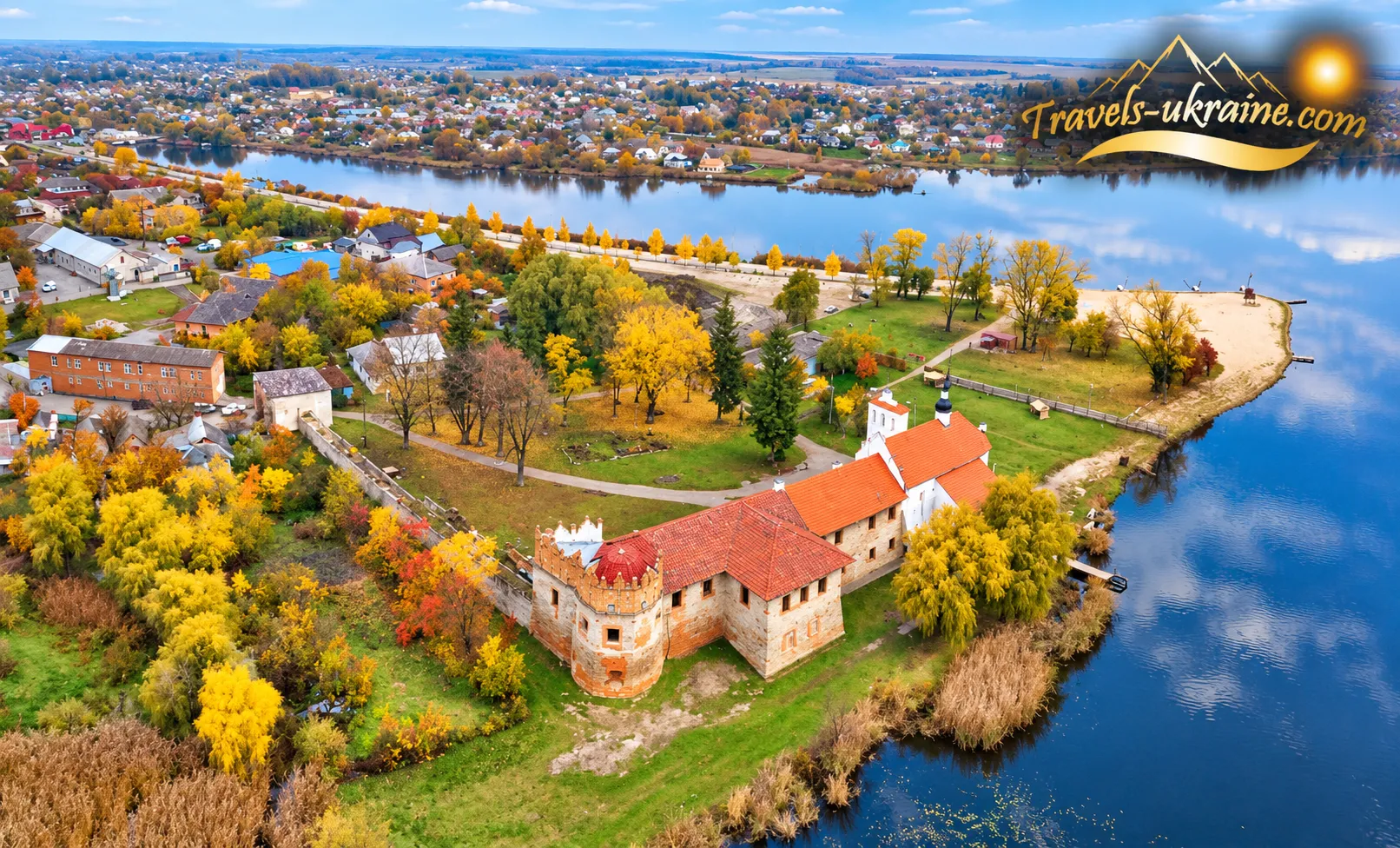
Starokostiantyniv Castle stands in a remarkably strategic location — at the confluence of the Sluch and Ikopot rivers. And this was not some medieval version of the idea that "the most important thing is having a beautiful view from the window." Water formed an essential part of the castle's defenses, and the location of the fortifications served a very practical purpose. Once you begin looking at the castle from this perspective, its old walls stop being merely a picturesque backdrop for photographs. Instead, the carefully considered design of a genuine defensive structure gradually becomes clear.
Behind these walls lies the history of the Ostrozky princes, the defense of the town, military threats, reconstruction efforts, and several centuries of life in Starokostiantyniv. Some parts of the original complex have not survived the passage of time, while others have undergone considerable changes. Yet enough of its most fascinating features remain to help visitors imagine what this place looked like when the word "security" meant something rather more serious than a Wi-Fi password. But the castle is worth visiting for more than just its history. Take time to examine its architectural details, explore the grounds, admire the complex from the riverside, and resist the temptation to put your phone away after taking the first photograph. Sometimes the most interesting angle reveals itself just when you think you have already taken enough pictures of the castle.
Yet beneath the outward tranquility of this place lie plenty of unanswered questions. Who built such a powerful fortification here, and why? Which parts of the original castle have survived to the present day? What role did the Ostrozky princes play in its history? Where do historically documented facts end and legends begin? And, ultimately, what should you see at Starokostiantyniv Castle to make sure you do not miss its most fascinating features?
These are exactly the questions we will explore in the following sections. We will trace the castle's story from the construction of the fortress to its architecture and main attractions, uncover interesting facts and local legends, and provide practical information for modern travelers. But first, let us travel several centuries back in time — to an era when the future Ostrozky Castle in Starokostiantyniv was not a tourist attraction but an important defensive stronghold whose reliability could mean the difference between life and death for the people it protected.
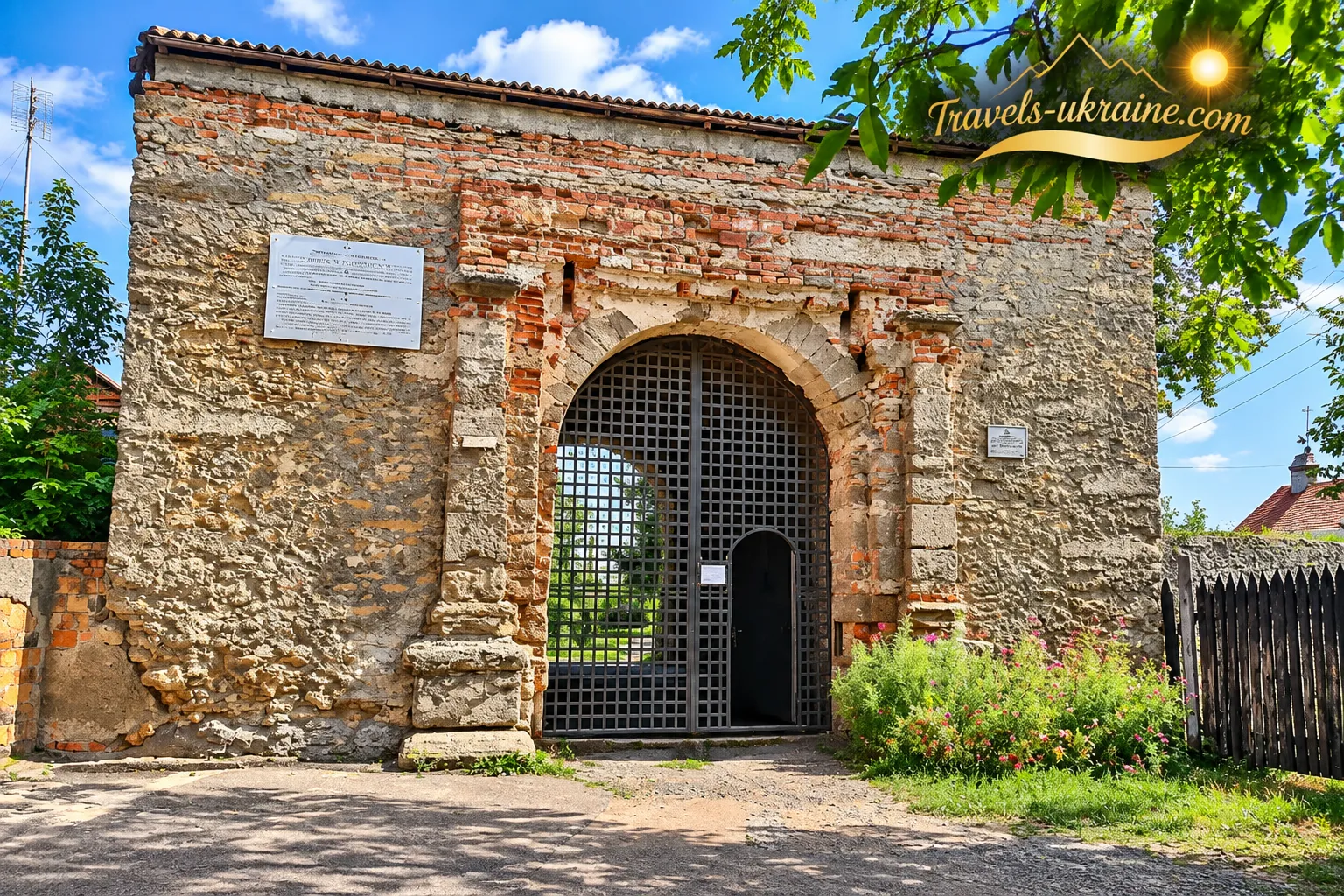
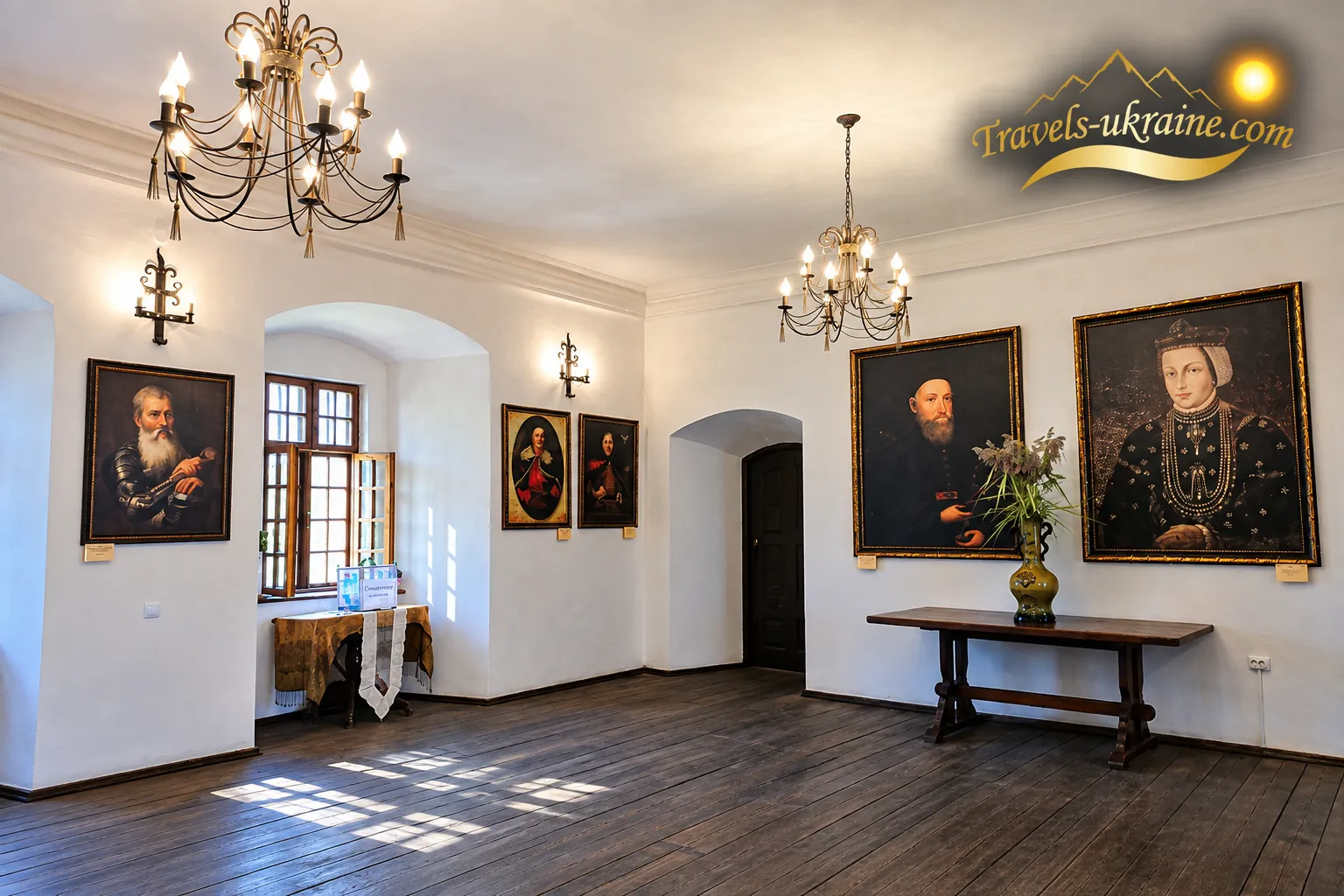
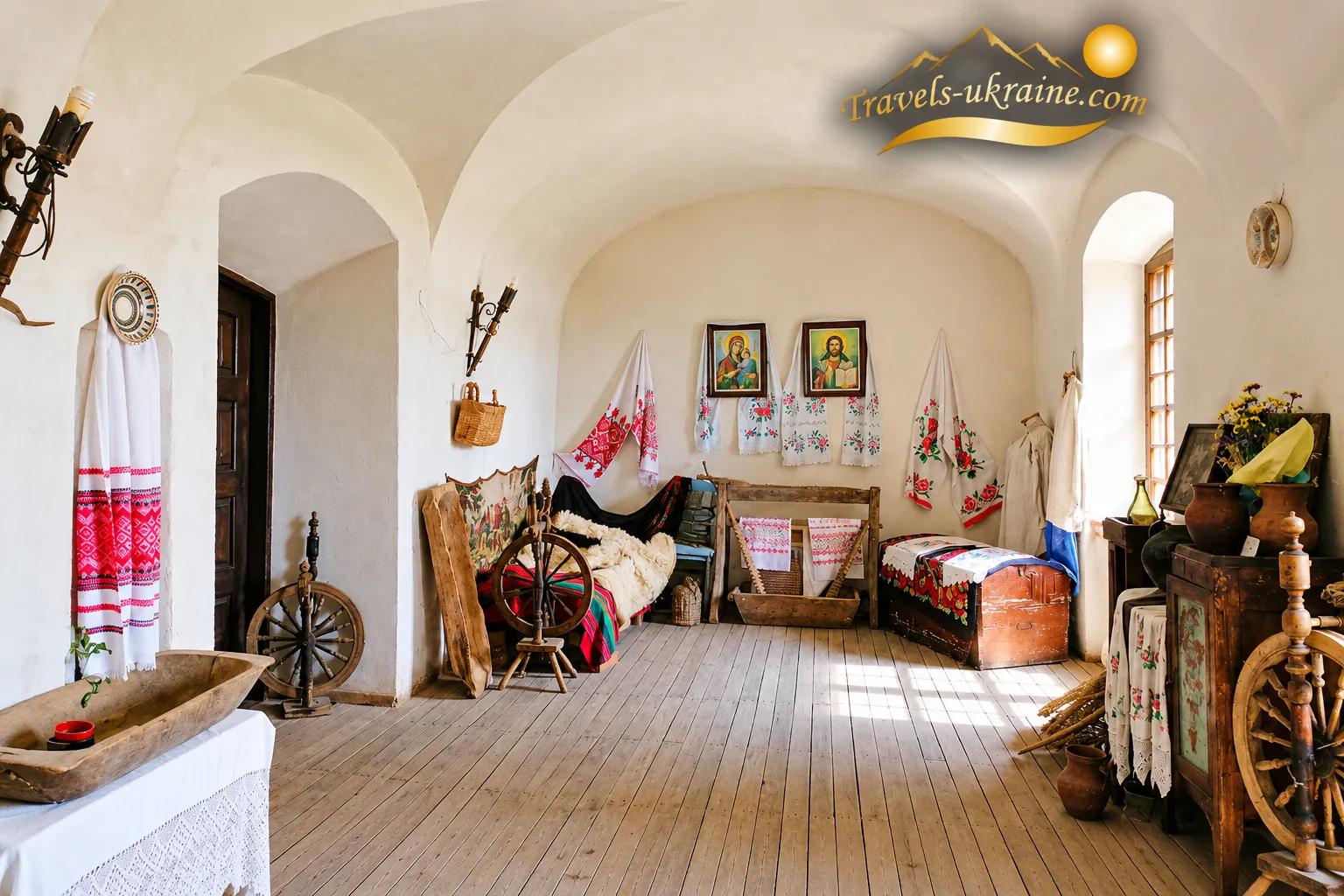
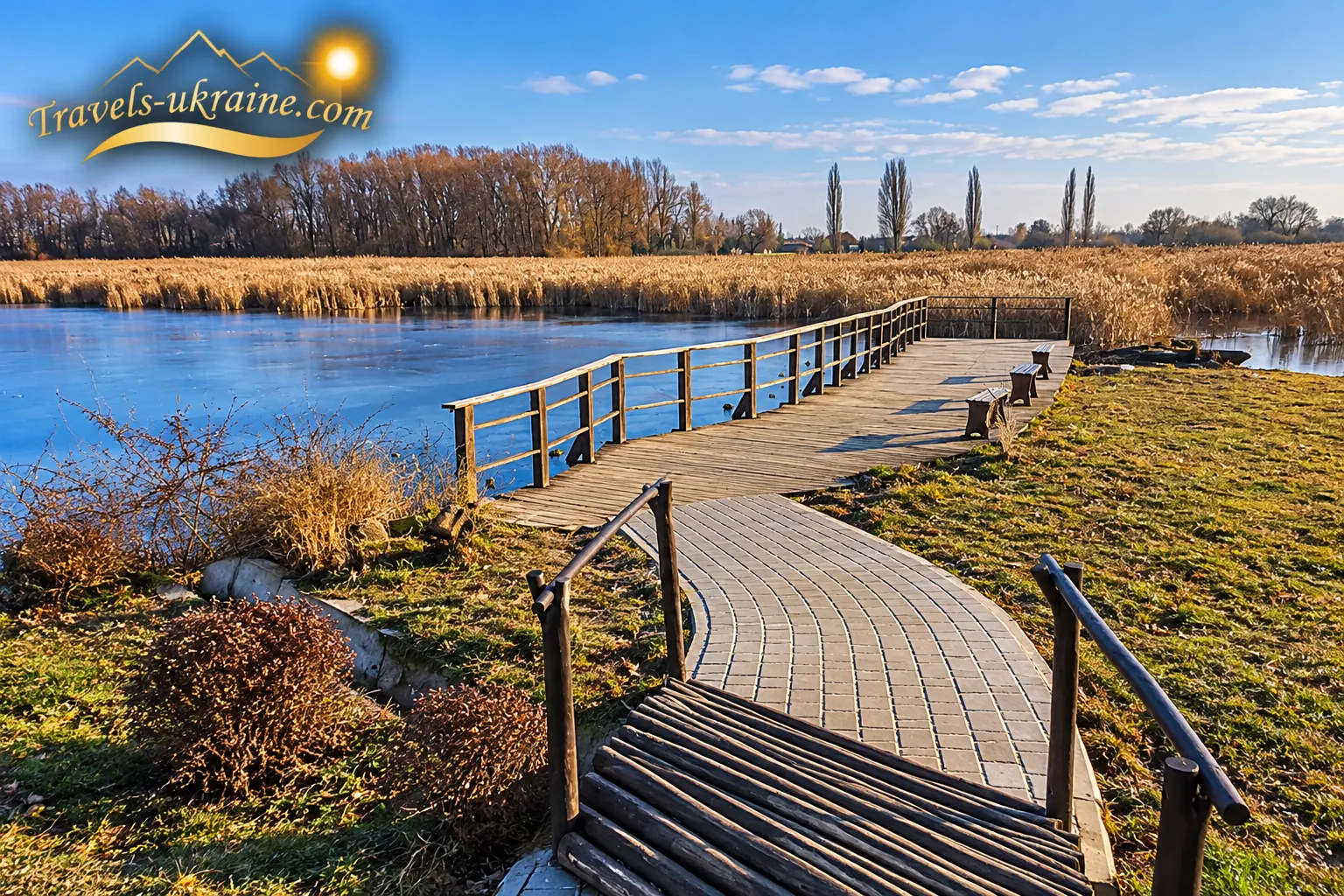
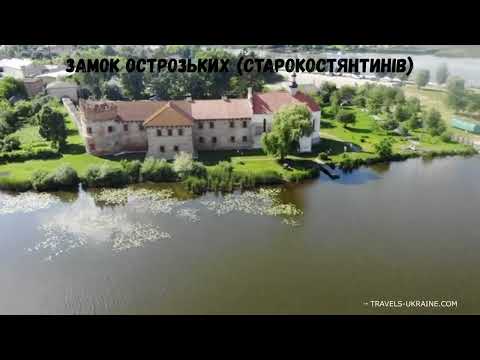
History of Starokostiantyniv Castle: The Fortress of the Ostrozky Princes
The history of Starokostiantyniv Castle did not begin with a prince simply wishing to decorate his estates with another beautiful residence. In the 16th century, thick defensive walls, a strategic location, and the ability to spot an approaching enemy in advance were far more valuable in this part of the world. The romantic image of castle life that we so readily imagine today often came down to a very practical question for the people who actually lived here: would the fortifications withstand the next attack?
The central figure in the history of what would become Starokostiantyniv was Prince Vasyl-Kostiantyn Ostrozky, one of the most influential members of the Ostrozky princely family. During the second half of the 16th century, a new fortified urban settlement began to take shape here under his initiative. The construction of the town and its defensive system was an ambitious undertaking, with the castle forming the strongest part of a much larger network of fortifications.
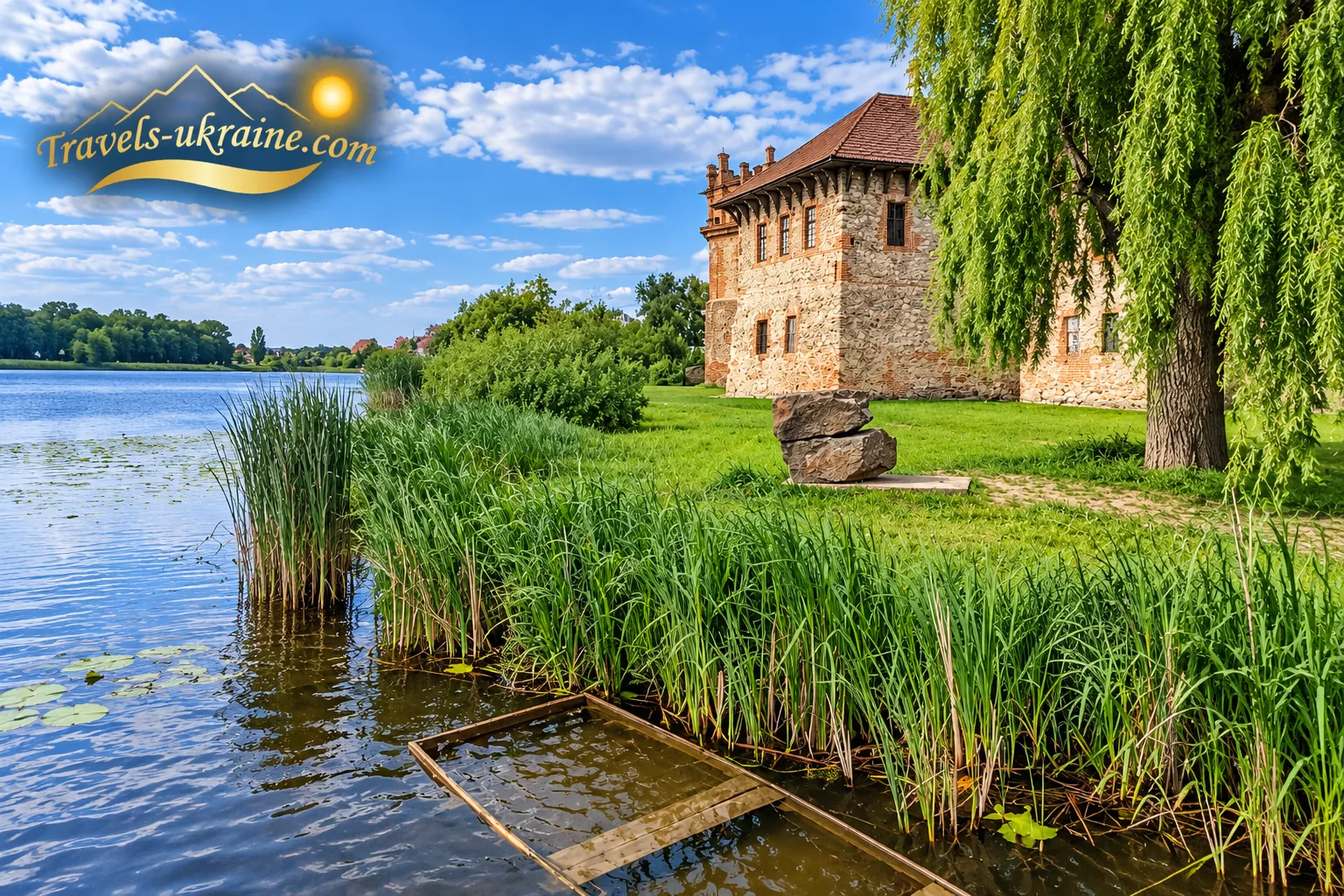
The location was chosen with remarkable care. The castle was built on a headland at the confluence of the Sluch and Ikopot rivers. Water protected it on two sides, while artificial fortifications strengthened its defenses on the town-facing side. In the 16th century, people viewed such scenery rather differently from modern tourists. Today, a river beside a castle makes a wonderful setting for photographs. Back then, it was also a fairly convincing argument against unwelcome visitors. According to historical accounts, the castle and the main town fortifications had already been completed by 1571. The town was surrounded by earthen ramparts, defensive structures, and stone towers, with a moat running along the outer defensive line. Entry was possible through several fortified gates. The stone castle itself occupied a strategic position at the meeting point of the two rivers and was intended to serve as the final major defensive stronghold if the outer fortifications were breached.
In other words, this was not simply a separate palace surrounded by high walls. The castle of the Ostrozky princes functioned as an integral part of the town's entire defensive system. This is worth remembering when looking at the surviving structures today: modern visitors see only a fraction of a much larger and carefully planned fortification complex.
Why Starokostiantyniv Needed Such Powerful Fortifications
The reason had nothing to do with decoration. This part of the Ukrainian lands regularly suffered from military campaigns and Tatar raids, making a well-fortified town extremely important for the surrounding region. The defensive system of Kostiantyniv proved effective. Historical accounts emphasize that, once the main fortifications had been completed, the town successfully resisted Tatar attacks. Even the large-scale military campaign of 1618 failed to capture the fortified town by assault.
The castle was prepared for more than just a brief confrontation. Inventories of its weapons and supplies from the first half of the 17th century reveal a genuine military stronghold. Cannons, hundreds of firearms, ammunition, and substantial food reserves were stored here. In other words, the castle's storerooms were a little more serious than the contents of a modern traveler's backpack.
The Castle as a Princely Residence and Center of Town Life
At the same time, it would be wrong to reduce the role of Starokostiantyniv Castle to military defense alone. It also served as a princely residence and an important center of the town's administrative life. The complex included residential buildings, service structures, defensive facilities, and religious buildings. This combination of functions explains the castle's unusual character: its inhabitants needed a place where they could live, manage their estates, store provisions, worship, and remain prepared to defend themselves — all within the same fortified complex.
Meanwhile, the town itself continued to develop around the fortifications. Kostiantyniv stood along important routes and grew into a center of crafts and trade. Its powerful defensive system offered residents something that was particularly valuable during the turbulent 16th and 17th centuries — at least a relative sense of security.
From Military Fortress to Historical Landmark
Over the centuries, both the town and the castle underwent significant changes. As military technology advanced, the old fortifications gradually lost their original importance. Some structures were rebuilt, others were adapted for different purposes, and still others disappeared altogether. The Starokostiantyniv Castle that survives today looks considerably different from the fortress known to Prince Ostrozky and his contemporaries.
And this is where things become particularly interesting for modern travelers. Standing within the castle grounds, it is relatively easy to identify individual historic structures. What is much harder is imagining the entire defensive system of Starokostiantyniv in the 16th and 17th centuries: the town's earthen ramparts, moat, fortified gates, towers, armed guards, and the castle at the meeting point of two rivers serving as the final line of defense.
So, before moving on to the next section, it is worth trying a simple exercise in imagination: mentally remove the modern town from the surrounding landscape. Leave the rivers, earthen fortifications, and towering walls in place, then travel back several centuries and add the looming threat of another enemy attack to the scene. Suddenly, it becomes much easier to understand why Prince Ostrozky needed such a formidable fortress here.
Now, let us take a closer look at Starokostiantyniv Castle through the eyes of a modern visitor. What remains of this once extensive defensive complex? Which buildings deserve a closer look? And which architectural details reveal the castle's history more vividly than any textbook ever could?
What to See at Starokostiantyniv Castle
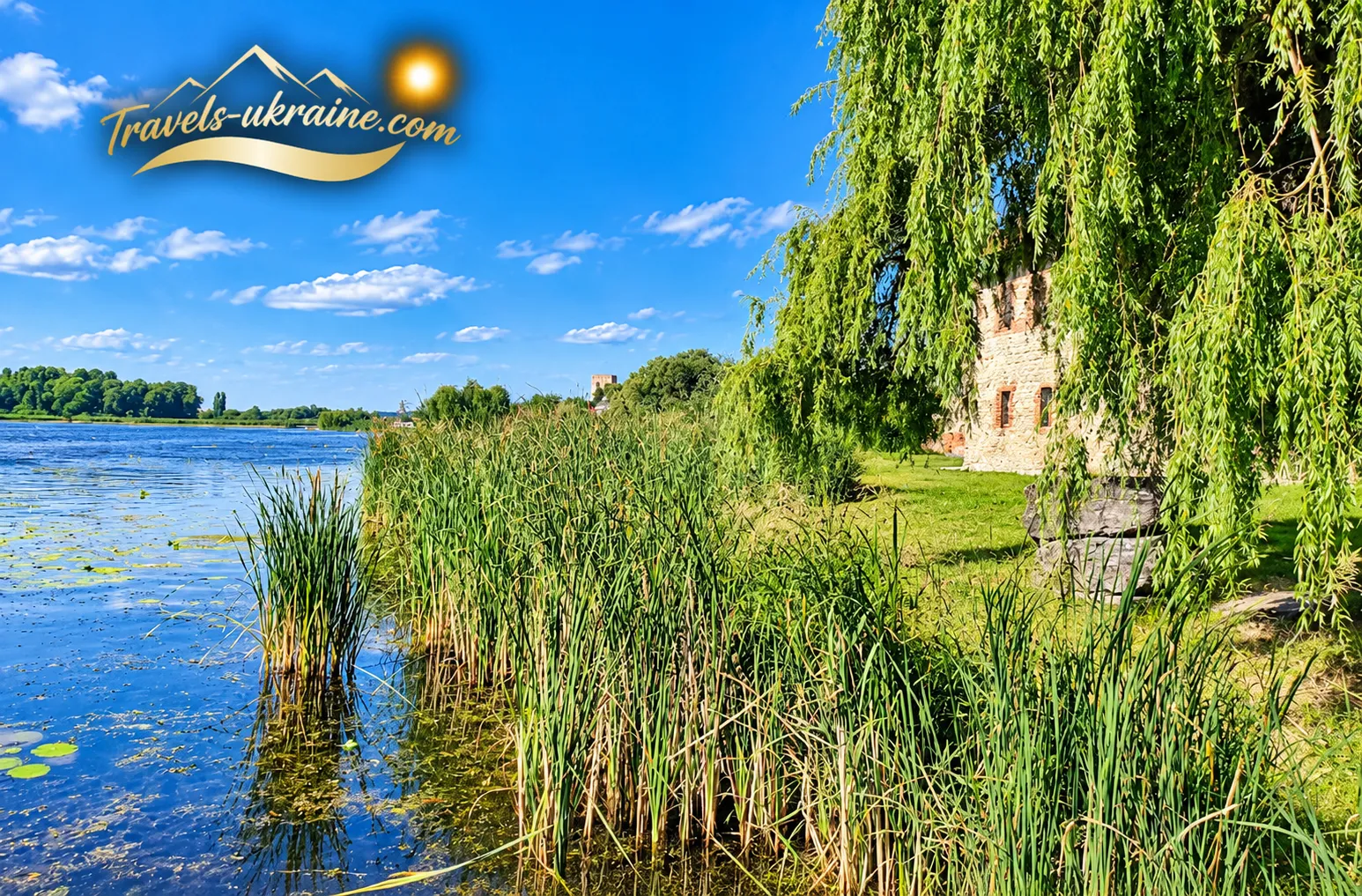
Your first encounter with Ostrozky Castle may come as a bit of a surprise. If your imagination has already conjured up an enormous fortress with a dozen towers, crenellated walls, and, of course, a dragon hovering above the main gate, you can forget about the dragon straight away. Only part of the once extensive fortification system has survived, too. Yet these remaining structures reveal far more than you might expect at first glance.
The secret to exploring the castle is simple: do not judge it solely by the size of the surviving buildings. The complex you see today represents just a fragment of what was once a much larger defensive system protecting Starokostiantyniv. Rather than simply photographing old walls, try to "read" the architecture itself. Where did the owners live? From which positions could the defenders monitor approaching enemies? How did they use the rivers as natural barriers? And why did some buildings serve several purposes at once?
The Princely Palace — The Heart of the Castle Complex
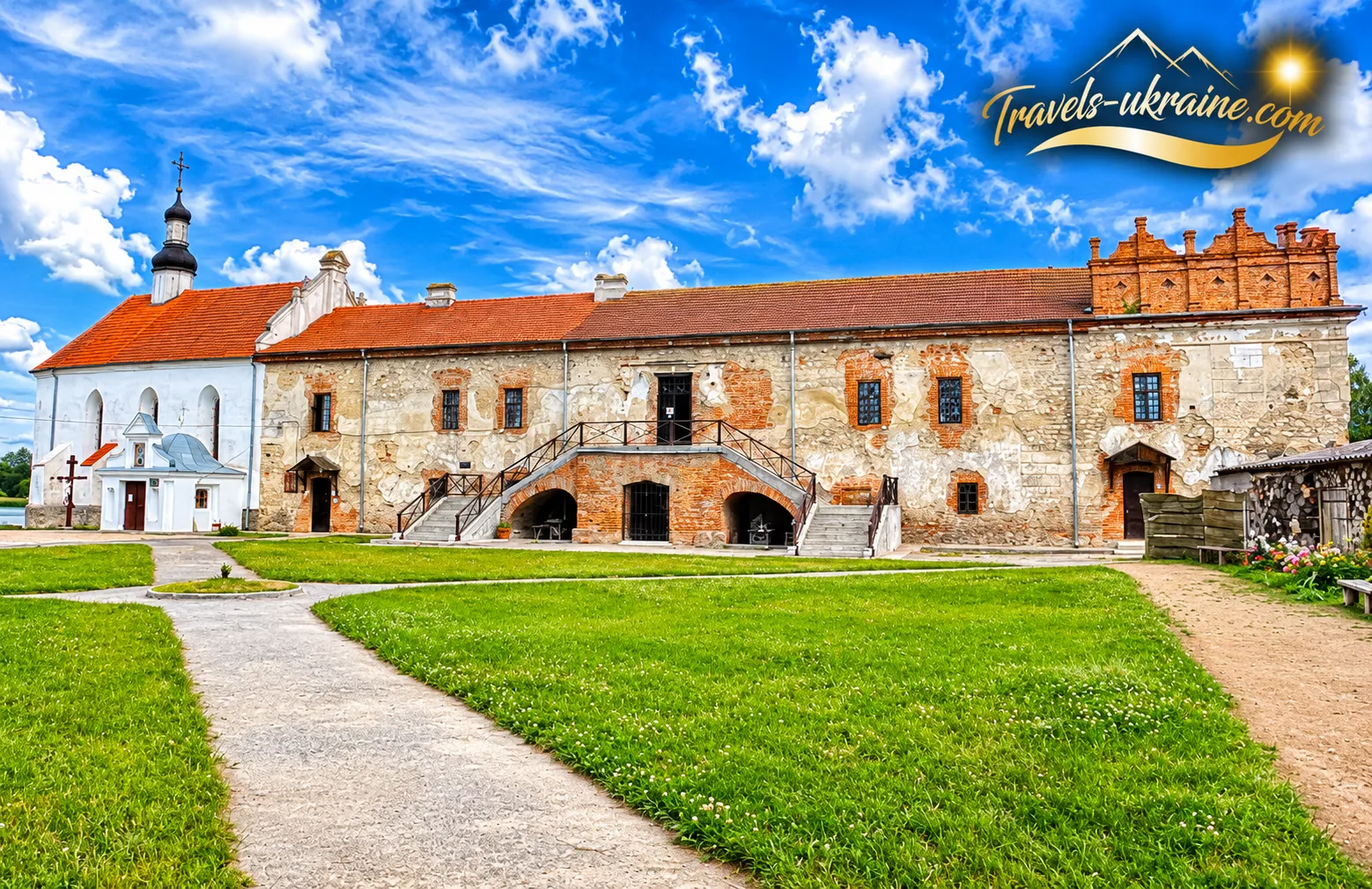
One of the main buildings worth exploring is the princely palace. The residential quarters remind us that the castle was much more than a military stronghold. It was also the residence of its owners, which meant that everyday life continued behind those thick walls. Guests were received, household affairs were managed, possessions were stored, and decisions concerning the surrounding estates were made here.
The building's exterior lacks the extravagant luxury that visitors might associate with the word "princely." And that is precisely one of the fascinating features of Starokostiantyniv Castle's architecture. The residence formed part of a defensive complex where practicality mattered just as much as comfort. In a dangerous frontier region, an elegant balcony was probably far less important than a wall capable of surviving the next attack.
The Defensive Tower — Where Architecture Becomes More Than Decoration
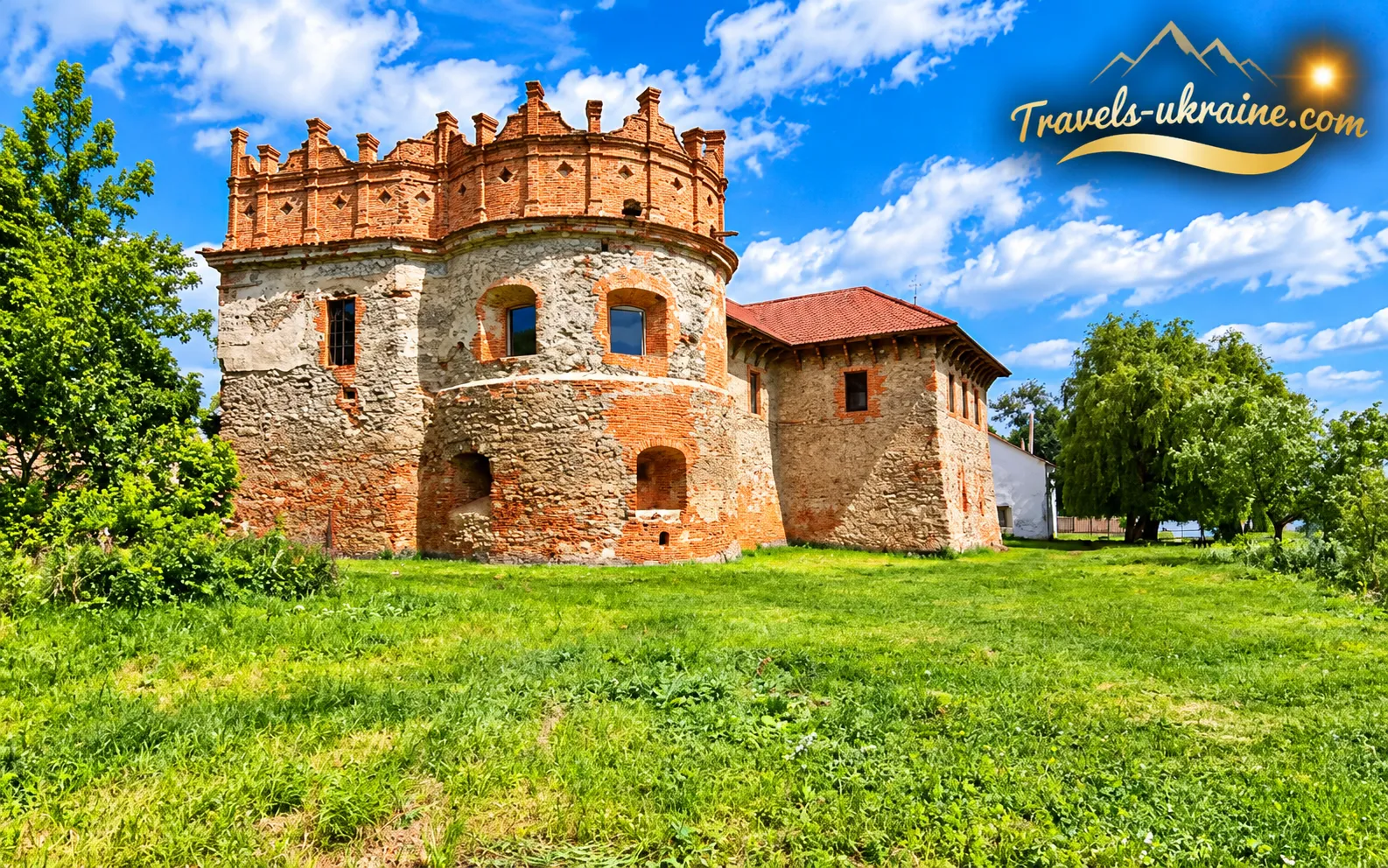
Next to the palace, the defensive tower of Starokostiantyniv Castle deserves particular attention. Structures like this offer some of the clearest clues to the complex's original purpose. The tower was not an ornamental addition to the facade but an essential part of a fortification system designed for genuine military defense.
Take a closer look at the thickness of the walls, the positioning of the openings, and the overall shape of the structure. What seems like an interesting architectural detail to a modern visitor had a very specific military purpose several centuries ago. Many features of old fortresses work this way: a tourist sees an attractive opening in a wall, while a 16th-century defender would have seen a convenient position from which to greet unwelcome visitors.
The Castle Church — One of the Most Fascinating Parts of the Complex
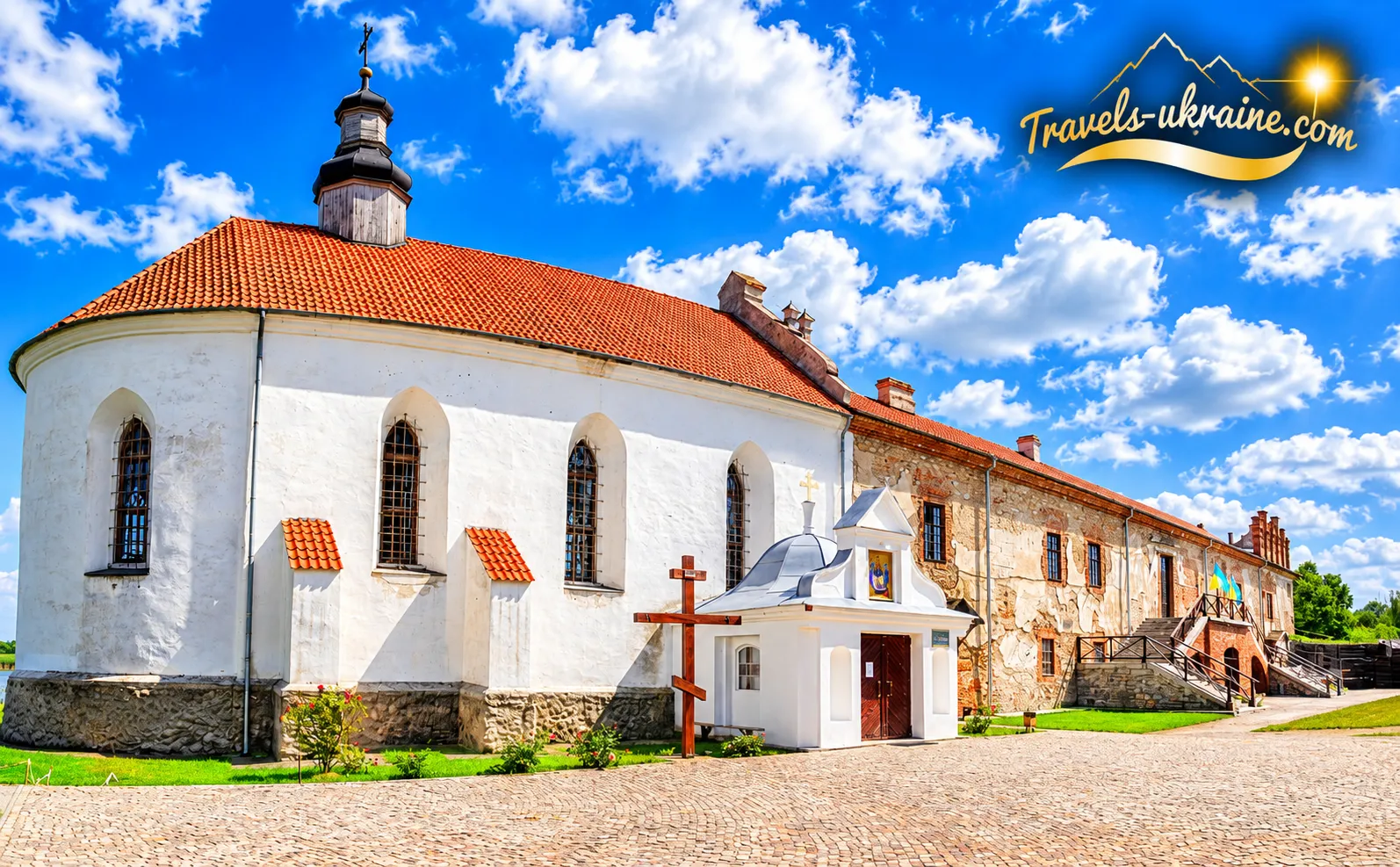
The castle church occupies a special place within the architectural ensemble. The combination of a religious building and defensive architecture perfectly reflects the character of the era. The castle complex had to support every aspect of life behind its fortified walls, from daily routines and administration to military defense and religious worship.
That is why the church is best appreciated as part of the entire ensemble rather than as an isolated building. Its proximity to defensive structures may seem unusual today, but religious spaces were a natural feature of fortified residences during that period. Pay attention to the church's location and how it relates to the other parts of the castle. It is through details like these that Ostrozky Castle in Starokostiantyniv tells its story far more vividly than a plaque displaying a few dates near the entrance.
The Castle Walls and Traces of the Old Defensive System
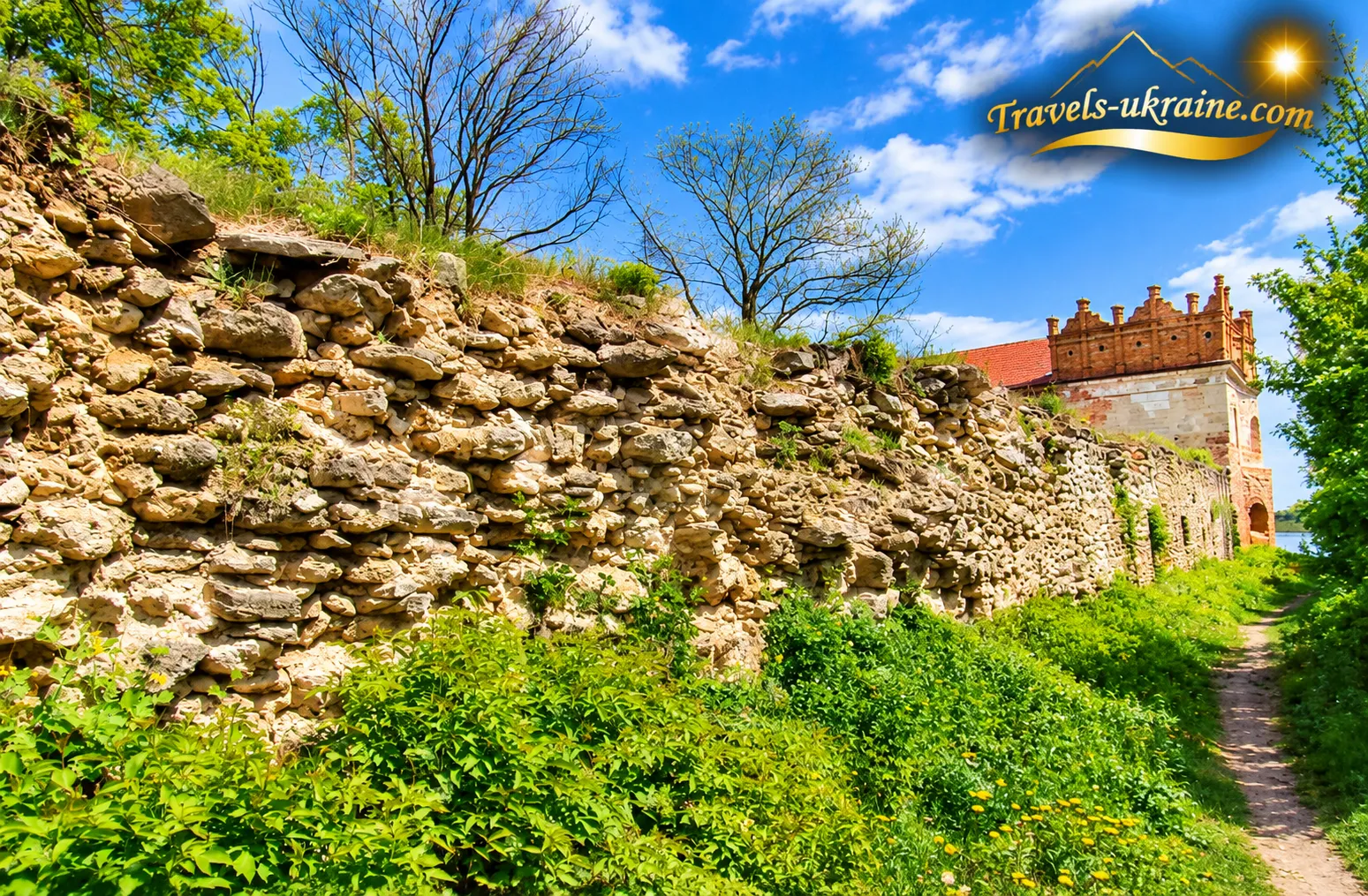
One of the most common mistakes when visiting historic fortresses is focusing exclusively on the largest building. In Starokostiantyniv, it is worth doing the opposite. After exploring the main structures, turn your attention to the remains of the walls, surviving defensive elements, and the natural contours of the surrounding terrain. The castle was once connected to a much wider system of town fortifications. A significant portion of that system has disappeared, so modern visitors will need to use a little imagination. Where peaceful streets, roads, and residential neighborhoods stand today, there were once defensive lines, earthen ramparts, a moat, towers, and fortified town gates.
And this is where the visit becomes even more interesting. Instead of looking at "a few old buildings," you begin to see the surviving remnants of an extensive fortification system that time has literally dismantled piece by piece.
The Sluch and Ikopot Rivers — Natural Defenses of the Castle
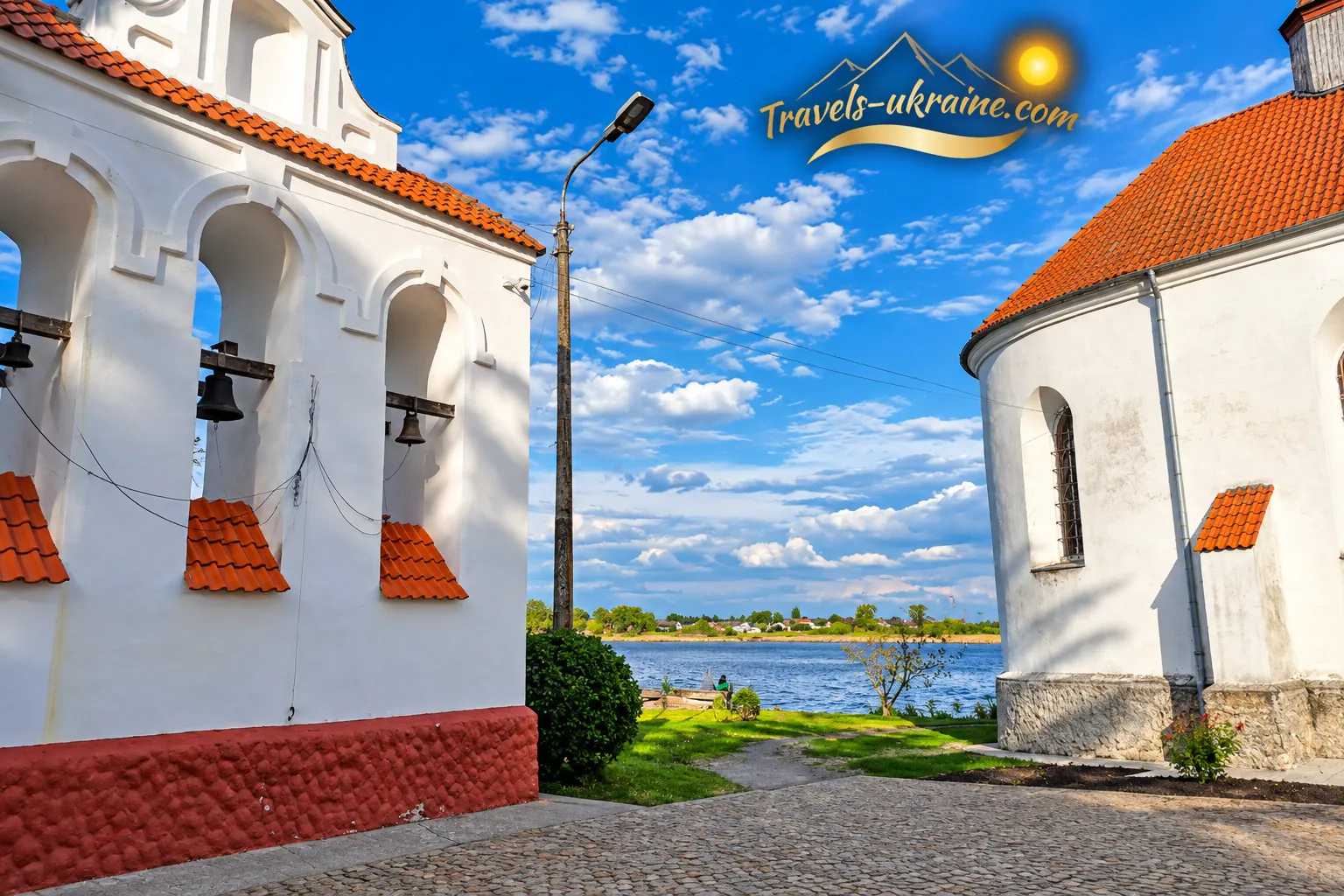
To truly understand the architecture of Starokostiantyniv Castle, you need to look beyond the buildings themselves and examine their surroundings. The castle's location at the confluence of the Sluch and Ikopot rivers was one of the key elements of its defensive design. The rivers formed natural obstacles that made approaching the fortifications considerably more difficult. Today, they play a completely different role, adding a sense of space and tranquility while providing beautiful settings for photographs. It is quite an ironic career change: what once made life difficult for attackers now helps tourists capture stunning pictures.
After exploring the inner part of the complex, it is therefore worth stepping back and viewing the castle together with the surrounding landscape. From this perspective, the strategic logic behind the choice of location becomes much easier to appreciate.
Where to Find the Best Photo Opportunities
For photography, try viewing the castle from several different directions. Up close, you can capture the texture of the historic masonry and intricate architectural details. However, the overall character of the castle becomes much more apparent from a distance, when the rivers and surrounding landscape enter the frame.
Do not limit yourself to a single obligatory photograph in front of the facade. Explore the grounds, walk around the buildings, and observe them from different angles. In the morning and toward evening, the lower sunlight highlights the uneven surfaces of the old stonework, giving the walls greater depth and definition. And if, after taking your twentieth photograph, you suddenly realize that ten of them look almost identical, congratulations — you have officially explored the castle like a true tourist.
Most importantly, do not try to see everything in five minutes. Starokostiantyniv Castle and Princely Residence is fascinating precisely because of its details and historical context. The palace, defensive tower, castle church, surviving fortifications, and two rivers together form a much richer picture than any of these features could provide on their own.
Once you have explored the architecture, some very practical travel questions naturally arise. How much time should you allow for a visit? What facilities are available? Is it convenient to arrive by car? And what tourist infrastructure can you find nearby? That is exactly what we will cover next.
Starokostiantyniv Castle: Practical Information for Visitors
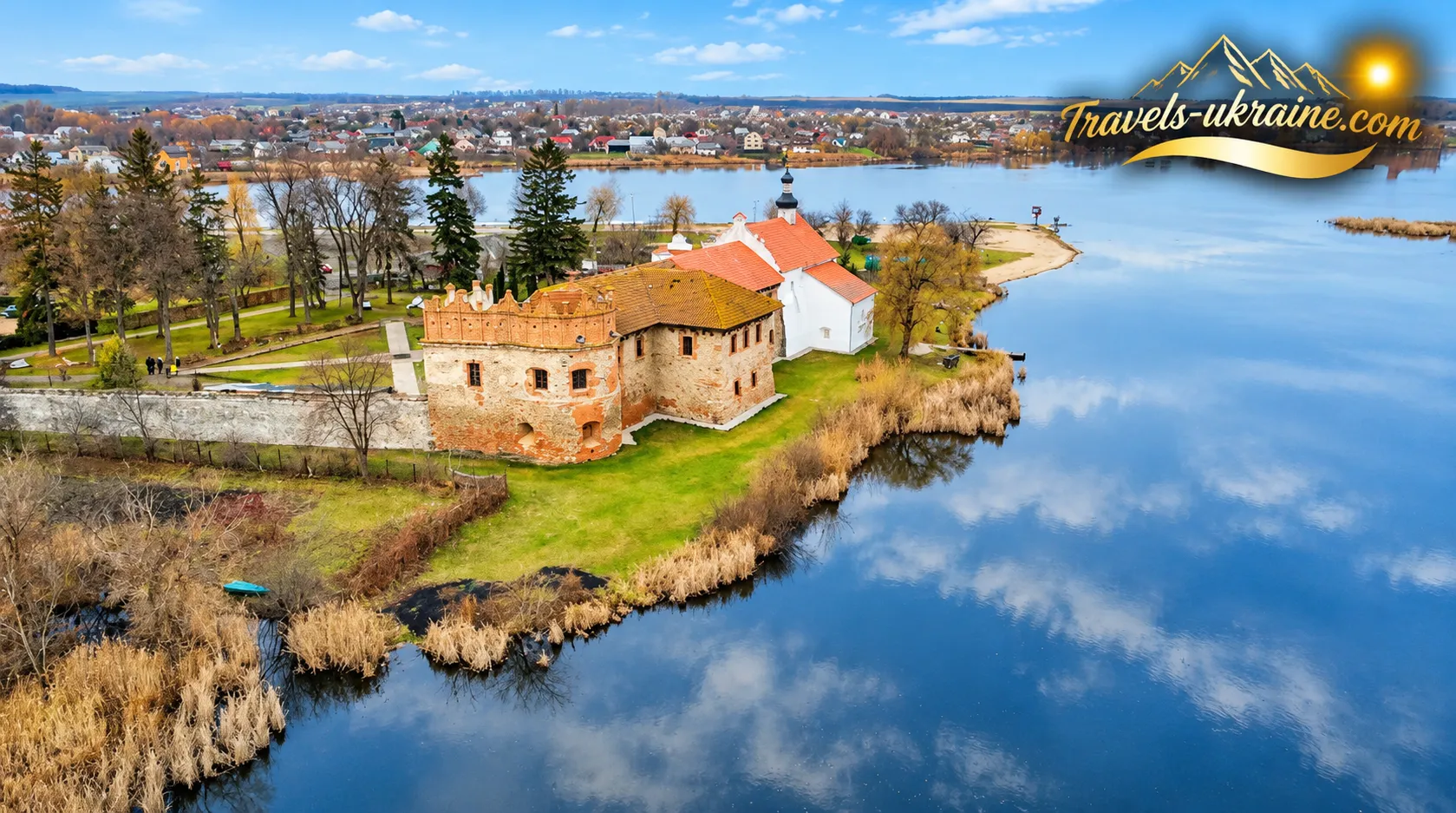
After learning about the castle's history, towers, and ancient walls, there comes a moment when every traveler's inner planner takes over. How much time should you spend at Starokostiantyniv Castle? What else is there to see? Where can you park your car? And is it worth setting aside half a day for the visit? The good news is that exploring the castle can easily fit into either a short stop along your journey or a more leisurely tour of Starokostiantyniv.
The castle complex is located within the town itself, so getting here does not require an expedition involving a search for the final three kilometers of road somewhere between a field and a forest. Ordinary urban facilities are close at hand, and after visiting the castle, you can continue exploring the town. If your main goal is simply to see Starokostiantyniv Castle, admire the buildings from the outside, and take a few photographs, allow approximately 30–60 minutes. However, this is one of those places where rushing offers little advantage. You could certainly tick "visited" off your list in ten minutes, but you would hardly come away with a much deeper understanding of the castle.
For a relaxed exploration of the architecture and grounds, taking photographs, and enjoying a walk near the rivers, it is better to allow around 1–1.5 hours. If a guided tour is available or an exhibition is taking place inside, you will need additional time. And if you also plan to explore other attractions in Starokostiantyniv, consider setting aside several hours or an entire half-day for the town.
Exploring the Grounds and Accessibility
Visiting the castle complex does not involve a demanding hiking route or require any special physical preparation. This is an urban historical attraction, not a mountain expedition, so you can save your trekking boots, three days' worth of provisions, and the ability to navigate by moss growing on trees for another adventure. Nevertheless, remember that this is a historic site. You may encounter uneven surfaces, steps, and areas that are less comfortable to navigate than a modern museum. Comfortable everyday footwear will be far more practical than shoes chosen purely to look good in photographs.
For visitors with limited mobility, access to certain parts of the complex may depend on the condition of the pathways and whether individual rooms are open. If you require a step-free route or are planning to visit with a stroller, it is best to check the current accessibility conditions before your trip.
Parking and Arriving by Car
Since the castle is located within Starokostiantyniv, reaching it by car does not require traveling far beyond the town limits. Look for designated or legally permitted parking areas near the complex, making sure not to block access roads or pedestrian pathways. For travelers exploring the region by car, this location is particularly convenient because it can easily be included in a broader travel itinerary through Khmelnytskyi Oblast. There is no need to spend half the day simply reaching the attraction: arrive, park your car, explore the castle, and continue your journey.
Guided Tours and Independent Visits
You can explore the castle independently, especially if you have familiarized yourself with its history beforehand and understand the original purposes of its main structures. However, this is precisely the kind of historical site where a guided tour can make a considerable difference to the experience. Much of the original fortress has not survived, and without explanations, it is not always obvious how the individual buildings were connected or just how extensive the old defensive system once was.
If you would like to enter the interior rooms, join an organized guided tour, visit an exhibition, or attend another event, be sure to check the current opening hours and availability of specific areas before your visit. At historical complexes, access arrangements and opening times for individual buildings may change.
Interesting Facts and Legends of Starokostiantyniv Castle
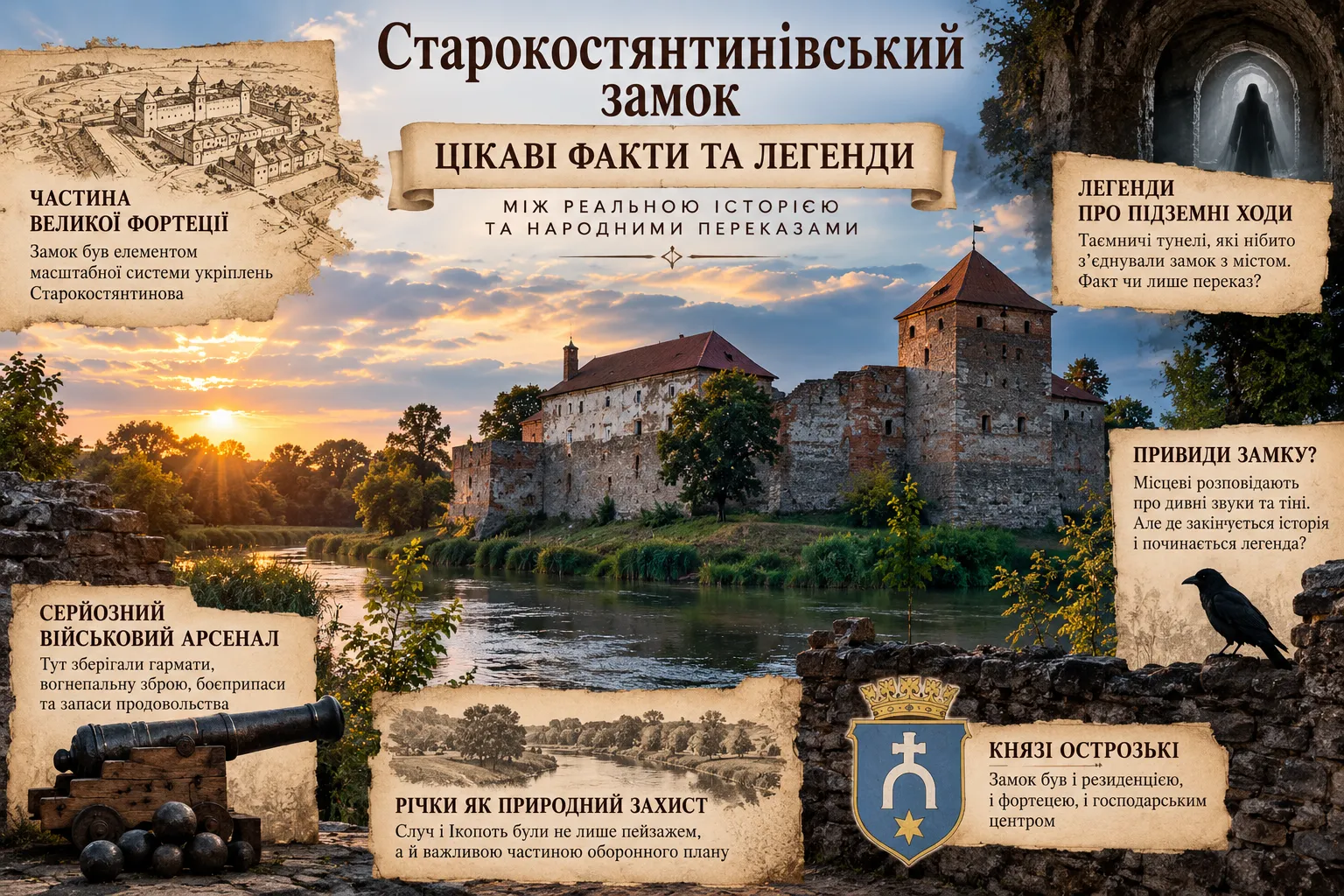
Old castles have one remarkable quality: whenever historical documents run out of details, legends are always ready to fill in the gaps. Starokostiantyniv Fortress is no exception. Over the centuries, its history has accumulated countless stories, theories, and local traditions in which real events sometimes become so closely intertwined with popular imagination that separating one from the other without historical sources is no easy task.
So, let us establish one thing from the beginning. First, we will explore several interesting facts about Starokostiantyniv Castle that help explain its authentic history. Then we will venture into the territory where historical records end and legends begin. After all, a castle without a legend is still a castle, of course, but something would definitely be missing from the visitor's experience.
The Castle Was Only Part of a Much Larger Fortress
Today, the surviving castle complex near the Sluch and Ikopot rivers attracts most of the attention. However, during the 16th and 17th centuries, the defenses of Starokostiantyniv extended far beyond these buildings. The castle formed a central part of an extensive system of town fortifications that included earthen ramparts, a moat, towers, and fortified gates. This is why the castle's present-day appearance can be somewhat misleading. Judging it solely by what remains today makes it difficult to imagine the true scale of the original defensive system. In fact, visitors are looking at a fragment of a once heavily fortified town whose defensive structures have largely disappeared over the following centuries.
The Rivers Were Part of the Defensive Plan, Not Just the Scenery
The location of the historic complex in Starokostiantyniv, near the confluence of the Sluch and Ikopot rivers, was far from accidental. The waterways created natural obstacles along the approaches to the fortress and complemented its artificial defenses. Today, we look at the water and think, "Oh, that would make a great photograph!" A 16th-century castle builder probably looked at the very same spot and thought, "Oh, that would make things rather difficult for an attacking army." Same location, but travel priorities have changed a little over the centuries.
The Castle Housed an Impressive Military Arsenal
The castle's defensive importance is confirmed not only by its architecture. Historical inventories of castle property reveal that it stored cannons, handheld firearms, ammunition, and substantial food supplies. This was a fortress designed to withstand genuine military threats, not merely a symbolic princely residence with a few guards standing beside the gates.
These supplies were intended to help the garrison and residents endure dangerous periods and defend themselves in the event of an attack. So, while a fully charged power bank might be the most strategic item in a modern traveler's backpack, a 17th-century list of essentials would have been considerably more formidable.
Starokostiantyniv's Fortifications Had a Reputation for Strength
The town's powerful defensive system was built for good reason. Starokostiantyniv repeatedly faced the threat of Tatar raids, but its fortifications enabled the defenders to put up serious resistance. Historical accounts frequently mention the events of 1618, when a large Tatar force was operating in the region, yet the fortified town of Starokostiantyniv could not easily be captured by assault. For modern visitors, this is an important detail. These are not simply old buildings that happened to age beautifully. They were part of a defensive system whose effectiveness was tested by something considerably more dangerous than historical reenactments.
The Legend of Starokostiantyniv Castle's Underground Passages
Now we can venture into territory where historians begin choosing their words more carefully, while tourists tend to listen much more attentively. One of the most enduring themes associated with old fortresses is the existence of secret underground passages. Starokostiantyniv has its own version of this legend. Local stories mention underground chambers and tunnels that supposedly connected the castle to other parts of the fortified town or allowed its inhabitants to escape in times of danger. Such tales are common around ancient defensive complexes. In popular imagination, a secret tunnel is almost as essential to a castle as a tower or a thick stone wall.
However, these stories should be treated as local legends unless the precise routes, purposes, and dates of the supposed underground structures have been confirmed through archaeological and documentary research. So, we would not recommend searching for a secret exit beneath the nearest stone — especially if the castle staff happen to be watching.
Are There Ghosts at Starokostiantyniv Castle?
Now things get even more intriguing. Almost every old castle eventually acquires its own stories about strange noises, mysterious shadows, ghostly figures, or former residents who apparently never quite accepted that their era had come to an end. Various supernatural tales also surround the historic buildings of Starokostiantyniv. However, there is no reliable historical evidence that would justify declaring the castle an official residence for ghosts. Stories about mysterious inhabitants are best left where they belong — in folklore, tourist tales, and conversations after dark.
Still, if you suddenly hear an unusual sound while exploring the old castle walls, do not get too excited about meeting Prince Ostrozky himself. First, check whether it might be the wind, a bird, or another tourist on the opposite side of the wall. A medieval ghost certainly makes for a more dramatic explanation, but it should probably not be the first possibility on your list.
Where Historical Facts End and Legends Begin
It is precisely the combination of documented history and traditional storytelling that makes old fortresses so fascinating. Historical facts help us understand how the people of Starokostiantyniv lived and defended their town, while legends reveal how later generations remembered and reinterpreted its past. There is no need to dismiss the legends of Starokostiantyniv Castle simply because they lack documentary confirmation. We should just be careful not to confuse the labels: a historical fact remains a fact, while a captivating legend remains a captivating legend. And sometimes the latter proves even more memorable than the former.
But the castle's story did not end with the princes, cannons, and old town ramparts. Today, the historic complex has taken on a completely different role. It can serve as a venue for exhibitions, guided tours, cultural activities, and special events. In the next section, we will explore the modern life of Starokostiantyniv Castle and discover how this centuries-old landmark continues to play a part in the town's cultural heritage.
Events, Exhibitions, and Cultural Life at Starokostiantyniv Castle
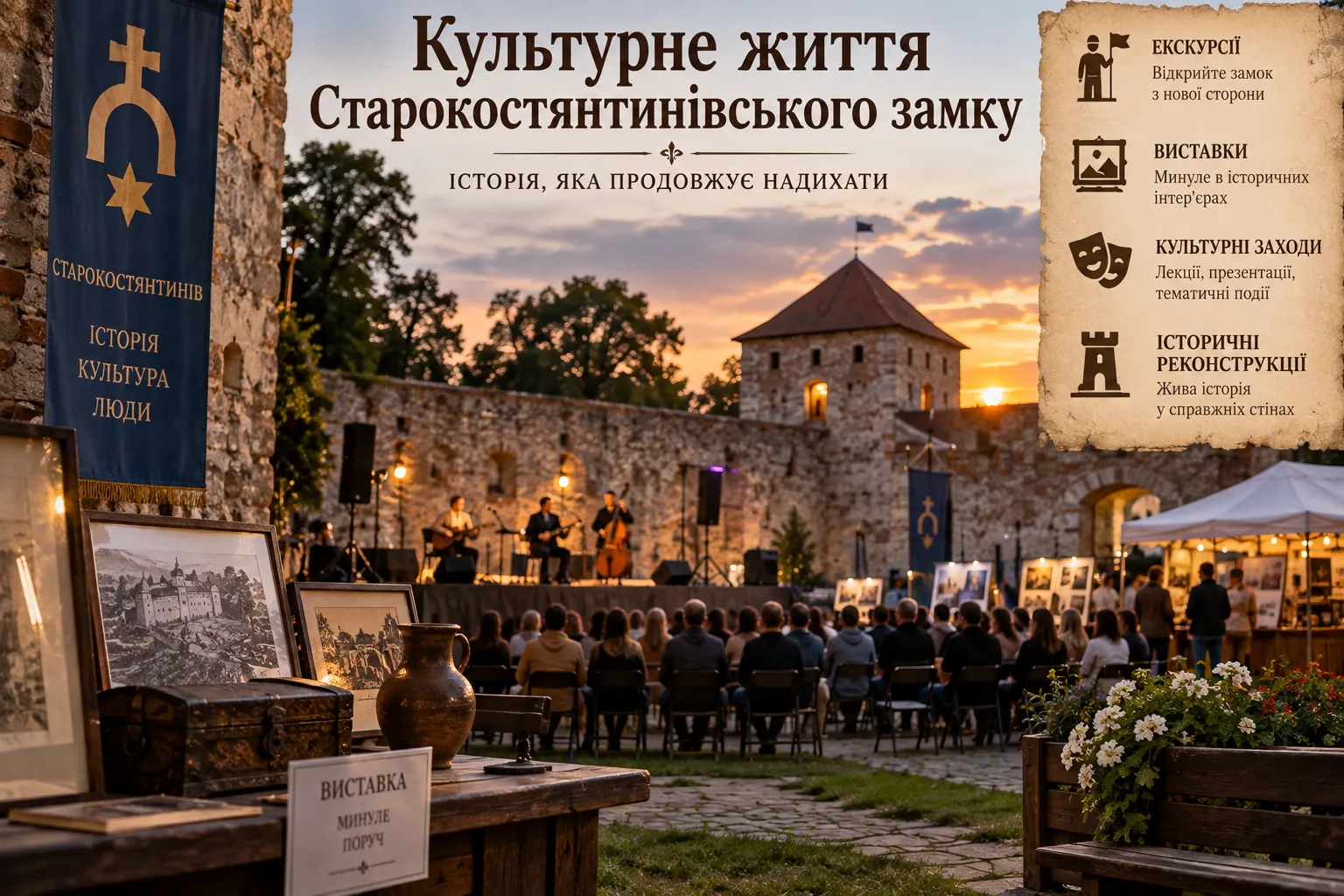
An ancient castle does not have to remain a place inhabited only by history, silence, and tourists with their phones at the ready. The castle complex in Starokostiantyniv continues to play a role in the town's cultural life. Its historic spaces are used for guided tours, exhibitions, themed gatherings, and other cultural and educational activities.
And this is one of the best ways to give historic architecture a new lease on life. After all, there is a significant difference between simply reading a date on an information plaque and hearing the castle's story in the very place where that history unfolded. In this setting, the old walls create a more convincing atmosphere than any purpose-built scenery — although, admittedly, they were never intended to host 21st-century cultural events.
For first-time visitors, a guided tour of Starokostiantyniv Castle can be particularly rewarding. Exploring independently allows you to appreciate the architecture at your own pace, but a knowledgeable guide can reveal details that are easy to overlook. This is especially important here, as only part of the original defensive complex has survived. When a guide explains where the fortifications once stood, how the buildings were connected, and what the original castle might have looked like, the missing structures gradually begin to take shape in your imagination. So, even if you have already read about the castle's history before your trip, a guided tour may still reveal plenty of fascinating details.
Exhibitions in Historic Interiors
Exhibitions and special displays add another dimension to the castle's cultural life. A historic setting can completely change the way visitors experience an exhibition. Photographs, documents, historical artifacts, and works of art displayed among centuries-old walls create a very different impression from those presented in a conventional modern gallery. Exhibition themes may change, so it is worth checking the current program before your visit. Sometimes a temporary exhibition turns out to be an unexpected bonus: you arrive to explore a fortress and discover yet another reason to stay a little longer.
Cultural and Historical Educational Events
A historic landmark provides a natural setting for events dedicated to local and regional history, museum studies, cultural heritage, and traditional customs. Such activities are important not only as entertainment for tourists. They reconnect the castle with the modern life of Starokostiantyniv and remind us that cultural heritage is more than a collection of old buildings to photograph and then leave untouched until the next restoration project.
For visitors, attending one of these events can significantly enrich the experience. Watching a historical reenactment, exploring a themed exhibition, attending a lecture, or joining a special guided tour can be far more engaging than arriving on a day when the only activity is a particularly confident pigeon patrolling the castle courtyard.
Are Festivals and Major Events Held at the Castle?
The castle's cultural events calendar is not fixed. The format, location, and frequency of activities may change. For this reason, it is best not to plan a trip based on an old festival announcement, exhibition listing, or concert advertisement discovered online from several years ago. If your main reason for traveling is a particular event at Starokostiantyniv Castle, be sure to confirm its date, starting time, admission conditions, and exact venue shortly before your departure. This is particularly important for seasonal programs, temporary exhibitions, and events that may require advance registration.
Why You Should Check the Events Calendar Before Visiting
Even if you are planning an ordinary sightseeing visit, spending a few minutes checking upcoming events can be worthwhile. An exhibition or themed guided tour may add something to your itinerary that you would never experience by simply admiring the castle from the outside. At the same time, checking the current schedule can help you avoid the opposite situation: arriving during a major event only to discover that the peaceful walk you had imagined has turned into a crowded gathering or that access arrangements have changed. Travel surprises can be wonderful, but ideally they should involve a beautiful sunset rather than a locked door.
The Ostrozky Princely Residence is fascinating because its story did not end in the 16th or 17th century. The fortress that once protected the town now serves a completely different purpose — helping Starokostiantyniv preserve and share its history. And after exploring the castle itself, a natural question arises: is there anything else worth staying longer in Starokostiantyniv for? Absolutely. So, in the next section, we will venture beyond the castle grounds and discover other interesting places and historical landmarks that can be added to your itinerary nearby.
What to See Near Starokostiantyniv Castle
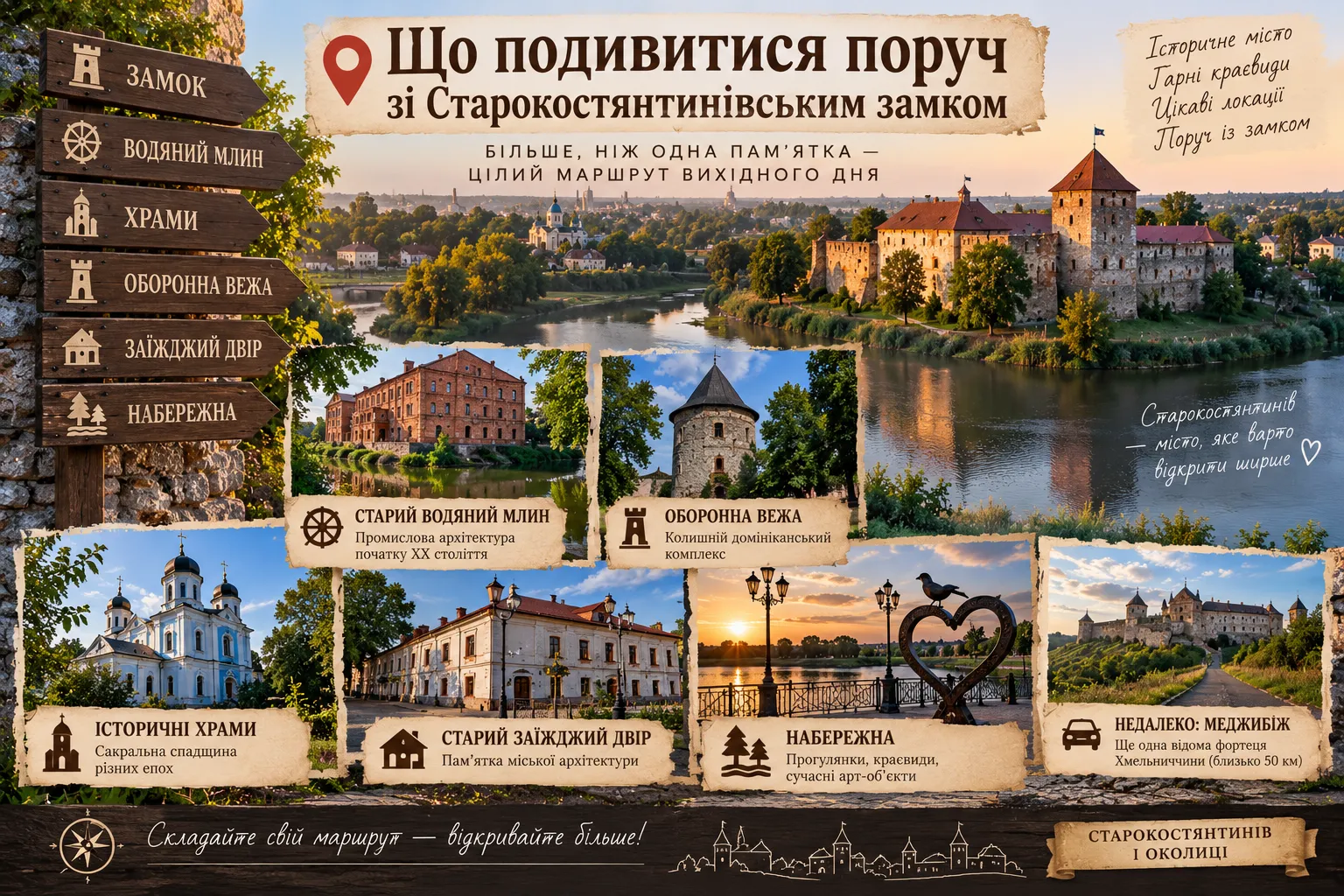
After exploring the castle, there is no need to rush out of Starokostiantyniv. Otherwise, you might fall into a classic tourist trap: traveling to see one famous landmark, photographing it, getting back into your car, and only discovering once you are home that another half-dozen interesting places were just a few minutes away. Of course, the princely residence is the main attraction, but it is far from the only reason to explore the historic part of town. Starokostiantyniv is home to old religious buildings, remnants of defensive architecture, and structures dating from the late 18th to the early 20th century. Along the river, meanwhile, a completely different, more modern space has developed for leisurely walks. So the best approach is simple: instead of immediately entering your next destination into the navigation system, give Starokostiantyniv at least a few more hours of your time.
The Old Watermill — Industrial Architecture Near the Castle
One of the town's most striking buildings can actually be spotted while exploring the castle complex. On the opposite bank of the river stands a large red-brick watermill, built in the early 20th century. Against the backdrop of the much older castle, it looks like a visitor from an entirely different era — and that is exactly what makes it interesting. Just a few minutes ago, you were admiring medieval defensive architecture, and now you are standing before an impressive industrial building from the beginning of the 20th century. That is quite a journey through time for such a short walk.
The mill adds character to the riverside panorama and is particularly appealing to anyone interested in historic industrial architecture or photography. Even if you only admire it from the outside, the building helps reveal another side of Starokostiantyniv. This was not simply a town built around a princely fortress, but a place that continued to grow and develop for centuries after the Ostrozky family.
Historic Churches of Starokostiantyniv
The town's religious architecture also deserves special attention. Among the historical attractions of Starokostiantyniv are churches from different periods that allow visitors to continue their journey through history beyond the castle walls. These buildings are interesting not only to religious travelers. Old churches and former monastic structures offer valuable insights into how the town's architecture evolved over the centuries. After the imposing defensive forms of the castle, the differences between military, residential, and religious architecture become particularly noticeable.
If a church is still in active use, remember that it is first and foremost a place of worship, and only then a tourist attraction. Exploring quietly, avoiding flash photography and loud conversations, and resisting the temptation to organize a photo shoot in the middle of a service are small considerations in exchange for the opportunity to appreciate a historic interior.
The Old Coaching Inn
Among the less obvious but fascinating landmarks in the historic center is the old coaching inn. Buildings like this once played an important role in urban life. Travelers stopped here to rest after long journeys, accommodate their horses, and take care of the same practical needs that modern tourists handle with hotels, parking lots, and restaurants.
The building is particularly interesting as an example of civilian architecture from the late 18th to early 19th century. It lacks the monumental appearance of the castle and can easily go unnoticed if you do not know what you are looking at. Yet it is precisely buildings like this that bring a historic town to life. The fortress tells stories of princes and wars, the churches reveal the spiritual life of the community, and the old coaching inn reminds us of ordinary people who once traveled to Starokostiantyniv just as visitors do today. Of course, instead of GPS navigation, they had roads, horses, and considerably fewer opportunities to leave an angry review about poor service.
Starokostiantyniv Riverside Promenade — From History to a Relaxing Walk
After spending several hours among ancient walls, a change of scenery can be refreshing. The Starokostiantyniv riverside promenade is a pleasant place to conclude your historical sightseeing route with a simple walk by the water. The promenade is known, among other things, for its unusual metal sculptures, which create a striking contrast with princely castles, historic churches, and the old brick mill. But that contrast has its own charm. A town with a rich history does not have to remain frozen in the 16th century. Here, you can take a break after exploring the landmarks, stroll along the water, and finally let your feet know that the day's cultural program is almost complete.
Is It Worth Traveling Beyond Starokostiantyniv?
If you are traveling by car and have more than one day available, Starokostiantyniv makes an excellent addition to a longer journey through the historic sites of Khmelnytskyi Oblast and Volyn. In this case, Ostrozky Castle can serve not as the final destination but as one stop on a wider tour of the region's fortresses and historic towns. One of the most obvious places to continue your journey is Medzhybizh Fortress. Such an itinerary is particularly rewarding for travelers who want to compare several defensive complexes during a single trip and discover how differently military architecture developed across the region.
With more time available, you can extend your route even further, but turning a single day into a driving marathon is not the best idea. Five castles, three towns, and four hundred kilometers in one day may look impressive on a travel itinerary. In reality, by evening, all those fortresses start looking suspiciously alike.
How to Plan a Sightseeing Route Around Starokostiantyniv
For a first visit, half a day is usually enough to get a good impression of the town. A sensible starting point is the castle of the Ostrozky princes. From there, continue to other historic buildings in central Starokostiantyniv, take a look at the old watermill, and finish your route with a relaxing stroll along the river. Do not turn your walk into a competition to see how many landmarks you can tick off a list. Starokostiantyniv is interesting not because it has an overwhelming concentration of tourist attractions, but because several different historical periods can be explored within a relatively compact area.
So, if the question "What is there to see in Starokostiantyniv?" originally brought you here just for the castle, you will probably have a much longer answer after exploring the town. Best of all, this itinerary does not require a three-page expedition plan. All you need is a few hours, comfortable shoes, and a willingness to occasionally wander away from the shortest route.
Starokostiantyniv Castle: Frequently Asked Questions
Where is Starokostiantyniv Castle located?
Starokostiantyniv Castle is located in the town of Starokostiantyniv, Khmelnytskyi Oblast, Ukraine, in the historic part of town near the confluence of the Sluch and Ikopot rivers. Its riverside location was an important element of the fortress's defensive system. The exact address and GPS coordinates are provided in the information section below.
Do you need to buy a ticket to visit Starokostiantyniv Castle?
Access conditions may vary depending on whether you wish to explore the grounds, enter the historic buildings, visit exhibitions, or join a guided tour. If you plan to do more than admire the castle from the outside, it is best to check current admission prices and access arrangements shortly before your visit. This is more reliable than relying on outdated prices found in older travel publications.
When is the best time to visit Starokostiantyniv Castle?
The most comfortable seasons for exploring the castle grounds are generally spring, summer, and early autumn. Photographers will particularly appreciate the early morning and late afternoon, when the angled sunlight highlights the texture of the ancient walls and the nearby rivers add depth to the surrounding scenery. The castle also has a special atmosphere in winter, although cold or unfavorable weather may make extended outdoor walks less comfortable.
What are the must-see attractions at Starokostiantyniv Castle?
The main highlights include the princely residence, surviving defensive structures, castle church, ancient walls, and the fortress's strategic location beside the Sluch and Ikopot rivers. It is worth viewing the complex both up close and from a distance. Seeing the castle together with the surrounding waterways makes it much easier to understand why this particular location was chosen for such an important defensive stronghold.
Is Starokostiantyniv Castle worth visiting with children?
Yes. A visit can become a small historical adventure for the whole family. Children can search for defensive features, towers, and ancient stonework while imagining what the fortress looked like several centuries ago. If you are traveling with younger children, keep in mind that the historic grounds may include uneven surfaces, steps, and other obstacles typical of an old architectural landmark.
What can you see near Starokostiantyniv Castle?
After visiting the castle, continue exploring Starokostiantyniv and discover the old watermill, the defensive tower of the former Dominican complex, historic churches, traditional urban architecture, and the riverside promenade. If you are traveling by car and have additional time, you can extend your journey to other historical attractions in Khmelnytskyi Oblast, including Medzhybizh Fortress.
Can you visit Starokostiantyniv Castle during a road trip through Khmelnytskyi Oblast?
Absolutely. Starokostiantyniv is particularly convenient for travelers exploring the region by car. The castle is situated within the town itself, so reaching it does not require a lengthy hike. It can easily be combined with other regional attractions and included as one of the stops on a themed road trip through the historical landmarks of Khmelnytskyi Oblast.
Is it worth traveling to Starokostiantyniv just to see the castle?
If you are interested in history, castles, and defensive architecture, it is definitely worth considering. However, it is better not to limit your visit to just one attraction. Allow at least half a day to explore Starokostiantyniv. Start with the castle of the Ostrozky princes, continue through the historic center, discover other old buildings, and finish your route with a relaxing walk by the river. This will make your trip far more rewarding than simply arriving, taking a photograph, and leaving.
Is Starokostiantyniv Castle Worth Visiting?
Starokostiantyniv Fortress is not the kind of tourist attraction that tries to impress you with its sheer size from the moment you step out of your car. There are no endless palace halls, dozens of restored towers, or medieval decorations created specifically for tourist photographs. Its true appeal lies elsewhere — in the authenticity of the place and the history that can still be discovered in its ancient walls, defensive structures, and strategic position between the Sluch and Ikopot rivers.
To get the most out of your visit, it is worth allowing a little extra time rather than simply arriving, seeing the castle, and ticking it off your travel list. Walk around the grounds, examine the architectural details, head toward the water, and admire the complex from a distance. Then try to imagine the modern town of Starokostiantyniv replaced by a fortified settlement with defensive ramparts, moats, gates, and armed guards. Once you picture that scene, the old walls begin to tell a very different story. This destination will be particularly appealing to travelers who enjoy exploring castles and fortresses in Ukraine, historical landmarks, and defensive architecture. However, you certainly do not need to prepare for your visit as though you were studying for a history exam. You can simply explore the castle at your own pace: discover surviving elements of the fortifications, compare different parts of the complex, look for interesting photographic angles, and gradually develop your own impression of what this place might have looked like several centuries ago.
There is another reason why places like this deserve to be visited. Historic castles continue to matter as long as they remain important not only to historians and restoration specialists but also to ordinary people. When travelers come here, bring their children, listen to guided tours, photograph the architecture, and take an interest in the town's past, the landmark becomes more than just an old building. It becomes a living part of the community once again.
So, if your travels ever bring you to Starokostiantyniv, do not simply drive past. Park your car, put your schedule aside for at least an hour, and take a closer look at the ancient walls. Starokostiantyniv Castle may not welcome you with knights, cannon fire, or the ghost of a prince — and perhaps the last of those is for the best. But you can still discover something that makes traveling through Ukraine truly worthwhile: places where history does not need to be invented — you simply need to learn how to notice it.




No Comment
You can post first response comment.