
 English
 Українська
 Русский

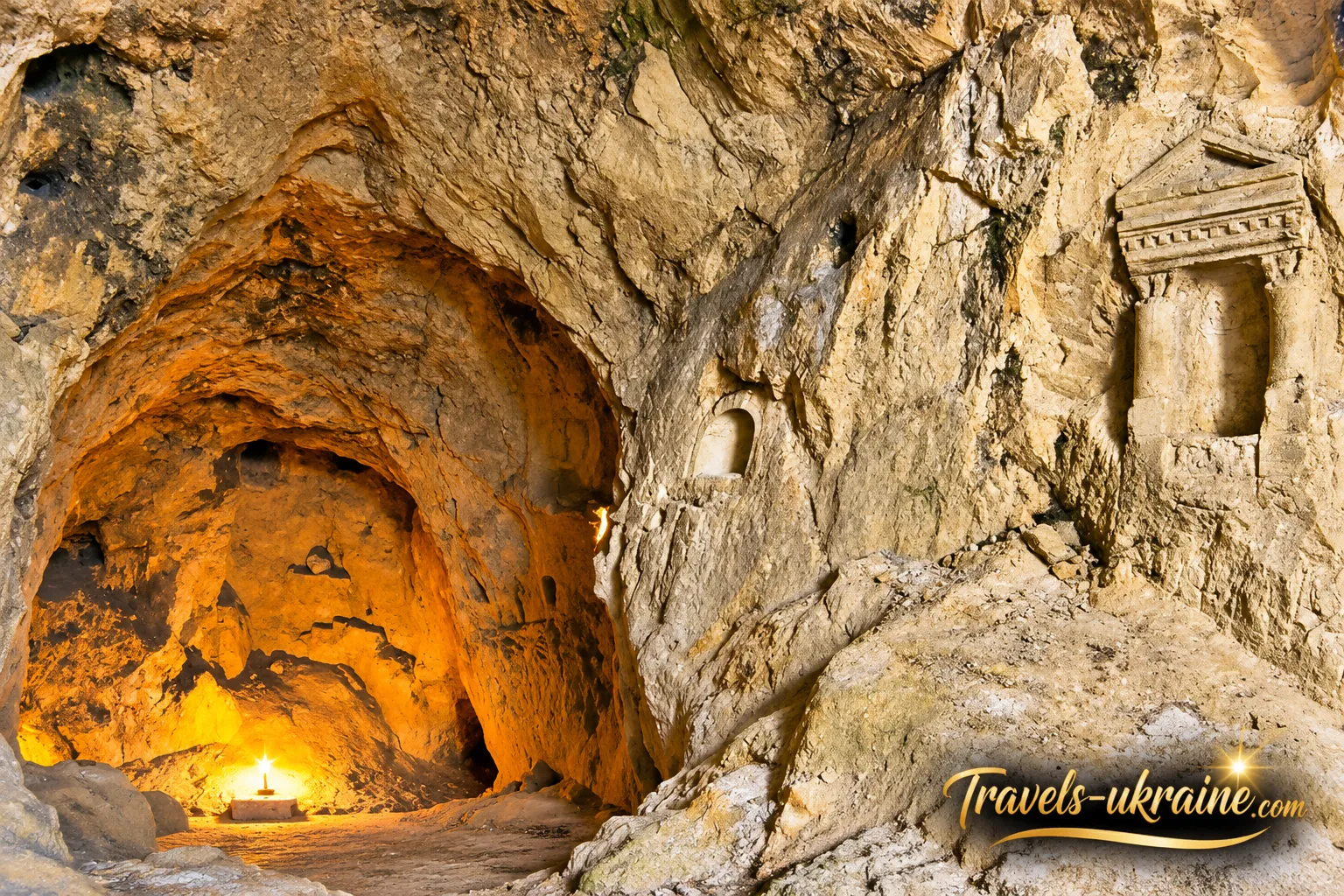
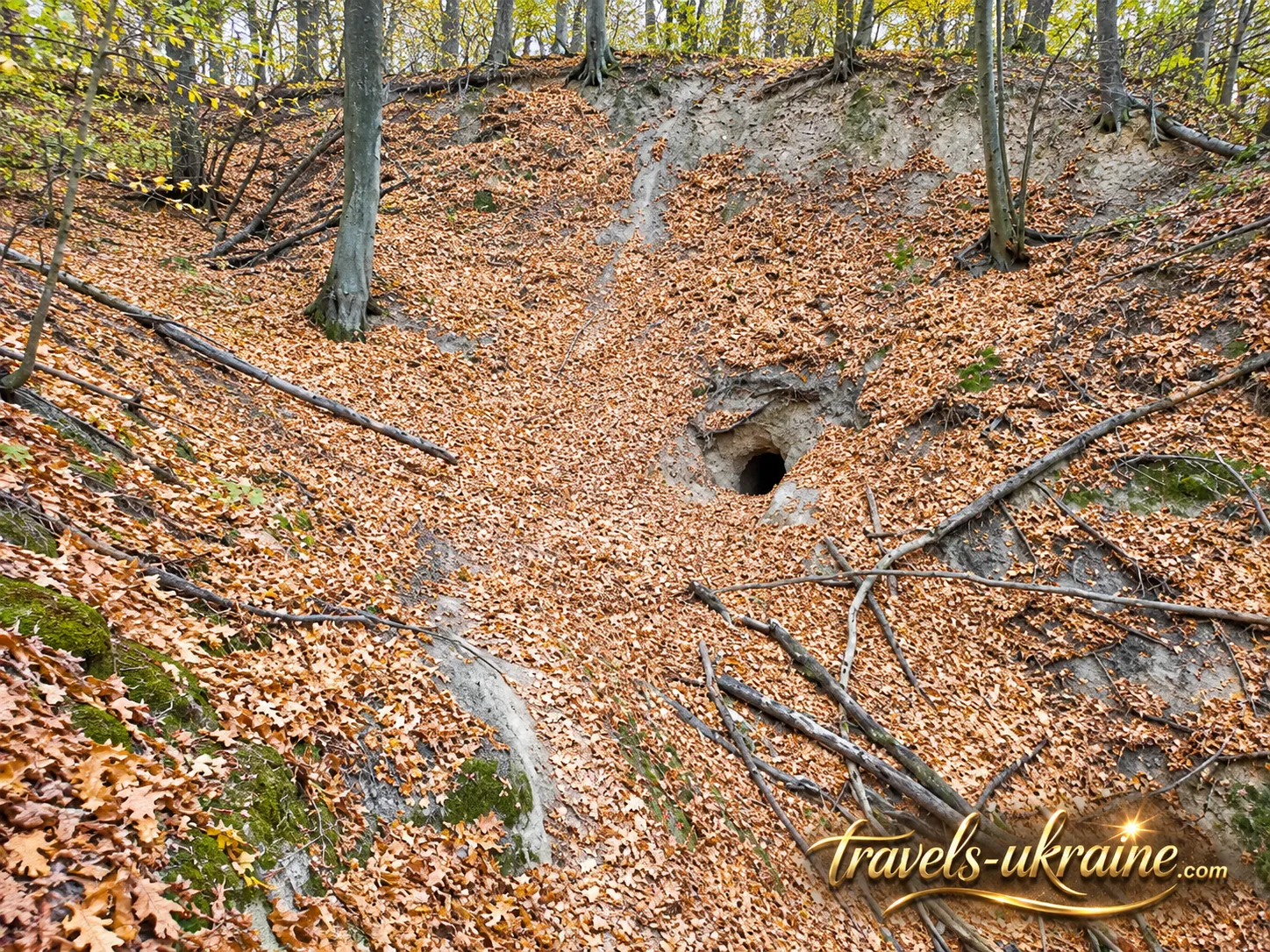
What mysteries could possibly lie hidden beneath the ground so close to a bustling capital city? Yet all it takes is leaving the city streets behind and following quiet trails through the green hills of the Kyiv region to discover an entirely different world. A world where sunlight disappears among the trees, where the wind rustles through the leaves above deep ravines, and where an entrance to an underground realm lies concealed in a hillside, almost invisible to passing travelers.
It is here, near the village of Khodosivka, that Geonavt Cave is located — one of the most unusual and little-known tourist attractions near Ukraine's capital. It may not boast enormous chambers or kilometers of winding labyrinths like some of the famous caves of Ukraine. Its underground passages extend for approximately 60 meters, yet despite its modest size, the cave possesses a unique atmosphere, where the familiar world suddenly gives way to darkness, silence, and the unknown.
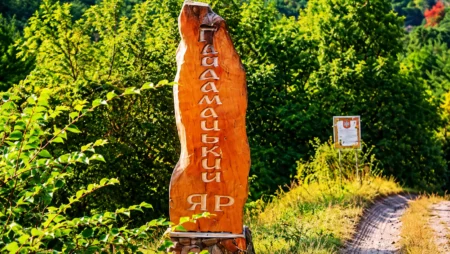
Finding Geonavt Cave is not as easy as visiting an ordinary tourist attraction. There are no grand gates, illuminated walkways, or developed observation platforms. The cave is hidden among wooded slopes and overgrown ravines, and its unassuming entrance can easily be overlooked even from a short distance. This isolation from established tourist routes gives the area its distinctive character. It almost seems as though nature has deliberately concealed its little underground kingdom from curious eyes.
Inside Geonavt Cave in Khodosivka, an entirely different atmosphere takes over. Daylight quickly fades, the sounds of the outside world grow quieter, and the uneven walls and narrow passages reveal just how extraordinary the hidden corners of this region can be. The sense of mystery is heightened by ancient legends and unanswered questions about the origins of this underground world — questions that still have no definitive answers.
Origins and History of Geonavt Cave: Between Nature and Legends
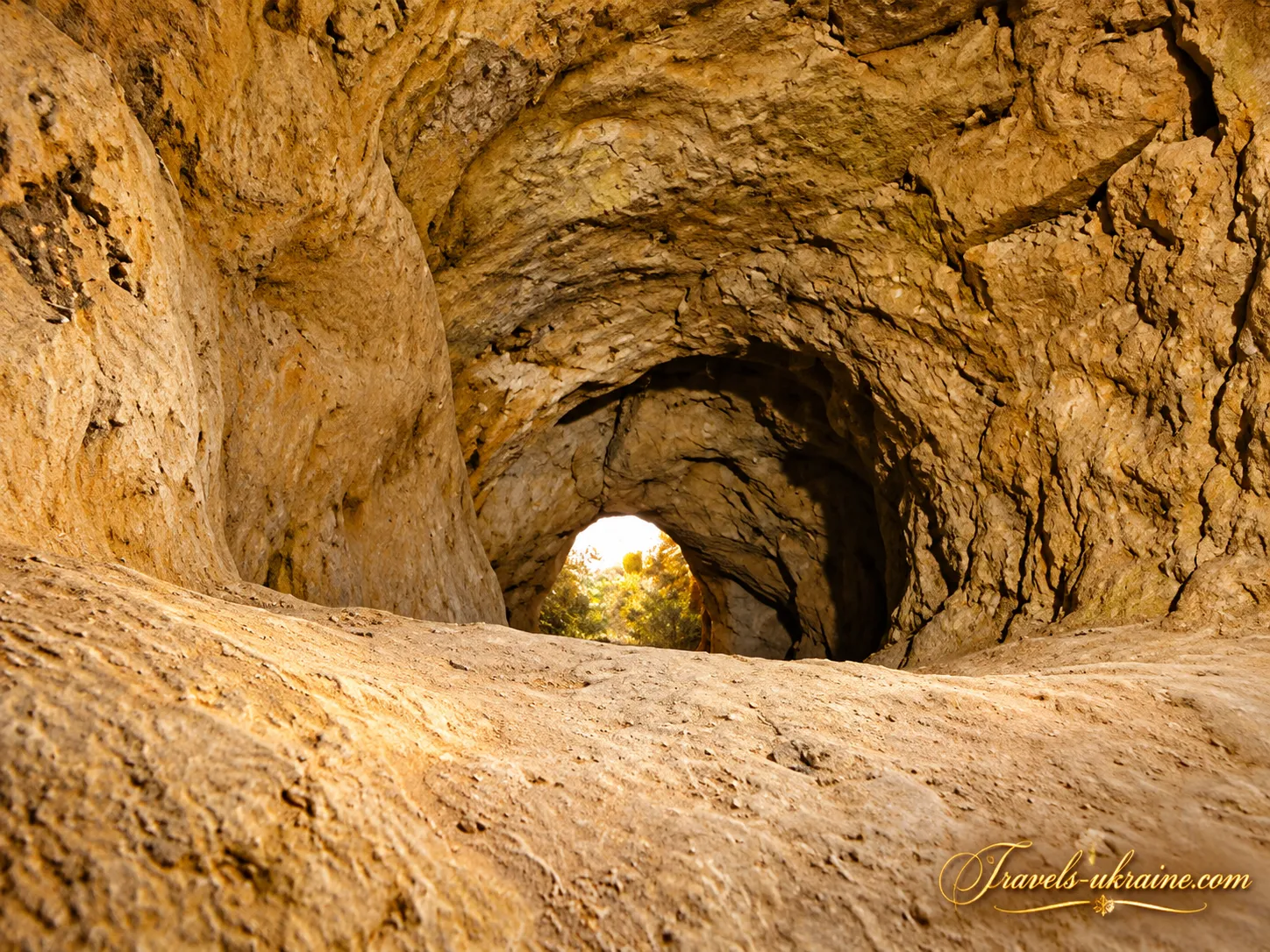
Some places preserve their history in ancient chronicles, archaeological discoveries, or stories passed down from generation to generation. However, Geonavt Cave remains a mystery even when it comes to its own origins. No one knows exactly when its underground passages formed, who first ventured inside, or whether this subterranean world has always looked the way it does today.
Hidden among the wooded slopes of the Kyiv region, where natural forces have shaped the landscape over countless years, lies a small system of underground cavities. Its existence has inspired several theories: some associate the cave's formation with natural geological processes, while others suggest that certain passages may have been created or expanded by humans. Although these explanations differ considerably, none has yet provided a complete, historically documented account of Geonavt Cave.
How Was Geonavt Cave Formed: Natural Processes or Human Activity?
According to one of the most widespread theories, the origins of Geonavt Cave are connected to the prolonged influence of water on geological formations. Rainwater and groundwater, penetrating cracks and natural cavities, can gradually wash away fine soil particles, weaken sections of a hillside, and contribute to the formation of underground voids. Such processes are known as erosion and suffosion. They can occur in loose sedimentary deposits and loess formations. Under certain conditions, water carries fine material away from within the soil, creating cavities that may eventually expand or collapse.
However, without a specialized geological investigation, it is impossible to determine with certainty which processes formed the cave's present-day chambers and tunnels. In particular, the common description of the cave as a karst formation requires confirmation, since typical karst cavities develop primarily through the dissolution of certain types of rock by water.
Another theory suggests that the underground passages may have originated naturally and were later partially modified by humans. Small cavities could have been enlarged and adapted for temporary shelter or other purposes. However, there is currently no reliable information about when such work might have taken place, who carried it out, or what its purpose was. Therefore, the formation of Geonavt Cave remains an open question. The cave may have evolved under the influence of natural forces over a long period, but its exact age cannot currently be determined.
Geonavt Cave and Legends of Hermit Monks
The cave's mysterious reputation is further enhanced by stories of people who supposedly used it as a place of solitude. According to one local tradition, the underground passages near Khodosivka may have served as a refuge for hermit monks seeking a secluded place, far from worldly life, for prayer and spiritual contemplation. This theory did not emerge entirely without historical context. The Kyiv region has a long tradition of cave monasticism, the most famous example being the underground passages of the Kyiv-Pechersk Lavra. Historical cave complexes associated with religious life in past centuries are also known in the southern outskirts of the capital.
In particular, the historically documented Hnylets Caves, also known as the Theodosius Caves, are located not far from Khodosivka and are associated with the tradition of medieval Rus' monasticism. These caves have a documented history of religious use. However, they should not be confused with Geonavt Cave: they are separate sites, and the existence of monastic caves in the region does not, by itself, establish a similar origin for Geonavt. At present, there is insufficient published archaeological evidence to convincingly confirm the existence of a monastic community within this particular cave. Therefore, stories about hermits remain an intriguing part of local folklore rather than an established historical fact.
When Was Geonavt Cave Discovered, and What Is Known About Its Exploration?
Unlike many well-known caves in Ukraine, the history of Geonavt Cave's exploration is documented only in fragments. The exact date of its discovery is unknown, while reliable information about its earliest explorers and the initial mapping of its underground passages remains limited. Local history publications mention interest in the cave among regional researchers and speleologists during the second half of the 20th century, particularly in the 1980s and 1990s. However, these accounts are not always accompanied by references to original scientific materials, making it premature to identify a specific year of discovery or name the first explorers.
Gradually, adventure enthusiasts, photographers, local historians, and travelers searching for lesser-known places near the capital began learning about this unusual underground site in the Kyiv region. Route descriptions, photographs of the interior chambers, and reports of mysterious images on the walls started appearing online.
Growing popularity brought Geonavt Cave not only attention but also new changes. Inscriptions, drawings, and carved images appeared on the surfaces of its underground walls. Some of these markings were left by modern visitors, but the exact age of certain reliefs cannot be established without specialized research. Therefore, they should not automatically be regarded as ancient archaeological monuments. Today, Geonavt remains a small but fascinating site for local historical and geological study. Its origins, possible history of human use, and changes to its internal passages still require detailed investigation.
Perhaps one day scientists will be able to explain more precisely how this cave formed and whether it preserves traces of human activity from earlier eras. Until then, its history serves as a reminder that even in the familiar surroundings of Kyiv, there are still places whose past has yet to reveal all its secrets.
What to See Inside Geonavt Cave
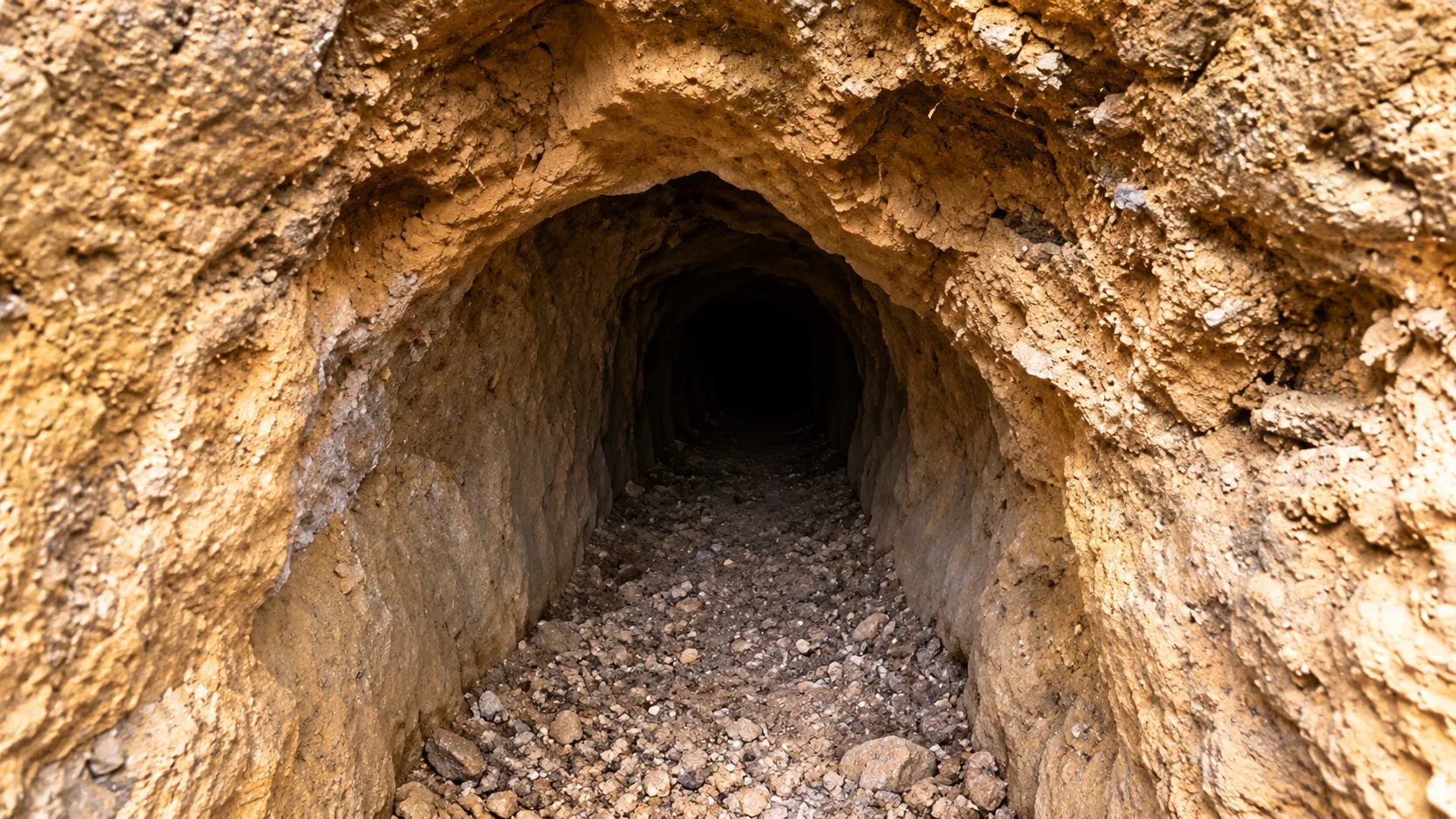
Behind the unassuming entrance to Geonavt Cave lies a small underground world of uneven ceilings, narrow passages, and unusual formations on the walls. There are no magnificent crystal chambers or underground lakes here, but the atmosphere more than makes up for it. This place also quickly reminds visitors that a flashlight inside a cave is far more useful than even the most expensive camera.
The total length of the underground passages is approximately 60 meters. That may not sound like much, but with low ceilings, uneven ground, and tight connections between chambers, this is hardly an ordinary stroll. Especially if you are accustomed to walking with your head held high — Geonavt will quickly teach you to duck.
Underground Chambers and Narrow Tunnels of Geonavt Cave
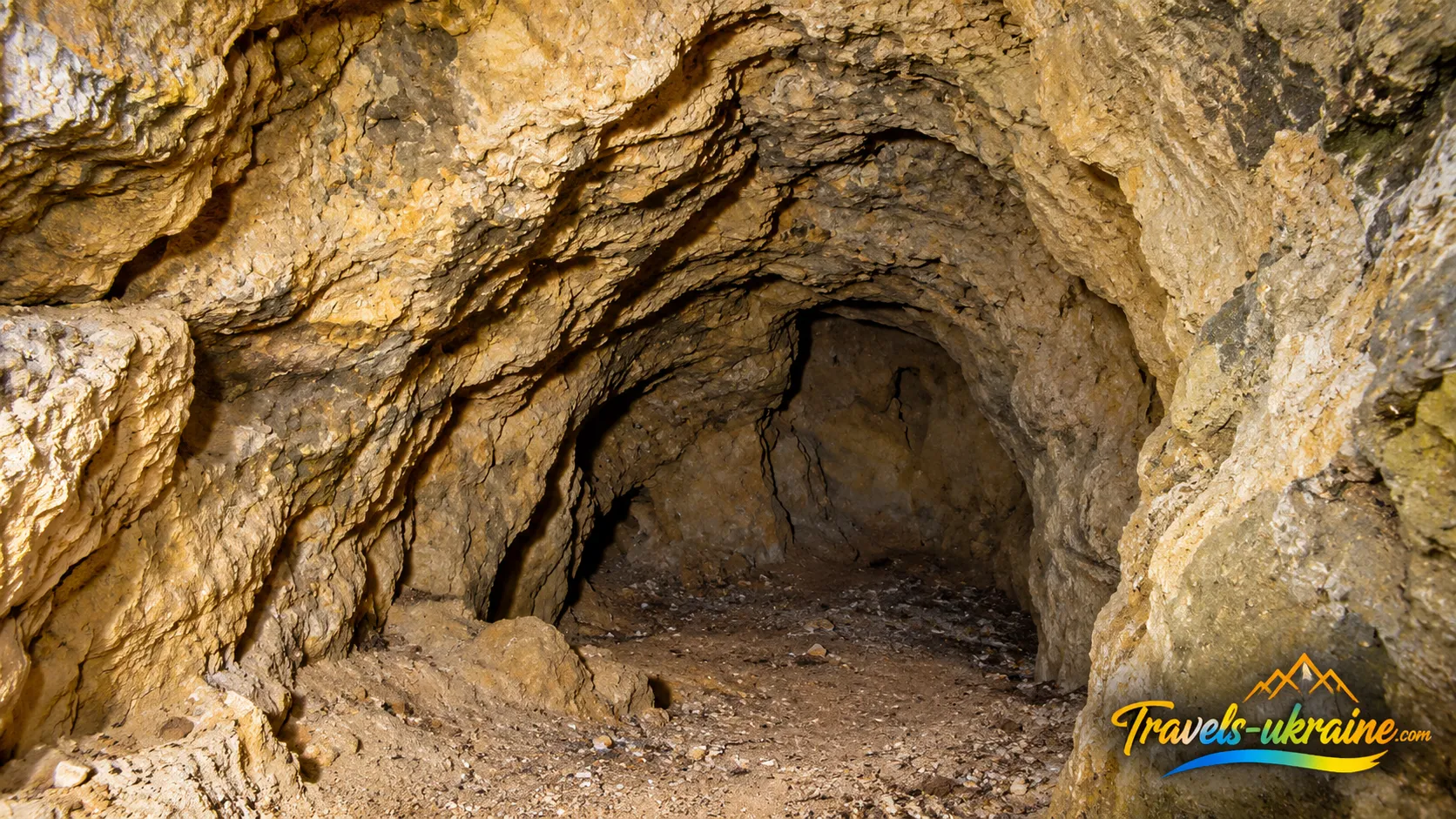
Inside the cave are two main chambers connected by narrow passages. The main chamber is relatively spacious, with a vaulted ceiling and uneven walls. In the beam of a flashlight, the natural texture of the rock, numerous cracks, and small depressions become clearly visible, creating an unusual interplay of light and shadow.
The second chamber is considerably more confined. In some places, the ceiling is so low that visitors must move while bending deeply forward. Geonavt could therefore be described as a place where even the tallest visitors become a little more humble. Despite its modest size, the cave is not equipped for ordinary sightseeing tours. Narrow passages, unstable sections of rock, and the absence of lighting pose genuine risks, so entering without appropriate equipment and experienced guidance is not recommended.
Unusual Reliefs and Images on the Cave Walls
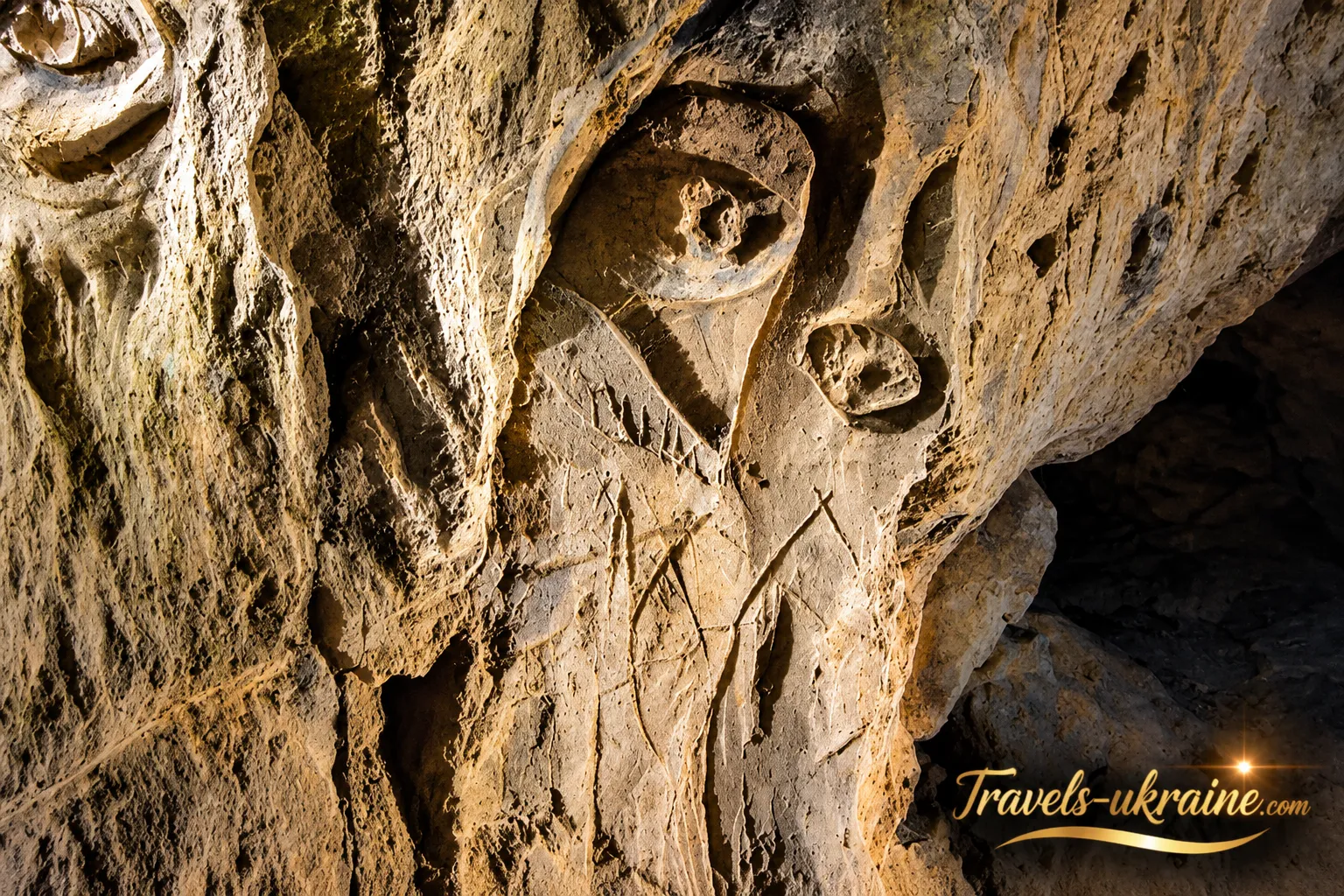
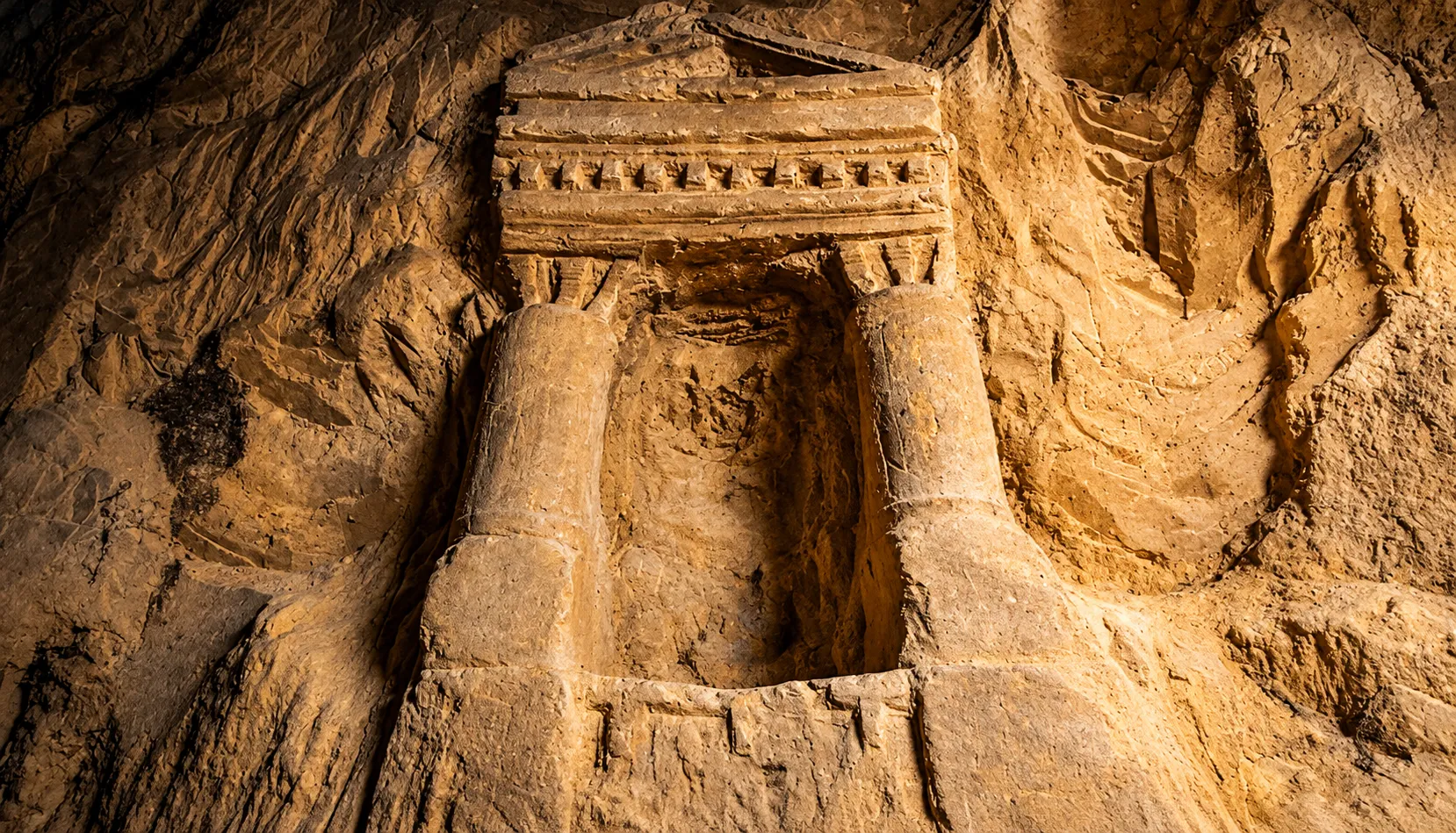
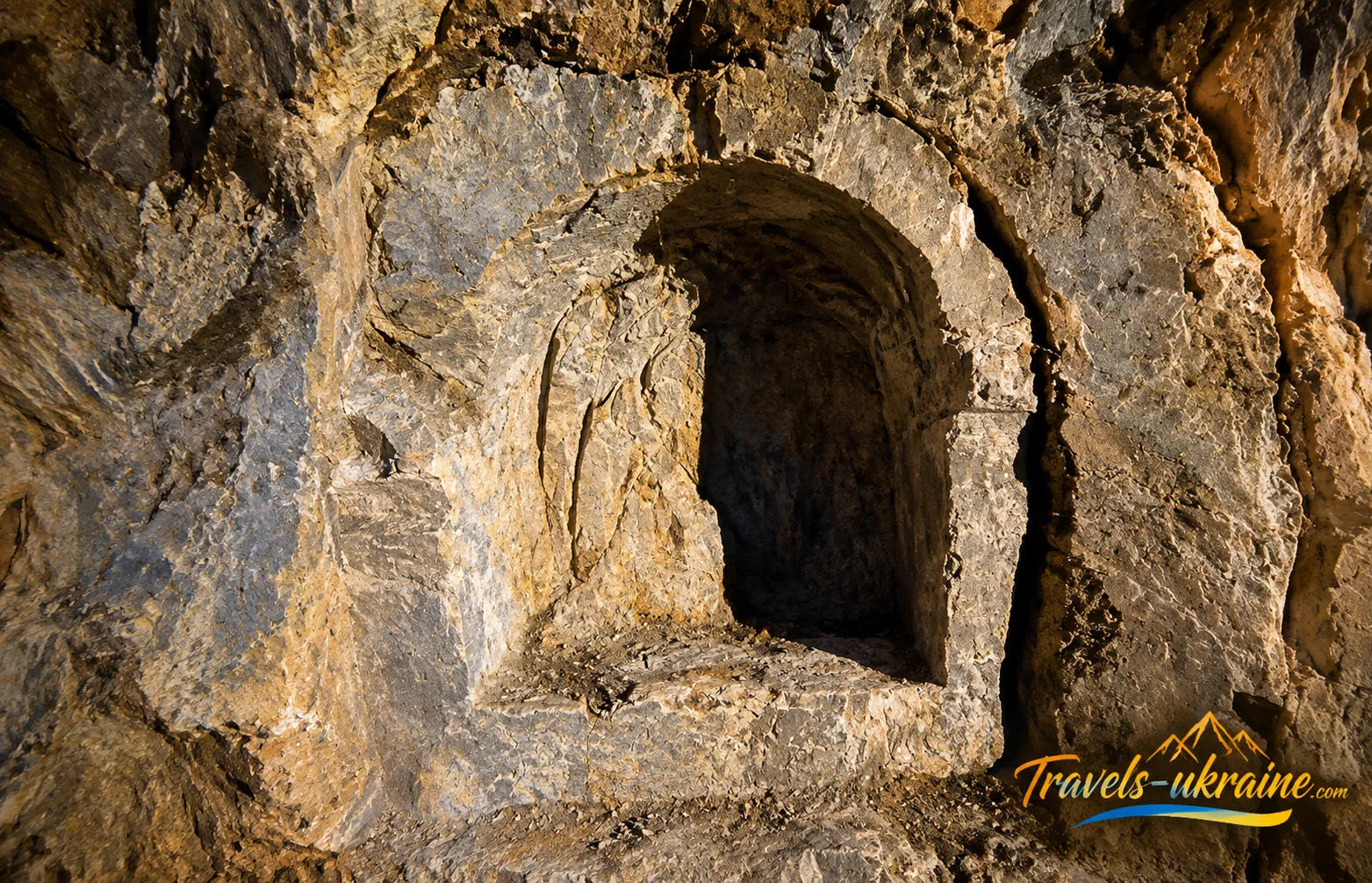
One of the most intriguing features of the Geonavt underground cave is the collection of curious shapes and indentations on its walls. Visitors may notice formations resembling human faces, arch-shaped niches, and reliefs reminiscent of architectural decorations. Some appear so unusual that it is almost impossible not to search for a hidden meaning. Although sometimes a rock is just a rock — even when it seems to be staring directly at you.
The origins of some of these images have not been definitively established. A significant number of inscriptions and drawings appeared in modern times, so describing them as ancient bas-reliefs without archaeological evidence would be misleading. These details give the cave its distinctive character. It may not impress visitors with its size, but it certainly demonstrates that fascinating discoveries can sometimes be hidden literally beneath our feet. Just remember to keep an eye on where you step as well — the underground world does not forgive carelessness.
Interesting Facts and Unique Features of Geonavt Cave
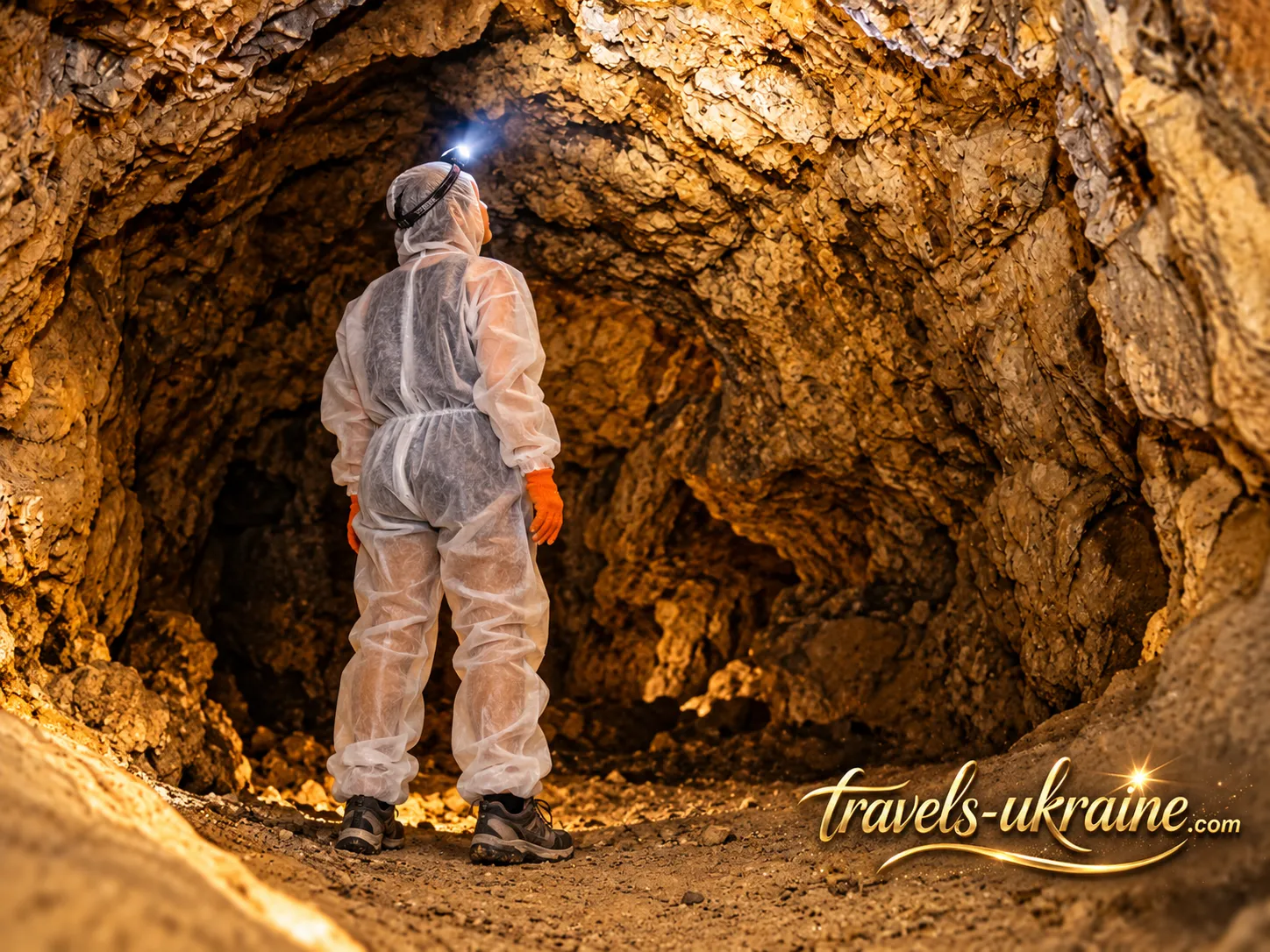
Despite its modest size, this cave in the Kyiv region has several fascinating features that distinguish it from other lesser-known tourist attractions near the capital. Even finding the entrance can turn into a small adventure. Unfortunately, navigation apps do not always share travelers' enthusiasm, especially when a trail suddenly disappears among the trees.
Unlike many famous caves in Ukraine, including the Crystal Cave in the Ternopil region, which formed in gypsum rock, Geonavt's underground chambers are hidden among wooded slopes and ravines. Its interior walls display earthy, yellowish, and gray tones, while uneven surfaces and layers of sedimentary rock give the underground passages their distinctive appearance.
Interestingly, the entrance to Geonavt Cave is located above the bottom of a ravine, making it more difficult to reach than photographs might suggest. This is especially true after rainfall, when the slopes become slippery. Visitors quickly realize that proper hiking footwear is not a fashion accessory but a practical necessity.
Serpent's Walls and Geonavt Cave — The Historical Heritage of Khodosivka
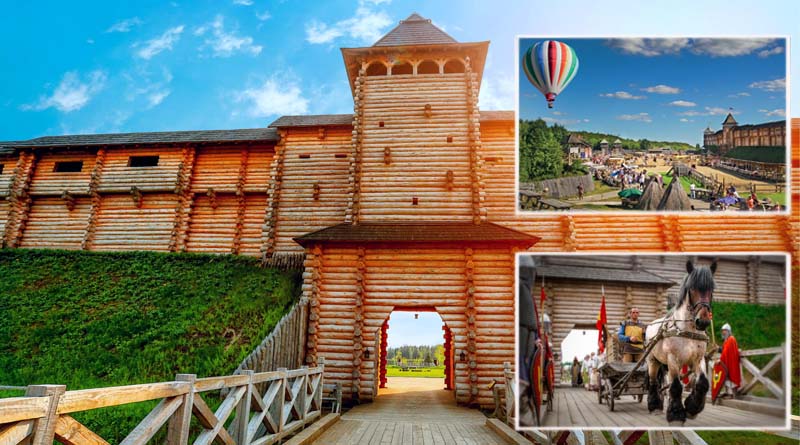
Another fascinating detail is that Geonavt's underground cavities are located near areas where traces of ancient defensive structures have survived — the famous Serpent's Walls of the Kyiv region. Near Khodosivka, archaeologists have studied the Great Khodosivka Hillfort, whose fortifications were already in use during the Early Iron Age and were later incorporated into the defensive system of Kyivan Rus. However, no direct historical connection between Geonavt Cave and these fortifications has been established. Therefore, the cave and the Serpent's Walls are best regarded as separate landmarks within the same historically rich region.
A Place Where It Is Easy to Lose Track of Time
Some visitors describe unusual sensations inside Geonavt Cave: time seems to pass differently, and familiar surroundings suddenly begin to feel unfamiliar. Of course, there is no evidence of supernatural phenomena here. The absence of daylight, silence, and confined spaces can naturally influence how people perceive their surroundings.
For this reason, stories about the cave's mystical powers are best left to enthusiasts of local legends. Still, if a few minutes in the darkness suddenly feel like an entire hour, do not rush to blame Geonavt for distorting time — perhaps it is simply time to return to daylight.
The narrow passages of Geonavt Cave are fascinating not because of their size or spectacular natural formations, but because of their unusual atmosphere and the feeling of making a small discovery. The cave reminds visitors that the Kyiv region still hides many places capable of surprising even experienced travelers. The important thing is not to confuse curiosity with carelessness, because underground adventures are best remembered when they end with a safe return home.
What to See Near Geonavt Cave: Attractions in the Kyiv Region
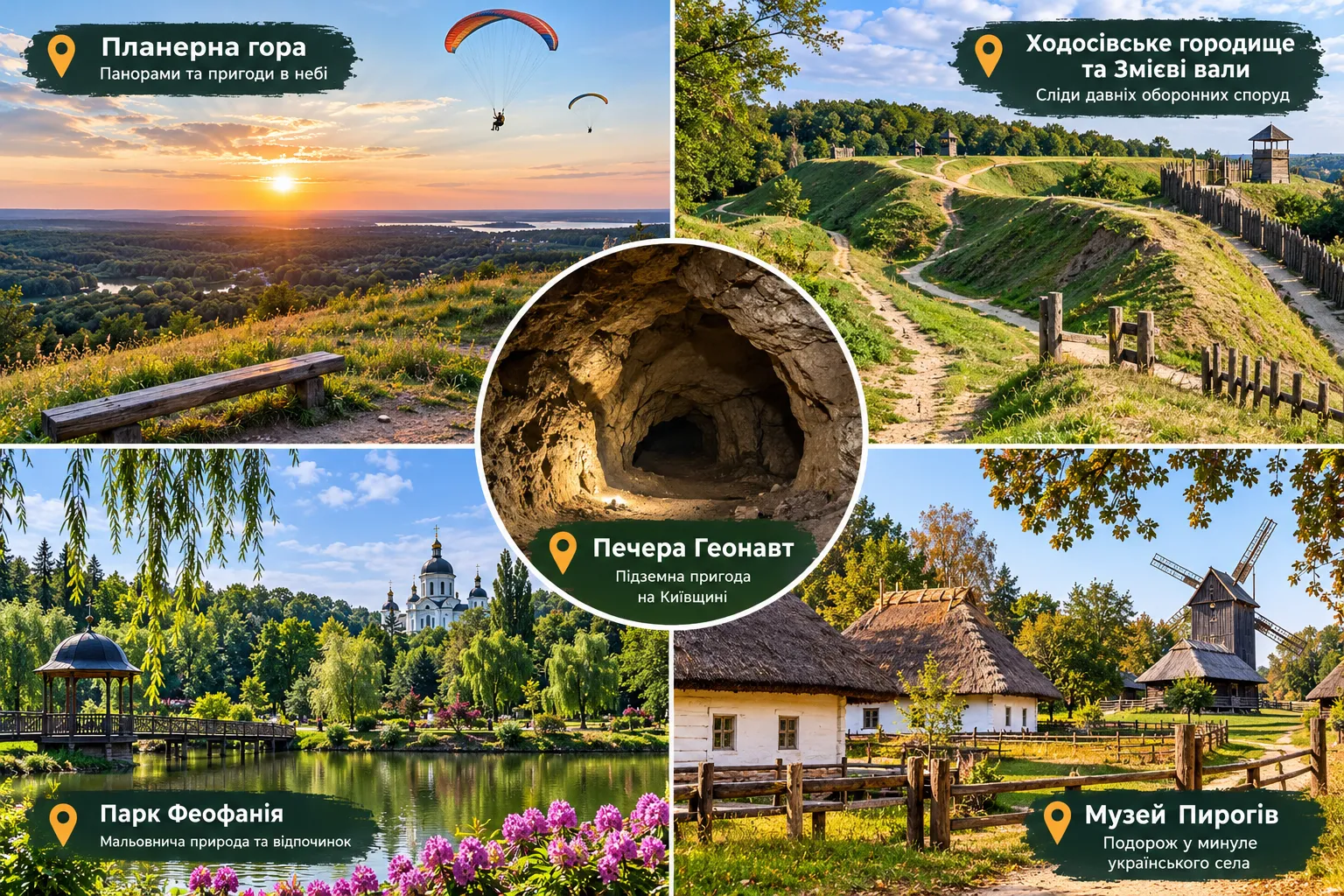
A trip to Geonavt Cave does not have to be limited to exploring a single underground site. The surrounding hills, forests, and ancient landmarks offer plenty of interesting places to discover. Visitors can admire panoramic views from elevated viewpoints, explore the remains of ancient defensive fortifications, or stroll through picturesque parks. And all of this is located near Kyiv, without the need to embark on a multi-day expedition.
Planerna Hill — Stunning Panoramic Views Near Khodosivka
Planerna Hill is one of the most picturesque natural attractions in the Kyiv region. Its slopes offer sweeping panoramic views of forests, rolling hills, and the southern suburbs of the capital. The scenery is particularly beautiful at sunset, when the surrounding landscape gradually takes on warm golden hues.
The hill received its name because of its popularity among paragliding and hang-gliding enthusiasts. Under favorable weather conditions, visitors may see athletes soaring above the slopes. And if you have no plans to conquer the skies, an ordinary walk can still provide plenty of memorable experiences — with considerably less excitement and anxiety.
Khodosivka Hillfort and the Serpent's Walls
History enthusiasts should pay special attention to the Great Khodosivka Hillfort, an extensive archaeological monument dating back to the Early Iron Age. In ancient times, this territory was protected by powerful earthen ramparts and defensive ditches. Some of these fortifications have survived to the present day, although their appearance has changed considerably over the centuries.
Of particular interest is the hillfort's connection with the Serpent's Walls of the Kyiv region, an extensive system of defensive earthworks. Research suggests that the ancient fortifications of the Khodosivka Hillfort were incorporated into a broader defensive system during later periods. Walking through these areas today, it is difficult to imagine that seemingly ordinary forest-covered embankments once held significant strategic importance.
This makes an excellent addition to a visit to Geonavt Cave, although no direct historical connection between the cave and the Serpent's Walls has been established. Here, the landscape preserves genuine traces of the past — even when, at first glance, all you can see are grassy hills.
Feofaniya Park — Scenic Nature on the Outskirts of Kyiv
If you are looking for a more relaxing experience after exploring the wooded slopes, consider visiting Feofaniya Park in Kyiv's Holosiivskyi district. This picturesque destination features well-maintained pathways, ponds, flower gardens, and peaceful corners ideal for leisurely walks. Cascading ponds, green hills, and views of St. Panteleimon's Cathedral give the park its distinctive charm. Visitors can spend several pleasant hours here, relax by the water, or take beautiful photographs. After the wild underground environment of Geonavt Cave, this change of scenery feels almost like entering another world — this time with benches, walking paths, and considerably better lighting.
Pyrohiv Museum — A Journey into the Past of Ukrainian Village Life
Another interesting tourist attraction on the southern outskirts of Kyiv is the National Museum of Folk Architecture and Life of Ukraine in Pyrohiv. This large open-air museum brings together traditional Ukrainian houses, wooden churches, windmills, and agricultural buildings from different historical and ethnographic regions of Ukraine, all set among picturesque hills.
Walking through the museum feels like taking a journey back through the centuries. Visitors can discover how previous generations lived, explore traditional architecture, and experience the atmosphere of Ukrainian village life in earlier times. Because of its extensive grounds, Pyrohiv deserves several hours of exploration, especially if you plan to visit its outdoor exhibitions.
Ultimately, attractions near Geonavt Cave make it possible to combine natural scenery, archaeological monuments, and cultural experiences in a single trip. Planerna Hill and the Khodosivka Hillfort are ideal for discovering the immediate surroundings, while Feofaniya Park and Pyrohiv Museum offer excellent opportunities to extend your route toward Kyiv. The main thing is to plan your time carefully, because even a small adventure can easily turn into an entire day filled with memorable experiences.
Frequently Asked Questions About Geonavt Cave
Where is Geonavt Cave located in the Kyiv region?
Geonavt Cave is located near the village of Khodosivka, in Obukhiv district of the Kyiv region, Ukraine. Its entrance is hidden among the wooded slopes of Hleiovyi Ravine. Approximate GPS coordinates: 50.25554, 30.52735. This is an undeveloped natural site without an official tourist entrance or directional signs.
How can you get to Geonavt Cave from Kyiv?
By car, you can travel from Kyiv along the Novoobukhiv Highway toward Khodosivka and then continue on foot. If using public transportation, you need to reach Khodosivka first. Some travel descriptions mention minibus route No. 738 from Lybidska metro station, but its current route should be verified before your trip. The final section follows forest trails and the slopes of a ravine. There is no direct, developed vehicle access to the cave entrance.
How much does it cost to visit Geonavt Cave?
Visiting Geonavt Cave is free of charge. There are no ticket offices, visitor centers, or permanent guided tour services. However, free access does not mean that the cave is safe to explore independently. Before visiting, you should also check whether any local access restrictions are in effect.
Is it safe to enter Geonavt Cave?
Geonavt is not a developed tourist cave. The main hazards include the steep approach to the entrance, narrow passages, lack of lighting, and the possibility of falling or collapsing rock. Visiting the underground passages is particularly dangerous after heavy rainfall or during periods of thawing. Entering the cave is not recommended without a professional assessment of its condition, appropriate equipment, and experienced guidance.
What should you bring when visiting Geonavt Cave?
For a walk around the cave's surroundings, bring sturdy footwear with non-slip soles, protective clothing, drinking water, a fully charged phone, and an offline map of the area. Professional exploration of the underground passages requires a helmet, primary and backup lighting, and suitable protective equipment. A phone flashlight alone is not sufficient. Always inform someone you trust about your planned route and expected return time.
Is Geonavt Cave suitable for visiting with children?
For a family outing, consider the accessible and safe trails around Khodosivka. However, entering Geonavt Cave with children is not recommended because of the steep approach, confined tunnels, and lack of developed visitor routes. For an introduction to the underground world, it is better to choose a tourist cave that offers organized guided tours.
How much time do you need to explore Geonavt Cave?
Geonavt Cave has approximately 60 meters of underground passages, but the duration of a visit depends mainly on the route to the ravine, weather conditions, and whether access is safe. Allow approximately 1–2 hours for a walk around the surrounding area. This is not a guaranteed time for exploring the cave itself, as its internal condition may significantly affect whether entering is possible.
When is the best time to visit Geonavt Cave?
For walks around Geonavt Cave, the best choice is a dry day in late spring, summer, or early autumn. During these seasons, the wooded slopes around Khodosivka are particularly picturesque. After heavy rainfall, during winter, or when snow is melting, the approaches can become slippery and the rock formations potentially more unstable. Even in good weather, entering the underground section requires a separate assessment of the risks.
Geonavt Cave — A Small Mystery in the Heart of the Kyiv Region
Not every fascinating journey begins with a plane ticket or a long road trip. Sometimes genuine discoveries are waiting just around the corner — among familiar hills, quiet forests, and trails we may have passed dozens of times. Geonavt Cave is exactly such a place. Unremarkable from the outside and modest in size, it nevertheless has its own character and mysteries that continue to invite exploration.
Geonavt does not attempt to compete with enormous cave systems elsewhere. There are no crystal palaces or labyrinths stretching for kilometers. Instead, it offers a distinctive underground atmosphere where every uneven wall, curious niche, or dark passage can spark a sense of wonder. And although many aspects of its history remain unknown, these unanswered questions are precisely what make the underground site so unusual.
Yet the true value of this destination extends beyond what lies beneath the ground. The picturesque surroundings of Khodosivka, ancient defensive earthworks, and panoramic hills reveal just how rich the Kyiv region is in natural beauty and historical landmarks. Even if the cave's condition makes entering unsafe, exploring the surrounding area can still provide memorable experiences.
So, if you are searching for unusual places to visit near Kyiv, consider Geonavt Cave and its surroundings. Just remember that a genuine adventure is measured not by the number of meters explored underground, but by the memories it leaves behind. And the best adventures are those that end with a safe return home — preferably without having to explain to your family why you suddenly decided to become a professional mole.



No Comment
You can post first response comment.