
 English
 Українська
 Русский
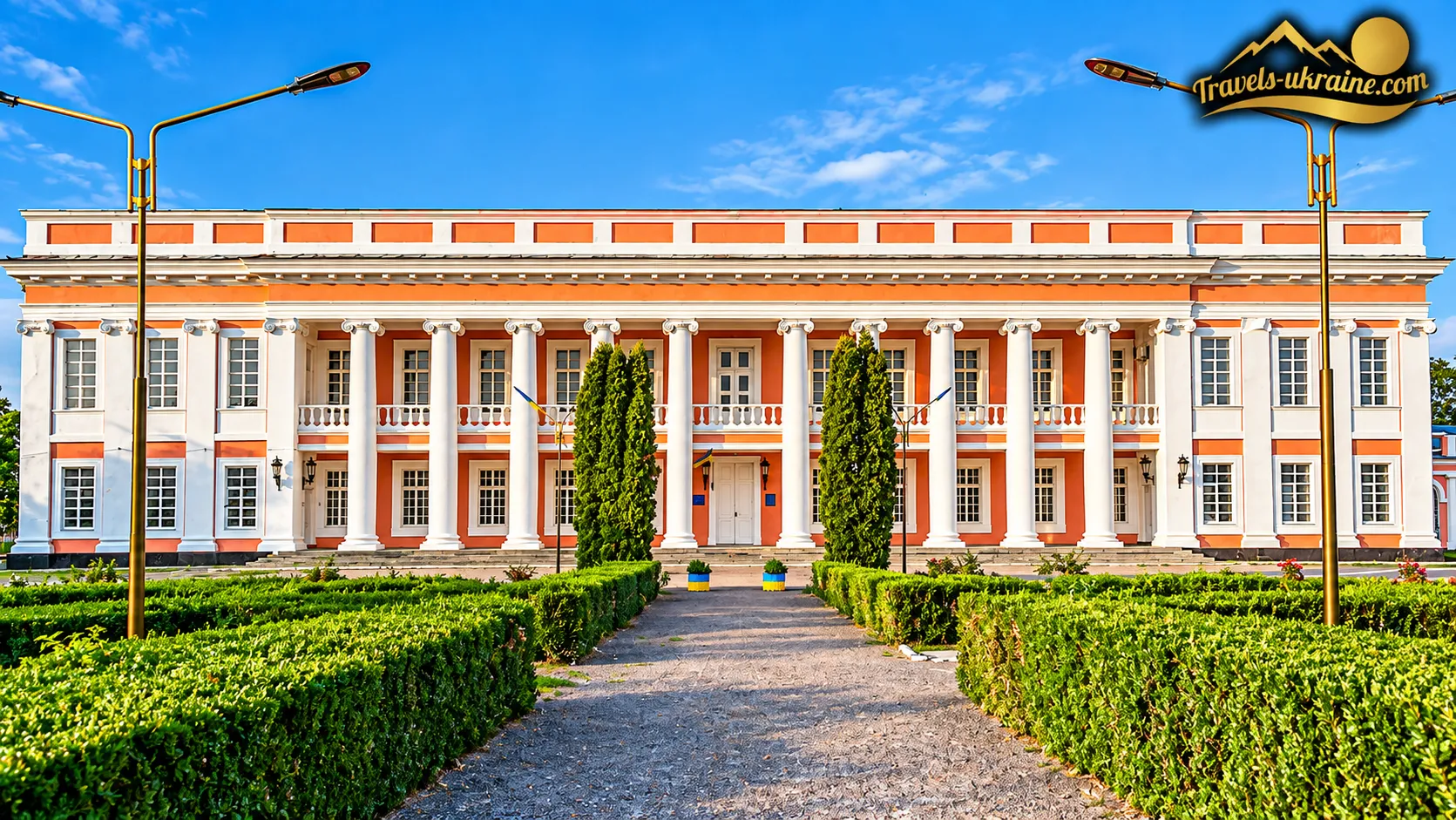
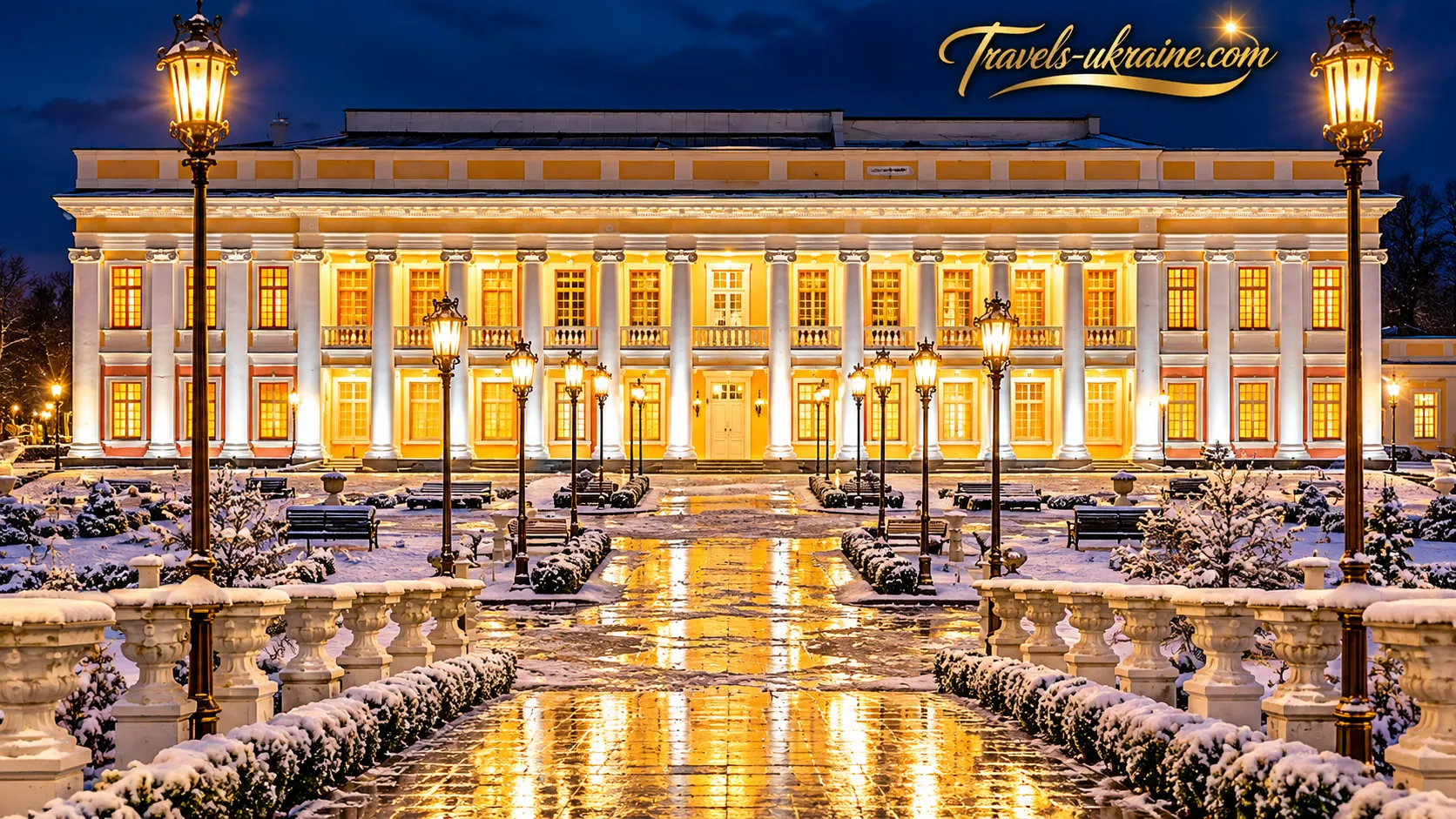
Potocki Palace in Tulchyn is one of the most remarkable architectural landmarks of Vinnytsia Oblast, preserving the memory of the luxurious life of European aristocracy in the 18th century. The magnificent residence, also known as the “Versailles of Podillia”, impresses with its monumental colonnades, harmonious proportions, and the scale of the palace ensemble. Once, ceremonial receptions, theatrical performances, and musical evenings were held here, while today the historic complex remains one of Podillia’s main tourist treasures.
Located in the very heart of Tulchyn, the palace was the main residence of the influential Potocki magnate family. Its construction began during the time of Stanisław Szczęsny Potocki, who sought to create an estate worthy of the wealthiest aristocratic courts of Europe. The complex became not only a symbol of the family’s power, but also an important center of cultural and social life in the region.
The Tulchyn Palace is especially valuable for its architecture in the Classical style. A spacious ceremonial courtyard, the main building with its imposing colonnade, and long side wings form a unified ensemble that, even after numerous historical upheavals, has preserved the characteristic features of its original composition. The residence was once surrounded by the luxurious “Khoroshe” park, while its interiors were decorated with art collections, refined furniture, and elaborate ornamentation.
Today, the palace in Tulchyn attracts travelers interested in Ukrainian history, historic palaces, and architectural heritage. It is worth seeing not only for photographs beside its monumental façades, but also to experience the atmosphere of a place where the destinies of aristocratic families, political events, and cultural traditions intertwined for centuries. A visit to the landmark can also be combined with a walk around Tulchyn, where many other historical sites have survived.
In this article, we will explore the history of Potocki Palace in Tulchyn, its founders, architectural features, and surviving buildings. You will learn why the residence is called the Versailles of Podillia, what can be seen within the palace complex, which interesting places are located nearby, and what to pay attention to when visiting one of the best-known historical landmarks of Vinnytsia Oblast.
History of Potocki Palace in Tulchyn — from Aristocratic Residence to the Present Day
The history of the palace is closely intertwined with the fate of one of the most influential magnate families of the Polish–Lithuanian Commonwealth. At the end of the 18th century, the small Podillian town became an important center of aristocratic life, where political matters were discussed, royal guests were received, art collections were created, and lavish celebrations were held. It was here that the residence later known as a Versailles was built.
Behind the palace’s magnificent façades lies a complex history. Its walls witnessed the flourishing of magnate estates, dramatic events, changes in state authority, military upheavals, and the gradual loss of former splendor. Yet even after more than two centuries of historical trials, the Tulchyn palace remains one of the most striking examples of Podillia’s cultural heritage.
The Founding of Potocki Palace and Construction of the New Residence
The history of the Potocki estates in Tulchyn began long before the palace ensemble known today was created. In the 18th century, the town belonged to the family’s extensive landholdings. Before the construction of the new stone residence, an older manor already existed here and was used by members of the magnate family.
A decisive role in the development of Tulchyn was played by Stanisław Szczęsny Potocki (1751–1805) — one of the wealthiest landowners of his time, who possessed numerous estates across Ukrainian lands. In the second half of the 1770s, he gradually transferred the administrative center of his estates from the family seat of Krystynopol, today’s Sheptytskyi in Lviv Oblast, to Tulchyn. The new location was intended not merely as a family home, but as a representative residence demonstrating the family’s influence and wealth.
The main phase of construction of Potocki Palace took place in 1781–1782. The year 1782 is traditionally associated with the completion of the main palace building, although work on the surrounding structures, gardens, and service facilities continued later. The palace design is associated with the French architect Lacroix, who worked in the traditions of European Classicism.
Potocki’s vision was extraordinarily ambitious. He wanted to create an architectural ensemble capable of competing with the most famous magnate residences in Europe. Construction therefore extended far beyond the main palace building. A complex gradually developed around it, including side wings, galleries, service buildings, a theater, and a large landscape park.
Potocki Palace amid the Political Events of the 18th Century
Despite its outward splendor, the history of the Tulchyn palace also had a controversial political dimension. Its owner was not only an influential magnate, but also an active participant in the struggle for power within the Polish–Lithuanian Commonwealth, which was undergoing a deep political crisis at the end of the 18th century. In 1792, Stanisław became one of the leading figures of the Targowica Confederation — an alliance of opponents of the reforms introduced by the Constitution of May 3, 1791. The confederates relied on the support of the Russian Empire, and their actions contributed to Russian military intervention and the further weakening of the Polish–Lithuanian state.
The Tulchyn residence was connected with Potocki’s political activities and his circle. Meetings of representatives of influential magnate families were held here, issues concerning estate administration were discussed, and political decisions were made. The palace therefore witnessed not only aristocratic entertainment, but also events that influenced the fate of large territories of Eastern Europe.
After the Second Partition of the Polish–Lithuanian Commonwealth in 1793, Podillia came under the rule of the Russian Empire. For Tulchyn, this meant a change in political circumstances, although the Potocki estates and the residence itself remained important centers of local life for some time.
Sophia Potocka and Her Place in the History of the Tulchyn Palace
A separate chapter in the history of the residence is associated with Sophia Potocka, the third wife of Stanisław Szczęsny Potocki. Her biography attracted considerable attention from contemporaries because of her unusual origins, beauty, connections within European aristocratic circles, and complex personal relationships.
Sophia, also known as Sophia Witt, entered the history of one of the wealthiest magnate families after meeting Stanisław Potocki. Their relationship developed while both still had existing marital obligations, which led to lengthy disputes and attracted the attention of noble society. After their previous marriages had ended, Sophia and Stanisław married in 1798.
Sophia’s name is most often associated with the famous dendrological Sofiyivka Park in Uman, which Stanisław created in her honor. However, it is important to remember that Sofiyivka and the Tulchyn palace are two different historical sites. The Uman park was a romantic gift, while the residence in Tulchyn had been established earlier as the main center of Potocki’s vast estates.
The Decline of Potocki Palace in the 19th and 20th Centuries
After the founder’s death, the period of greatest prosperity of the Versailles of Podillia gradually came to an end. The residence lost its role as the principal center of magnate life, and its future depended on changes within the Potocki family, the financial condition of the heirs, and political circumstances.
Throughout the 19th century, the palace still retained memories of its former grandeur. It was visited by prominent personalities, including writers and representatives of the intelligentsia. One of those who left written accounts of Tulchyn was the Polish writer Józef Ignacy Kraszewski. At the same time, a considerable part of the art collections, furniture, and other valuables gradually left the family estates.
In 1892, the former residence was purchased by the Russian authorities. The palace began to be used for military purposes, including as an officers’ club. This change of function affected the building’s interiors: rooms created for aristocratic life were gradually adapted to new uses.
A particularly severe blow was the fire of 1928, which caused significant damage to the upper part of the main building and its historic interiors. Later, the palace was used by various institutions, including military units. Alterations, inadequate maintenance, and prolonged use for purposes different from those originally intended led to the loss of many decorative elements.
In the second half of the 20th century, awareness of the complex’s historical and architectural value increased. Restoration work began, although it proved impossible to fully return the palace to its original appearance. Despite the losses, the main building, side wings, and part of the historic layout have survived, allowing visitors to appreciate the grandeur of the 18th-century architectural vision.
Potocki Palace after Ukraine Gained Independence
In the modern history of Ukraine, the palace gradually acquired a new role — not only as a historical landmark, but also as a space for education, culture, and tourism development. An important role in preserving the complex has been played by its use by a cultural educational institution. In 1982, the Tulchyn School of Culture began using the main building of the former residence, and in 1985 it also began using the eastern wing. The institution later became the Tulchyn Professional College of Culture. Thanks to this, the historic building was not left completely abandoned, although adapting palace interiors for educational purposes required compromises between modern use and heritage preservation.
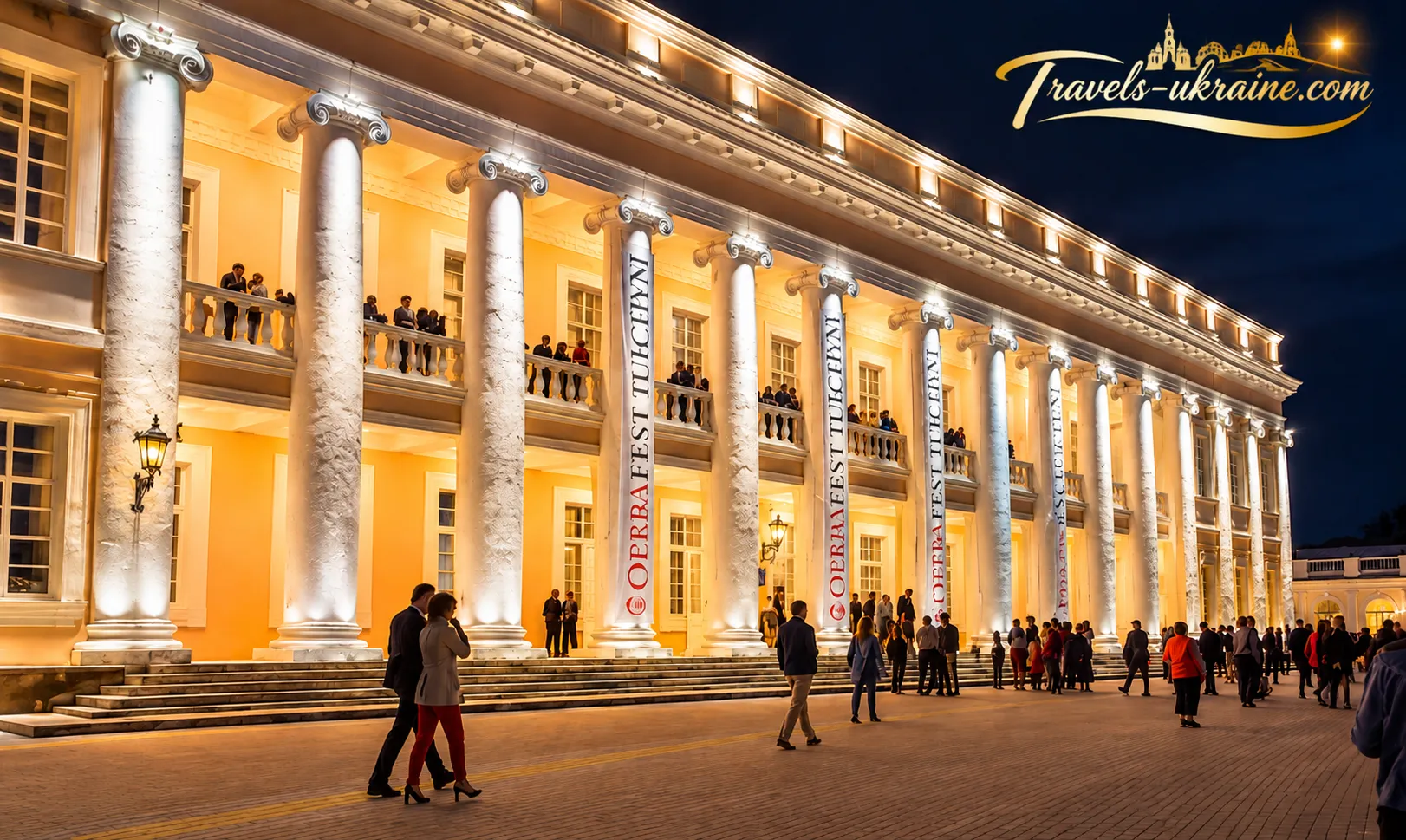
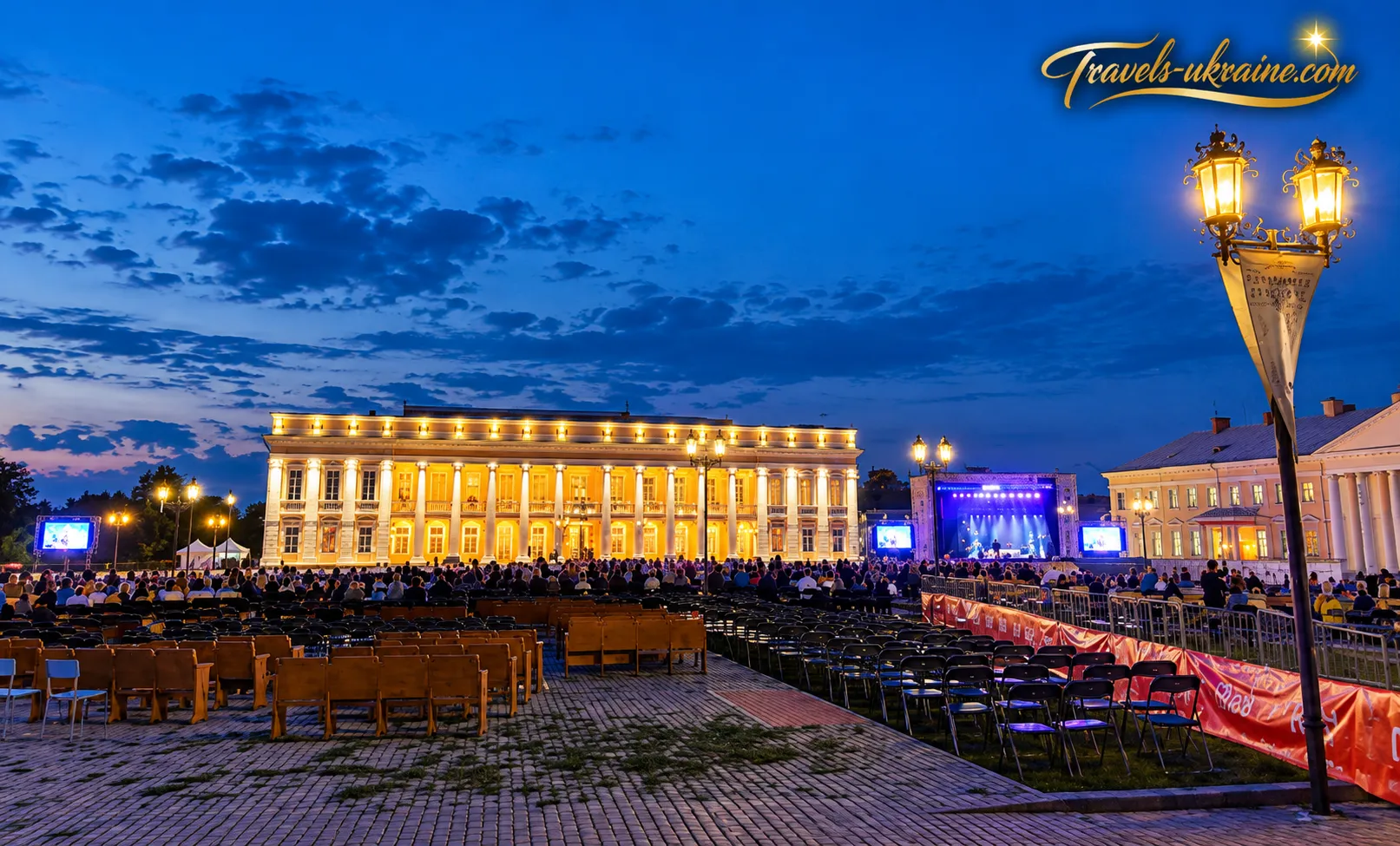
An important event in the popularization of the residence was the launch of the international opera festival OPERAFEST TULCHYN in 2017. Large-scale open-air performances within the palace complex drew attention to the historic landmark and its tourism potential. The festival helped return the palace to the cultural scene and recalled the long musical traditions of the Tulchyn residence. In the 21st century, work was carried out to restore individual elements of the palace and improve its grounds. However, the restoration of such a large complex remains a difficult and long-term process requiring significant resources, professional expertise, and constant attention to authentic architectural details.
Today, the history of the Potocki Palace in Tulchyn continues. The former magnate residence has long since lost its original function, but it has not lost its historical value. It remains a testimony to the complex past of Podillia, where Ukrainian, Polish, and broader European cultural traditions became intertwined. It is precisely this multilayered history that makes the palace special: behind its magnificent architecture lie not only wealth and art, but also human destinies, political conflicts, losses, and efforts to preserve heritage for future generations.

Architecture of Potocki Palace in Tulchyn — What Visitors Should See
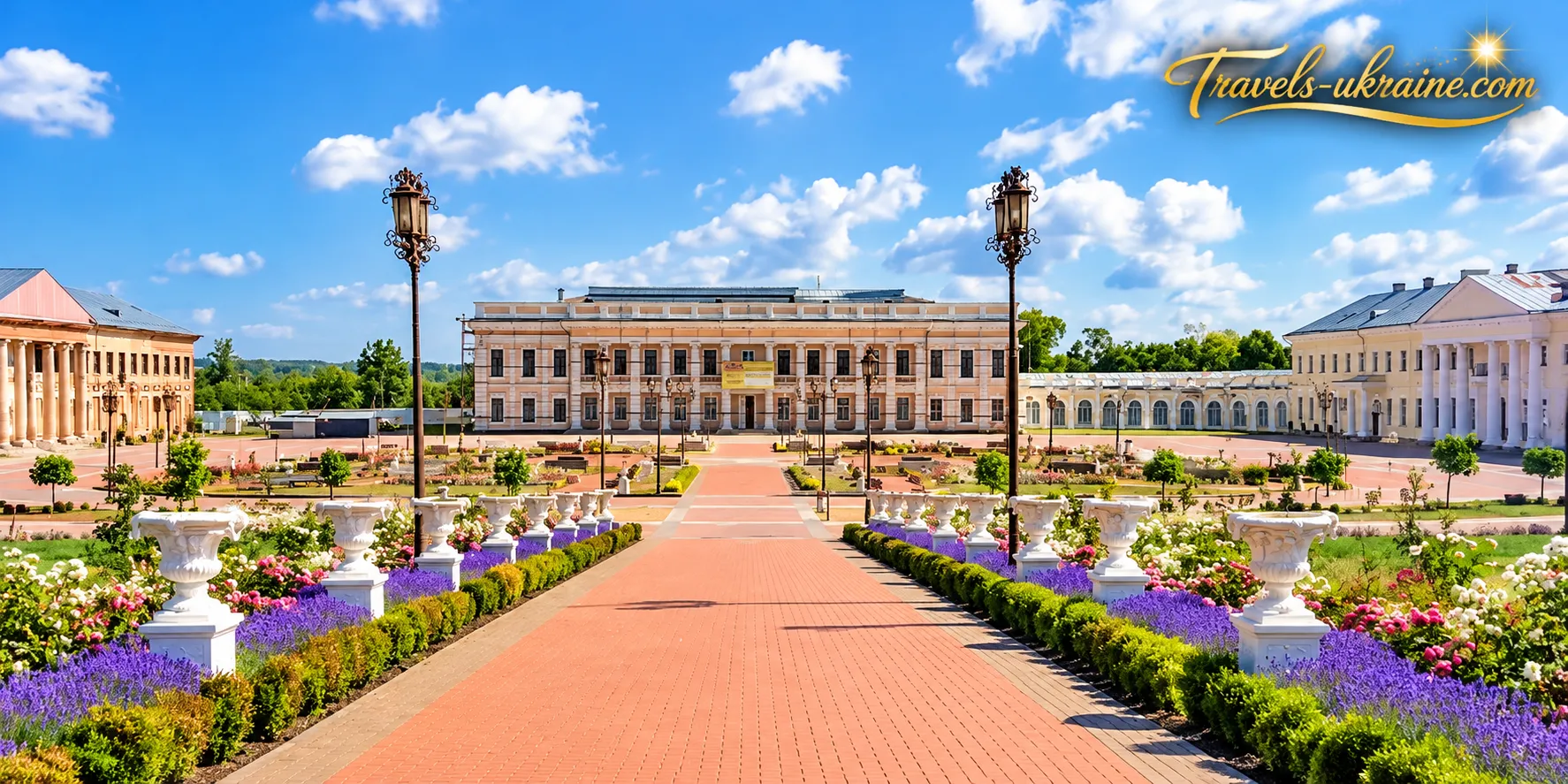
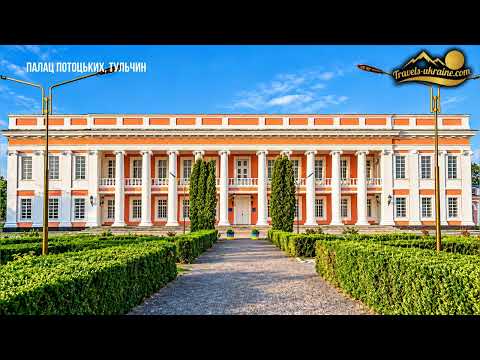
The architecture of Potocki Palace in Tulchyn is one of the finest examples of palace Classicism in Podillia. Unlike many historic residences that have survived only as isolated buildings or ruins, the Tulchyn palace still allows visitors to appreciate the scale of its creators’ original concept. The main building, side wings, surviving sections of connecting galleries, and large ceremonial courtyard form an architectural ensemble that remains impressive even after more than two centuries.
The special character of the Potocki palace and park complex lies not only in the monumentality of its structures, but also in its carefully planned composition. Every building had its place within the overall layout, while symmetry, colonnades, and open spaces created a sense of harmony. The architects sought to combine the representative grandeur of an aristocratic residence with the comfort of a country estate, where living quarters, service buildings, and parkland formed a unified whole.
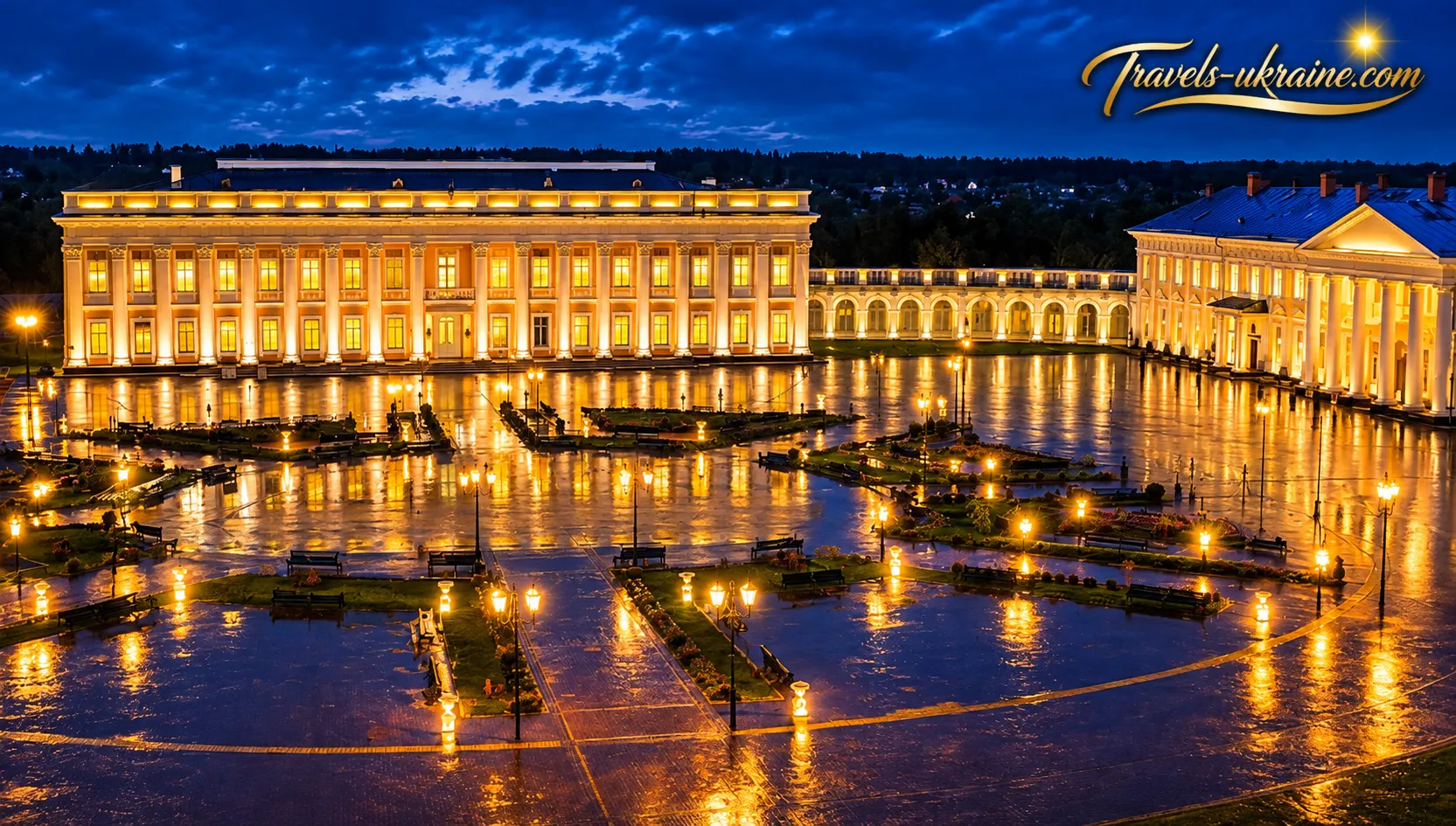
The core of the ensemble is the two-storey main building facing a large open courtyard. Side wings extend on both sides and were originally connected to the central building by curved galleries. In plan, this composition resembles the letter “U,” creating a space known in architecture as a cour d’honneur — a ceremonial courtyard in front of the main palace entrance. The cour d’honneur played an important role in aristocratic ceremony. Guests arriving at the residence first entered a large open space offering a formal view of the central façade. This layout made the building appear not as a standalone house, but as the focal point of a large architectural ensemble.
Originally, the complex was considerably larger than the structures visible today. It included a theater, orangeries, a riding hall, stables, residential and service buildings, as well as other utility structures. Some of these have disappeared, others have been altered, but the overall structure of the main palace group remains recognizable.
The Wings, Galleries, and Ceremonial Courtyard of Potocki Palace
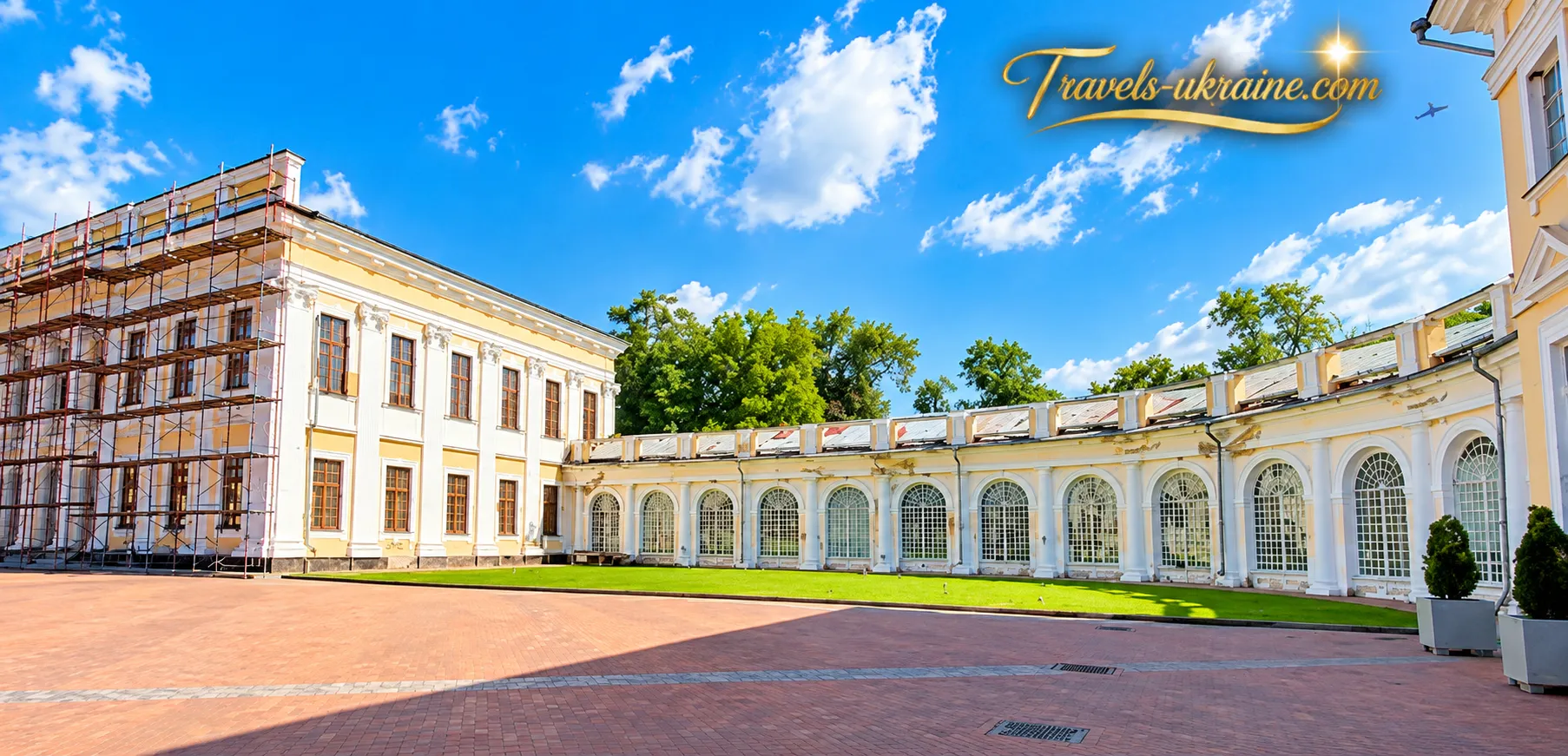
Two side wings located on either side of the ceremonial courtyard form an equally important part of the Potocki architectural ensemble. Their design echoes the appearance of the main building, allowing the entire composition to be perceived as a unified whole. The wings served residential and service functions. They provided accommodation for numerous residents and staff without overloading the main building with utility functions. The central sections of the side buildings feature projecting architectural elements crowned with triangular pediments, giving them a formal appearance.
Particular attention should be paid to the eastern wing of Potocki Palace, whose pediment still displays the family’s “Pilawa” coat of arms. This heraldic symbol recalls the former owners of the residence and is an important historical detail worth examining during a walk around the grounds. Originally, the wings were connected to the main building by curved single-storey galleries. These not only completed the architectural composition, but also served the practical purpose of linking the different parts of the residence. Historical descriptions also associate these galleries with orangery spaces where decorative plants were cultivated.
These connecting passages have survived unevenly. The eastern gallery remains and has undergone restoration work, while the western one has been lost. As a result, the ensemble no longer has the perfect symmetry intended in the original design, although the overall architectural concept remains clear.
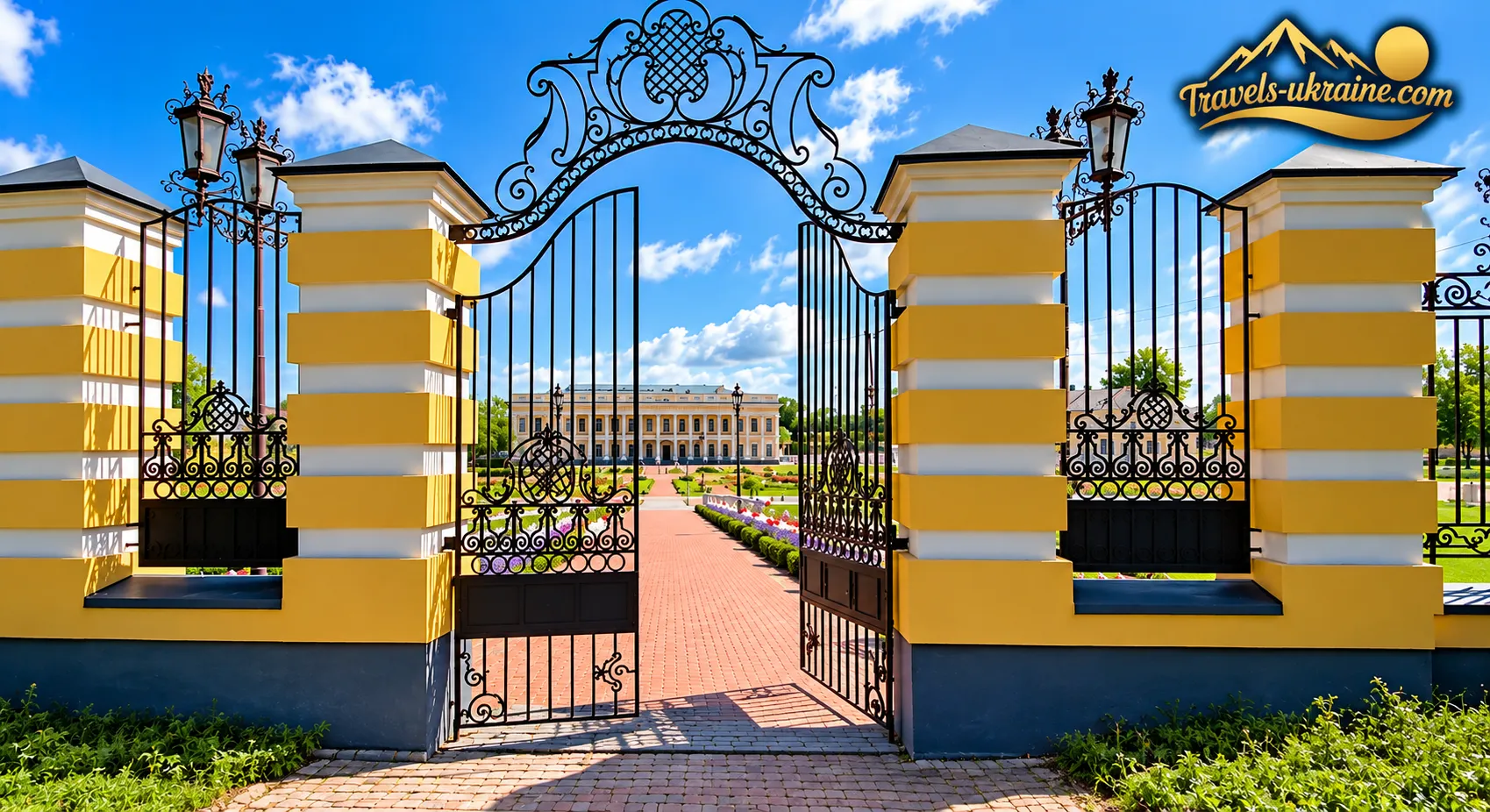
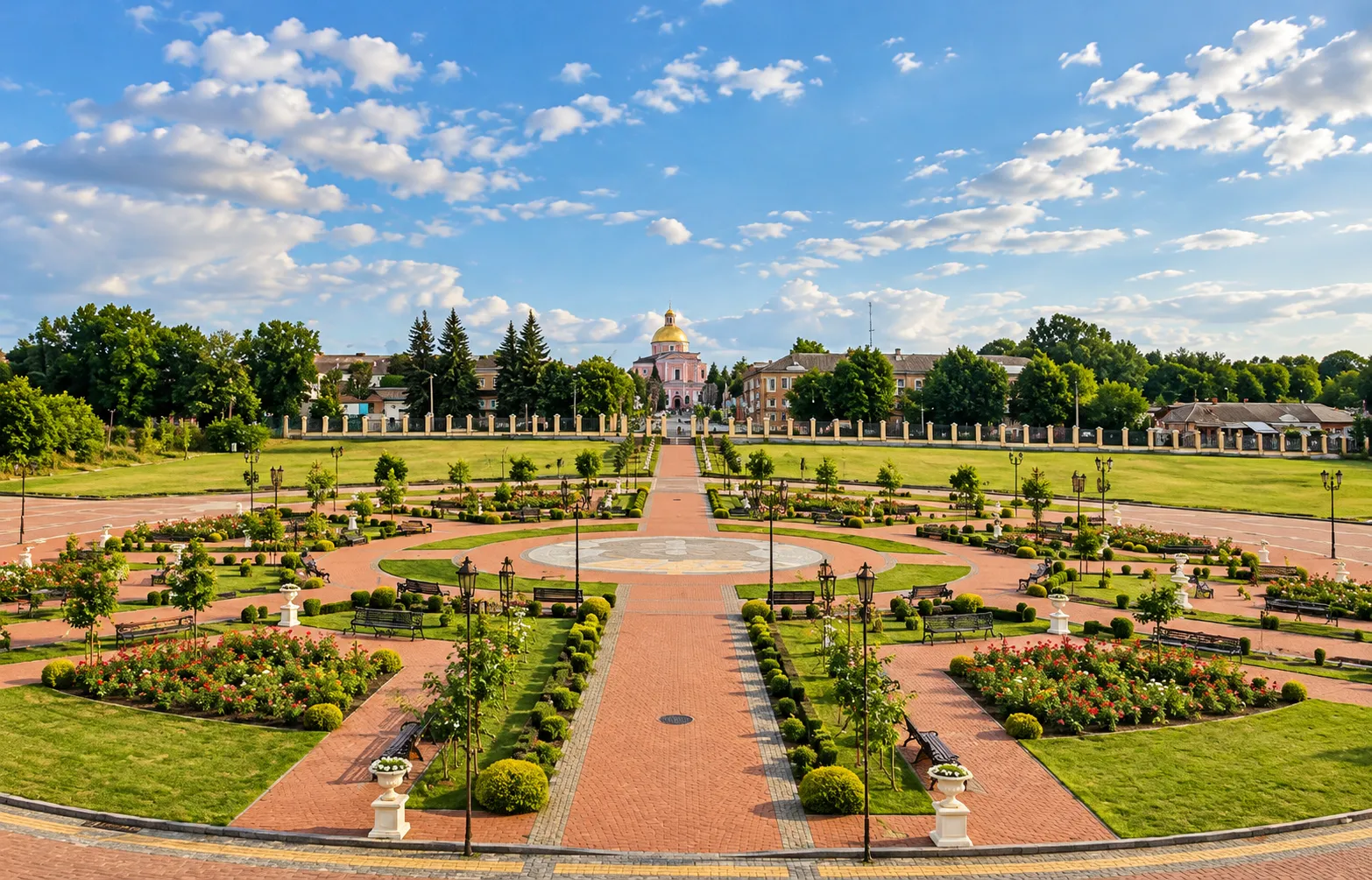
The ceremonial courtyard of Potocki Palace is now one of the best places from which to view the complex. Its open space allows visitors to see the main building and both side wings at the same time. During landscaping work, the central area of the courtyard was decorated with an ornamental representation of the Potocki family coat of arms, which has become another distinctive feature of the ensemble’s modern appearance.
The Interiors of Potocki Palace — Traces of Former Splendor
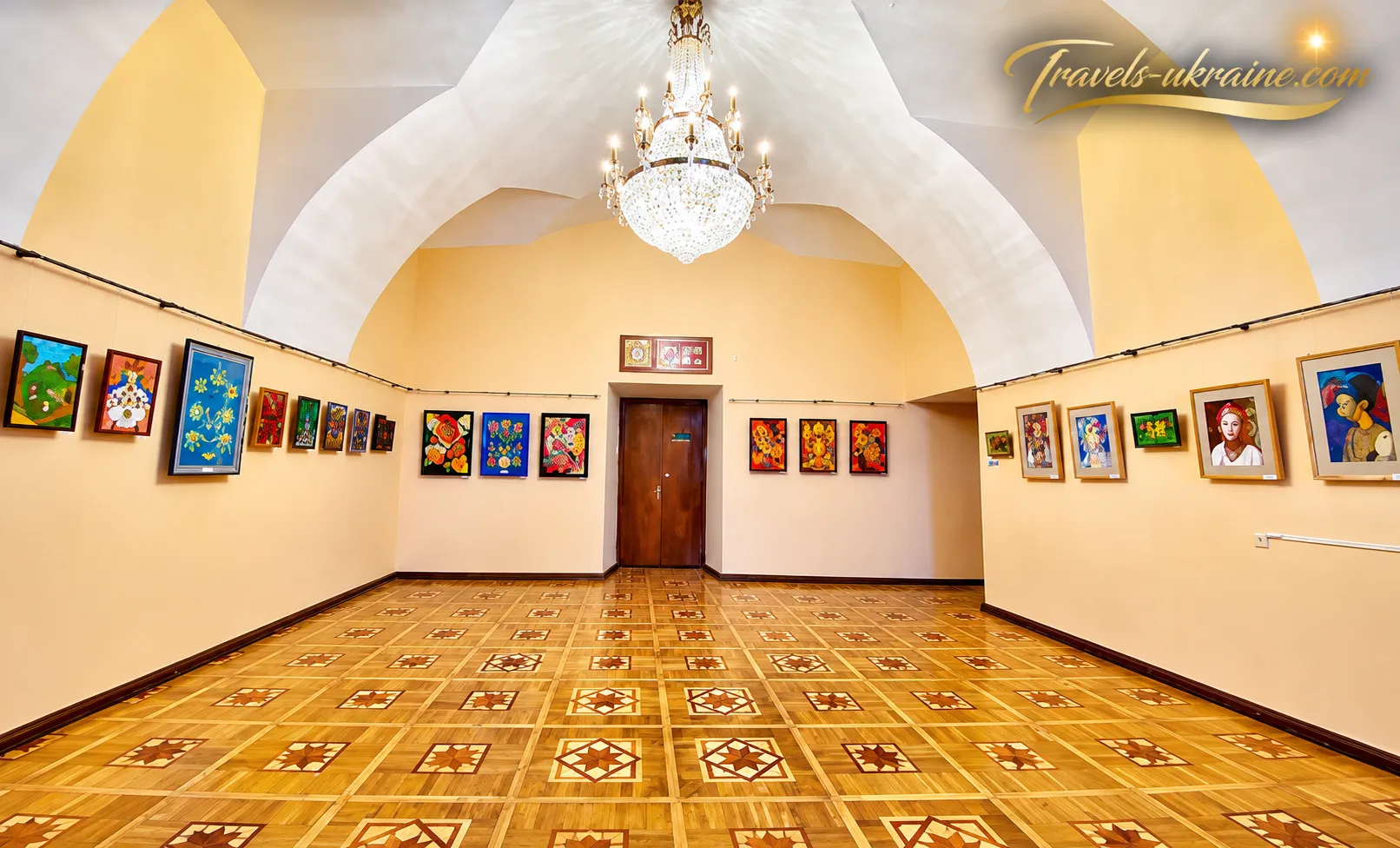
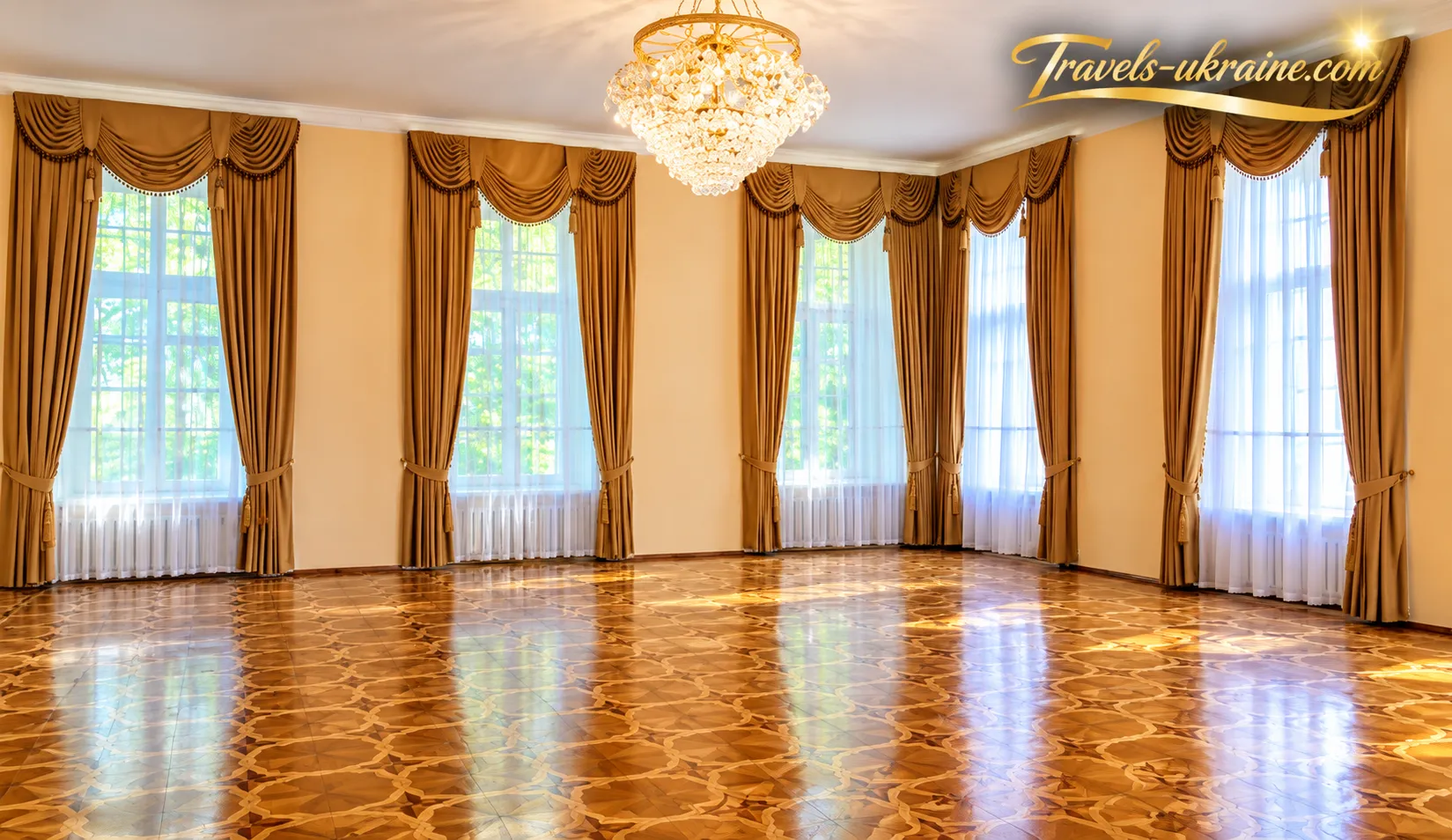
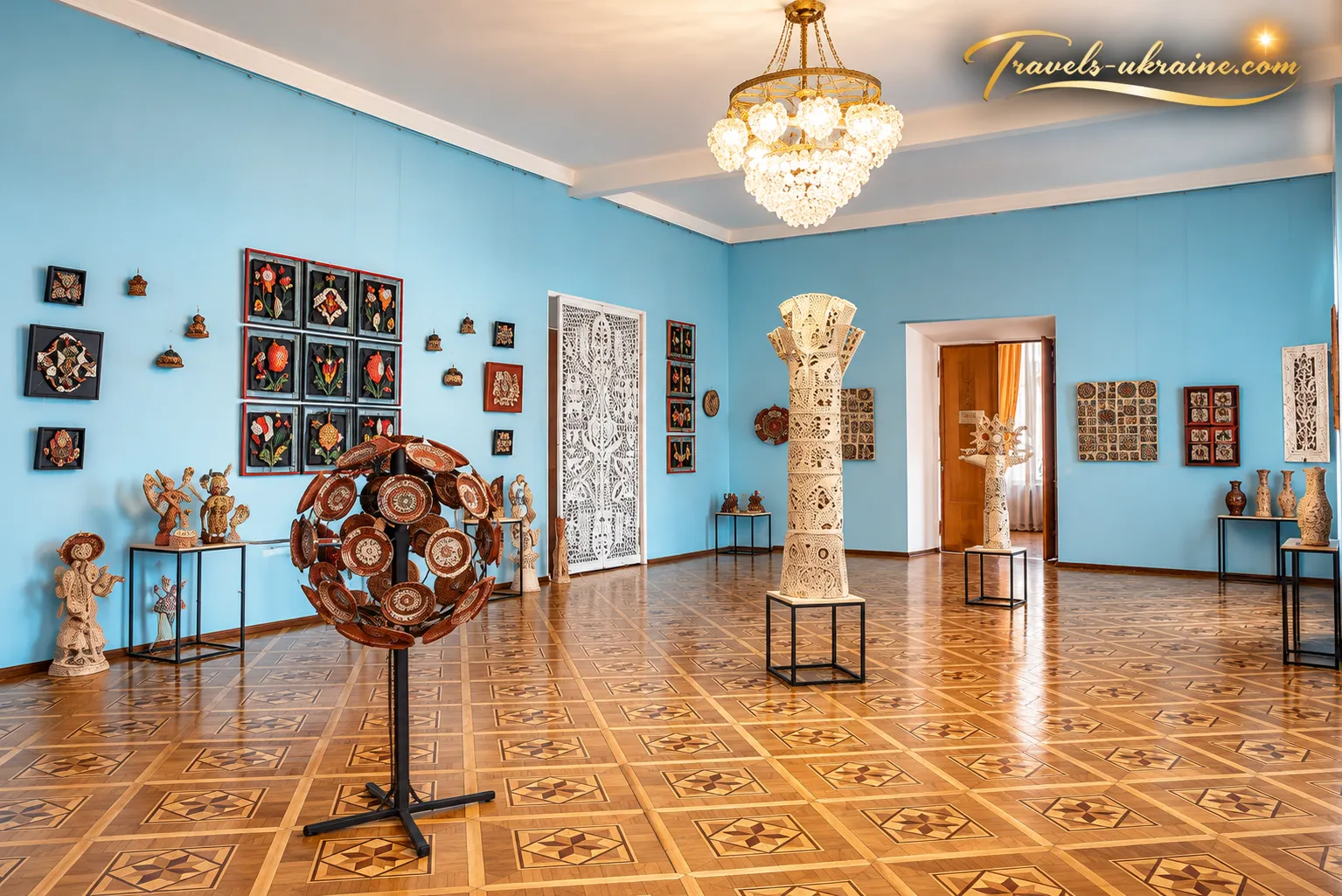
While the exterior architecture of the Tulchyn palace has largely preserved its original character, its interiors have undergone far greater changes. In the 18th century, the residence was famous for its rich decoration, large state rooms, collections of paintings, furniture, and decorative elements reflecting the high social status of its owners.
The palace layout was characterized by the enfilade principle, in which the doorways of several adjacent rooms were arranged along a single axis. This created a long perspective allowing several rooms to be seen at once. The technique was widely used in European aristocratic residences, particularly in formal sections of buildings.
The second floor of the main building contained reception rooms intended for formal receptions, ceremonial meetings, and other events of high society. These were reached by broad ceremonial staircases that formed an important part of the interior composition. One of the most valuable surviving fragments of the historic decoration is the central vestibule of Potocki Palace. Architectural details have partially survived here, providing some idea of the residence’s original interior design. Particular attention is drawn to the ceremonial staircase with decorative metal elements that recall the aristocratic character of the building.
At the same time, it is important to understand that most of the former interiors have not survived in authentic form. Fires, numerous alterations, and prolonged use of the rooms for military and educational purposes led to the loss of the historic décor. The modern palace should therefore not be imagined as a museum with fully reconstructed 18th-century halls.
Part of the main building is used by an educational institution, so access to the interiors depends on current regulations and the organization of guided tours. Before traveling, it is worth checking whether visits to the interior rooms are available. Even without entering the halls, however, the exterior architecture of the complex has considerable tourist value.
“Khoroshe” Park — the Lost Landscape Ornament of the Residence
In the 18th century, the palace was surrounded by a large landscape park known as “Khoroshe”. It formed an integral part of the palace ensemble and emphasized the status of the residence as one of the most luxurious magnate estates in Podillia. The park was created according to contemporary European ideas of landscape design. Unlike formal gardens with strict geometric forms, landscape planning sought to recreate natural scenery by combining trees, bodies of water, lawns, and winding walking paths.
Foreign specialists were involved in creating the park composition, including an English gardener named Miller mentioned in historical sources. “Khoroshe” contained ornamental ponds, canals, fountains, sculptures, and orangeries. Certain sections of the garden were decorated with exotic plants that required special conditions and constant care.
The park served not only a decorative function. It was also a place for walking, relaxation, and informal communication between residents of the estate and Potocki’s guests. Its avenues and ponds were associated with a distinctive atmosphere of aristocratic country life in which nature became a continuation of the architectural space.
Unfortunately, the historic “Khoroshe” park has not survived as a complete landscape ensemble. Over time, the territory changed, some plantings and decorative structures were lost, and the original layout was significantly altered. Modern visitors should therefore not expect to see the park as it existed during the lifetime of Stanisław Potocki.
What Has Survived of Potocki Palace and What Visitors Should Look For
Despite numerous historical losses, the palace in Tulchyn remains an exceptionally interesting destination for lovers of architecture, history, and photography. The main palace group is the most valuable part of the complex to explore, as it still reveals the compositional vision of the 18th century. During a walk around the grounds, it is worth paying attention to the following architectural features:
- The central façade of the palace — a monumental colonnade of ten Ionic columns forming the residence’s most recognizable view.
- The ceremonial courtyard — a large open space offering the best impression of the scale and layout of the ensemble.
- The eastern and western wings — side buildings that help reveal the symmetrical composition of the complex.
- The “Pilawa” family coat of arms — the historic heraldic symbol of the Potocki family displayed on the pediment of the eastern wing.
- Surviving galleries and fragments of connecting passages — evidence of how the main building was linked with other parts of the residence.
- The central vestibule and ceremonial staircase — valuable surviving elements of the historic interior space, which may be viewed when access to the building is available.
For photography, the central perspective from the ceremonial courtyard is particularly successful. From here, the main façade and part of the side buildings can be included in one frame, emphasizing the symmetry of the architectural ensemble. Interesting photographs can also be taken near the colonnades, where the details of the capitals, the form of the columns, and the rhythm of the architectural lines are clearly visible.
It is also worth walking around the accessible parts of the complex and viewing it from different angles. This is the best way to notice the difference between restored sections and areas that still require further conservation. However, visitors should not enter closed, unsafe, or active construction zones, as some historic structures may be in poor technical condition.
The relationship between the palace and the historic urban fabric of Tulchyn also deserves attention. The residence did not exist in isolation from the town: its layout, ceremonial approaches, and surrounding buildings influenced the development of the urban environment. A visit to the palace should therefore be followed by a walk through central Tulchyn, where other landmarks connected with the history of Podillia have survived.
What to See in Tulchyn — the City’s Most Interesting Attractions
Tulchyn is a small historic town in Vinnytsia Oblast that can pleasantly surprise even experienced travelers. Although Potocki Palace is considered the city’s main tourist attraction, its cultural heritage is considerably richer. Historic churches, aristocratic residences, unusual museums, and places connected with prominent Ukrainian cultural figures turn a walk through Tulchyn into an interesting journey through different historical eras.
One of the city’s special features is the combination of 18th- and 19th-century architectural heritage with the musical history of Ukraine. An important period in the life of composer Mykola Leontovych, the author of the world-famous “Shchedryk,” is associated with Tulchyn. Here, visitors can see buildings that remember the Potocki era, visit memorial exhibitions, and experience the atmosphere of an old Podillian town.
If you are planning to visit Potocki Palace in Tulchyn, it is worth setting aside additional time to explore the city’s other landmarks. Many interesting places are located in the central area and can conveniently be combined into one walking route.
The Small Potocki Palace — Another Historic Residence in Tulchyn
Among the most interesting architectural landmarks of Tulchyn is the Small Potocki Palace, also known as the Upper Palace. This two-storey building was constructed in 1775 in the Classical style. Despite sharing its name with the main residence, it is a separate historical site with its own equally interesting history.
The building is characterized by restrained Classical architecture, a symmetrical façade, and proportions typical of the 18th century. Unlike the grand main palace ensemble, the Small Palace has a more intimate character and offers a different example of aristocratic architecture from the Podillia of that period.
At the end of the 18th century, the building was used for military purposes. In 1796–1797, it housed the headquarters of Russian military commander Alexander Suvorov, and in the early 19th century the building was also associated with military administration. Its function later changed several times, which affected its original appearance and internal layout. Today, the Small Potocki Palace is primarily interesting as a surviving historic building. It is worth adding to a tourist route for anyone wishing to better understand the architectural development of Tulchyn and see landmarks connected with different chapters of the city’s history.
Mykola Leontovych Memorial Apartment Museum — the Story of the World-Famous “Shchedryk”
One of the most interesting places to visit in Tulchyn is the Mykola Leontovych Memorial Apartment Museum. It is dedicated to the outstanding Ukrainian composer, choral conductor, and teacher whose name became part of world musical culture thanks to the famous “Shchedryk.”
Mykola Leontovych lived in Tulchyn from 1908 to 1921, working as a singing teacher at the diocesan women’s school. This period became one of the most important in his creative biography. The composer continued arranging Ukrainian folk songs, refined his choral works, and developed his own distinctive musical style.
The memorial museum opened in 1977 to mark the centenary of the composer’s birth. Its exhibition recreates the atmosphere of his everyday life and introduces visitors to his artistic legacy. Personal belongings of Leontovych are displayed here, including a tuning fork, conductor’s baton, work furniture, travel case, and other objects.
The story of “Shchedryk,” the Ukrainian folk song that Leontovych transformed into a world-famous choral work, is of particular interest. Today, its melody is familiar to millions of people under the English title “Carol of the Bells.” A visit to the museum helps visitors understand the scale of the Ukrainian composer’s contribution to world musical heritage.
Leontovych Art Quarter — the Artistic Atmosphere of Modern Tulchyn
You can continue exploring the city’s musical heritage in the Leontovych Art Quarter — a cultural space in Tulchyn dedicated to the memory of the famous composer. This part of the city combines a historic setting with modern artistic elements and has become one of its recognizable tourist locations.
The Art Quarter was developed as a space that recalls Leontovych’s work and promotes Ukrainian musical culture. Its distinctive feature is the thematic artistic design of the urban environment, which turns an ordinary walk into a kind of introduction to the history of “Shchedryk.” Visitors should pay attention to thematic art installations, decorative elements, and places associated with preserving the composer’s memory.
A visit to the Leontovych Art Quarter can logically be combined with a tour of the memorial museum. Together, these two sites provide a fuller understanding of Tulchyn’s musical history and the cultural heritage of which the city is proud.
Tulchyn Museum of Local History — Discovering the City’s Past
Those who want to explore the history of Tulchyn and Vinnytsia Oblast in greater depth should visit the local museum of local history. Its exhibitions are devoted to the development of the city, the cultural traditions of Podillia, historical events, and people who left a significant mark on the life of the region. The museum’s collections make it possible to view Tulchyn more broadly than solely through the history of Potocki Palace. The city has a multilayered past connected with the development of trade, crafts, religious communities, military affairs, and public life.
A visit to the museum is especially useful for those who want to understand the historical environment in which the aristocratic residence emerged and developed. Museum materials complement impressions of the architectural landmarks and help reveal the connections between different historical periods.
The Pharmacy Museum in Tulchyn — an Unusual History of Medicine in Podillia
One of the most original tourist attractions in Tulchyn is the Pharmacy Museum, dedicated to the history of pharmacy and medicine. Its exhibition introduces visitors to old pharmaceutical tools, vessels, documents, and objects once used for preparing and storing medicines.
The museum was initiated by physician and local historian Ivan Zeliuk. The collection began with discoveries of pharmacy equipment during construction work in Kyrnasivka. Research into the history of local pharmacies later grew into a large-scale local history project, resulting in the museum’s opening in 2016.
Authentic pharmaceutical objects from the 19th and 20th centuries are especially valuable. These include porcelain mortars, glass containers, historic bottles, scales, instruments, and archival documents. Some of the materials help trace the development of pharmacy in Tulchyn back to the period of the Potocki family.
Potocki Palace in Tulchyn — Frequently Asked Questions
Where is Potocki Palace in Tulchyn located?
Potocki Palace is located in the central part of Tulchyn, Vinnytsia Oblast, at 10 Nezalezhnosti Street. The historic residence is approximately 80 kilometers by road from Vinnytsia. Since the palace is located within the town, it is easy to find using a navigation app. To plan your route, simply enter “Potocki Palace, Tulchyn” or the address above.
How do you get to Potocki Palace from Vinnytsia?
You can travel from Vinnytsia to Tulchyn by private car or intercity bus. The drive usually takes about 1.5 hours depending on the route, road conditions, and traffic. Bus services also operate between the cities, although the current timetable and departure point should be checked before traveling. After arriving in Tulchyn, the palace can be reached on foot or by local transport depending on where you get off.
Is there parking near the Tulchyn palace?
Visitors arriving by car can look for permitted parking spaces on nearby streets in central Tulchyn. The existence of a dedicated official tourist car park directly beside the palace has not been confirmed. Before leaving your vehicle, pay attention to road signs and any parking restrictions. Access by car onto the grounds of the historic complex should not be assumed to be permitted without approval from the administration.
Can you go inside Potocki Palace?
Access to the interior of Potocki Palace in Tulchyn may be limited because part of the historic complex is used by the Tulchyn Professional College of Culture. The palace does not operate as a conventional museum with halls permanently open to visitors. Certain rooms may be accessible during organized tours, exhibitions, or cultural events. The possibility of visiting the interiors should be checked in advance.
Are guided tours of Potocki Palace in Tulchyn available?
Yes. Potocki Palace is included in sightseeing routes around Tulchyn. In particular, the student travel agency “Faini Mandry” at the Tulchyn Professional College of Culture has published a route called “The Versailles of Podillia,” dedicated to the former residence of Stanisław Potocki. The approximate duration of such a tour is 45 minutes. Before traveling, it is necessary to check whether tours are currently available, how to book, and which parts of the complex are included in the program.
Can you photograph Potocki Palace?
Potocki Palace in Tulchyn is a popular architectural location for travel photography. Some of the best views are from the ceremonial courtyard, where the main building, colonnade, and side wings can be clearly seen. Photography from open public areas usually does not require special permission. However, separate rules may apply to photography inside the buildings, use of professional equipment, or commercial photo shoots, and these should be checked with the administration.
When is the best time to visit Potocki Palace in Tulchyn?
The most comfortable period for visiting Potocki Palace in Tulchyn is spring, summer, and early autumn, when the weather is suitable for walks through the historic center. In spring and summer, the surrounding greenery provides a pleasant setting for the historic architecture, while in autumn the palace ensemble looks especially striking among golden foliage. For photographing the façades, daytime with soft lighting is preferable. If your main goal is a guided tour or access to the interiors, it is more important to confirm availability in advance than to choose your visit based only on the season.
The Palace in Tulchyn — a Heritage Site Worth Seeing with Your Own Eyes
Potocki Palace in Tulchyn is much more than an old architectural monument. Its magnificent colonnades, spacious ceremonial courtyards, and surviving buildings tell the story of an entire era when Podillia was a center of aristocratic culture, art, and important political events. Despite the loss of much of its former luxury, the residence still retains a distinctive atmosphere and remains one of the most impressive palace ensembles in Ukraine.
A visit to the Versailles of Podillia makes it possible not only to appreciate the beauty of 18th-century architecture, but also to reflect on how complex the fate of historic monuments can be. The contrast between former grandeur and the present day is particularly tangible here, while every surviving architectural element serves as a reminder of the need to treat cultural heritage with care.
The town of Tulchyn itself also deserves special attention — a place with a rich history, historic churches, museums, and locations connected with prominent figures of Ukrainian culture. A walk along its historic streets is an excellent continuation of a visit to the palace and helps reveal lesser-known pages of Vinnytsia Oblast’s past. If you are interested in historical landmarks of Podillia, the architecture of old palaces, or unusual tourist destinations in Ukraine, Tulchyn certainly deserves a place on your itinerary. Potocki Palace does not promise visitors fully reconstructed royal interiors or museum-like luxury, but it offers something no less valuable — the opportunity to see genuine architectural heritage that has survived for centuries and continues to preserve the memory of its past.

No Comment
You can post first response comment.