
 English
 Українська
 Български
 Hrvatski
 Čeština
 Dansk
Dansk Nederlands
 Eesti
Eesti Suomi
Suomi Français
 Deutsch
 Ελληνικα
 Magyar
 Íslenska
 Italiano
 Latviešu
 Lietuvos
 Polski
 Português
 Română
 Русский
 Српски
 Slovenčina
 Slovenščina
 Español
 Svenska
 Türkçe
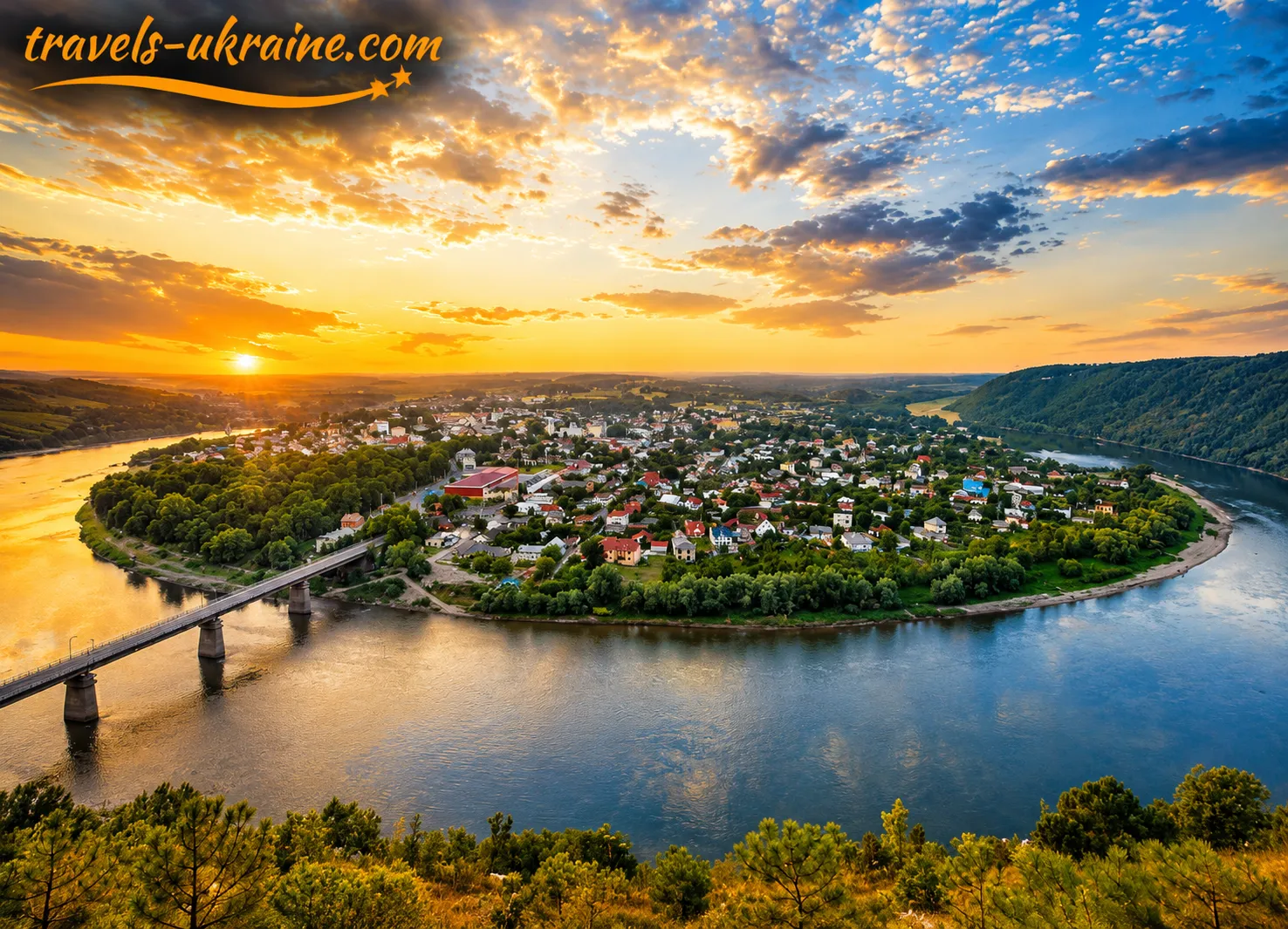
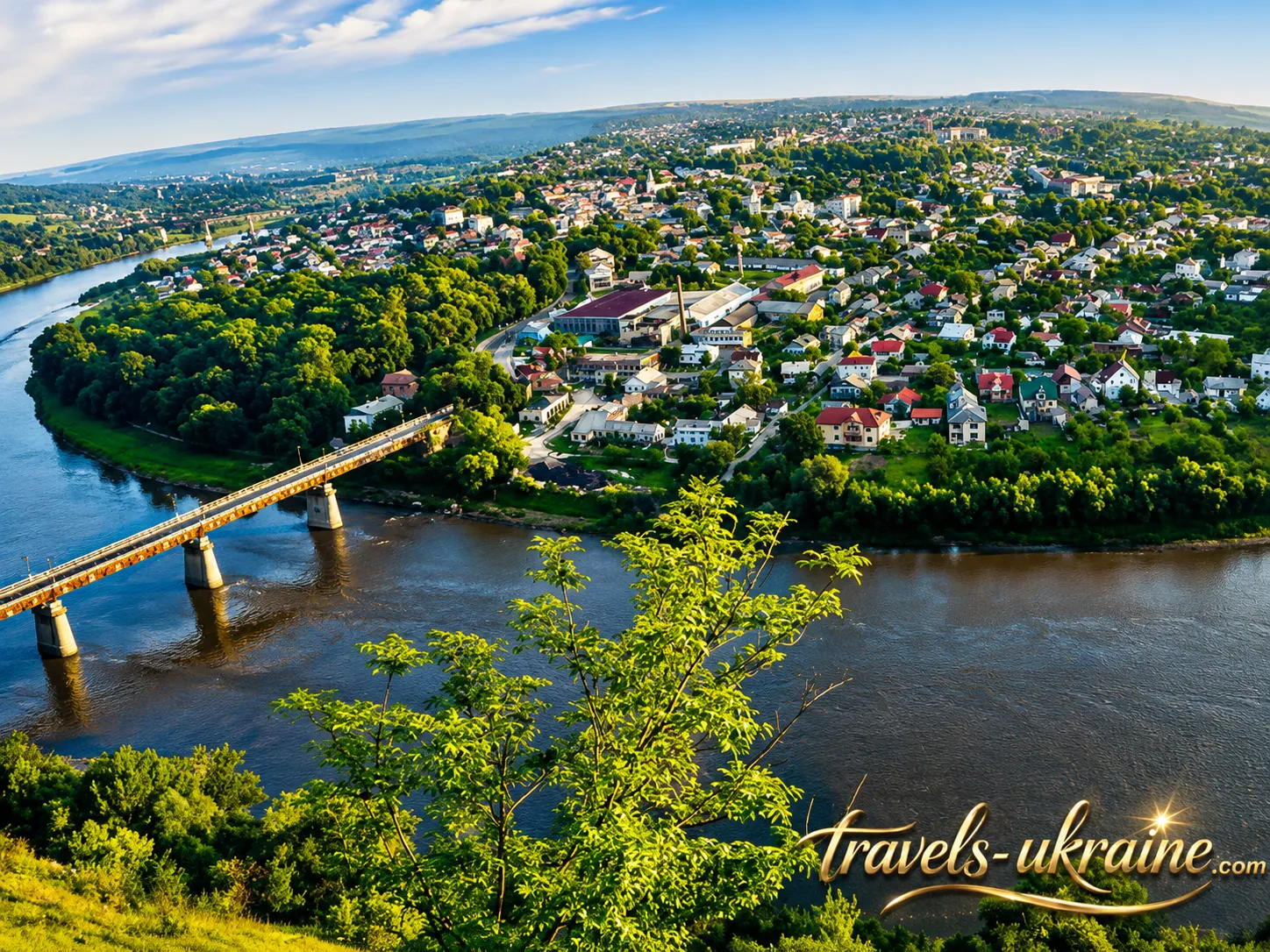
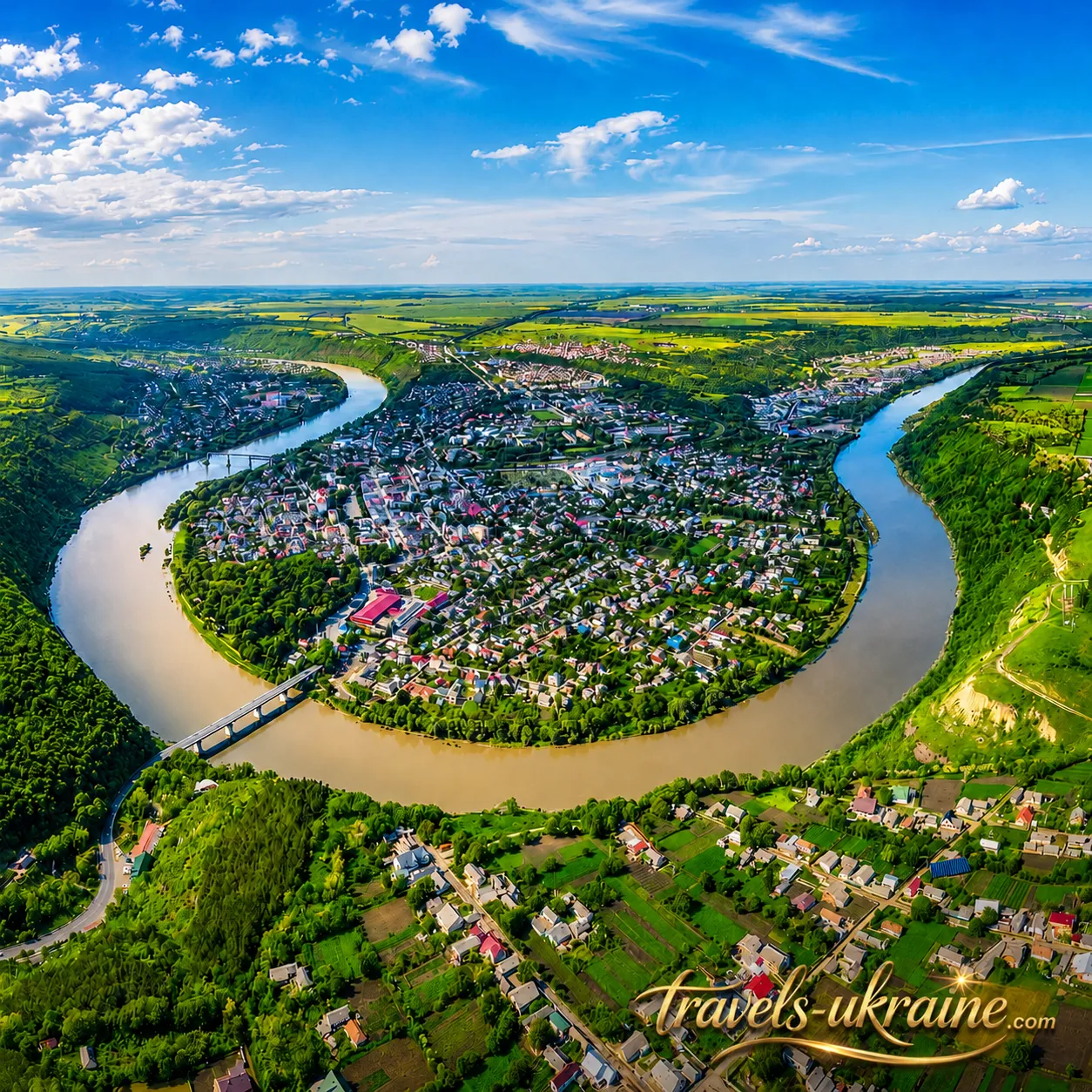
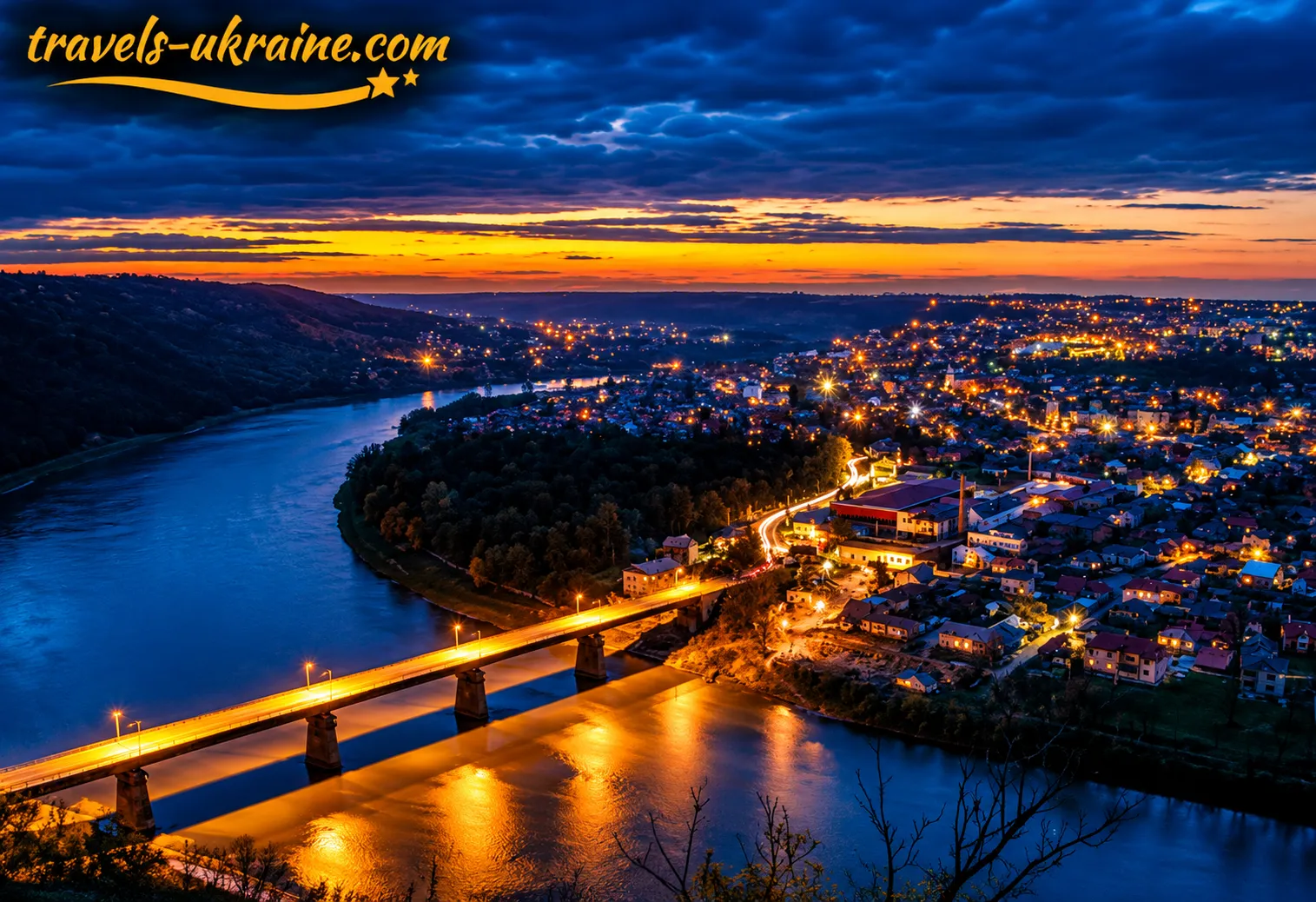
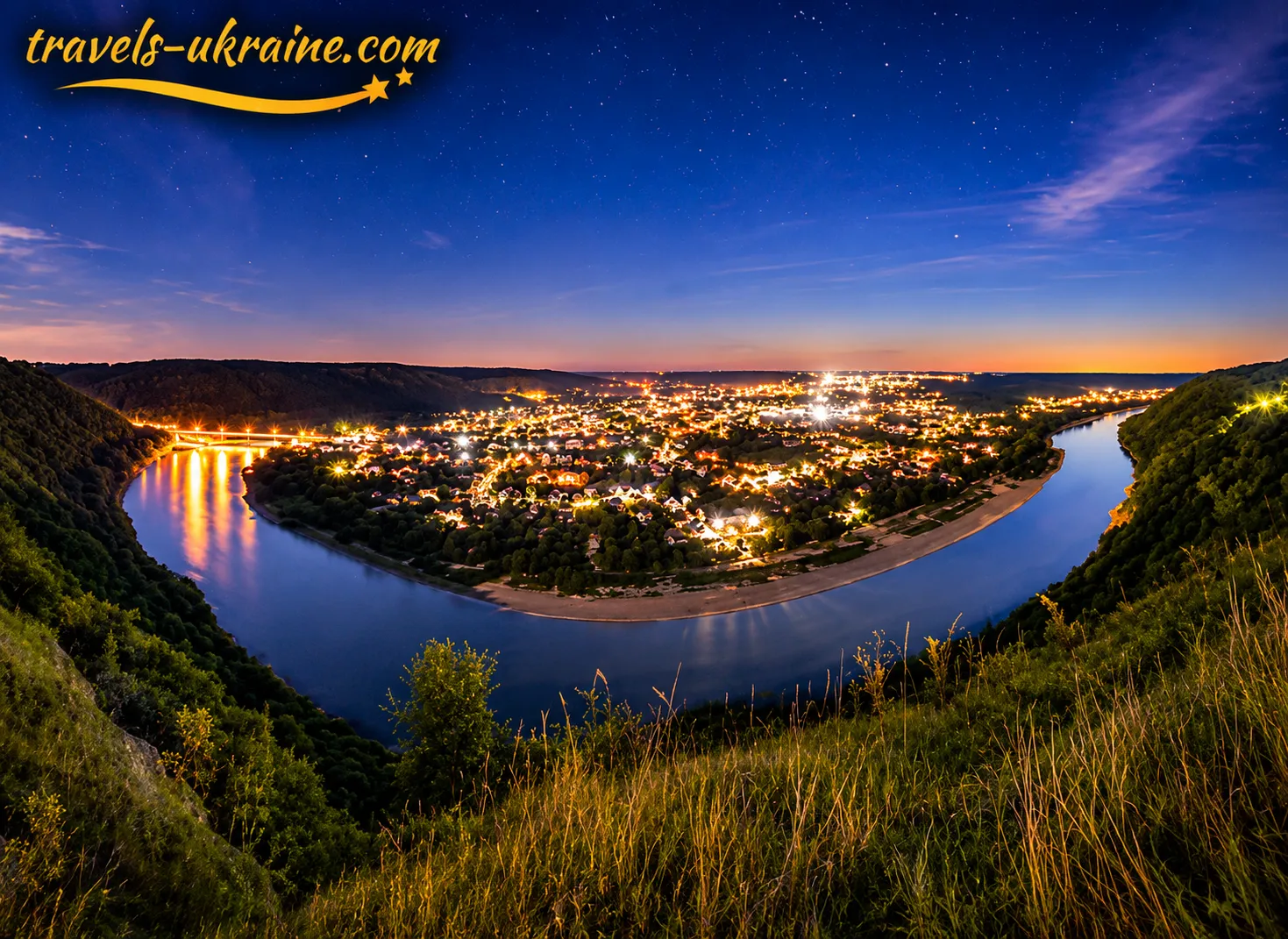
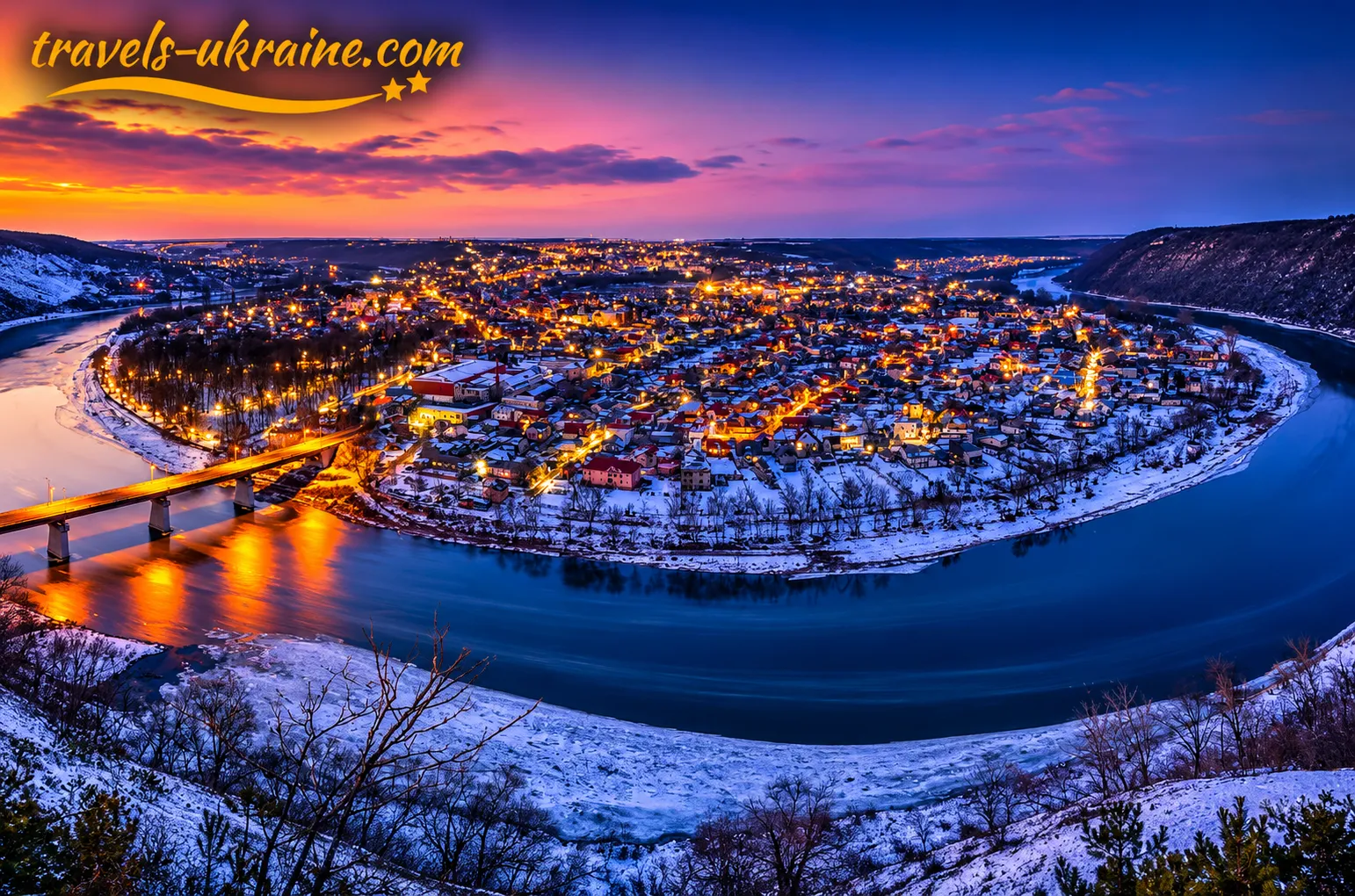
Some places need no lengthy explanation—you only have to see them from above once. Zalishchyky are exactly that kind of place. This small town in southern Ternopil region lies within a remarkable natural bend of the Dniester, as though the river does not simply flow past it but gently holds it in its green embrace. At first glance, it seems like a quiet provincial corner, yet climb to the viewpoint and an unforgettable scene unfolds before you. Here, the Dniester makes a wide curve, as if embracing the town from every side and leaving it in a green bowl of hills, gardens, and ancient riverbanks.
It is this unique natural landscape that often invites comparisons between Zalishchyky and Germany’s famous Saar Loop—the renowned river bend that has become one of Europe’s most recognizable panoramas. Yet Ukraine’s Zalishchyky have a character of their own: the landscape impresses not only with its scale but also enchants with its silence, soft Podolian light, and the feeling that nature created this place especially for travelers, photographers, and anyone seeking genuine beauty without unnecessary noise or grandstanding.
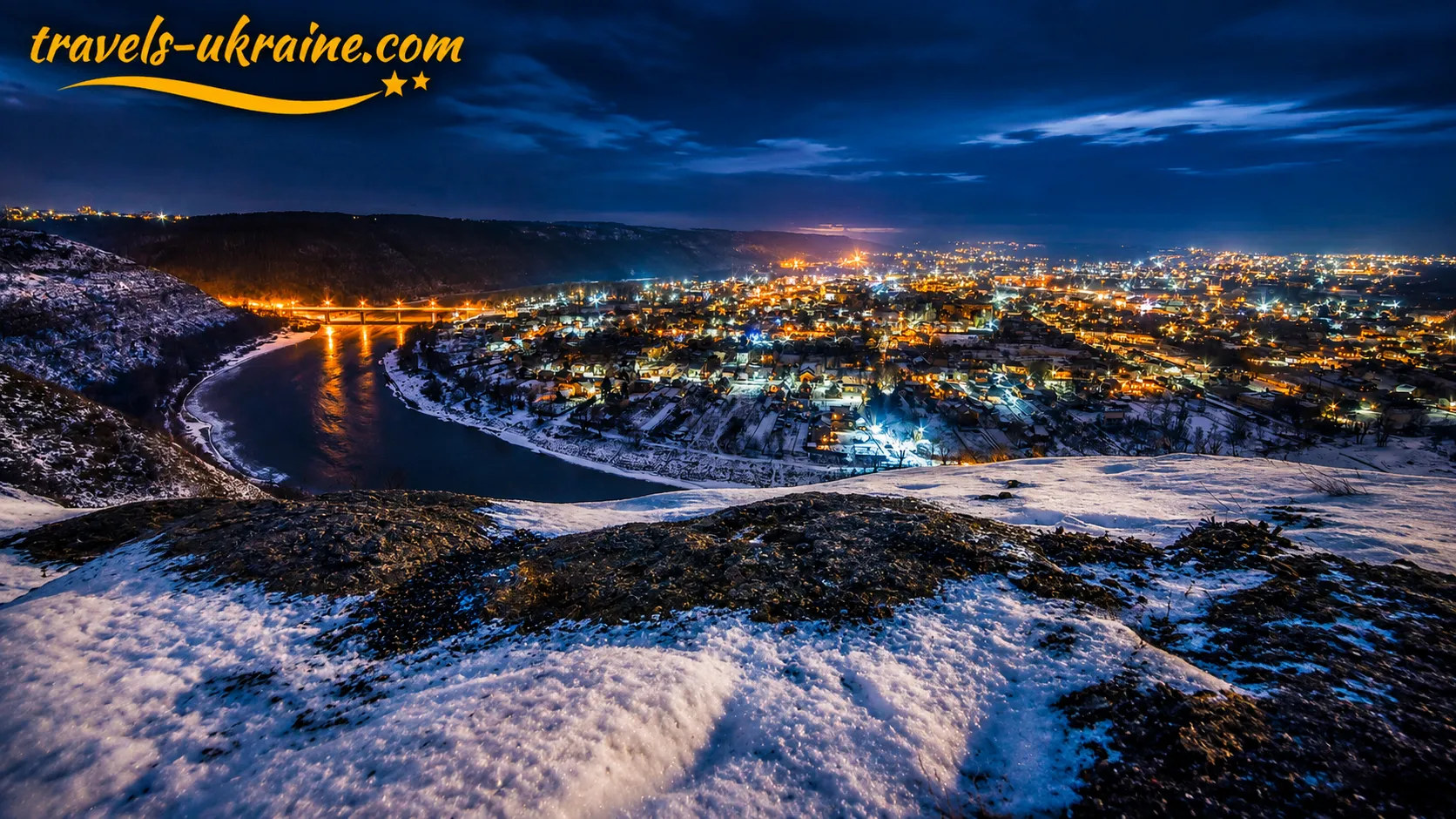
The canyon is beautiful at any time of year. In spring, the slopes come alive with fresh greenery; in summer, the Dniester shimmers in the sunlight; in autumn, the town is immersed in warm colors; and in winter, it takes on a restrained, almost fairytale-like grandeur. Sunrise and sunset here are a true performance of nature: the sky changes color, the water slowly reflects the light, and the town below seems to pause for a few minutes, just for you.
Even in overcast weather, the panorama of Zalishchyky does not lose its magic. On the contrary, mist over the Dniester, dark outlines of the cliffs, and the soft light filtering through the clouds lend it a special mystery. At moments like these, it feels less like an ordinary landscape and more like a page from ancient history that nature has not yet fully revealed to humankind. That is why this small town is not merely a place to see, but one to experience—slowly, attentively, and without haste.
The best-known viewpoint over Zalishchyky is not in the town itself but on the opposite bank, near the village of Khreshchatyk in Chernivtsi region. From there, travelers are greeted by a fairytale-like panorama of the Dniester, with a clear view of the river’s broad meander around the town. From this vantage point, Zalishchyky look almost like an island: houses, gardens, roads, and green slopes lie in a vast natural bowl while the river traces a smooth blue-green arc around them.
Why a trip to Zalishchyky is unforgettable at first sight
People travel to Zalishchyky for more than a beautiful photograph. They come for a sense of space, the Dniester’s unhurried rhythm, morning mist over the water, warm Podolian light, and the chance to see nature create a landscape more powerful than any architecture. The Dniester Canyon near Zalishchyky has a special atmosphere: it does not feel like an accidental stop along the way. Instead, it seems as though the road itself leads here.
For tourists, Zalishchyky are appealing because they combine several types of travel. This may be a peaceful weekend trip to Zalishchyky, a short «Zalishchyky in one day» itinerary, a family holiday on the Dniester, a photo journey to the viewpoint, or an active tour with riverside walks, swimming in the warm season, and visits to nearby attractions. For those who love the water, there is another reason to come to this wonderful town: you can enjoy rafting on the Dniester, kayaking, fascinating canyon routes, and longer river journeys.
Who should visit Zalishchyky
Zalishchyky will appeal both to those discovering the Dniester Canyon for the first time and to travelers who have already explored Podolia but want to see it from a new perspective. It is a destination for photographers, families, couples, nature lovers, eco-tourism enthusiasts, road trippers, cyclists, and anyone seeking not a noisy resort but a beautiful natural landmark with character.
The history of Zalishchyky as a renowned resort on the Dniester
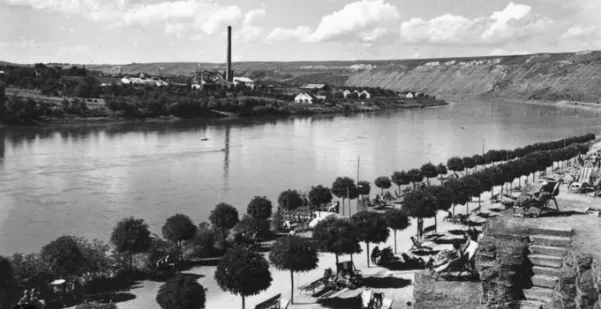
The history of Zalishchyky began long before the town became known for its fairytale panorama. Today, tourists most often search for Zalishchyky Dniester Canyon or what to see in Zalishchyky, but behind these popular travel queries lies a much deeper story. This town did not emerge by chance beside a beautiful river—its destiny was shaped over centuries by the Dniester, trade routes, its borderland location, mild climate, and the distinctive beauty of the Podolian landscape.
The first historical references to settlements in this area date back to the Middle Ages. At that time, the Dniester was not only a natural boundary but also a vital lifeline: goods, news, craftspeople, military detachments, and travelers moved along it. The riverbanks had long attracted people with their fertile land, warmer microclimate, and opportunities to control crossings. As a result, the territory of modern-day Zalishchyky gradually became an important population center where the interests of different states, families, and cultures intertwined.
To understand Zalishchyky, you must first understand the Dniester. The river created the natural amphitheater that now captivates travelers from the viewpoint near Khreshchatyk. The Dniester’s bend did more than beautify the town—it shaped its character. On one hand, the water provided protection, moisture, fish, fertile banks, and a means of communication. On the other, it reminded people that life here had always depended on nature: water levels, weather, harvests, mist, and the strength of the current.
In past centuries, the Dniester was a living artery of the region. Settlements formed along its banks, crafts developed, roads appeared, and the surrounding slopes became covered with orchards and vineyards. Therefore, the Dniester Canyon in Zalishchyky is more than a natural landmark for photographs. It is a space preserving memories of ancient daily life, trade, crossings, human labor, and the long struggle for a place in the sun.
Zalishchyky as a resort: when the town lived to the rhythm of leisure
The brightest chapter in Zalishchyky’s history is connected with its resort era. Thanks to its warm climate, picturesque landscapes, and location in the Dniester valley, the town gradually came to be regarded as a place for health retreats and summer holidays. Visitors valued the clean air, sunny days, river swimming, riverside walks, and distinctive atmosphere of southern Podolia. For many guests, Zalishchyky became more than a point on the map: it was a small world where summer had its own scent—that of water, fruit orchards, sun-warmed earth, and evening coolness.
During the interwar period, Zalishchyky gained a reputation as a renowned resort on the Dniester. Holidaymakers arrived, while guesthouses, villas, beaches, promenades, and entertainment venues welcomed them. The town attracted visitors seeking not only a healing climate but also good company, music, swimming, sunshine, and a sense of carefree ease. It may be hard to imagine today, but holidays on the Dniester in Zalishchyky were once a fashionable choice, and the town itself was associated with an elegant summer season.
A resort atmosphere you can still feel
Modern Zalishchyky are no longer exactly as they appear in old photographs, yet echoes of the resort’s past can still be felt. In the shade of trees, along quiet streets, in old buildings, and in the town’s very unhurried way of resting above the Dniester, memories remain of a time when people came here for sunshine and relaxation. This invisible historical presence gives a journey special depth: you look at the landscape, and behind it seem to emerge the voices of past seasons, music from summer terraces, the sound of beaches, and the distant footsteps of people who once admired this river in exactly the same way.
For today’s traveler, this is an important key to understanding the town. If you come only for a photograph from the viewpoint, you may see a beautiful picture. But if you know the history, the panorama of the Dniester reveals itself differently. You see not merely a river curving around the town, but a stage on which eras changed over the centuries: medieval settlements, noble estates, trade routes, resort seasons, wartime upheavals, the Soviet decades, and Zalishchyky’s renewed return to Ukraine’s tourist map.
Why history makes a tour of Zalishchyky more interesting
A tour of Zalishchyky should be seen as more than a trip to a beautiful natural destination. It is a journey to a place where nature and history are constantly in conversation. The Dniester created the town’s form, people gave it meaning, and time left behind many invisible layers. That is why tourism in Zalishchyky is so appealing: it combines scenery, historical memory, an unhurried rhythm, nature travel, and a sense of discovery.
When you stand at the viewpoint and look down at the town, it is easy to think that the main mystery of Zalishchyky lies in the shape of the river bend. Yet the real intrigue runs deeper. It lies in how a small town on the Dniester managed to survive changes of state, wars, and the loss of its resort fame while preserving its magic. Zalishchyky do not shout about themselves—they wait for travelers to look more closely.
That is why, when planning a trip to Zalishchyky, it is worth setting aside time not only for the viewpoint but also for an unhurried walk through town. Stroll along the streets, look at the Dniester from below, experience the quiet of the riverbanks, imagine the old resort seasons, and let the town reveal itself gradually. Zalishchyky are not merely the answer to the question «what to see near Zalishchyky». They are a place where history itself becomes part of the landscape.
The natural features of Zalishchyky and the Dniester Canyon
The main beauty of Zalishchyky was not born from architectural plans or human designs. It was created by nature itself—slowly, persistently, and masterfully. For centuries, the Dniester carved its way through the Podolian uplands, eroding banks, exposing rocks, and shaping slopes and terraces until it formed one of Ukraine’s most famous landscapes. That is why the Dniester Canyon at Zalishchyky is perceived not merely as a beautiful tourist destination in Ternopil region, but as a grand natural stage where the river plays the leading role.
When viewed from above, it becomes clear why the Zalishchyky panorama appears so often in travel itineraries, photo collections, and travelers’ stories. The Dniester makes a broad curve here, almost completely surrounding the town. From above, Zalishchyky look like a green peninsula lying in a valley between water, hills, gardens, and steep banks. There is something almost unreal about the view—as if the river briefly changed its course simply to give Ukraine this panorama.
The Dniester Canyon in Zalishchyky: a landscape designed to impress
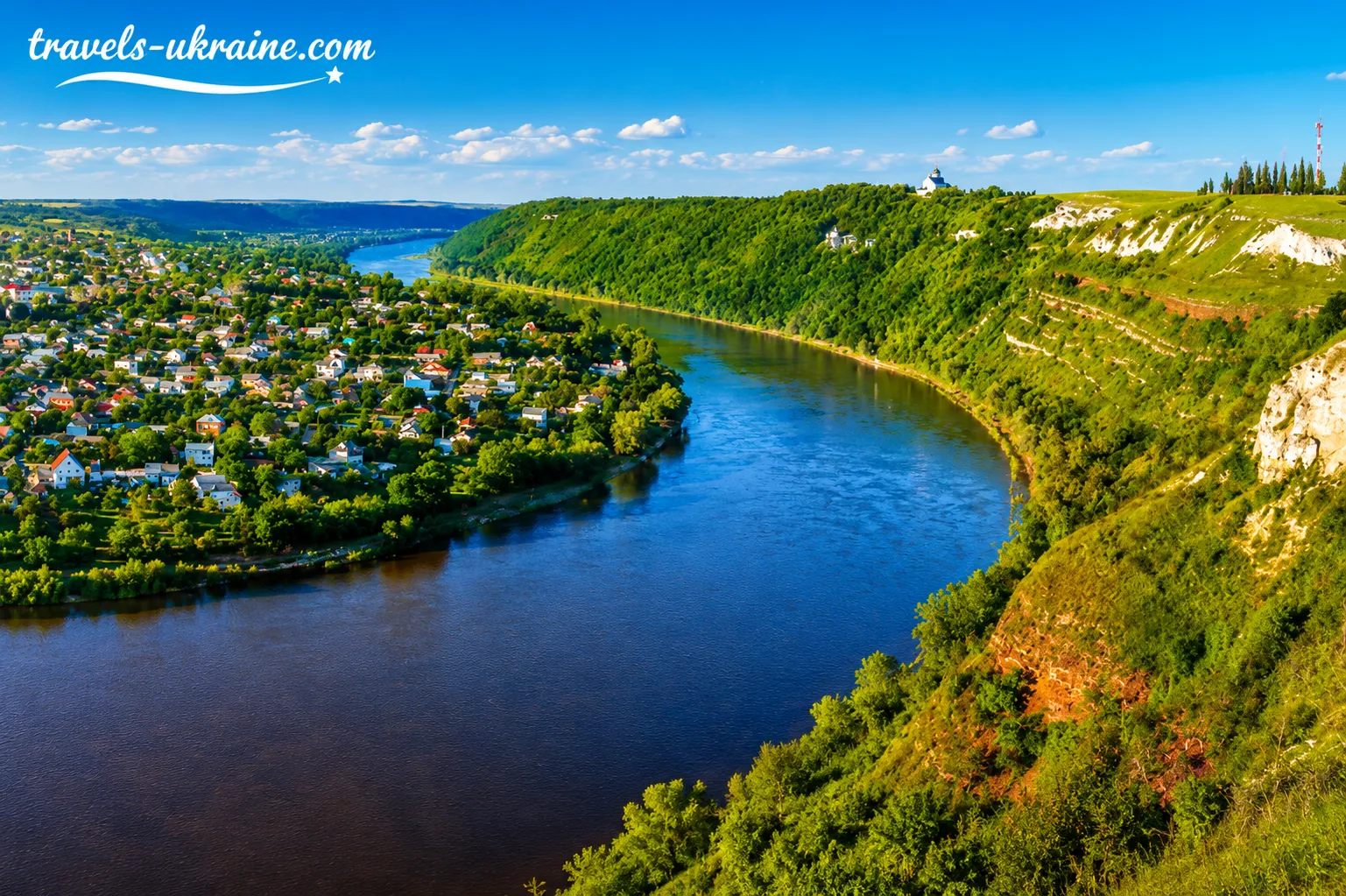
The Dniester Canyon in the Zalishchyky area is special because its beauty unfolds gradually. First, you see the river—calm and broad, with the water’s soft gleam. Then your gaze rises to the slopes, where greenery gives way to exposed stretches of rock, and you begin to notice the details: the lines of the banks, natural terraces, winding roads, trees on the cliffs, small houses below, and the expanse stretching far beyond the town.
The canyon here does not seem harsh or inaccessible. On the contrary, it has a gentle Podolian character: warm, sunny, and alive. In clear weather, the water appears blue-green, the slopes rich and dimensional, and the town itself seems to glow within its natural bowl. On overcast days, the landscape becomes more dramatic: the Dniester darkens, the steep banks gain depth, and a light mist adds mystery to the panorama. That is when you understand that the natural panorama of the Dniester is beautiful not only in sunlight—it has many moods.
The Dniester Canyon is the largest canyon in Ukraine and one of the largest in Europe. It stretches for approximately 250 kilometers, forming dozens of picturesque meanders—the very bends of the river that make the Dniester seem to deliberately forget that the shortest route is usually a straight line. But it is precisely thanks to this natural “unhurriedness” that we have one of the country’s most impressive landscapes, of which Zalishchyky is a part.
This is where one of Europe’s most beautiful rivers flows—the Dniester, Ukraine’s second-longest river. Its total length is approximately 1,362 kilometers, but the most spectacular views unfold along the stretch from the Zolota Lypa River to the Zbruch River and the city of Zalishchyky. Here, the Dniester cuts through the Podolian Upland, forming a deep canyon-like valley with steep banks, rocky outcrops, terraces, and panoramas that make even the most geography-indifferent traveler suddenly start taking photos of “just one more angle.”
The Dniester Canyon earned its recognition not only for its beauty but also for its unique geological landmarks. The local cliffs are not merely rocks that look good in photographs. They are a true stone chronicle of the Earth, preserving traces of ancient seas, climate changes, natural processes, and evolutionary events that took place over the last 420 million years.
Rocks of diverse origins have passed through entire geological and biological eras. They have witnessed more than any history textbook could fit on its pages: the transformation of ancient ecosystems, the emergence of new forms of life, the movement of the Earth’s crust, and the slow work of water, which, without haste but with remarkable persistence, created this landscape visible in Zalishchyky and along other picturesque sections of the Dniester’s banks. The irony is that people often rush to fit everything into a weekend, while the Dniester calmly spent millions of years creating a place we now want to return to for at least a day. So pause for a moment and let your eyes enjoy this beauty!
The Zalishchyky Viewpoint: Where the Best View Opens Up
The most famous viewpoint overlooking Zalishchyky is located on the side of the village of Khreshchatyk. Travelers do not seek out this place by chance: it is from here that the broad panorama opens up, with the city resting in a great bend of the Dniester as if nature had carefully placed it in a green palm. Zalishchyky lies on the left bank of the Dniester, almost on the border between Ternopil and Chernivtsi regions, giving this landscape exceptional depth: Ternopil region lies before you on one side, while on the other are the Bukovynian hills, with the Dniester flowing slowly between them.
The best view of this unique natural peninsula of Ukraine opens from Khreshchatyk, which rises more than 200 meters above the river. From here, you can clearly see the houses, gardens, roads, and the Dniester itself, which smoothly embraces Zalishchyky from all sides, creating a view that makes even your phone begin to suggest: “How about one more photo?”
It is not difficult to reach this viewpoint. If you are driving from Ternopil, cross the bridge over the Dniester, then turn left after a few hundred meters toward the village of Khreshchatyk. A useful landmark is the turn between the former traffic police post and the gas station. The drive will not take long, but the reward is generous: a few minutes of climbing and one of the most recognizable panoramas of the Dniester Canyon near Zalishchyky opens before you.
There is no need to hurry here. Walk to the edge of the viewpoint, breathe in the air, and let your eyes adjust to the scale for a few minutes. At first, you simply see a beautiful landscape, but a moment later you begin to notice the details: the bend of the Dniester, the gentle lines of the hills, the green banks, the city below, and that special sense of space for which tourists suddenly forget that, “according to plan,” they were only going to stop for ten minutes.
Photo and Video Gallery

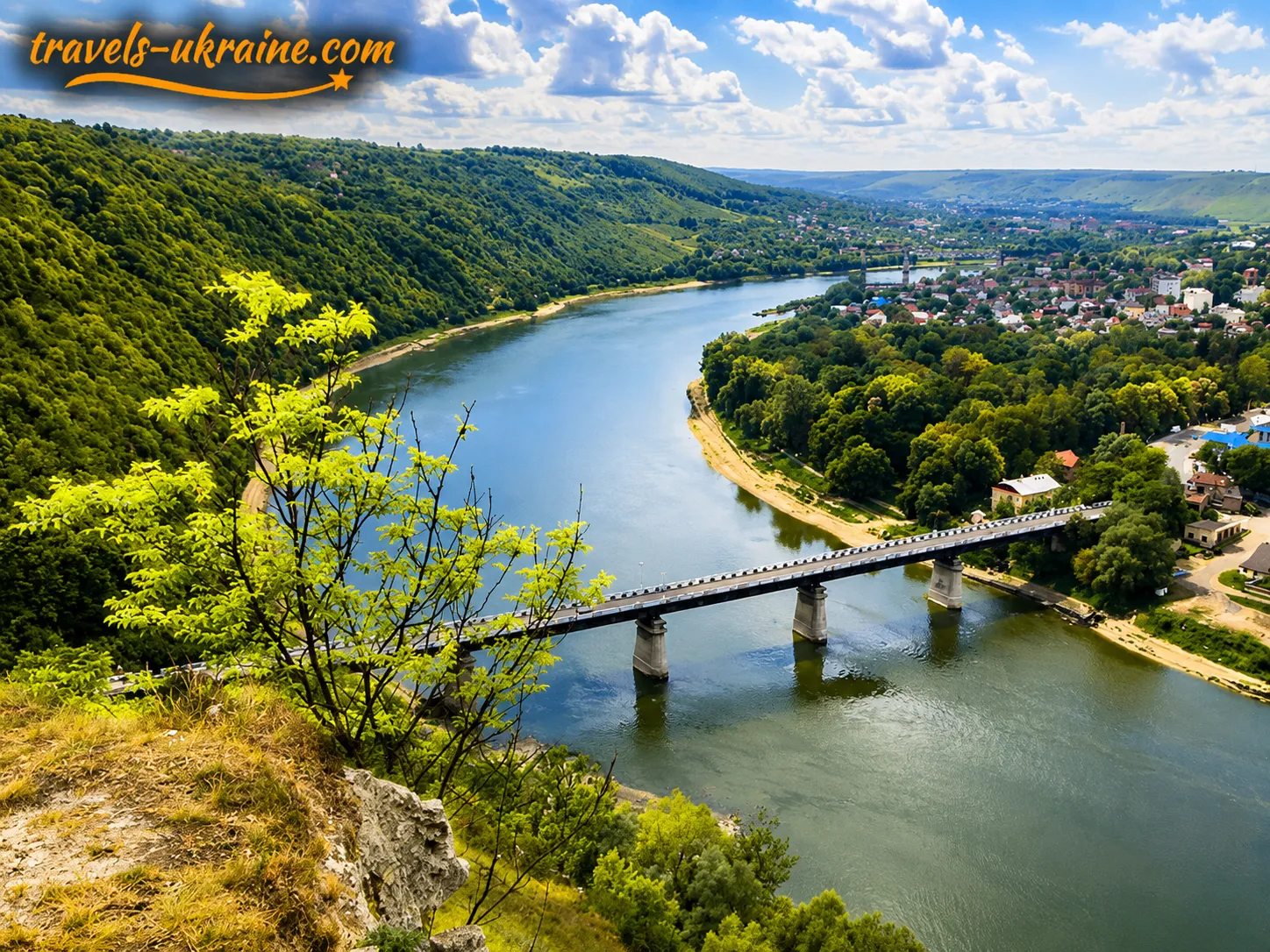
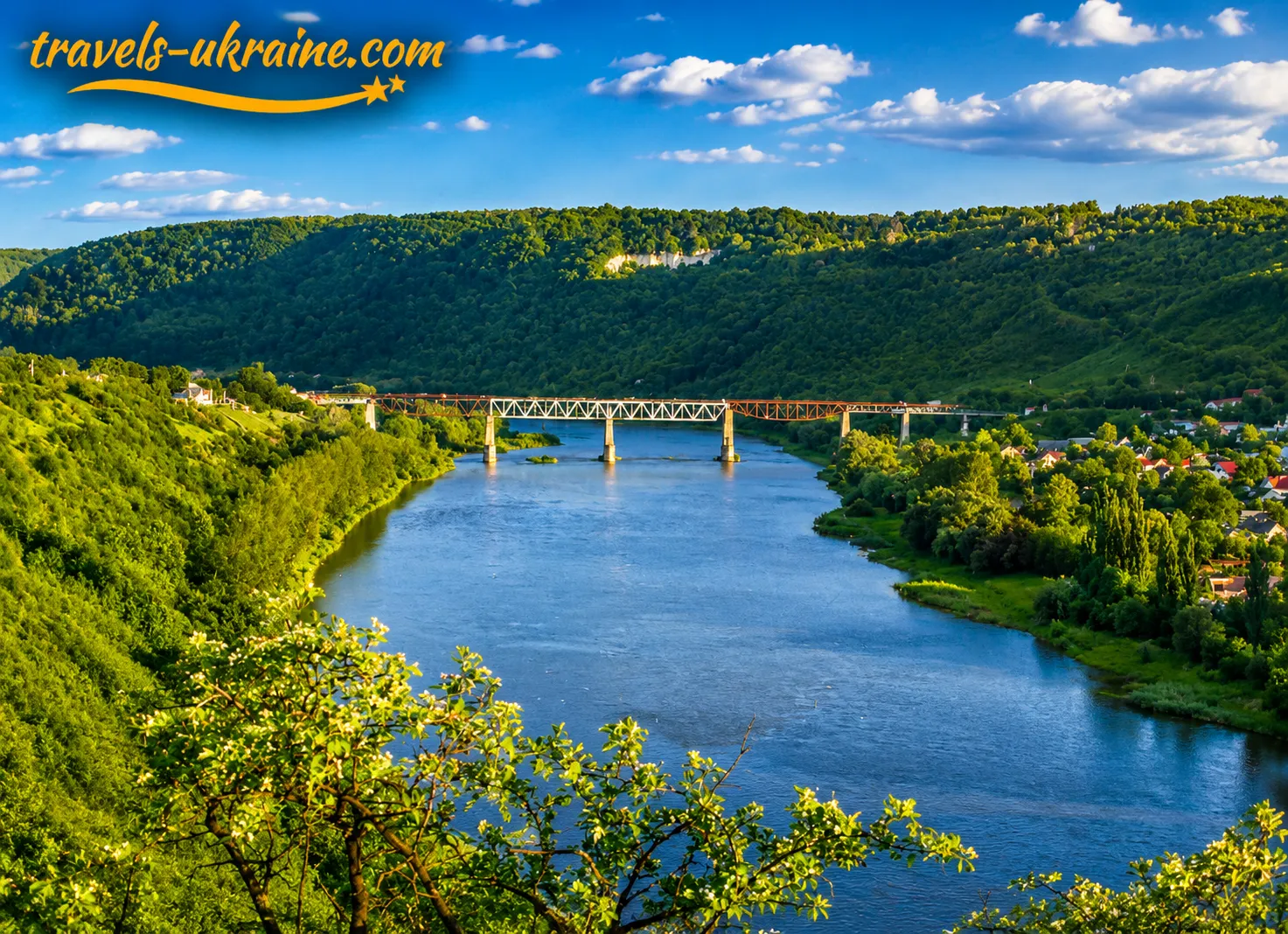
Interesting Facts: The Dniester Canyon in Zalishchyky Has Its Secrets
Every great natural destination has two faces. The first is scientific: figures, geological layers, elevations, river terraces, and protected areas. The second is human: legends, amazement, travelers’ jokes, old stories, and those little “did you know?” moments that make a journey come alive. The Dniester Canyon within Zalishchyky has both faces. That is why it appeals not only to photographers but also to those who like to look at a landscape and understand that far more lies beneath its beauty than is apparent in the first photograph.
One of the Dniester Canyon’s greatest treasures is its geology. The cliffs and outcrops along the Dniester preserve traces of extremely ancient eras. In some places, the river has cut so deeply into the Podolian Plateau that it has exposed layers of rock of different ages—from ancient Paleozoic strata to younger geological formations. To scientists, this is a natural archive; to travelers, it is a reminder that they are standing not merely on a beautiful riverbank but on a page of the planet, written long before the first cities, roads, and tourist backpacks appeared.
The canyon’s geological history stretches back hundreds of millions of years. Here, a pleasant tourist irony arises: we sometimes get nervous if traffic delays us by half an hour, while the Dniester calmly spent millions of years creating a landscape beside which we now say, “All right, one more photo—and then we’re definitely leaving.” Of course, there will be one more after that. And then another, because the panoramic Dniester location near Zalishchyky has little respect for the storage limits of your phone.
Zalishchyky’s Microclimate: When Spring Arrives Early
Zalishchyky has another distinctive feature—a mild and warmer microclimate. The Dniester Valley in Zalishchyky is protected from strong winds, while the canyon slopes retain heat well. As a result, spring in the vicinity of the Dniester Canyon often feels earlier than in many other parts of the region. It is no coincidence that Zalishchyky has long been associated with orchards, tomatoes, grapes, sunshine, and relaxation by the water.
This climate once helped the city gain a reputation as a resort destination. Imagine Zalishchyky in decades past: the Dniester, ordinary beaches and the first nudist beach, walks, summer clothing, music, conversations along the waterfront, and people who came here not to tick a box on their itinerary but to enjoy the feeling of being on holiday. Today, that atmosphere has not disappeared completely—it has simply grown quieter. You can sense it in the warm evenings, the scent of the orchards, the slow current of the river, and the calm that is not always found in popular tourist destinations.
Caves, Cliffs, and Travertine: The Hidden World of the Dniester Canyon
The Dniester Canyon National Nature Park is interesting for more than its panoramas. Its territory and the wider Dnister region are home to cliffs of unusual shapes, caves, grottoes, springs, waterfalls, and travertine formations. To an ordinary traveler, this may sound like a list of beautiful words, but everything becomes clearer on site: the canyon is neither flat nor monotonous. It comes alive through its details. In one place, the bank drops sharply to the water; in another, the slope becomes gentler; farther on, rocky outcrops, cavities, springs, or narrow paths appear.
It is precisely this diversity that makes the Zalishchyky tourist route so promising. If the viewpoint overlooking Zalishchyky is what attracts you at first, you soon develop a desire to see more: the Dniester’s other banks, neighboring villages, caves, waterfalls, old roads, rafting spots, and quiet corners that occasional tourists do not always reach. The Dniester is dangerous in this respect: you arrive “for a day,” then start planning a longer nature-based trip and very convincingly explain to yourself that it is not an indulgence but an expansion of your horizons.
Legends and Tales: What the Dniester Cliffs Whisper
The official history of the Dniester Canyon speaks in the language of dates, geology, and conservation facts. Local tales speak in the language of mist, water, and human imagination. Stories are always born in the valleys of great rivers: tales of hidden paths, ancient crossings, lost treasures, unusual stones, underground passages, voices over the water, and places where it is better not to make unnecessary noise. Not all such stories can be verified by documents, but they are precisely what give a journey its atmosphere.
Near Zalishchyky, it is easy to understand why people invented legends. When mist slowly rises over the Dniester, the city below disappears piece by piece, and the steep banks grow dark and silent, the imagination begins working on its own. In such moments, even the most practical tourist—who was counting fuel expenses just an hour earlier—suddenly looks at the river and thinks: “Perhaps these places really do remember something?” And that is the right question. Because the Dniester certainly remembers more than it tells.
And yet the main fact about Zalishchyky is not measured in figures. It cannot be precisely quantified in kilometers, elevations, or geological periods. It lies in the fact that this place knows how to make people pause. You may arrive with a clear plan for your eco-friendly getaway, a navigator, a list of locations, and the confidence that everything is under control. Then you see the Picturesque Dniester Canyon with a Panorama of Zalishchyky—and suddenly realize that sometimes the best part of a journey begins precisely when the plan is no longer the most important thing.
Things to Do in Zalishchyky by the Dniester
Zalishchyky does not call for haste. The city reveals itself best to those who do not try to rush through it in twenty minutes with a phone in hand and the look of someone who has “already figured everything out.” There is a panorama, the Dniester, echoes of its former resort days, green slopes, walks, places to relax by the water, and nearby interesting Dniester Canyon locations that can easily turn a short stop into a full-fledged journey. That is why it is best to build your tourist route not around a single point but around a mood: see, slow down, breathe in, and give the city a chance to surprise you.
Of course, the first place to head is the viewpoint on the side of the village of Khreshchatyk. This is where the famous best view of Zalishchyky opens up, with the city resting in a great bend of the river as if nature had deliberately drawn a soft waterline around it. From this point, you can clearly see how the Dniester embraces Zalishchyky, creating the illusion of a natural peninsula among green banks.
A Walk Through the City: Zalishchyky Not Only from Above, but Up Close
After taking in the panorama, it is worth going down into the city. Zalishchyky impresses from above with its shape, but up close it reveals a different character—quiet, warm, and slightly nostalgic. It is enjoyable to walk its streets, experience the calm of southern Podolia, look at the Dniester from the lower level, and see how a city lives when, in photographs, it appears almost like a fairytale island.
In the center and along the Dniester, you can find places for a leisurely walk, a short rest, coffee, or simply a pause between destinations. Do not expect Zalishchyky to offer the noisy tourist rhythm of a major resort. Its strength lies elsewhere: in its slowness, greenery, river air, and the feeling that the city is not trying to entertain you every second. It simply lets you spend time beside the Dniester. And honestly, that is sometimes far better than any “packed schedule.”
One pleasant city destination for those searching for what to see in Zalishchyky is its green walking areas and views of the Dniester. The city’s higher points let you see the river not on the same grand scale as from Khreshchatyk, but in a more intimate way. Here, the landscape feels closer: not a vast panorama from above, but a space where you can stroll slowly, sit, watch the water, and feel that the Dniester in Zalishchyky is not merely a backdrop for photographs but part of the city’s everyday life.
Places like these are especially valuable after a viewpoint. From above, you see the big picture; in the city, you begin to understand its details: how the road descends toward the river, how the light changes on the water, and how gardens and streets transition into riverbanks. If you are travelling with family, this is a good format for the more relaxed part of the route — no difficult climbs, no rush, and no compulsory heroics in the style of “we’re tourists, we have to see everything”.
Relaxing by the Dniester in Zalishchyky: riverbank, water and summer spirit
Relaxing by the Dniester in Zalishchyky is a reason in itself to visit during the warmer months. The river gives the city a special rhythm: calm and slightly mysterious in the morning, sparkling in the sunshine during the day, and soft, almost mirror-like in the evening. It is easy to spend more time by the water than planned. At first, you are just stopping “for a minute to take a look”, and then it suddenly turns out that a minute has a very flexible understanding of time.
During the summer season, visitors are interested in the beach in Zalishchyky, swimming spots, walks along the riverbank and quiet places by the water. It is important to remember that the Dniester is a living river, not a pool with an even bottom and a sign saying “everything is provided”. Before swimming, assess the riverbank, current, depth, weather and your own strength. For a family outing, it is better to choose tested locations, avoid entering the water in questionable areas, and not turn the desire for a beautiful photo into an unnecessary adventure.
The wild beach in Zalishchyky often appeals to travellers who want more than simply reaching the water and are looking for a quieter place to relax. Such spots can be very atmospheric: grass, riverbank, a slow current, trees, water nearby and the feeling that you have finally escaped the city noise. But the very “wild” format requires greater responsibility. There may not always be infrastructure, rubbish bins, a convenient descent, lifeguards or a clearly defined riverbank.
So the main rule is simple: beauty is beauty, but common sense is tourist equipment too. Do not leave rubbish, do not light fires in dangerous places, do not go close to cliffs, and do not enter the water where you cannot assess the bottom or current. The Dniester is welcoming to attentive travellers, but it does not particularly appreciate those who confuse a nature getaway with leaving a mess behind.
Therefore, a beach holiday in Zalishchyky is both possible and entirely logical given the presence of the Dniester’s riverbank. However, visitors should understand that this is not a classic resort with well-equipped beach areas, evenly arranged sun loungers, showers, lifeguard towers and a kiosk where ice cream appears exactly when you start thinking about it. Zalishchyky is more about natural riverside relaxation, a living riverbank, silence, scenery and the atmosphere of the Dniester Canyon.
The Dniester’s banks around the city can vary: some are more convenient for a short stop, while others are wilder, grassy or rocky. That is why, before planning swimming or a picnic by the water, you should carefully assess the location: is the descent safe, is there a strong current, slippery rocks, a sudden change in depth or a dangerous cliff nearby? The Dniester is beautiful, but it is a living river, not a decorative pool with a sign saying “all inclusive”.
It is best to treat the beach in Zalishchyky as part of a nature trip: walk along the riverbank, sit by the water, take photos, enjoy a tidy picnic, and savour the silence and panorama of the Dniester. If you do want to swim, choose only tested and safe areas, do not enter the water after rain or where the bottom is unknown, never leave children unattended, and remember to take all your rubbish with you. Nature here is generous with its beauty, but comfort and safety depend largely on the traveller.
Rafting and paddling on the Dniester: an adventure on the water
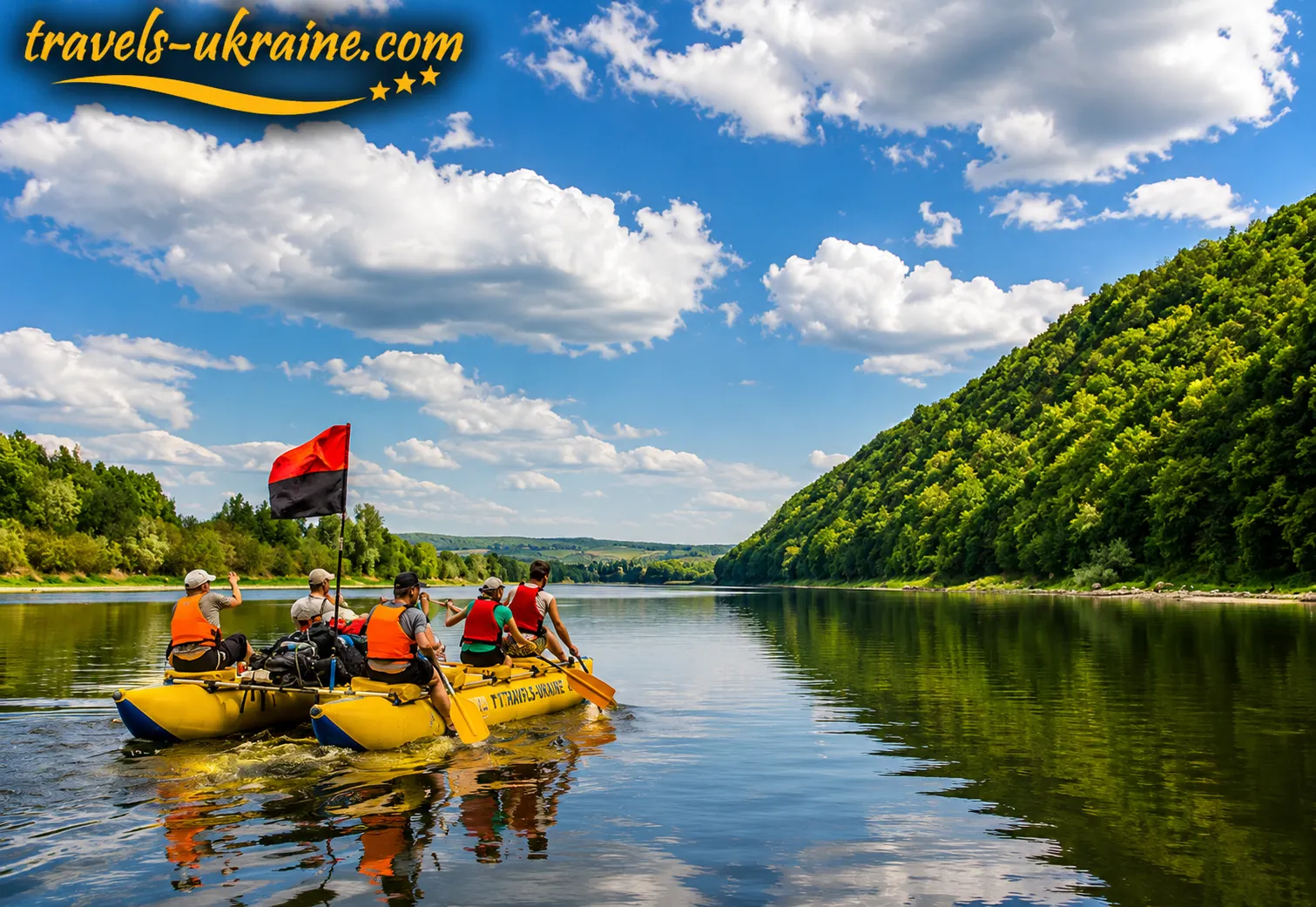
If you are looking for a greater adventure, consider rafting on the Dniester from Zalishchyky or shorter water routes nearby. The canyon looks completely different from the water. What appears to be a beautiful panorama from a viewpoint becomes a living road between riverbanks, cliffs, villages and green slopes. You are no longer simply looking at the Dniester — you are moving with it in a single rhythm, where every bend brings a new panorama, a new silence and a new urge to say: “This is definitely where we should stop for a photo”.
Rafting on the Dniester or a more relaxed water route is suitable both for beginners and for those with experience in active tourism. You can choose from different formats: a short trip on the water, a one-day rafting trip through the Dniester Canyon or a much longer route — for example, a 5-day rafting trip down the Dniester from Zalishchyky to Khotyn. Beginners should choose organised tours with an instructor, life jackets and a clearly defined route. The Dniester is certainly a welcoming river, but it reads excessive tourist confidence faster than a navigator recalculates a route.
During a rafting trip, travellers see the Dniester Canyon from within rather than from a viewpoint. High cliffs, green slopes, rocky outcrops, quiet backwaters, river terraces and distant village silhouettes create a sense of slow adventure. There is no need to hurry here: the river sets the pace, and its rhythm is far wiser than any tourist schedule. You float, listen to the water and watch the banks — and suddenly realise that active recreation is not only about getting tired, but also about a profound reset.
Hiking around Zalishchyky: adventures on land
Walking routes in Zalishchyky are no less interesting. The Dniester Canyon is not only water and a panorama from Khreshchatyk, but also trails, hills, green slopes, riverside roads and viewpoints from which the Dniester looks slightly different each time. For those who enjoy relaxing in nature, the area around Zalishchyky can be a real discovery: you can walk above the river, reach a scenic viewpoint, find a quiet trail or simply plan a route without excessive heroics but with plenty of memorable impressions.
Walking tours around Zalishchyky have a special atmosphere. You walk among the greenery, see the bends of the Dniester ahead, and sometimes emerge onto open areas where the landscape suddenly unfolds broadly and unexpectedly. At such moments, tourists usually pretend they are simply “checking the map”, when in fact they have stopped to catch their breath after the climb. And that is perfectly normal: the Dniester Canyon is not only beautiful, but also gently reminds you that your legs are part of your hiking equipment too.
The routes include woodland areas, cliffs, country roads, riverside trails, small springs, seasonal streams and natural spots where the silence of the Dniester region is especially tangible. In spring, there is plenty of fresh greenery; summer brings sunshine and tall grasses; autumn offers warm colours and soft light. Each season has its own character, so even a familiar route can look completely different.
Many travellers also choose the area around Zalishchyky for camping, especially during the warmer season. A night beside the Dniester, a starry sky, evening silence and morning mist over the water can become one of the strongest impressions of the trip. But the same simple rule applies here: nature welcomes those who behave like guests, not like owners of the land. Do not make unnecessary noise, break branches or light fires in dangerous places, and leave the riverbank in a condition that will make the next traveller want to say: “Now this is a real getaway”.
Fishing on the Dniester: tranquillity, water and the philosophy of the float
If, after panoramas, walks and water adventures, you want a more peaceful kind of recreation, fishing on the Dniester in Zalishchyky can be an excellent option. It is an activity for those who know how to appreciate silence, morning mist, the slow movement of the water and that special anticipation when the float remains silent with such conviction that it seems to have come here to relax too.
The Dniester has a rich aquatic ecosystem: it is home to more than 40 species, so you can test your skills and patience at fishing. The river contains crucian carp, bream, carp, perch, nase, pike, barbel, catfish, zander and other species, although the results of fishing, like the weather on a trip, never come with a hundred-percent guarantee. And, honestly, that is part of the process. Because true fishing is not only about the catch, but also about the morning air, the silence, conversations by the water and the ability not to take it personally when the fish decides to live its own life that day.
The picturesque banks of the Dniester create a special atmosphere for fishing. Green slopes are nearby, a gentle movement of air passes over the water, and in the distance are the cliffs of the Dniester Canyon. All around is such silence that even your phone begins to look like an unnecessary object from civilisation. It is easy to forget everyday affairs here and experience that rare state in which a person is in no hurry to prove anything either to themselves or to the world.
If you do not have much experience, it is worth talking to local anglers or finding out in advance about permitted locations, seasonal restrictions and fishing regulations. Experienced anglers often know nuances you will not find in any guidebook: where it is best to set up in the morning, which areas to avoid, when the fish are more active and why “the bite was better yesterday” is not just a phrase, but an ancient fishing tradition.
After a successful fishing trip, you can organise a small picnic by the Dniester, but it is important to do so responsibly: light a fire only where permitted, leave no rubbish, do not damage the riverbank and do not turn a natural getaway into an improvised camp. The best memory of Zalishchyky is not only a photo with your catch, but also a clean spot after your visit.
What to see near Zalishchyky: the most interesting nearby locations
Zalishchyky is an excellent main base for a route, but certainly not the final stop of a trip. There are so many natural, historical and scenic places around the city that after their first encounter with the Dniester, travellers usually have a dangerous thought: “What if we drive a little farther?” Many of the best journeys begin with such innocent phrases, when the plan was for half a day but the impressions last an entire week.
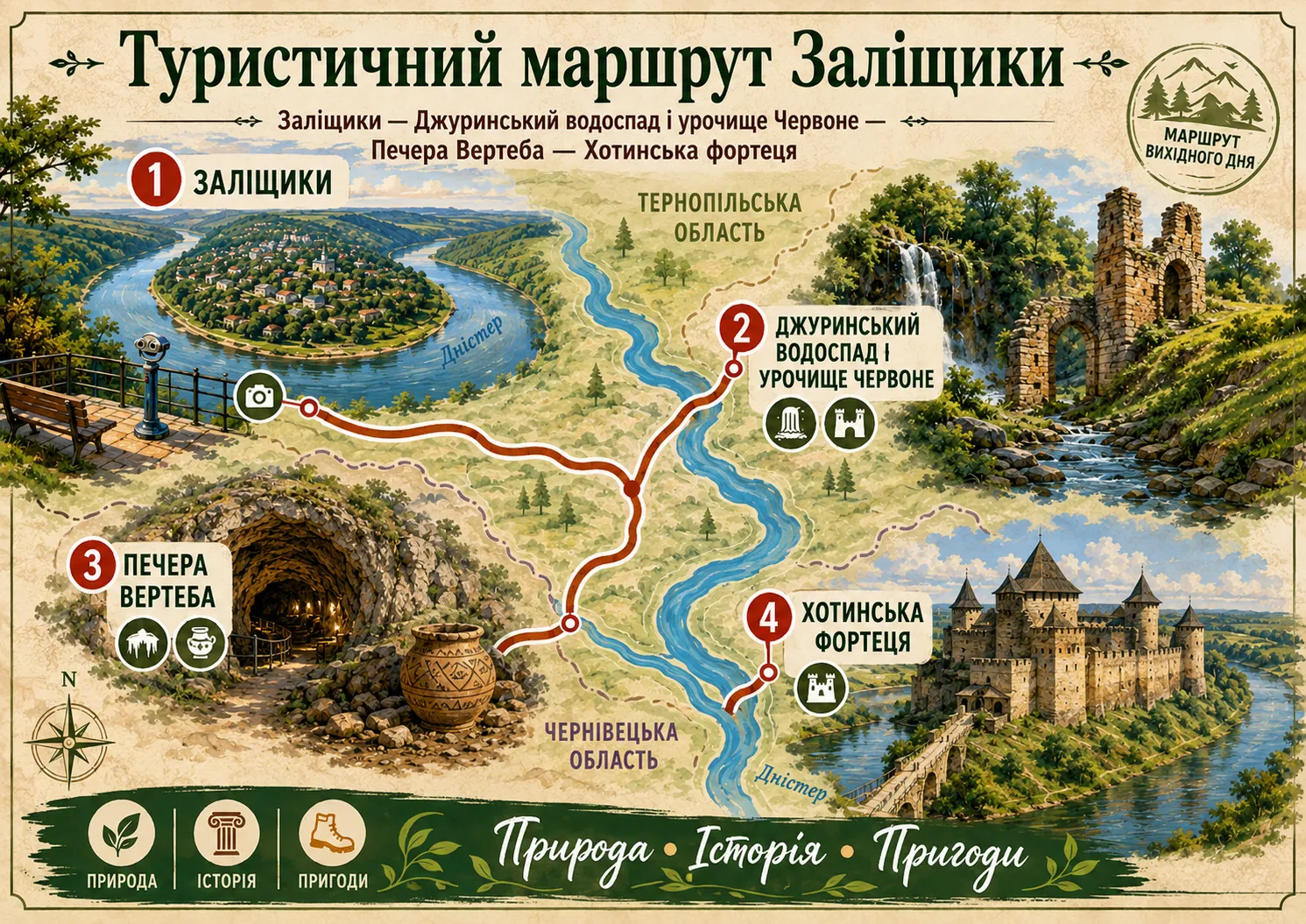
If you are looking for interesting tourist attractions near Zalishchyky, consider the city a convenient base for short trips along the Dniester. Nearby are viewpoints, villages above the canyon, waterfalls, ruins of old castles, nature trails, caves, rafting locations and historical landmarks that complement a Zalishchyky tourist route perfectly. It is easy to put together a one-day itinerary, or even better, a weekend plan, because the Dniester Canyon has an unfortunate habit of being more beautiful than you imagined.
Dzhuryn Waterfall and Chervone tract
One of the most striking natural attractions near Zalishchyky is Dzhuryn Waterfall and the ruins of Chervonohrad Castle. They are located in the Chervone tract near the village of Nyrkiv and are ideal for those who want to add more movement, the sound of rushing water and a sense of a small adventure to their trip. After Zalishchyky’s peaceful panorama, the waterfall acts almost like a natural alarm clock: the Dniester taught you to contemplate, while Dzhuryn reminds you that water can also be very loud.
This location is interesting not only for the waterfall and the ruins of Chervonohorod Castle themselves. Old stone fragments, a picturesque valley and natural landscapes have also survived nearby, complementing a route through the Dniester Canyon beautifully. Comfortable shoes, water, a charged phone and a little patience with the road are advisable, because the most beautiful places sometimes test travellers before they even take out their camera.
Verteba Cave: the underground history of the Dniester region
For those who want to add more than scenery to their journey and explore its deeper historical context, Verteba Cave near the village of Bilche-Zolote can be an interesting stop. It is one of Podillia’s best-known caves, associated with archaeological finds and ancient cultures. After the broad panorama of the Dniester, this location feels entirely different: it is as if you are moving from open space into the underground memory of the region.
Verteba is an excellent addition to an itinerary for travelers interested not only in “where it is beautiful” but also in “what was here before.” The caves of the Dniester region remind us that this land has not only natural beauty but also a very ancient human history. And if the Dniester impresses from above with its scale, underground locations teach you something else: attention to detail. Sometimes the most interesting things are hidden not on the horizon, but literally beneath your feet.
Khotyn Fortress: a powerful historical continuation of the journey
If you have more time and want to continue your route along the Dniester, consider a trip to Khotyn Fortress. It is one of Ukraine’s best-known historical landmarks and fits perfectly with the themes of the Dniester, borderlands, ancient battles, and medieval defensive architecture. After the natural panorama of Zalishchyky, Khotyn adds an entirely different dimension to the route—stone, walls, towers, history, and the feeling that every gust of wind here could tell a separate chapter of a textbook.
Khotyn Fortress is especially well suited to a weekend trip or a longer tour of the Dniester Canyon. It complements a nature-based getaway with historical substance: first you see how the Dniester shaped the landscape, and then you see how people built their fortifications, towns, and roads along this river for centuries. The resulting route is full but logical—from nature to history, from panorama to fortress.
So the answer to the question of places to visit near Zalishchyky is simple: there are more than you might expect. That is precisely what makes this destination so appealing. You can see Zalishchyky in a day, but the Dniester Canyon is best discovered over a longer period. Every turn in the road, every path leading to the water, and every view from the high bank seems to quietly suggest: “Don’t rush. There is still more to see ahead.”
Frequently asked questions about Zalishchyky, the Dniester Canyon, and the Dniester panorama
Where are Zalishchyky, and why are they worth visiting?
Zalishchyky are located in the south of Ternopil Oblast, on the left bank of the Dniester, almost on the border with Chernivtsi Oblast. The town is known for lying within a broad bend of the river, which makes it look like a natural peninsula from above. It is worth coming here for the Dniester panorama, walks by the water, peaceful time in nature, and an introduction to one of the most picturesque corners of the Dniester Canyon.
Where can you see the best panorama of Zalishchyky?
The best-known viewpoint over Zalishchyky is located near the village of Khreshchatyk. This is where the classic panorama opens up, with the town lying in a broad loop of the Dniester. It is the ideal place for photographs, enjoying the scenery, and getting your first impression of the Dniester Canyon landscape near Zalishchyky. The most beautiful light is found here in the morning or around sunset.
How much time do you need for a trip to Zalishchyky?
Two to three hours are enough for a brief introduction to Zalishchyky: you can visit the viewpoint, take photographs, and go for a short walk by the Dniester. If you want to experience the town more fully, plan half a day or a whole day. For an itinerary including nearby locations—Dzhuryn Waterfall, Verteba Cave in Ternopil Oblast, nature trails, or a rafting trip on the Dniester—a weekend is the most convenient option.
How do you get to the Khreshchatyk Zalishchyky viewpoint?
The most convenient way is by car. If you are coming from Ternopil, cross the bridge over the Dniester near Zalishchyky, then turn right after a few hundred meters toward the village of Khreshchatyk. The best view of Zalishchyky opens up from the high bank near Khreshchatyk. Before setting out, check the route in your navigation app, as well as road conditions and the weather, especially after rain or during the off-season.
Can you swim and relax on the beach in Zalishchyky?
Beach recreation in Zalishchyky is possible because the town has a shoreline along the Dniester. However, visitors should understand that this is not a classic resort with fully equipped beach areas. The banks may be grassy, rocky, wild, or less suitable for swimming. Before entering the water, assess the current, depth, riverbed, and the safety of the descent. Take particular care with children.
Is it worth planning a rafting trip on the Dniester near Zalishchyky?
Yes, rafting on the Dniester near Zalishchyky is one of the most interesting forms of active recreation. From the water, the Dniester Canyon looks completely different: you can see cliffs, green banks, villages, natural terraces, and quiet stretches of river. Beginners should choose short organized routes with an instructor and life jackets. Experienced travelers may prefer a longer route—for example, a 5-day rafting trip on the Dniester from Zalishchyky to Khotyn.
Where can you take the best photographs in Zalishchyky?
The best place for photographs is the viewpoint in the village of Khreshchatyk, where the famous Zalishchyky panorama of the Dniester opens up. You can also take beautiful shots by the Dniester, along the town’s walking routes, from the bridge, and during a trip on the water. Morning or evening light is best for photography. Do not rush to postpone a shoot in cloudy weather: mist and clouds often give the panorama особливої depth.
What can you see near Zalishchyky in one day?
In one day, you can see the main panorama from Khreshchatyk, walk around Zalishchyky, relax by the Dniester, and add one nearby location. The most popular options are Dzhuryn Waterfall, Chervone tract, the ruins of Chervonohorod Castle, Verteba Cave, or selected routes in the National Nature Park "Dniester Canyon." The key is not to pack too much into the day, because the scenery is best enjoyed without rushing.
Are Zalishchyky suitable for a family trip with children?
Yes, Zalishchyky can be a good destination for a family trip if you plan the route carefully. With children, choose safe viewpoints, relaxed walks around town, and trusted spots by the Dniester. Do not go too close to cliffs, leave children unsupervised near the water, or plan overly challenging trails. The best format for families is a panorama, a short walk, time by the river, and an easy route taken at a relaxed pace.
How can you enjoy the Dniester Canyon sustainably?
Eco-friendly recreation in Zalishchyky begins with simple things: do not leave litter, break branches, pick plants, light fires in unsafe places, or make noise where people have come for peace and quiet. If you relax on a wild beach or by the Dniester, take everything you brought with you. The Dniester Canyon is a natural landmark, and the best way to show your appreciation is to leave it just as clean and beautiful for the next travelers.
Zalishchyky and the Dniester: why this journey stays with you
The Zalishchyky section of the Dniester Canyon is not just another point on the map of Ternopil Oblast. It is a town that the Dniester seems to have deliberately embraced with its green arms, creating one of Ukraine’s most recognizable landscapes. Nature here does not try to impress through sheer grandeur—it works differently: opening up a broad panorama of the Dniester, gentle slopes, a quiet shoreline, the warm light of Podillia, and a sense of space so often missing from the rush of everyday life.
That is why the Dniester Canyon and Zalishchyky are a destination not only for photographers but for anyone who wants to see Ukraine as deeper, calmer, and at the same time immensely powerful in its natural beauty. The viewpoint near the village of Khreshchatyk offers the very landscape that draws visitors here for the first time. But the true experience begins when you do not stop at a single photograph, but descend into town, walk along the Dniester, listen to the water, look at the slopes, and allow Zalishchyky to tell you more than can be seen from above.
This place is special because it does not require complex preparation from tourists, yet it rewards attentiveness generously. The important thing here is not to rush. Do not race through locations just to tick them off. Do not treat the panorama merely as a backdrop for a quick shot. What matters most is not only the view from above, but also the silence between the banks, the changing light on the water, the town’s unhurried rhythm, the scent of grass after rain, the morning haze over the Dniester, and the moment when you suddenly realize that this journey was needed not only for photographs, but also for a pause within yourself.
After Zalishchyky, what usually stays in your memory is not one specific image but an entire mood. You will remember how the Dniester embraces the town in a wide arc. How the best view of Zalishchyky opens up from Khreshchatyk. How, down in the valley, the town seems quiet and almost intimate. How time seems to slow along the canyon banks, and the travel itinerary that seemed so clear at home suddenly becomes less important than the desire simply to stand and take it all in.
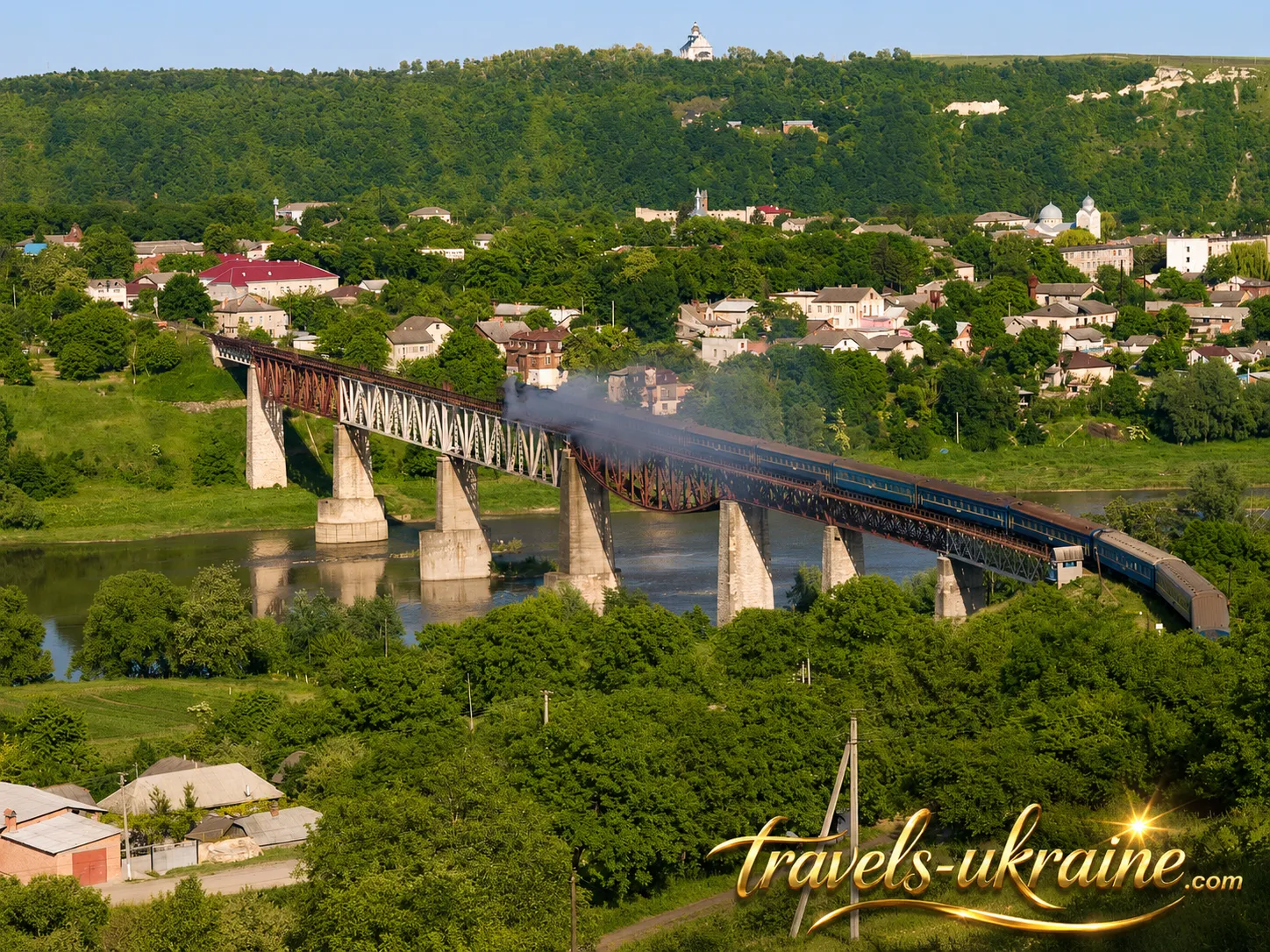
And that is the true magic of Zalishchyky. They do not shout about themselves, compete with major resorts, or try to resemble anyone else. They simply are: with the Dniester, the canyon, gardens, hills, the bridge, memories of their old resort days, viewpoints, and that special light that makes even an ordinary day feel a little like a page from a travel journal.

No Comment
You can post first response comment.