
 English
 Українська
 Русский

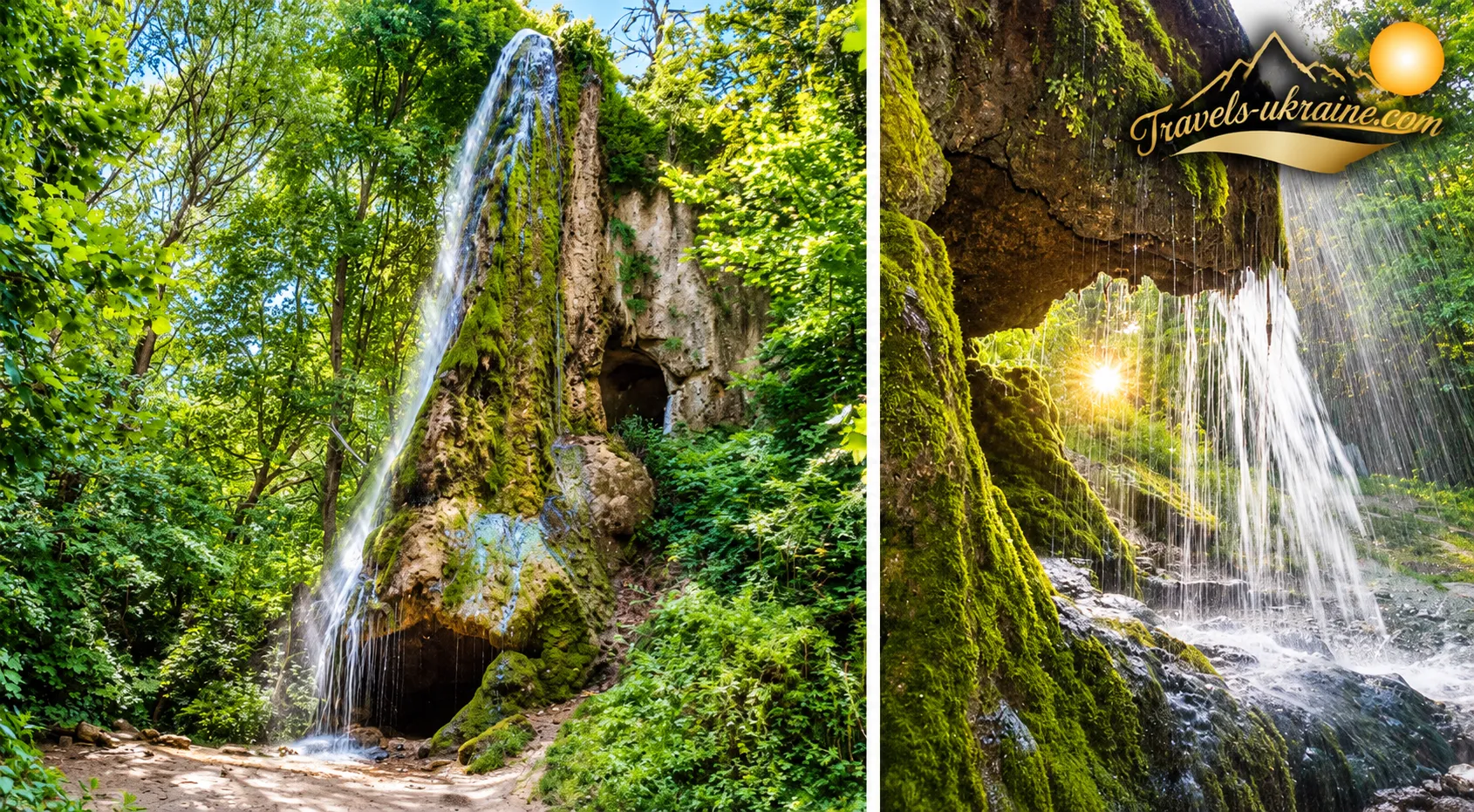
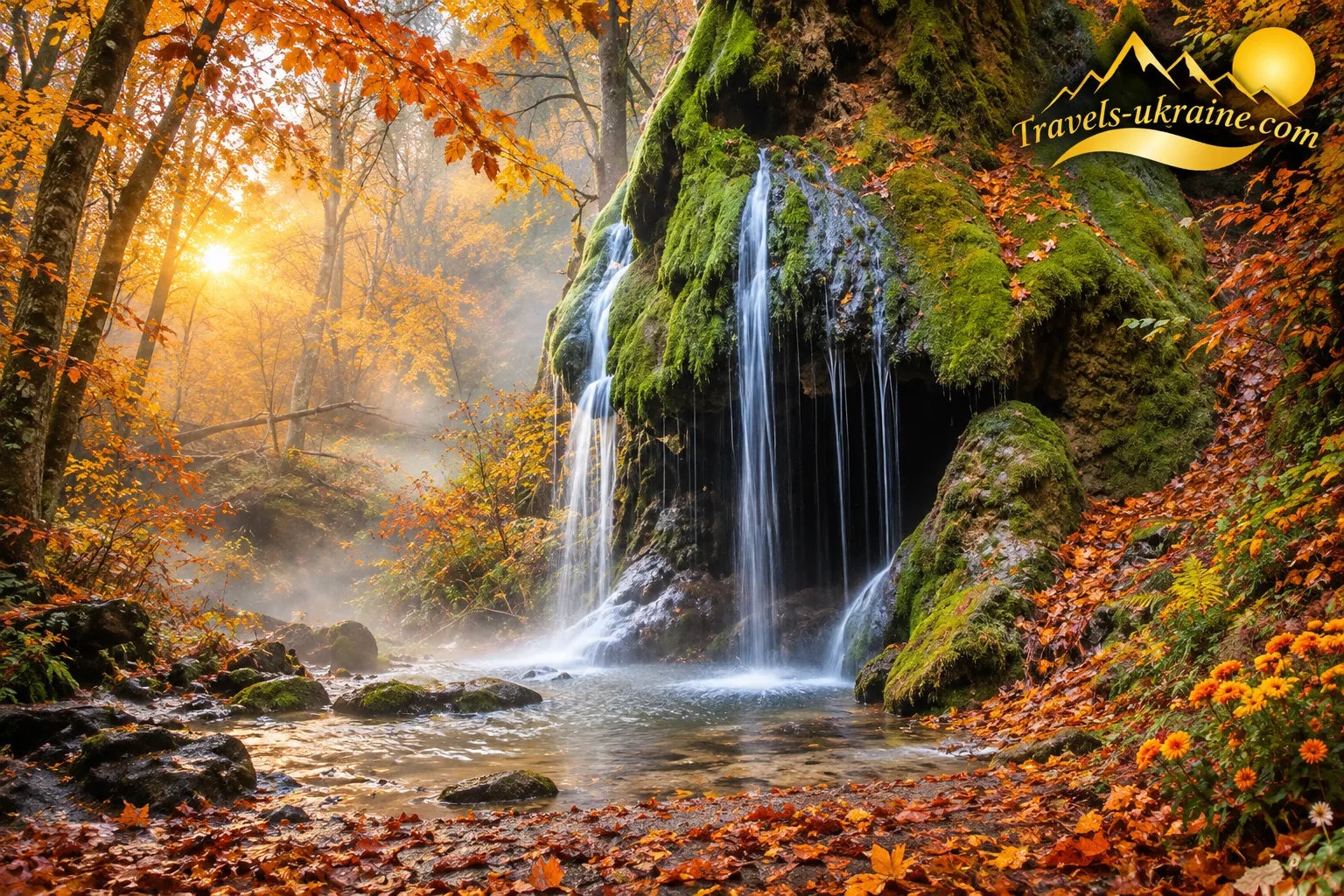
Sometimes, the most fascinating places are hidden far from popular tourist routes, in locations where you would least expect to find them. Maliivtsi in the Khmelnytskyi region is one such discovery. In the heart of a historic park stands a towering limestone cliff, with water cascading from its top directly above the entrances to mysterious grottoes. At first glance, it looks like an ordinary natural waterfall. But take a closer look, and the story becomes far more intriguing.
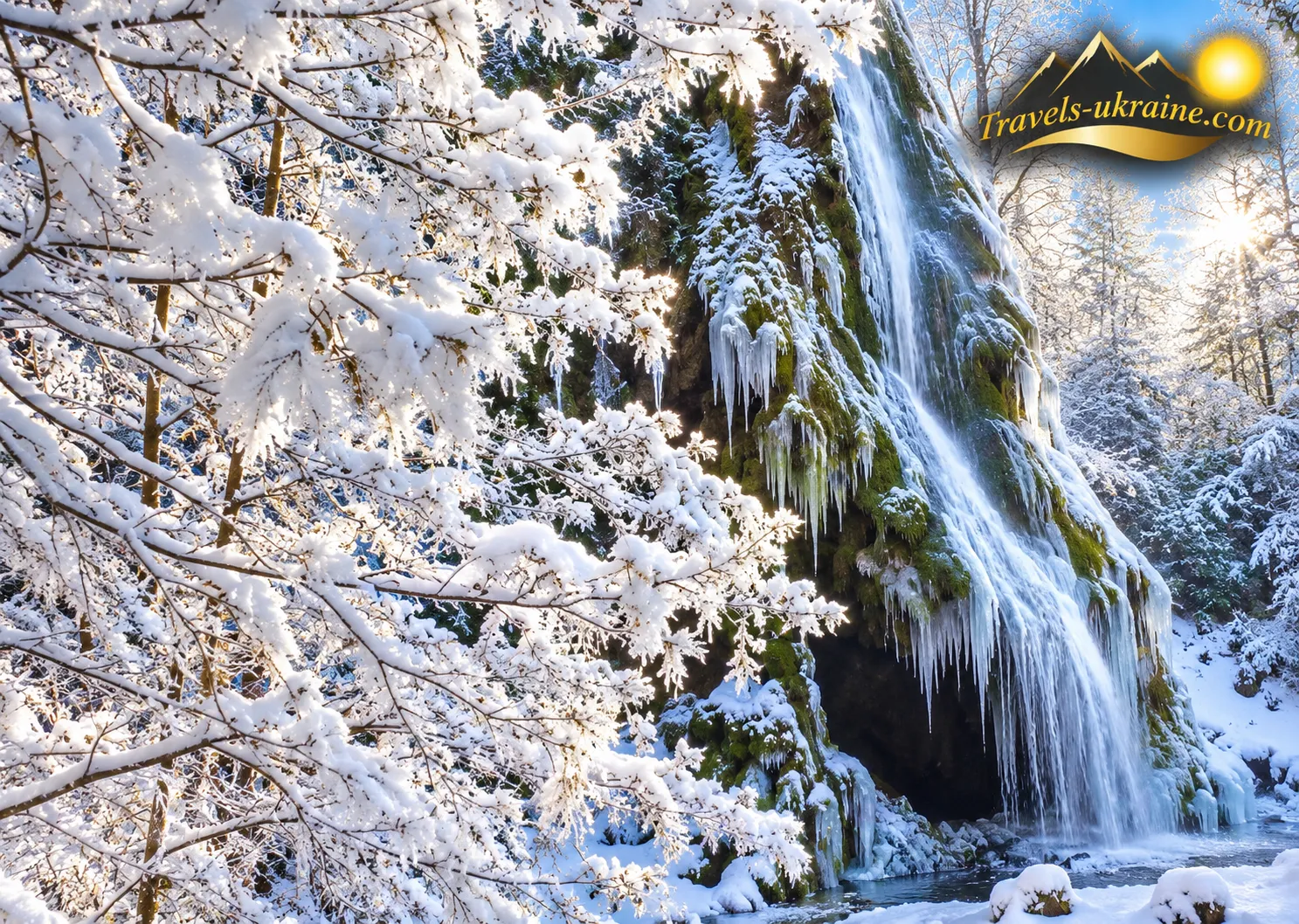
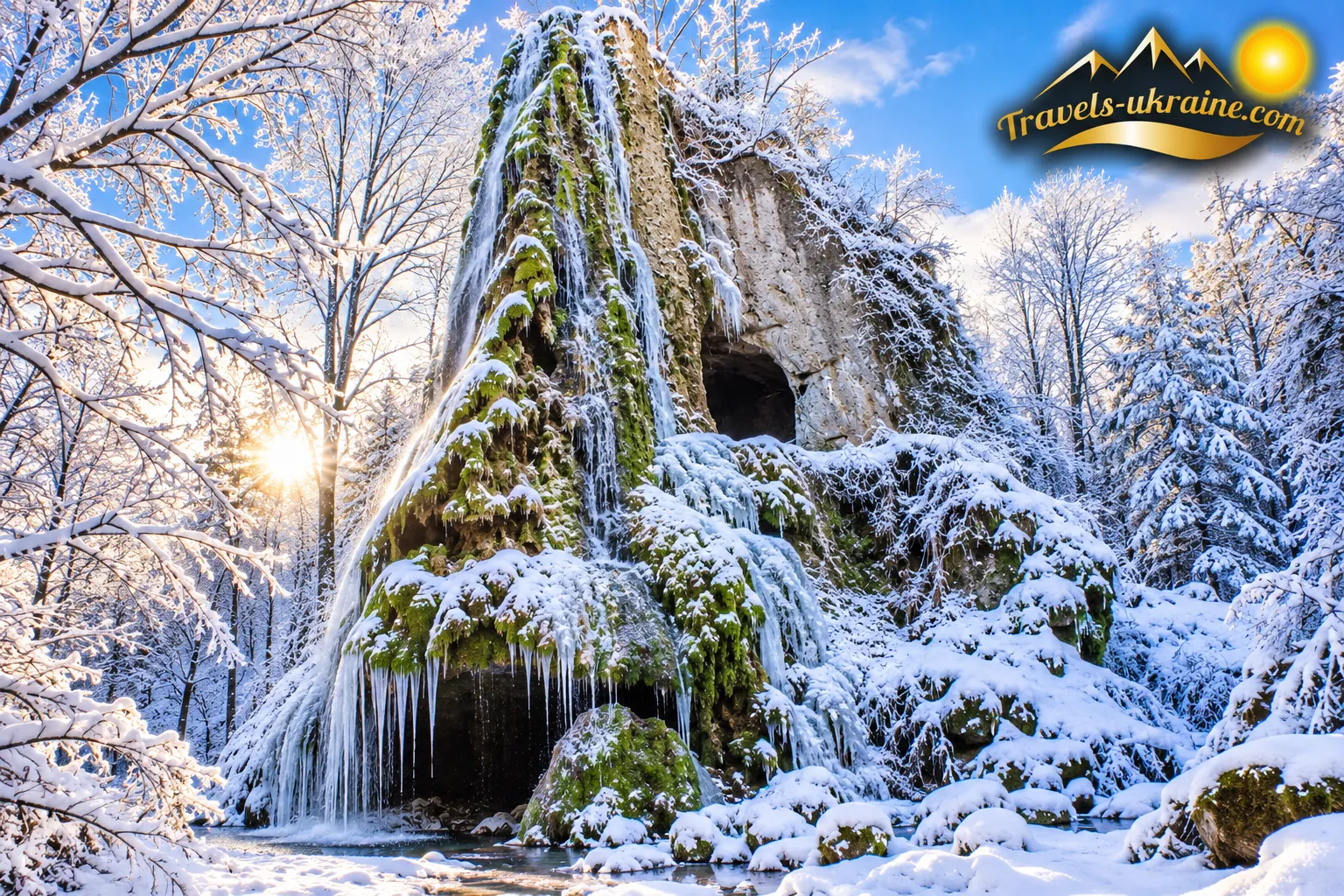
Maliivtsi Waterfall cascades down a high cliff containing caves carved into the rock on two levels. These caves are associated with an ancient monastic tradition, while the waterfall system itself has been modified and developed by people over the centuries. What we see today is an extraordinary combination of natural rock formations, spring water, historic grottoes, and a fascinating past that historians and local researchers are still piecing together.
But the curtain of water falling over the cliff is only part of a much bigger picture. Just a few minutes' walk away stands the Orlovsky Palace, surrounded by a historic landscaped park with tree-lined paths, ponds, and natural springs. Once, all of these features formed part of a carefully designed palace and park ensemble, where nature was intended not merely to surround the estate but to surprise and delight visitors at every turn. That's why Maliivtsi deserves more than a quick stop for a photograph beside the waterfall. It's a place best explored at a leisurely pace: first admire the water cascading down the cliff, then discover the grottoes, wander along the old park paths, and finally make your way to the palace. Somewhere along the way, you may suddenly realise that your planned "quick half-hour visit" has somehow turned into several hours.
In this travel guide, we'll explore what makes Maliivtsi Waterfall so unusual, where its water comes from, what secrets lie within the cliffside caves, and how the site is connected to monastic history and the Orlovsky family. We'll also discover what else there is to see in Maliivtsi, how to get there, and how much time to allow for exploring one of the most remarkable hidden gems of Podillia.
The History of Maliivtsi Waterfall and the Orlovsky Estate
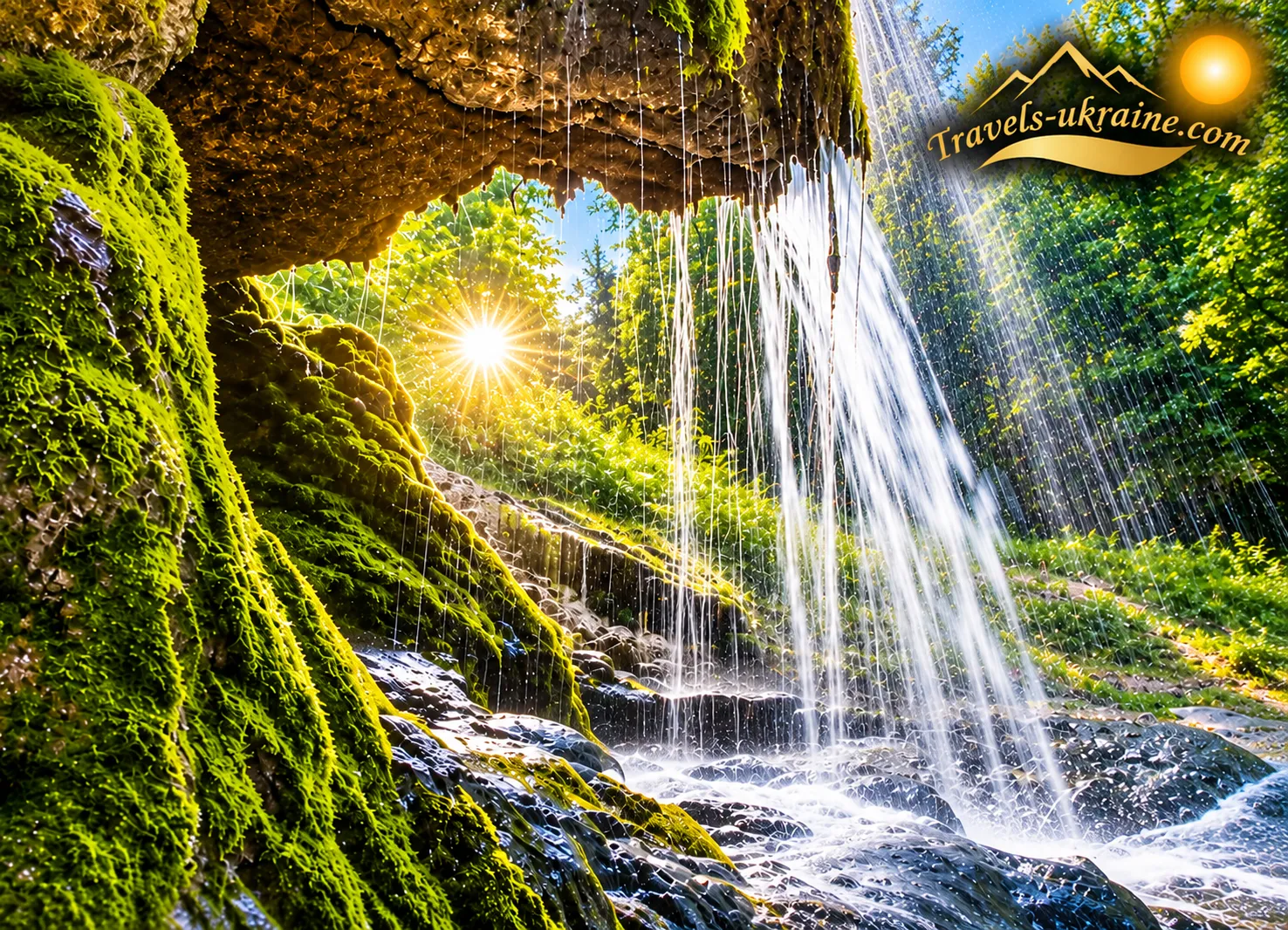
To understand how such an extraordinary waterfall came to exist in the middle of a historic park, we need to travel back to the time when Maliivtsi was a grand aristocratic estate. In the late 18th century, the property passed into the hands of Jan Onufry Orlovsky, a member of the Polish noble Orlovsky family. It was under this family's ownership that the estate experienced its greatest period of development, giving shape to the architectural and landscape ensemble, parts of which have survived to the present day.
In the late 18th century, a palace was built here, and work began on creating an extensive landscaped park. For aristocratic residences of that era, a park was much more than a green space surrounding a house. Tree-lined avenues, ponds, natural springs, mature trees, changes in elevation, and architectural features were carefully arranged to form a harmonious composition that gradually revealed itself to visitors as they explored the grounds.
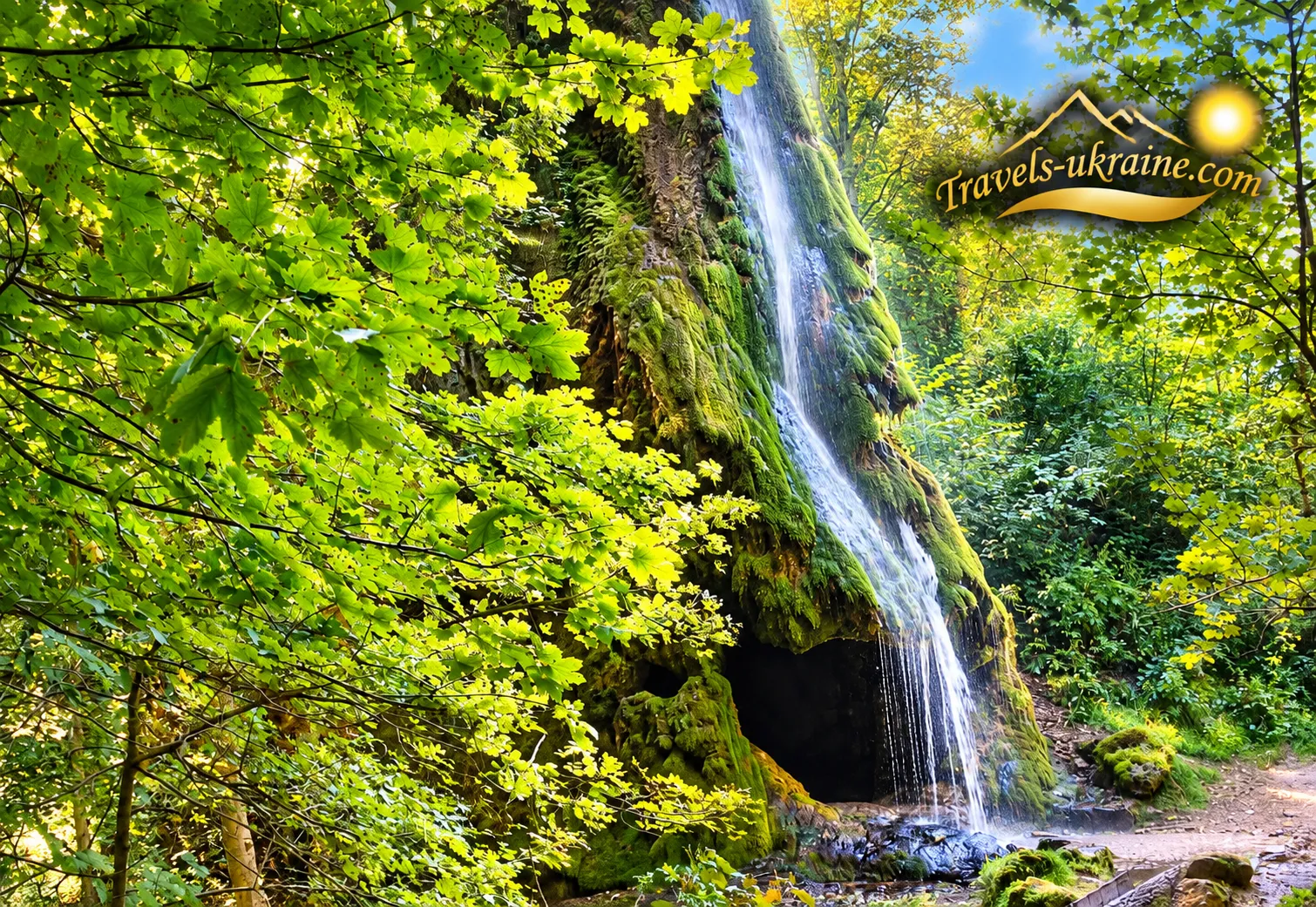
The cliff with its caves fitted perfectly into this vision. A natural spring located above the rock face was used to create a spectacular waterfall. Water was channelled towards the edge of the cliff so that it would cascade down in front of the grottoes from a height of approximately 18 metres. The original system used wooden pipes to transport the water. Although the structure was modified over time, the basic principle remained unchanged.
Is Maliivtsi Waterfall Natural or Man-Made?
The question of the waterfall's origins cannot be answered with a simple "natural" or "artificial". The spring, water, limestone cliff, and surrounding terrain are all natural features. However, the direction of the water flow and the dramatic effect of water falling from the cliff were deliberately engineered by people. Therefore, the most accurate description is a man-made cascade created using a natural spring and the existing landscape.
This design perfectly reflected the fashion for romantic landscape parks and gardens, where visitors were meant to be surprised by unexpected views, grottoes, water features, and picturesque ruins. In Maliivtsi, there was no need to invent the scenery: the cliff and caves were already there. All that remained was to add the water. And it's fair to say that this clever piece of landscape design has outlived its creators by several centuries.
From a Private Residence to a Historic Landmark
The estate's later history was considerably less peaceful. As political eras changed, the Orlovsky family lost their residence, and during the 20th century, the palace was given an entirely different purpose. At various times, it was used for medical and social services. Thanks to this continued use, the building avoided becoming an abandoned ruin, despite alterations and the loss of some of its original decorative features.
Today, the palace and park complex is gradually reclaiming its historical and cultural significance as a tourist destination. The waterfall has once again become one of its best-known attractions, although its visitors are no longer guests of a noble estate but travellers from across Ukraine. And if the Orlovsky family originally created this remarkable landscape to impress their guests, their plan certainly seems to be working even today.
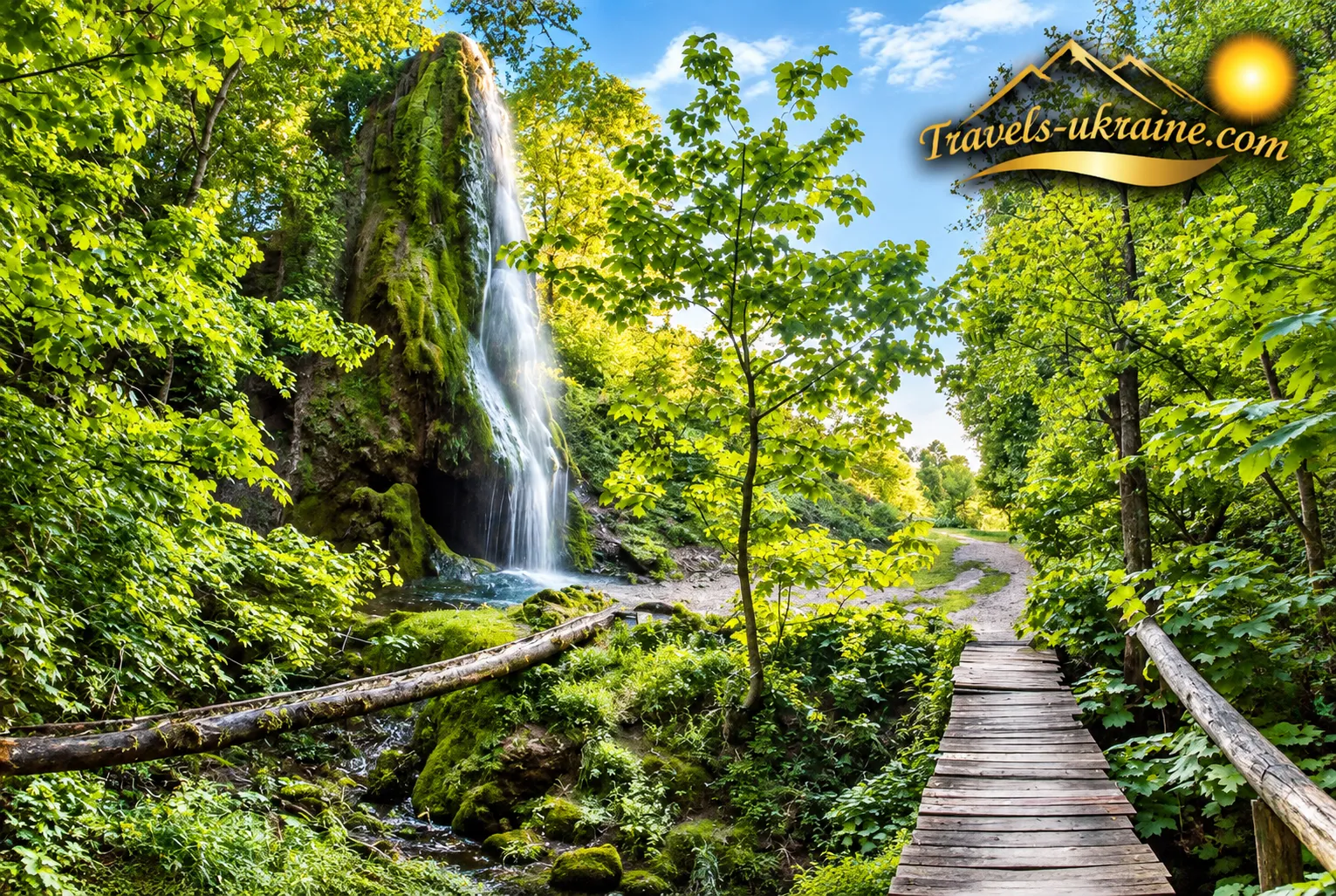
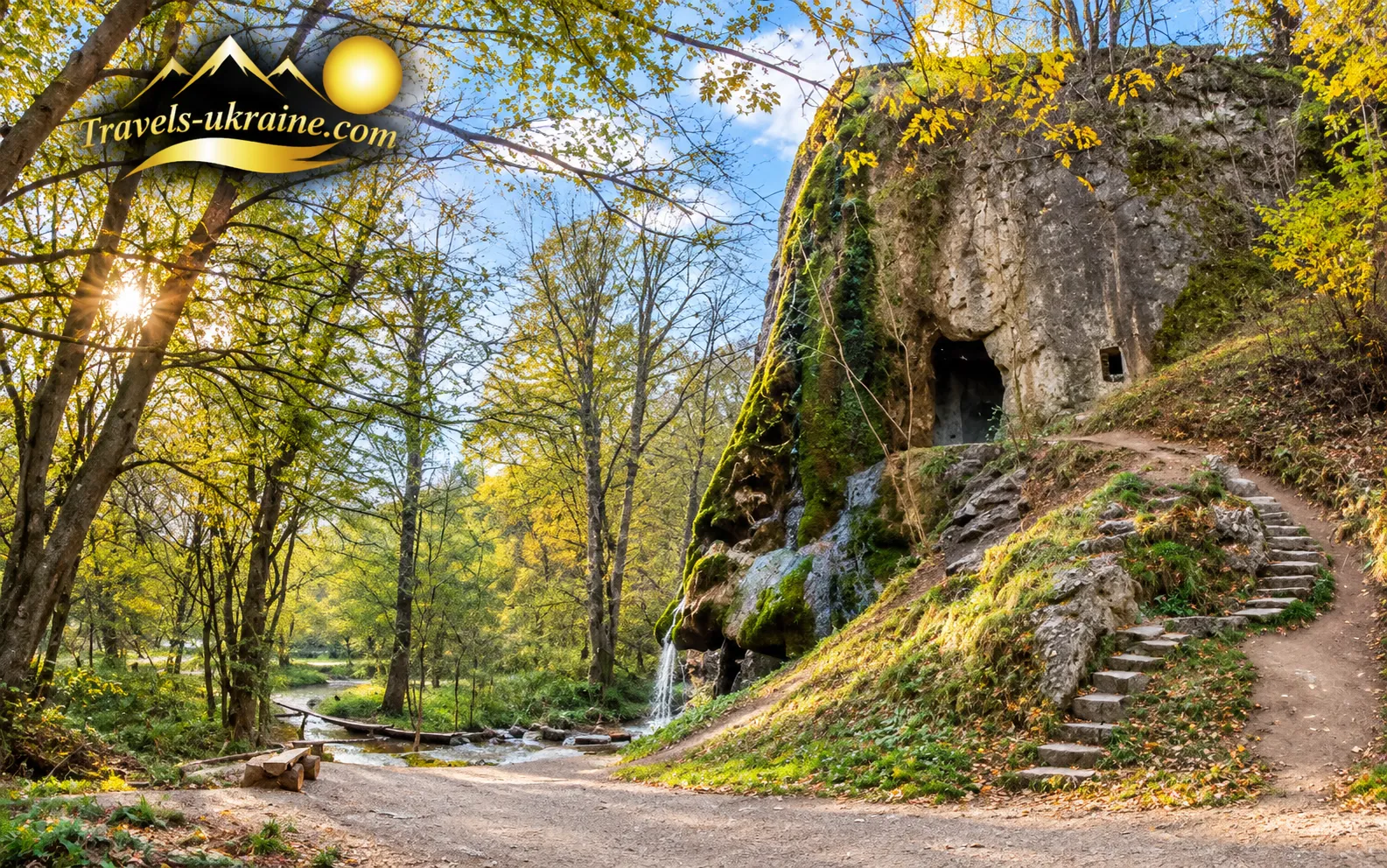
Orlovsky Palace and Other Attractions in Maliivtsi
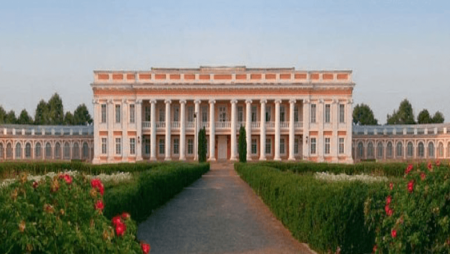
Visiting Maliivtsi just to see the waterfall and then immediately moving on would mean missing much of what makes this destination worth a trip of its own. The waterfall, grottoes, historic park, and Orlovsky Palace are historically connected and together form a unified palace and park ensemble. The best way to discover Maliivtsi is therefore to take your time and explore the grounds on foot. The architectural centrepiece of the complex is the palace, built in the late 18th century. Its design is elegant and symmetrical, with a long, light-coloured facade, classical proportions, and a central portico that contrast sharply with the romantic character of the surrounding park, cliffs, and waterfall.
In its heyday, this was much more than a grand country residence. The building housed elegant reception rooms and private living quarters, while the palace itself served as the heart of the estate, around which daily life revolved. Its purpose changed during the 20th century, but the building's continued use helped it escape the fate of many other palaces in the Podillia region, some of which survive today only as fragments of ruined walls.
Today, the palace houses the Maliivtsi Regional Museum of History and Culture. This makes it well worth combining a walk through the grounds with a visit to the palace and an introduction to the estate's fascinating history. Before travelling, it's advisable to check the museum's current opening hours and whether visitors are permitted to explore the interior.
The Historic Park Surrounding the Palace
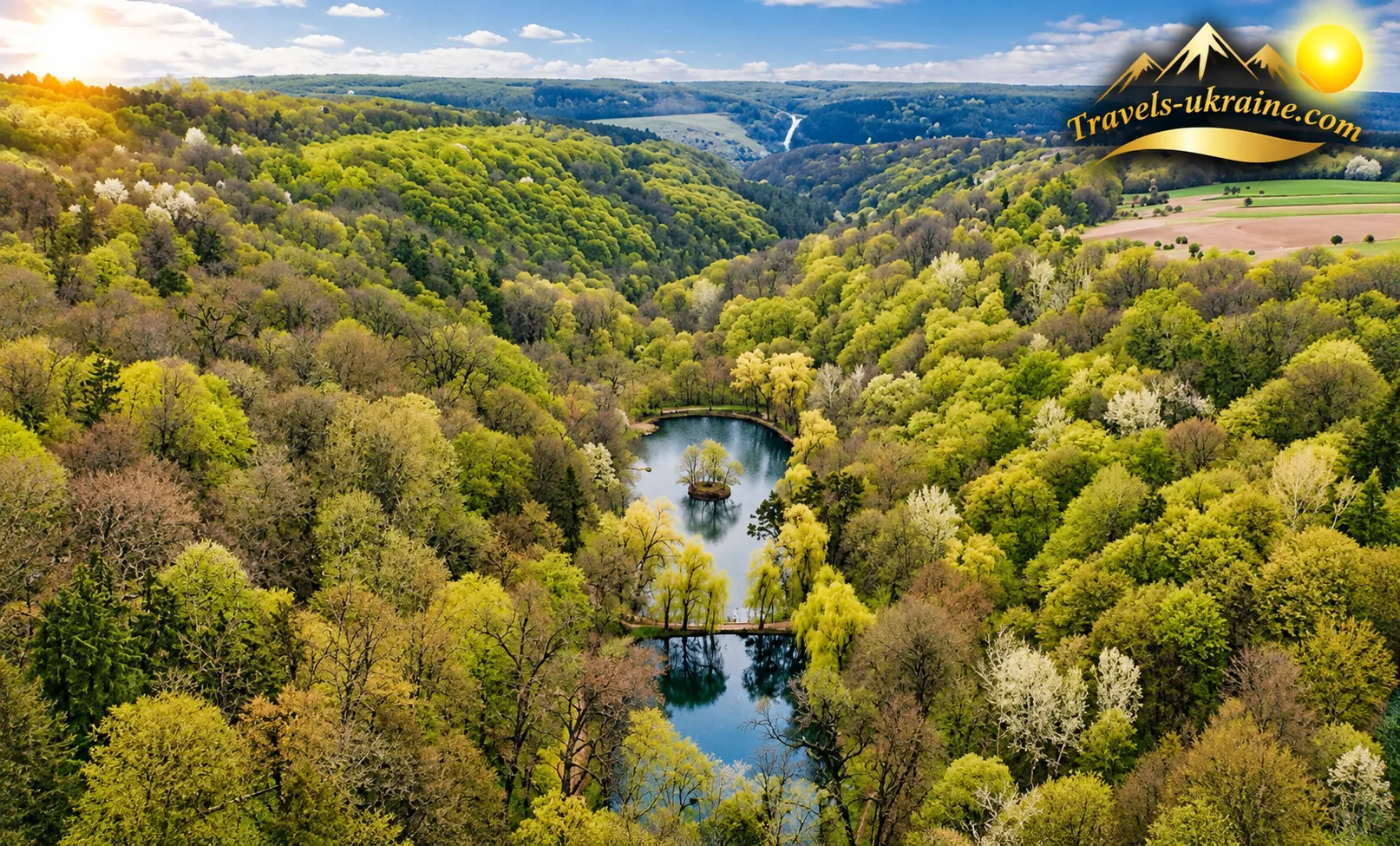
Another essential part of the ensemble is Maliivtsi Park. It was designed as a landscaped extension of the residence, making use of the natural terrain, springs, ponds, and mature trees. This is why the waterfall doesn't feel like an isolated attraction — it forms part of a much larger and carefully composed landscape.
Rather than searching for just one "perfect photo spot", take time to explore the park itself. Its old avenues, towering trees, ponds, changing elevations, and unexpected views of the palace gradually reveal the estate from entirely different perspectives. This is the kind of park where a short walk between two attractions can easily turn into a much longer adventure — especially if you find yourself stopping every few minutes to ask, "I wonder what's behind those trees?"
Natural Springs, Ponds, and Exploring Maliivtsi
Water plays a particularly important role in shaping the character of this landscape. Natural springs once supplied the park's water system, ponds were created throughout the grounds, and one of the streams became the source of the famous cascade above the grottoes. As a result, the palace and park ensemble feels less like a single historic building surrounded by trees and more like a complete, carefully designed landscape.
It's worth allowing at least a few hours to explore the waterfall, grottoes, and palace. If you'd also like to stroll leisurely through the park, visit the museum, and discover the other historic structures, don't treat Maliivtsi as a ten-minute stop on the way somewhere else. This place has a rather dangerous habit of disrupting travel itineraries: you arrive planning to see just one waterfall, and before you know it, you've spent half the day wandering around the grounds.
How to Get to Maliivtsi Waterfall
The waterfall is located in the village of Maliivtsi in Ukraine's Khmelnytskyi region, within the historic Orlovsky Palace and Park Complex. When planning your travel itinerary, it's worth using both the waterfall and the palace as landmarks. The two attractions are located very close to each other, making it easy to explore them during the same visit.
The most convenient way to get there is by car, especially if Maliivtsi is just one stop on a longer journey through Podillia. Before setting off, it's best to enter Orlovsky Palace or Maliivtsi Waterfall directly into your navigation app rather than simply choosing the village centre. That way, you can avoid the classic travel experience of arriving somewhere and immediately having to ask a local, "So, which way do we go now?"
Travelling without a car requires a little more planning. Bus and regional transport schedules serving small villages can change, so it's important to check current connections to Maliivtsi or nearby settlements before your trip. Make sure you also plan your return journey in advance. Relying on an old bus timetable found on a travel forum several years ago is definitely not a good idea.
Maliivtsi also makes an excellent stop on a longer sightseeing route through the Khmelnytskyi region, which could include Kamianets-Podilskyi Fortress or Bakota. However, this is one place where rushing would be a real shame. The waterfall is just a short walk from the palace, grottoes, and historic park, so treating it as a quick tick on your sightseeing checklist means missing much of what makes the destination special. It's better to include one fewer stop in your itinerary and leave yourself enough time to wander along the old park paths and discover what lies around the next corner.
Frequently Asked Questions About Maliivtsi Waterfall
Where is Maliivtsi Waterfall located?
Maliivtsi Waterfall is located in the village of Maliivtsi in Ukraine's Khmelnytskyi region, within the historic Orlovsky Palace and Park Complex. The palace, historic park, and grottoes are all nearby, making it easy to explore these attractions during a single visit.
How high is Maliivtsi Waterfall?
Water cascades down a limestone cliff approximately 18 metres high. The combination of the towering rock face, flowing water, and historic caves makes this location particularly unusual and visually striking.
Is Maliivtsi Waterfall natural or man-made?
The most accurate description is a man-made cascade created using natural features. The spring, water, and limestone cliff are all natural, but the water was deliberately channelled towards the cliff's edge through an engineered system, creating the waterfall effect above the grottoes.
What can you find inside the grottoes beneath the waterfall?
The limestone cliff contains cave chambers arranged on different levels. These grottoes are associated with the monastic history of Maliivtsi. However, the exact date when the earliest chambers were created remains uncertain, so claims assigning them to a specific historical period should be treated with caution.
Was there really a cave monastery in Maliivtsi?
The grottoes have a long-standing monastic tradition, and historical records document the existence of a Basilian monastery in Maliivtsi in the early 18th century. Local historical accounts also mention much earlier origins for the cave monastery, although the precise dating of its earliest period remains a subject of debate.
What else is there to see in Maliivtsi?
Besides the waterfall, visitors should explore Orlovsky Palace, the historic landscaped park, the water tower, ponds, and other surviving features of the former estate. The palace is also home to the Maliivtsi Regional Museum of History and Culture.
How much time should you allow for visiting Maliivtsi?
Allow approximately two to three hours to explore the waterfall, grottoes, park, and palace exterior. If you also plan to visit the museum and enjoy a leisurely walk around the grounds, it's worth setting aside additional time.
When is the best time to visit Maliivtsi Waterfall?
Spring, summer, and autumn generally offer the most comfortable conditions for longer walks. The historic park is particularly beautiful in autumn, while the warmer months make exploring the grottoes and estate grounds more pleasant. Be sure to consider the weather before your visit, as rocks and unpaved paths can become slippery after rainfall.
Maliivtsi — Where History Comes Alive Behind a Curtain of Water
The waterfall in Maliivtsi Park is one of those attractions that turns out to be far more fascinating than photographs might suggest. You arrive expecting to see water cascading down a towering cliff, only to discover ancient grottoes, a rich monastic history, an aristocratic palace, and an extensive historic park where the past still feels present at every turn.
It's precisely this remarkable combination of different elements that makes Maliivtsi so special. Here, nature and human history are so closely intertwined that it's sometimes difficult to tell where one ends and the other begins. Spring water becomes a waterfall, a natural limestone cliff conceals grottoes carved by human hands, and an old noble residence stands amid a park that has long since taken on a life of its own.
That's why Maliivtsi deserves to be experienced as more than a quick stop beside a beautiful waterfall. Think of it as a small journey through different historical eras. There's no need for a complicated itinerary: simply set aside a few hours, leave the rush behind, and let the old park guide you from one fascinating landmark to another. And if, when you get home, you find yourself telling friends that you travelled to the Khmelnytskyi region to see a waterfall but ended up exploring a historic palace, wandering through monastic grottoes, and discovering stories along centuries-old park avenues — then Maliivtsi has shown you exactly why this remarkable place is worth visiting.

No Comment
You can post first response comment.