
 English
 Українська
 Русский

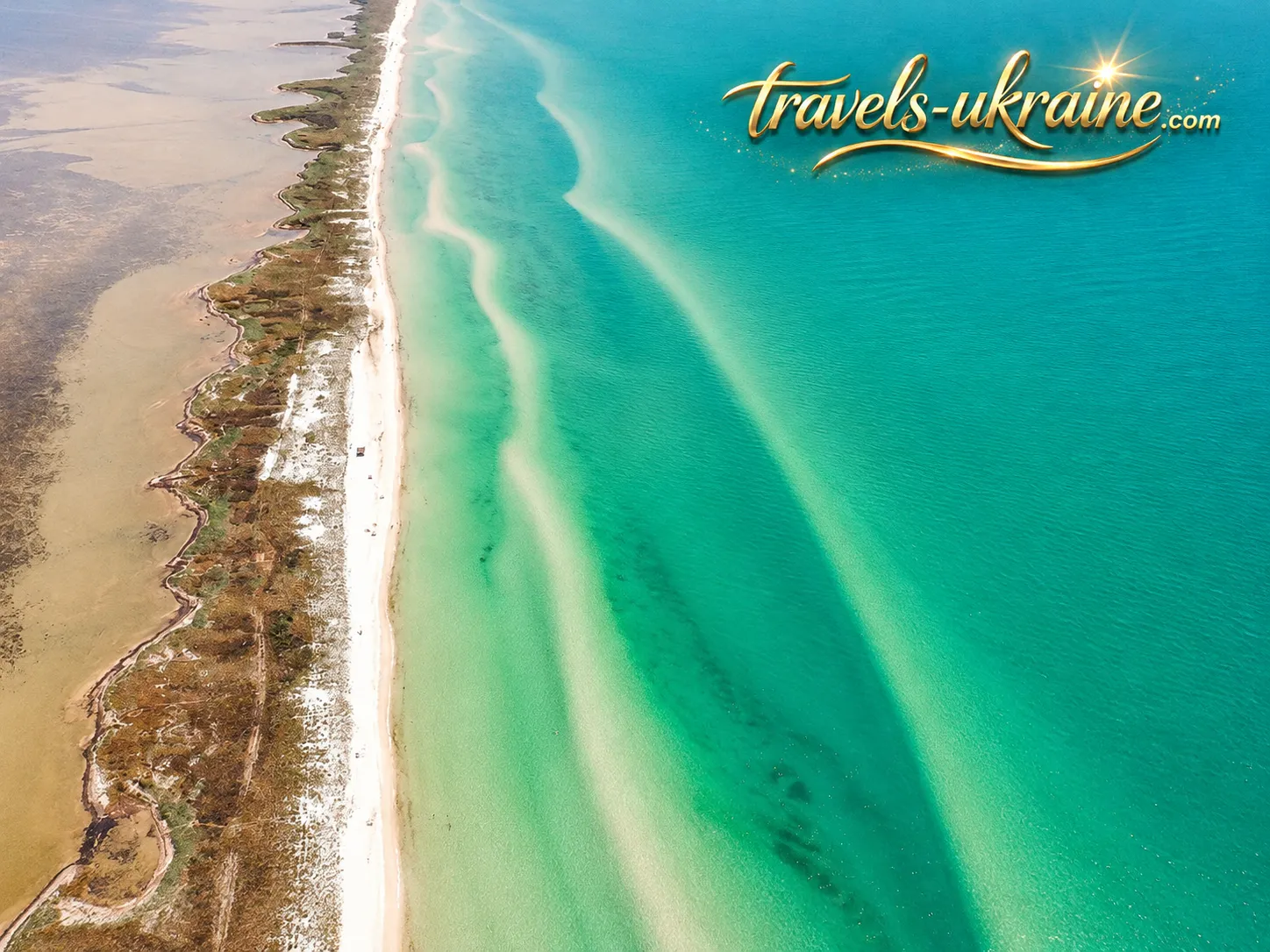
As of November 2026, Dzharylhach Island in Ukraine's Kherson region remains under Russian occupation. Once a unique corner of the Black Sea, often referred to by tourists as the "Ukrainian Maldives," the island attracted visitors with its endless sandy beaches, crystal-clear waters, wild deer, and almost untouched natural landscapes. Today, Russian military forces occupy the island instead of tourists, while the territory of Dzharylhach National Nature Park is suffering severe environmental damage.
From a Protected Natural Area to a Military Training Ground
Following the occupation of the island in 2022, Russian forces began using its territory for military purposes. In the spring of 2023, the occupying forces constructed an artificial embankment between Dzharylhach Island and the mainland of the Kherson region, disrupting the natural connection between Dzharylhach Bay and the surrounding waters. Reports later emerged that a military training ground had been established on the island.
According to Ukraine's Specialized Environmental Prosecutor's Office, the construction of the embankment and ongoing military activities have negatively affected the island's natural habitats and the ecosystem of Dzharylhach Bay. Particular concerns include potential disruptions to water exchange, damage to habitats supporting rare species, and environmental contamination resulting from military operations.
Thousands of Hectares at Risk — What Is Known About the Wildfires?
Large-scale wildfires have become one of the most devastating consequences of the occupation. On September 1, 2026, Hennadii Znakhorenko, head of the Specialized Environmental Prosecutor's Office in the Kherson region, reported that approximately 1,000 hectares of protected land on Dzharylhach Island had burned in a wildfire following shelling by Russian forces.
Ukrainian law enforcement authorities are conducting a criminal investigation into the incident. Wildfires pose a particularly serious threat to steppe vegetation, bird nesting grounds, and natural wildlife habitats. However, the full extent of the environmental losses cannot yet be determined without a comprehensive on-site assessment.
Dzharylhach's Wildlife — Another Victim of the Occupation
Before Russia's full-scale invasion of Ukraine, Dzharylhach Island was renowned for its rich wildlife. The island was home to deer, fallow deer, and numerous bird species, while the surrounding marine waters played an important role in preserving Black Sea ecosystems.
During the occupation, the situation has deteriorated significantly. According to a report published by journalists from Novyny Donbasu (News of Donbas) on October 22, 2026, the occupation administration authorized hunting and the shooting of wild animals on the island. However, because independent access to Dzharylhach remains impossible, the number of animals killed and the overall condition of wildlife populations cannot currently be reliably established.
Can Dzharylhach Island Be Saved?
Despite the alarming reports, it would be premature to claim that Dzharylhach Island has been completely destroyed. Ukrainian environmental organizations and law enforcement agencies continue documenting the consequences of Russian aggression using satellite imagery, available eyewitness accounts, and remote monitoring data. Restoring Ukrainian control over the island would be only the first step toward its recovery. Further efforts would require demining operations, comprehensive environmental studies, assessments of wildlife and plant populations, and conservation measures to protect and restore damaged natural habitats.
Dzharylhach Island is currently inaccessible and unsafe for tourists. The ongoing occupation, military use of the territory, and potential presence of unexploded ordnance make safe travel to the island impossible. It is particularly heartbreaking to realize that just a few years ago, Dzharylhach was a place where people came to enjoy peace and quiet, pristine sea waters, and encounters with wildlife. Today, its future remains uncertain. Yet the island has not disappeared from the map of Ukraine, and its natural heritage has lost none of its value.
We can only hope that one day, Dzharylhach Island will once again echo not with the thunder of military exercises, but with the gentle sound of sea waves, the calls of birds, and the joyful voices of travelers. After all, the island's true return would mean not only the liberation of Ukrainian land, but also an opportunity to protect and restore its unique natural environment for future generations.




No Comment
You can post first response comment.