
 English
 Українська
 Български
 Hrvatski
 Čeština
 Dansk
Dansk Nederlands
 Eesti
Eesti Suomi
Suomi Français
 Deutsch
 Ελληνικα
 Magyar
 Íslenska
 Italiano
 Latviešu
 Lietuvos
 Polski
 Português
 Română
 Русский
 Српски
 Slovenčina
 Slovenščina
 Español
 Svenska
 Türkçe
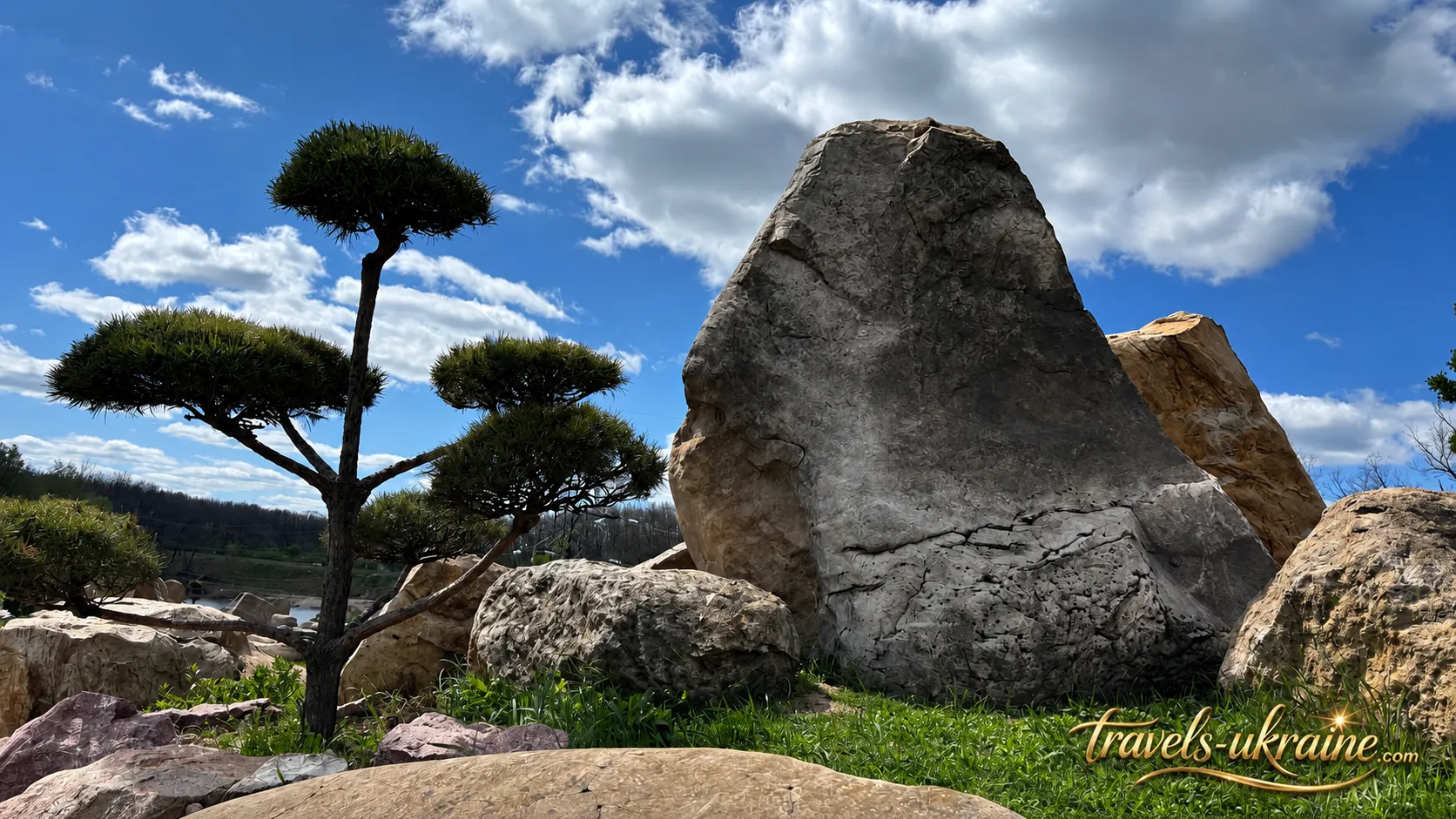
Did you know that a park is not always just about green avenues, picturesque lakes with swans, fountains, flowerbeds and cosy benches for a leisurely rest? Sometimes a park can be entirely different from the image we have carried since childhood: stony, mysterious, silent and, at first glance, a little austere. Yet beneath this outward restraint lies a special tenderness — deep meanings and symbols that reveal themselves gradually, but only to those willing to pause, look more closely and feel more than the eye can see.
So, if you have not yet heard of this remarkable place, it is time to introduce you to Kharkiv Stonehenge — the name often given to the Stone Park at Feldman Ecopark. At first glance, it may seem unusual, even slightly mysterious: instead of familiar park decorations and flower-lined paths, there is the rough texture of stone, silence, open space and a sense of hidden history. A special depth emerges from this unusual simplicity: stone unexpectedly blends with the warmth of memory, while silence becomes more eloquent than words. Look a little closer, and you will discover not merely a stone park, but a symbolic place where every boulder and every pebble seems to preserve its own silent story.
This is precisely what the Stone Park — Parents’ Park at Feldman Ecopark is like: a place that does not try to entertain you from the very first minute, but works differently, quietly and gradually drawing you into its atmosphere almost without notice. It seems to ask you to leave haste behind, quieten unnecessary thoughts and allow yourself to feel more. Before you is not simply a landscaped park attraction, but a space with character, memory and profound emotional undertones. Here, every stone appears not as a random detail, but as a silent sign — a symbol of parental strength, family roots and the invisible bond between generations that remains even when words are no longer needed.
Who will enjoy a walk among the stones at Feldman Ecopark?
Popularly known as Kharkiv Stonehenge, this park is well suited to anyone dreaming of a peaceful family break near Kharkiv, or planning a travel itinerary and wondering where to go from Kharkiv for the weekend to combine tranquillity, memorable impressions and a distinctive atmosphere. You can come here specifically for an inner pause, new sensations and an unusual mood, or include the location in a longer walk around the Ecopark: wander through green areas, see the animals, visit children’s spaces and, when available, attend seasonal events.
This place will be especially rewarding for travellers who enjoy not only photographing a location, but also feeling it. There is no need to search for a “main exhibit” here. The entire site feels like a natural open-air gallery, where every stone has its own shape, colour, texture and mood. That is why Feldman Ecopark, home to one of the largest collections of megaliths in Ukraine, is gradually becoming one of those places in the Kharkiv region that people visit not only for recreation, but also for a quiet inner pause.
In the following sections, we will do more than simply follow the route through this location — we will try to read its silent language. We will explore what the Stone Park is, discover the history of the Stone Park, consider the symbolism of the stones in the park, learn how best to plan your visit, and see what else Feldman Ecopark has to offer. And perhaps, during this journey, it will become clear why stones can sometimes speak of memory, family and love far more powerfully than words ever could.
Kharkiv Stonehenge, the Stone Park and Parents’ Park: different images of one place
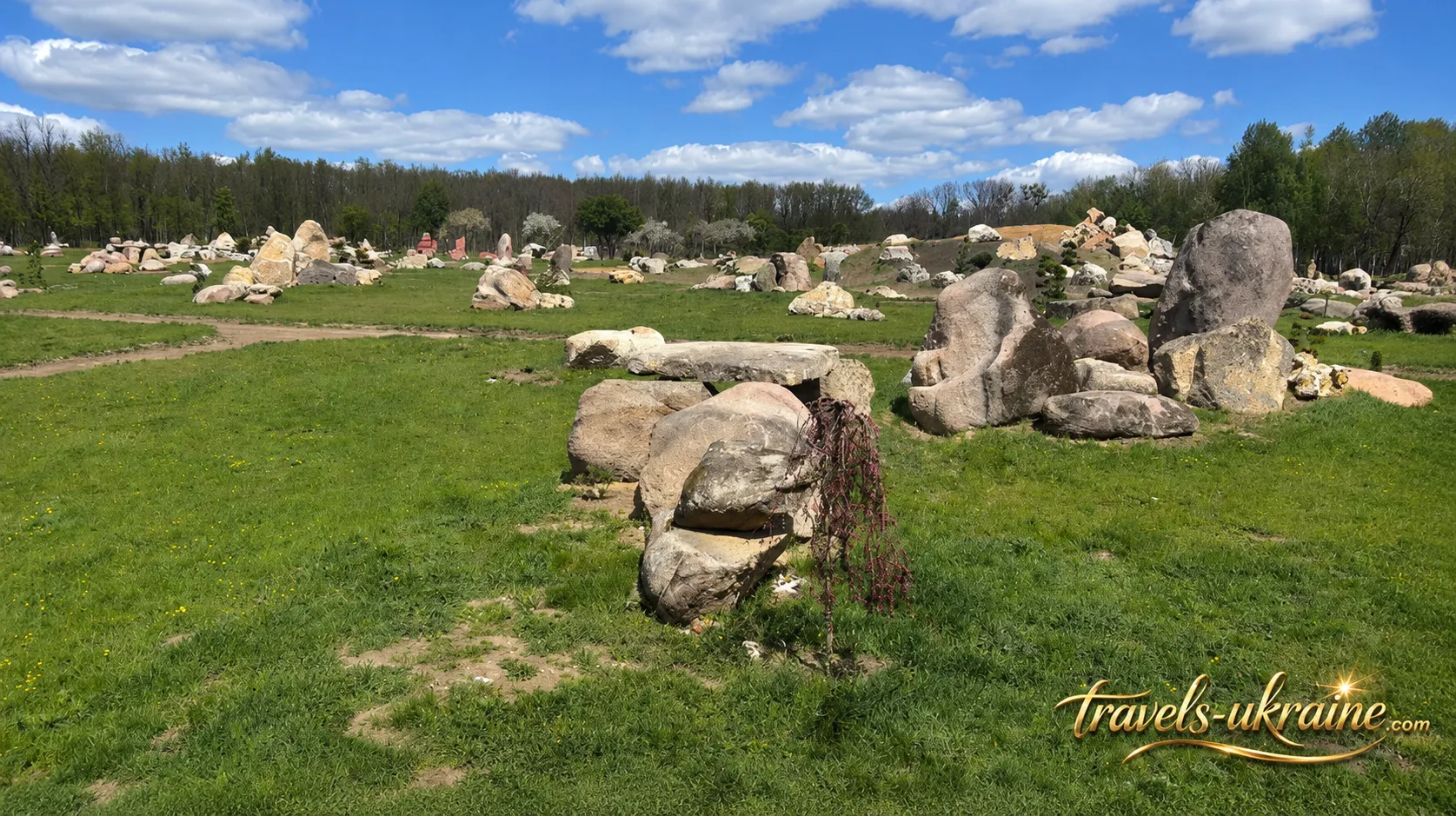
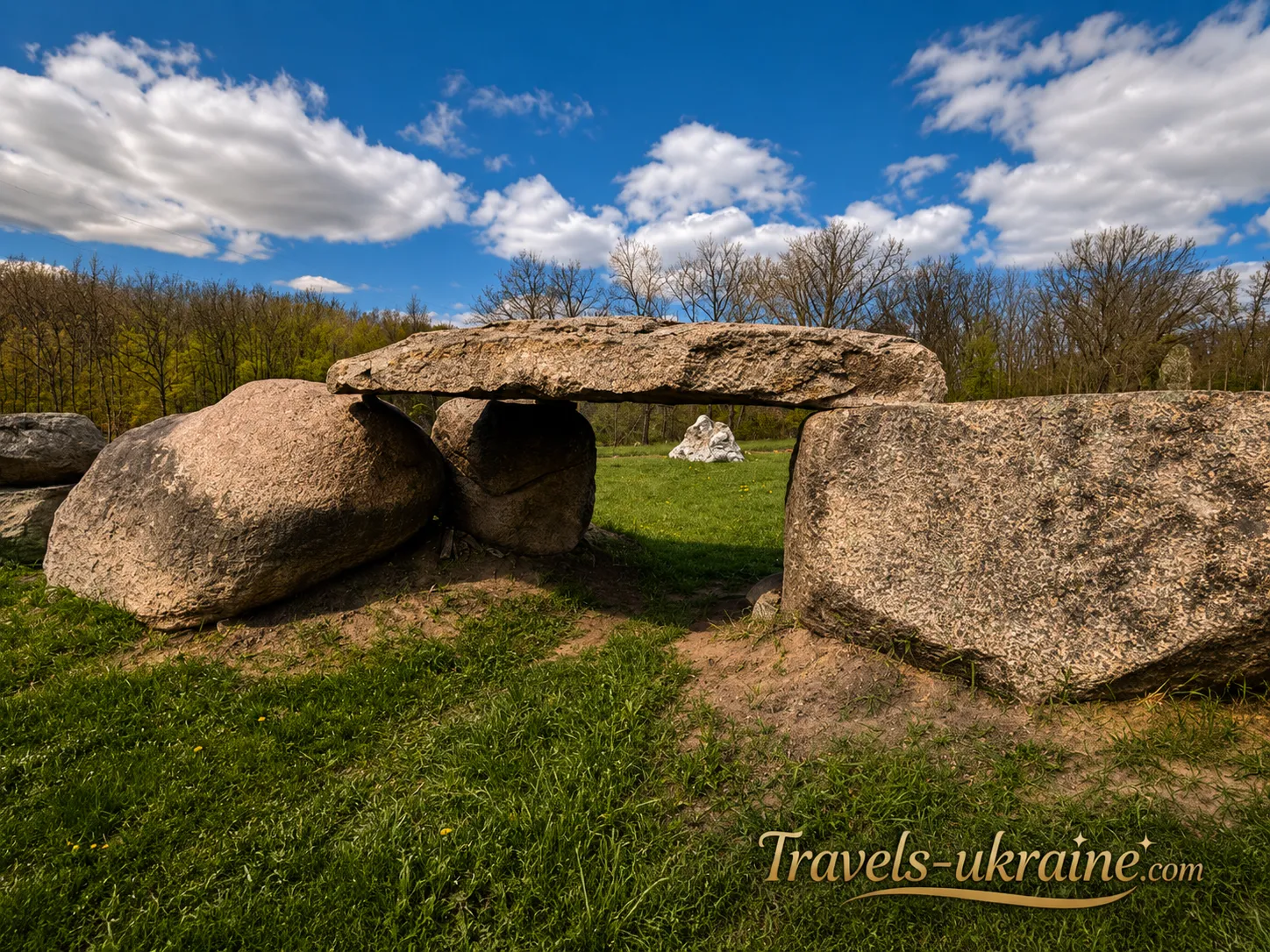
This unusual location has several names, each revealing a different side of it. For some, it is the Stone Park — a space where boulders, natural forms, the texture of stone and silence take centre stage. For others, it is Parents’ Park, a place of gratitude, remembrance and quiet inner dialogue with those dearest to us. More recently, the name Park of a Thousand Stones has also appeared, highlighting the scale of the composition, its diversity and the sense of a vast natural collection in the open air. Popularly, the site is also called Kharkiv Stonehenge because of its mysterious appearance, monumentality and distinctive atmosphere, which genuinely recalls ancient megalithic landscapes.
The double name Stone Park — Parents’ Park at Feldman Ecopark accurately conveys the two sides of this location. The first describes what the eye sees: boulders of different shapes, sizes and colours arranged across an open space. Yet after only a few minutes of walking, it becomes clear that this is not merely a collection of natural rocks or an ordinary decorative composition. The stones feel like part of a deeper idea — restrained, symbolic and even slightly philosophical. Each boulder seems to carry weight not only in the physical sense, but in the spiritual one as well.
The second part of the name — Parents’ Park — reveals an entirely different, warmer and more personal meaning. It reminds us that stone can be not only part of a landscape, but also a symbol of memory, strength, family roots and the invisible bond between generations. There is something deeply human in this name: behind every person stand their family, childhood, parental support and unseen history. That is why a walk through this place can unexpectedly touch you more deeply than an ordinary tourist attraction.
The name Park of a Thousand Stones sounds more evocative and grand in scale. It suggests that before us are not just a few decorative rocks, but an entire stone world in which every element has its own form, origin, silent presence and individual character. The name captures the feeling of a journey among the stones: you are not simply walking along a park path, but moving through a natural installation where hundreds and thousands of stone voices merge into one great story of time, memory and the earth.
The image of Stonehenge, meanwhile, adds an element of intrigue. Of course, this is not a historical counterpart to the monument in Wiltshire, England, in the literal sense, but rather a popular tourist comparison inspired by the visual resemblance between the large stones and ancient megalithic landscapes. Yet the comparison has a poetry of its own. It emphasises the mystery of the space, its silent strength and the feeling that before you is not merely a stone park, but a place where time slows down slightly. It is easy to imagine that the stones remember more than people could ever tell.
So, if you want to experience the unusual atmosphere of this place, slow down for at least a few minutes and become part of its silent story, the Stone Park at Feldman Ecopark is truly worth visiting. This is a tourist journey not only in search of new impressions or beautiful photographs, but also of the quiet inner response that remains after encountering something deeper than an ordinary leisure spot. People come here to walk among the stones, listen to the silence and feel an invisible connection with memory, family and the land — the very connection that makes this place worth seeing with your own eyes.
Stone Park — Parents’ Park: the story behind a stone symbol of generations
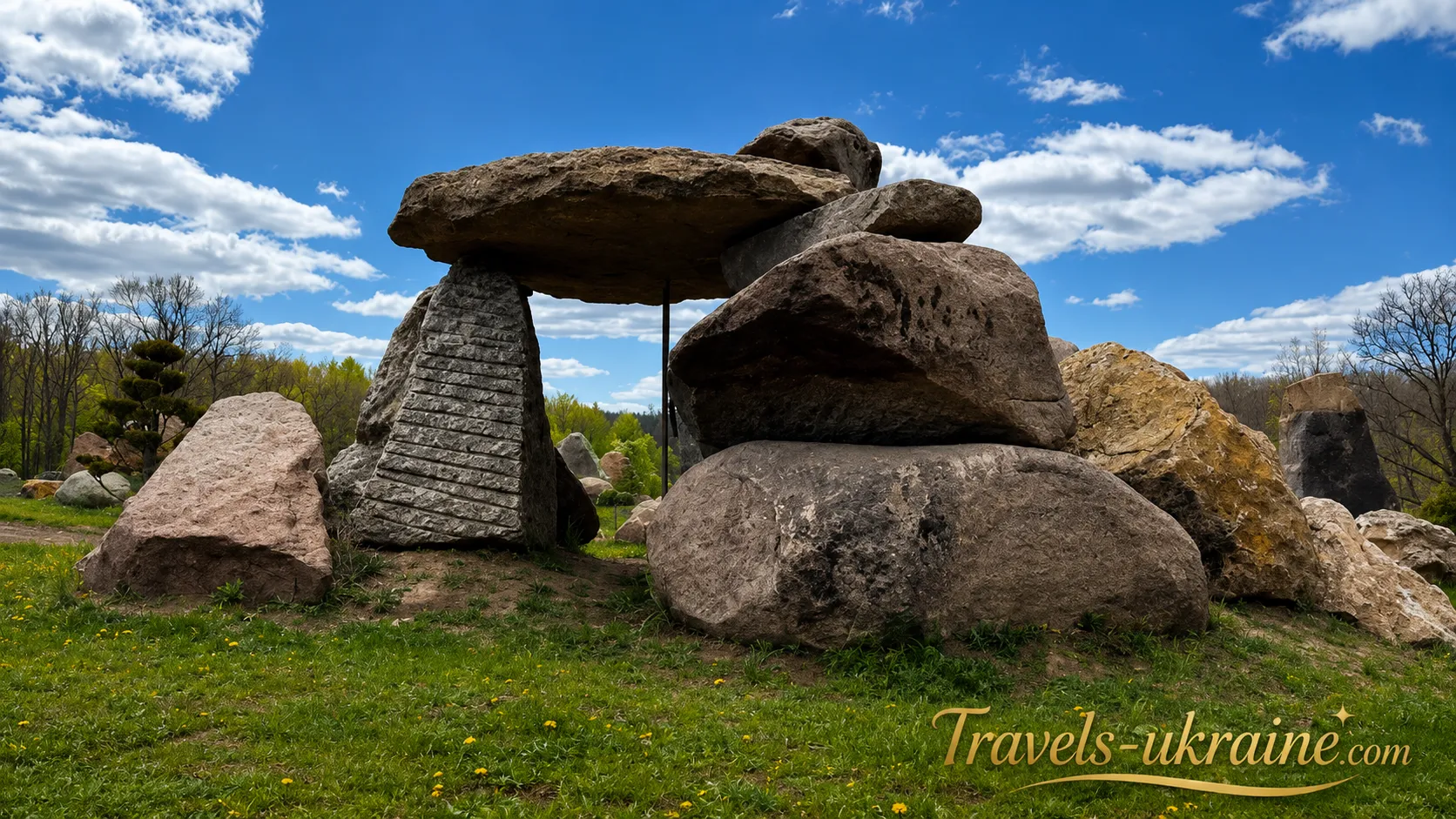
To truly understand the profound meaning of this unique park area in the Kharkiv region, it is worth tracing the stages of its creation and development. The idea for this unusual space emerged before the beginning of the full-scale war, while active work on the site continued in 2023 — at a time when memory, family, roots and inner support had become especially meaningful to many Ukrainians.
Gradually, a genuine wonder of petrified giants began to take shape at Feldman Ecopark — megaliths, boulders and natural rock formations brought together in one vast open-air gallery. This is more than a decorative stone composition; it is a space with a strong emotional presence. It is no coincidence that places like this are described as places of power or sacred spaces, where silence, nature and symbols affect a person more deeply than ordinary words.
Why is that so? It is difficult to explain at once, but easy to feel when you find yourself within this stone oasis. There is no need to say anything aloud or search for ready-made answers. Simply walk slowly among the boulders, study their shapes, textures and natural lines, and sense the weight of time in every rock — the space itself gradually leads you towards memories, gratitude and reflection. In this silence, the Stone Park of the Kharkiv region reveals itself as a place where family memory and the connection between generations become tangible.
Stones from across Ukraine: geography, form and character
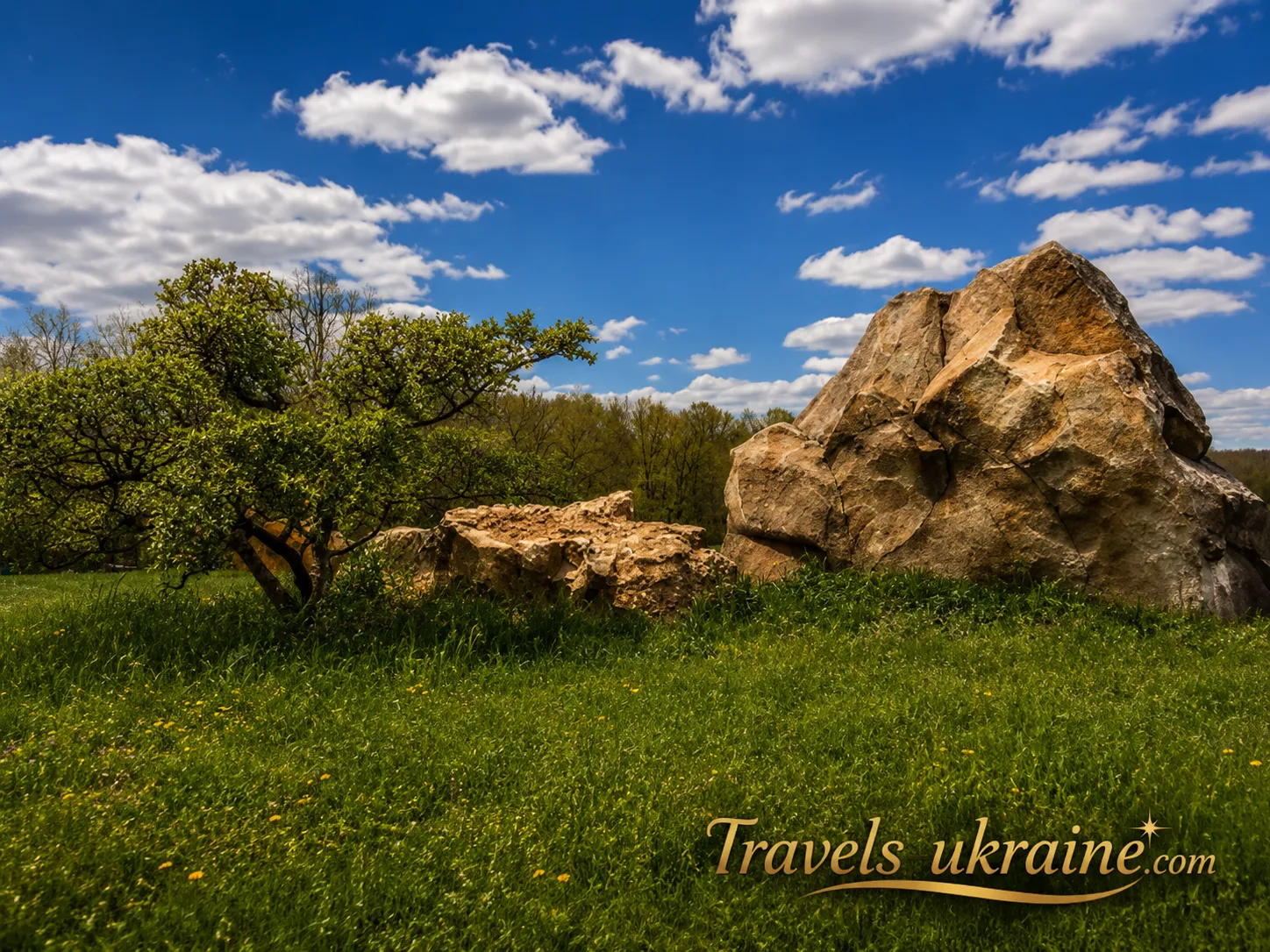
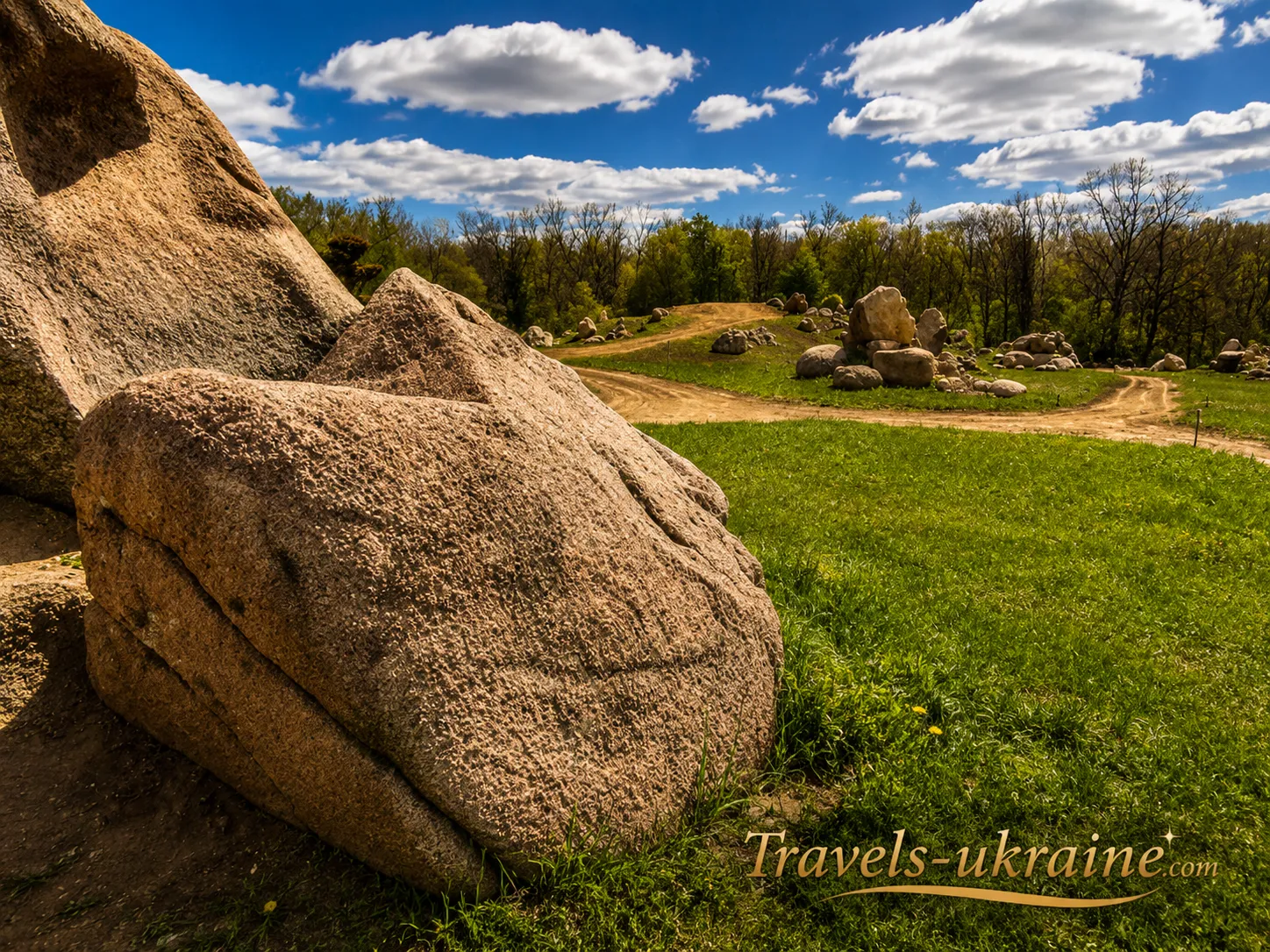
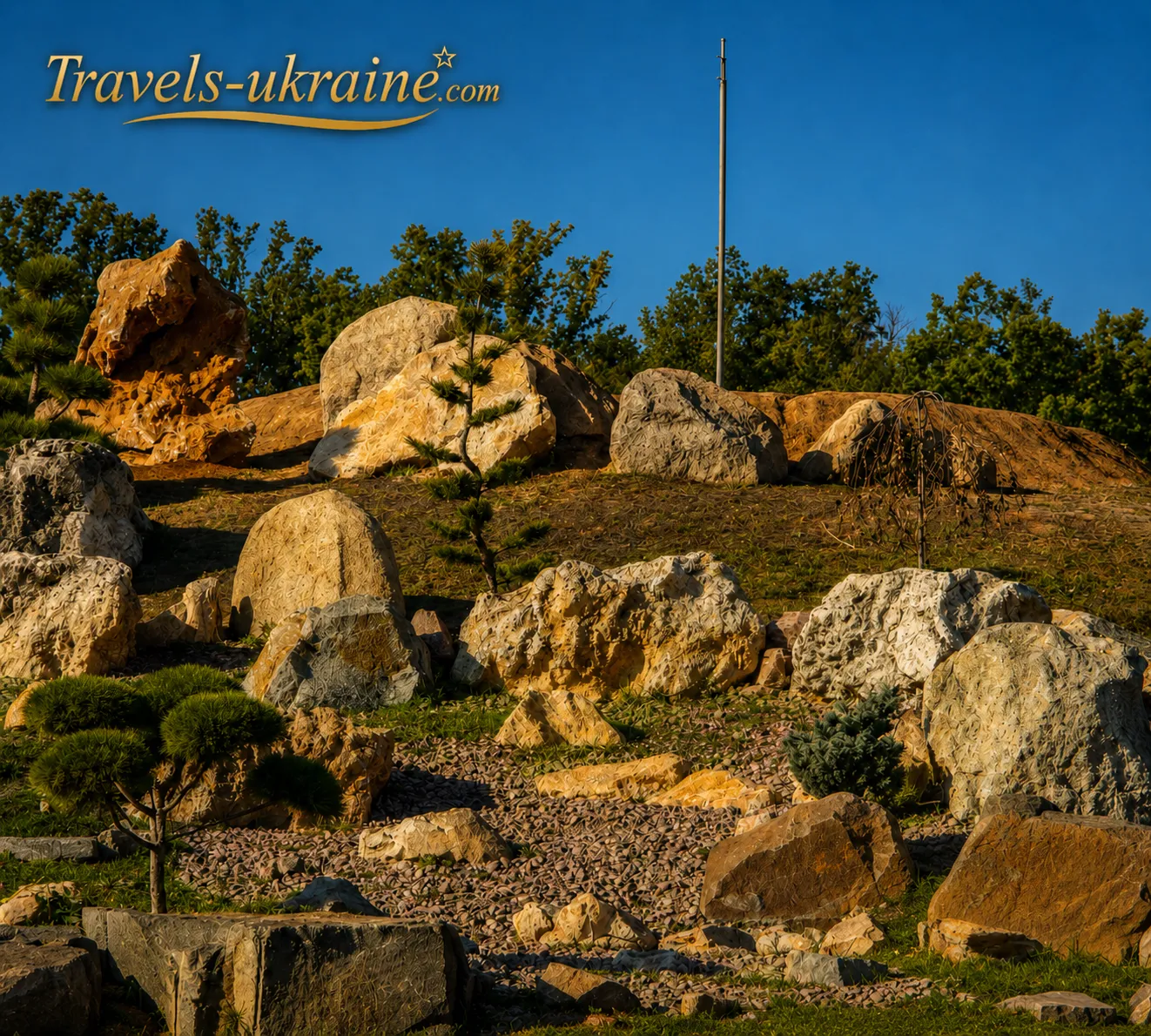
To bring this bold idea to life and create the largest megalith park in Ukraine — a space for peaceful walks, reflection and a deeper connection with nature — stones began to be transported here from different parts of the country. Large boulders and natural rock formations gradually filled the green areas among clearings, trees and open ground, transforming an ordinary landscape into a distinctive open-air composition — a stone museum.
In this way, the petrified giants became an integral part of the park’s natural appearance. With each stage, new rocks of different shapes, sizes, colours and textures were added. Some stones appeared restrained and austere, while others drew attention with soft lines, unusual shades or natural patterns across their surfaces. Together, they gradually formed a space in which stone no longer seems like a random element, but becomes a silent participant in a great story about nature, time and memory.
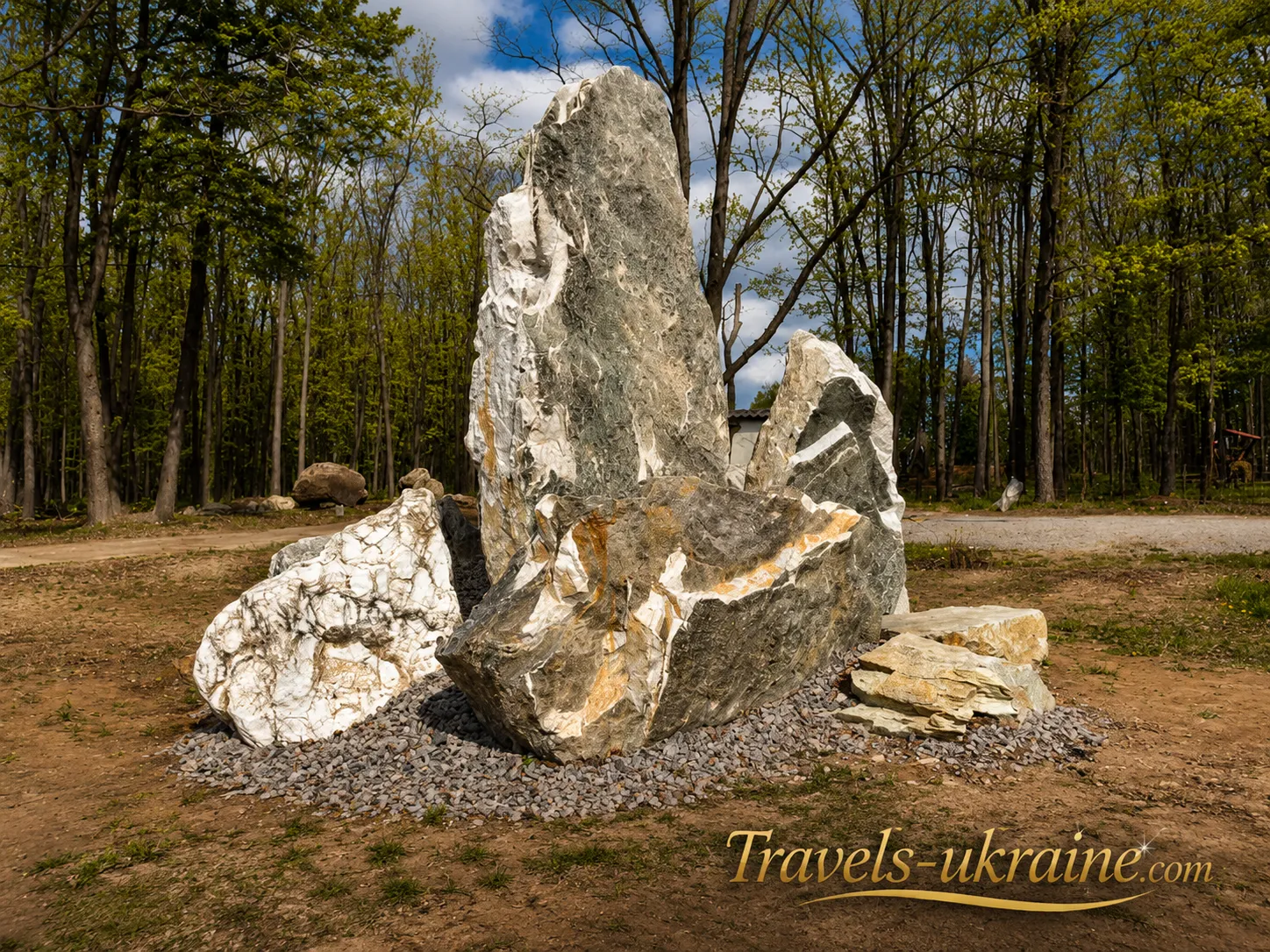
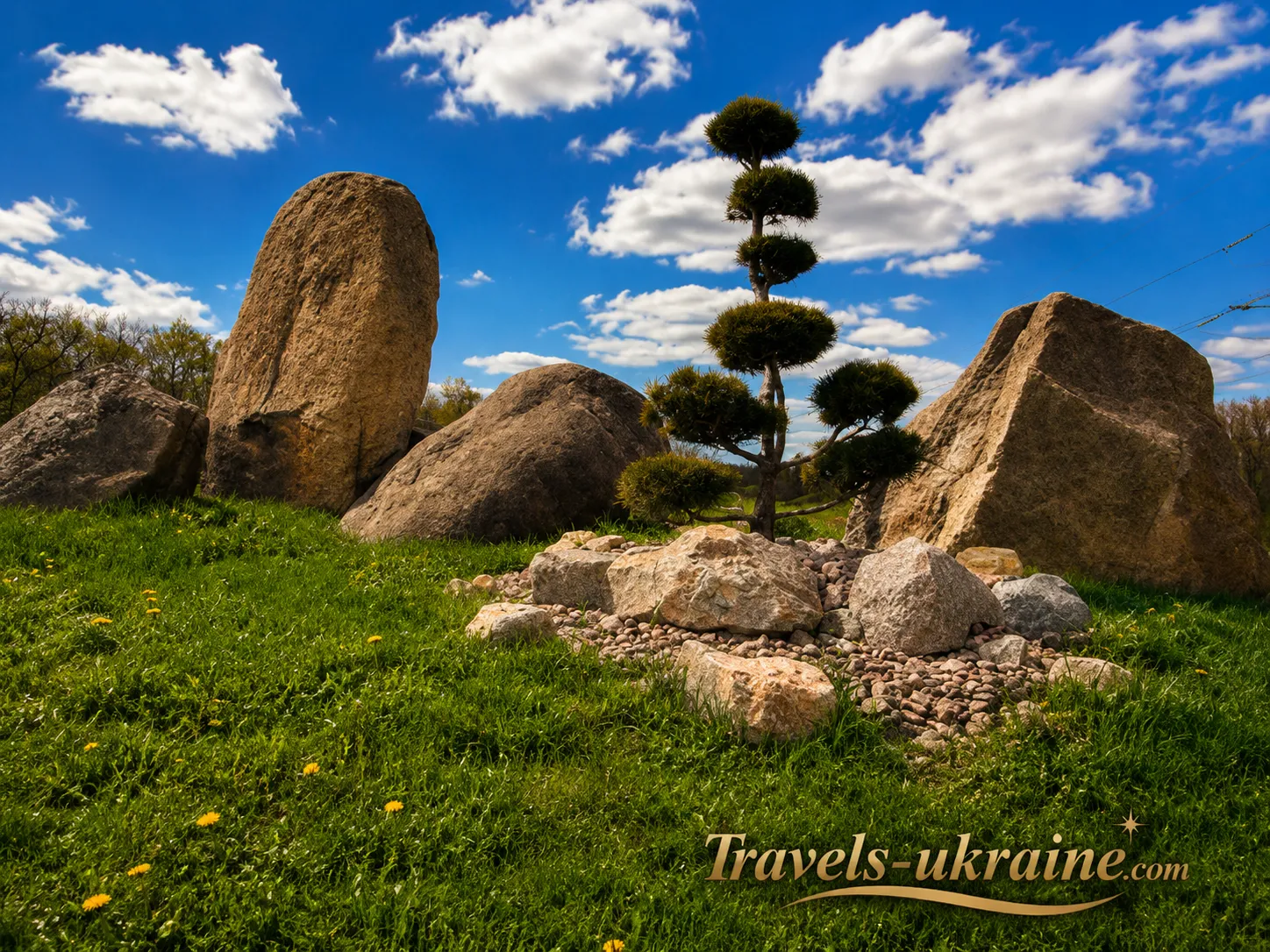
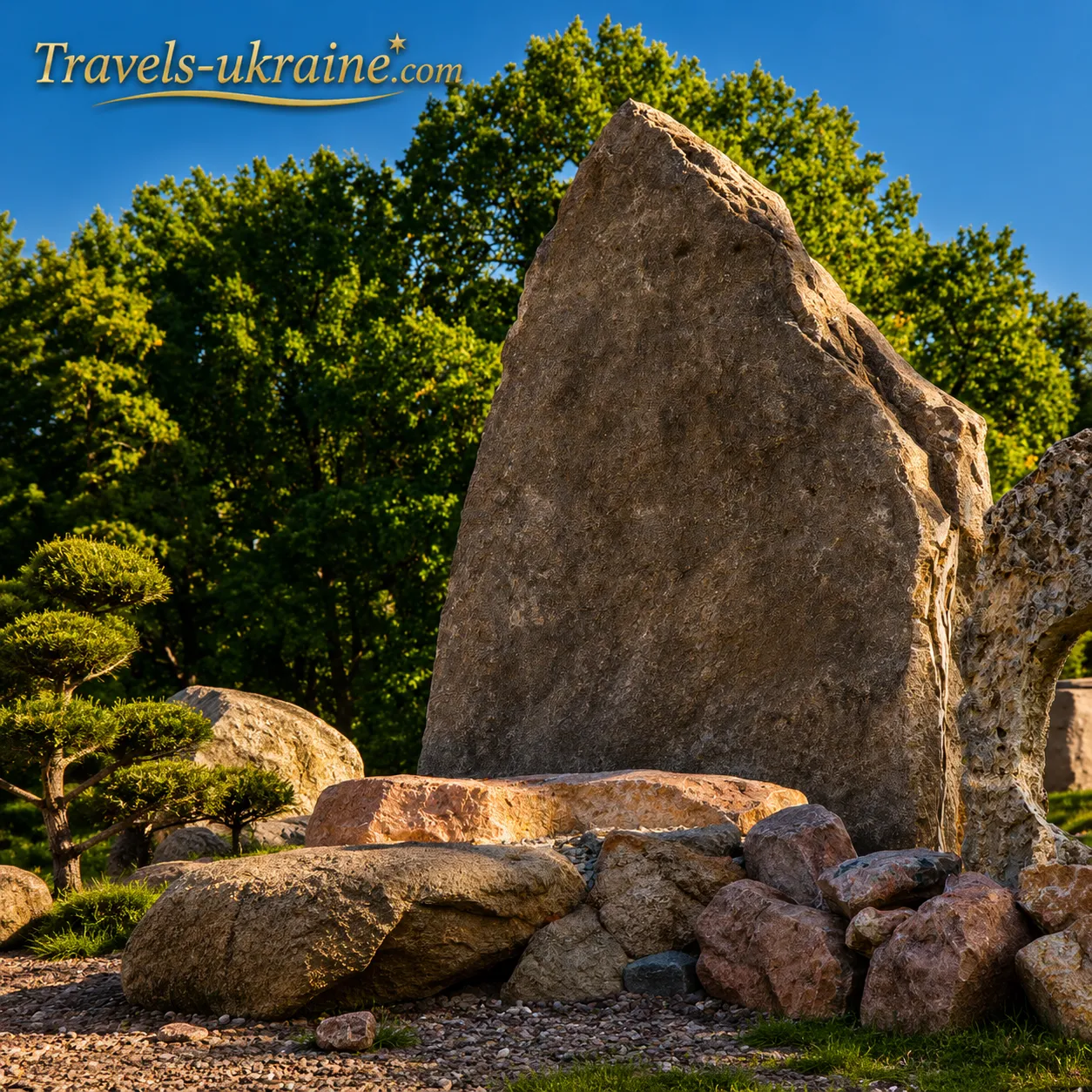
Among them are both smaller specimens that feel almost intimate and true giants beside which the scale of nature is particularly striking. One of the most noticeable stones is a magnificent piece of granite weighing 34 tonnes. It attracts attention not only because of its size, but also because of its distinctive texture: tiny mineral inclusions on its surface glimmer almost imperceptibly in the sunlight, as though reminding us that even the strongest stone can conceal a subtle, almost delicate beauty.
Beside such giants, visitors instinctively slow down. You do not simply want to pass by, but to stop and examine every line, every crack and every natural pattern left by time. There is something primal and deeply authentic in these rocks: the strength of the earth, the silence of centuries and the quiet work of nature, which shaped them long before they became part of Feldman Ecopark.
What kinds of stone can you see at Feldman Ecopark?
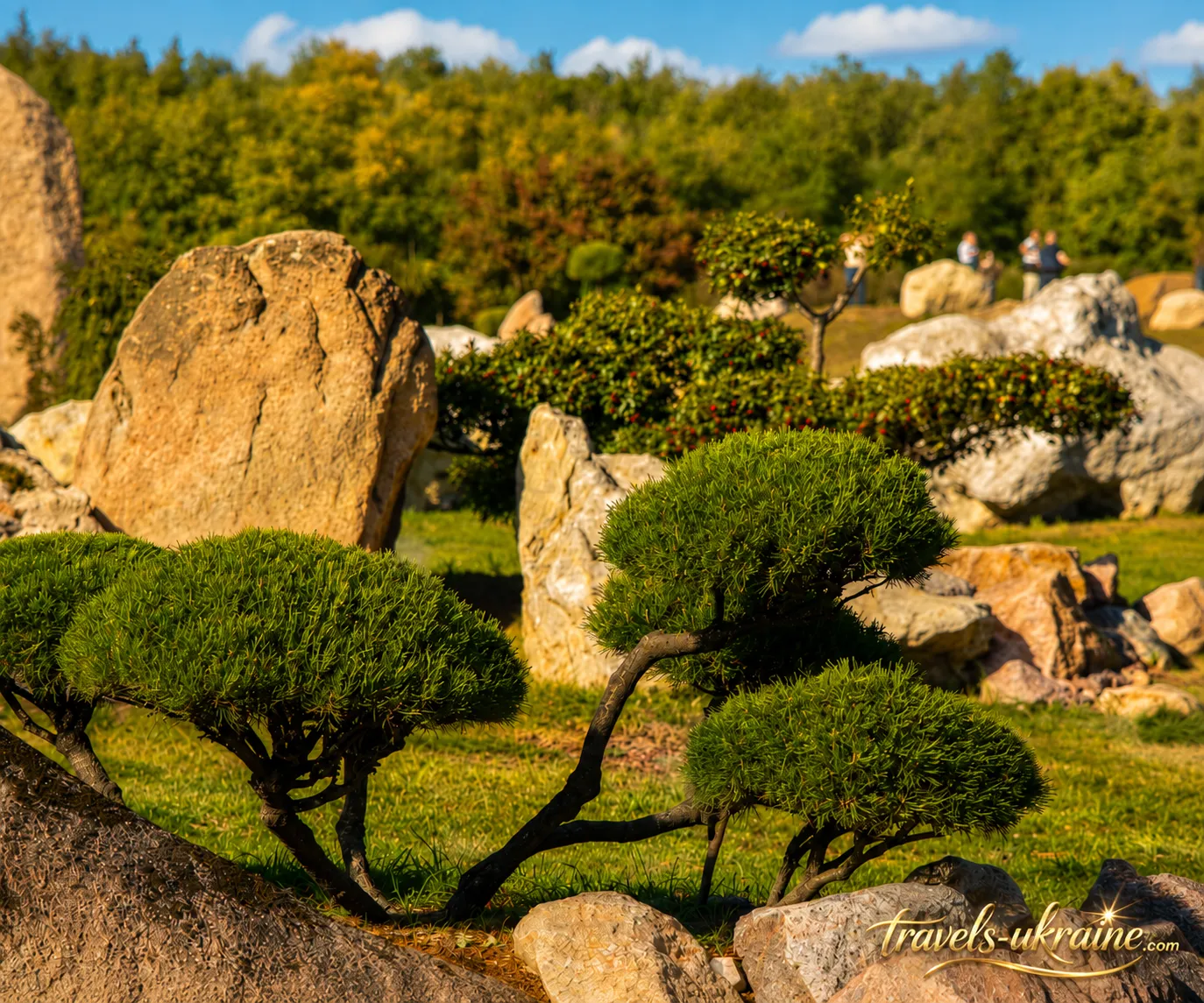
The stone composition at Feldman Ecopark impresses with its variety and many-sided character. Here you can see granite, marble, quartzite, basalt, sandstone, shell limestone and other natural rocks, each with its own colour, structure, density and character. To the average visitor, these names may initially sound like a dry list from a geological reference book, but during the walk the differences between the stones become apparent almost immediately: some look dark, heavy and monolithic, while others are lighter, softer in tone, porous, layered or seemingly covered with natural patterns.
It is this diversity that makes the Kharkiv Stone Park resemble a vast natural open-air gallery. Its exhibits were created not by people, but by nature itself over millions of years, shaped by water, wind, sunlight, pressure within the earth and time. Every stone here has its own silent biography: one resembles a frozen wave, another a fragment of an ancient cliff, while a third catches the eye with tiny mineral inclusions or an uneven surface that seems to preserve the trace of a distant geological age.
In this way, the Feldman Ecopark Stone Park becomes a place where an ordinary tourist walk quietly turns into a small journey through the history of the Earth. Every boulder, fragment of rock and natural texture seems to open pages from a remote past — a time before cities, roads and human bustle, when nature slowly, patiently and almost imperceptibly created its stone forms.
That is why a walk through the geological park has a special mood: you are not simply looking at stones, but touching the silent memory of the planet. In this space, it is easy to feel that stone is not cold, lifeless matter, but a witness to time that has preserved the strength of the earth, the breath of the wind, the warmth of the sun and the traces of millions of years of natural history.
Photo and video gallery
Why does Parents’ Park have such profound meaning?
Despite its natural beauty, the main meaning of this place lies not only in the stones. The Stone Park — Parents’ Park is dedicated to parents, ancestors and all those people thanks to whom we came into this world. The large stones symbolise support, endurance and memory. They remind us that every person stands at the end of a long family chain: parents, grandparents, great-grandparents and generations before them — many people whose lives, choices and destinies ultimately led to our birth.
That is why the meaning of the park extends far beyond that of an ordinary park attraction. It is a place to visit with family, walk with children, talk about your roots or simply remember in silence those who are no longer beside you. The stones do not weigh upon you here — on the contrary, they seem to offer support. Their silent presence reminds us that memory does not always require monuments with grand inscriptions. Sometimes all that is needed is space, silence and a stone that will outlive many human generations.
Today, the Stone Park near Kharkiv is gradually becoming one of those places worth recommending not only to tourists, but also to local residents looking for places to walk with a distinctive atmosphere. This is not a space for quick entertainment, but a place to experience slowly and without haste, where you can let your eyes adjust to the stone forms, stop beside several boulders, study their surfaces and feel how something deeply human emerges from a simple natural texture.
This is precisely where the location’s special power lies. The geological park of the Kharkiv region combines natural beauty, curiosity, the symbolism of memory and family emotion. It can be an enjoyable outing for travellers, photographers, families with children, older visitors and anyone searching not merely for things to see at Feldman Ecopark, but for a place that leaves a quiet inner response. Among these stones, it is easy to understand one simple truth: we do not appear from nowhere — behind each of us stands an entire history of generations.
Feldman Ecopark Stone Park: a brief guide for visitors
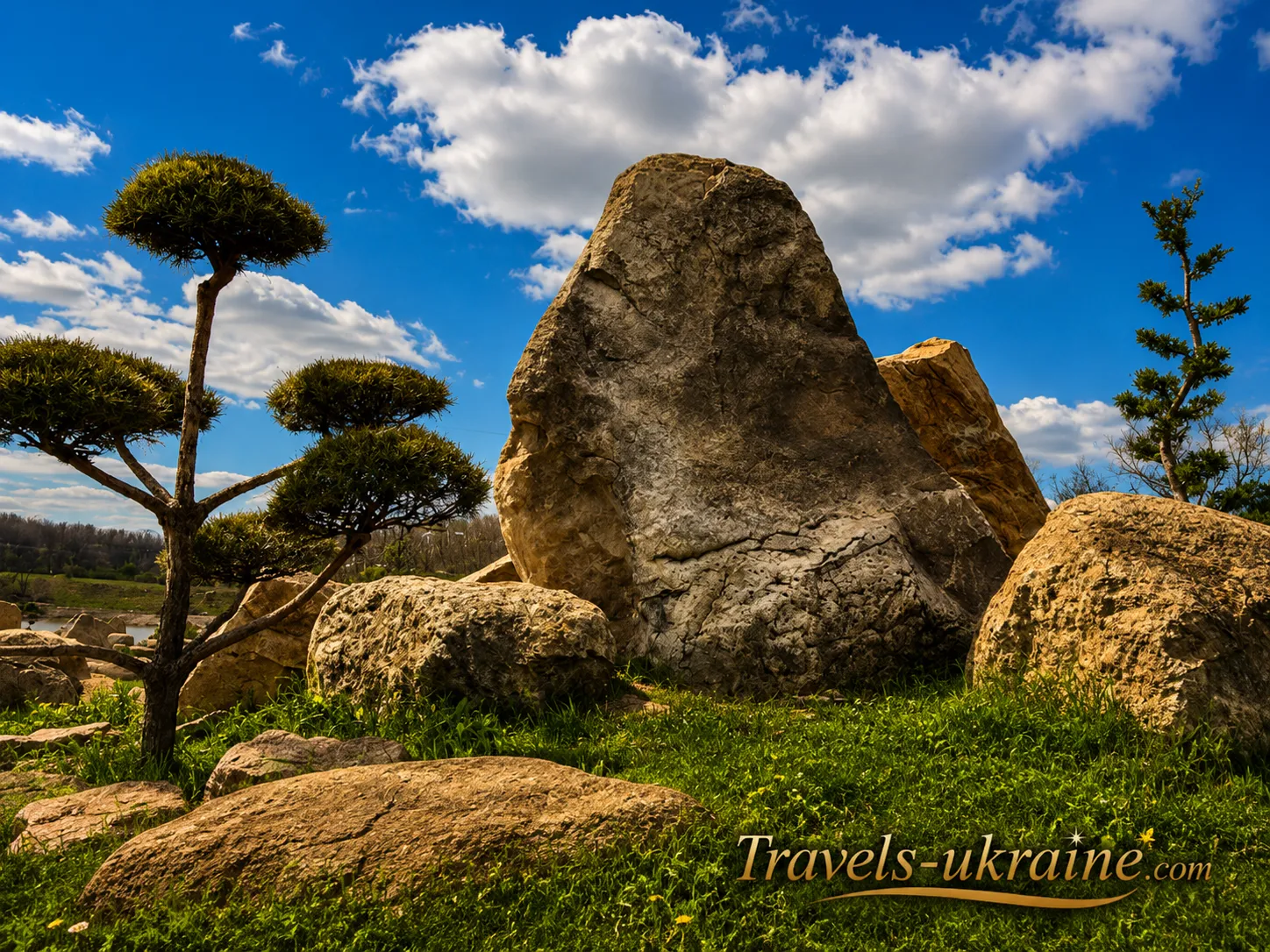
Before you visit the Stone Park — Parents’ Park at Feldman Ecopark, it is worth understanding that today this place is perceived as more than a tourist attraction. The park area is part of Feldman Ecopark — a space that suffered severe destruction because of the war, yet continues to live, recover and preserve its special meaning.
Of course, the Ecopark team is gradually bringing the grounds back to life: maintaining the park, rebuilding and restoring animal enclosures, caring for the animals and working so that the site can once again welcome visitors fully. That is why today Kharkiv’s Feldman Ecopark is not simply a place for walks, but a symbol of resilience, care and faith in renewal.
In the past, the Stone Park — Parents’ Park in the Kharkiv region was well suited to a peaceful weekend itinerary. Families came here to walk among the stones, take photographs and escape the bustle of the city. The security situation has now changed the conditions, so it is important to check the latest visiting information before travelling and never ignore air-raid alerts.
Type of attraction: what the Stone Park offers visitors
By nature, the Stone Park in the Kharkiv region is an open-air landscaped location with natural and symbolic meaning. Its main value lies not in attractions, but in its atmosphere. It is fascinating to examine the stones, search for unusual textures, compare the shapes of the boulders and photograph the natural compositions. The megalith park is therefore ideal for those who enjoy peaceful places, unhurried routes and locations with hidden meaning. It is a good choice for a family walk, a trip with children, a short tourist stop near Kharkiv or a quiet break in nature away from unnecessary bustle.
There is no need to hurry here. On the contrary, it is better to walk slowly, look closely and observe. The stone ensemble does not reveal itself in a single minute: it should be explored at an unhurried pace, with pauses beside individual boulders, attention to detail and time allowed for silence. Only then does the site cease to be just a point on the map and begin to feel like a space with a character of its own.
- Type of attraction: a natural landscaped area, megalith park, place of remembrance and peaceful walks.
- Suitable for: families, tourists, photographers, children, older visitors and anyone looking for interesting places near Kharkiv.
- Approximate duration: 30–60 minutes for the Stone Park itself, or 2–3 hours combined with other areas of the Ecopark.
- Difficulty: an easy walk requiring no special preparation.
- What to bring: comfortable footwear, water, a charged phone for photographs, a hat in hot weather and enough time to avoid rushing.
If you are looking for interesting places near Kharkiv where you can relax in nature, discover an unusual attraction and at the same time experience the space’s deeper symbolic meaning, the largest megalith park is an excellent choice. It requires neither major expense nor complicated preparation, yet it can leave an unexpectedly powerful impression — quiet, uplifting and deeply personal.
What can you visit near the Stone Park?
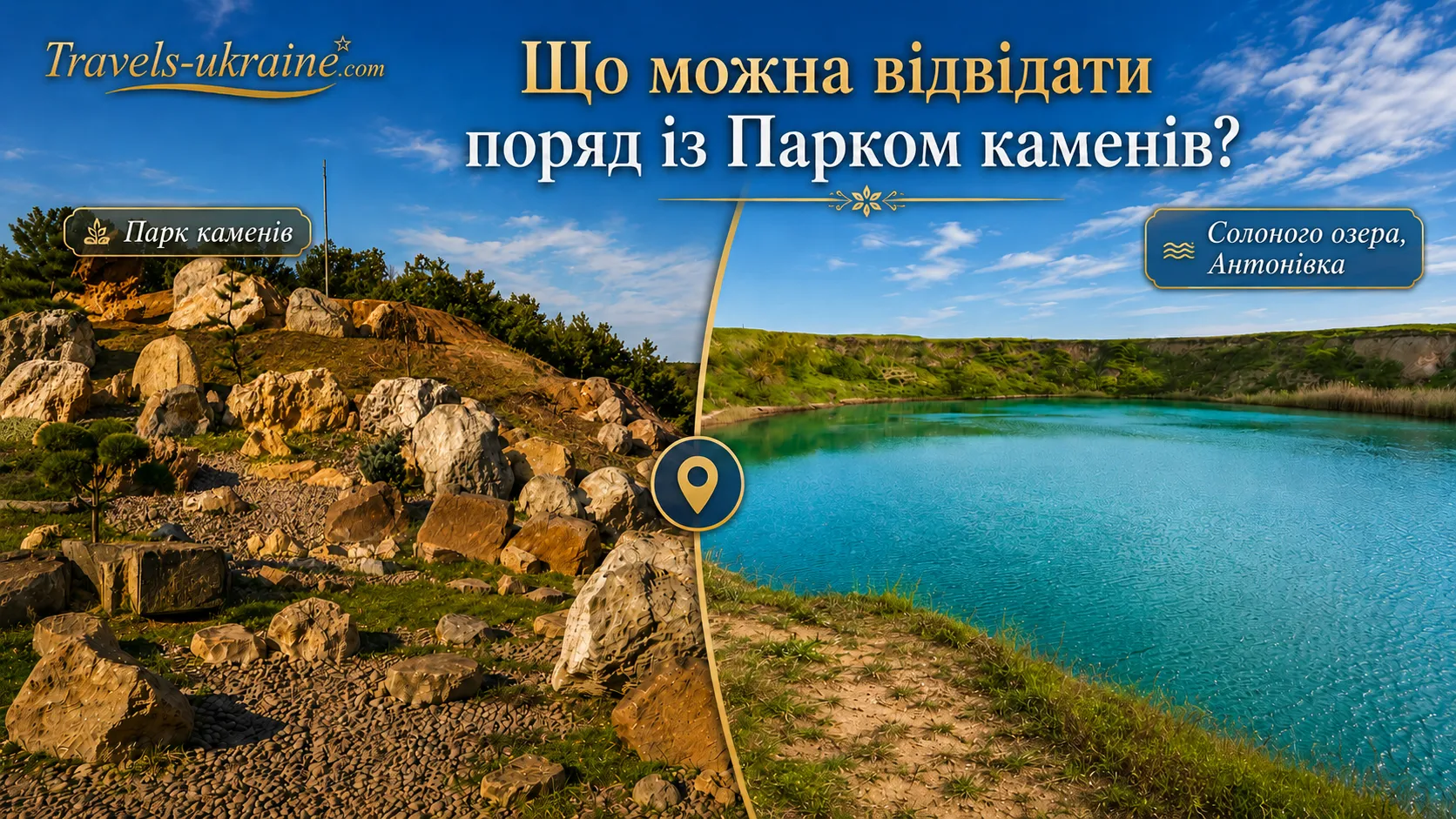
The Feldman Ecopark Stone Park is best viewed not as an isolated tourist point on the map, but as part of a broader leisure route near Kharkiv. It can easily be combined with other areas of the Ecopark: walks through natural zones, encounters with animals, children’s spaces and peaceful family time in the open air. This makes the visit more complete: first, you discover a stone-filled place with profound symbolism, and then move on to a livelier, more dynamic environment that is especially engaging for children.
Feldman Ecopark is located in the Kharkiv region, near the village of Lisne, and is therefore often chosen by those wondering where to go for a break near Kharkiv for a few hours or a peaceful weekend. It is a convenient option for families: there is no need to plan a long journey, yet you can change the pace of city life, spend time closer to nature and visit a place with both recreational and emotional meaning.
What can you do at Feldman Ecopark?
If your main goal is the stone attraction near Kharkiv that has already drawn attention online, do not limit your visit to views of the megaliths alone. Feldman Ecopark has much more to offer: you can spend several hours here, combining a peaceful walk, time with children, an introduction to nature and the vivid emotions of meeting animals.
Visitors will find green natural corners, animal areas, a rehabilitation centre, Ponyland, places for quiet contemplation and cultural entertainment programmes. A trip to the Ecopark can therefore become not merely a short stop, but a full day in nature, with pauses, discoveries, children’s impressions and warm family moments. Before visiting, it is worth checking exactly what is available on a particular day, as operating arrangements may change depending on the season, events, restoration work and the security situation.
It is best to plan the route so that Feldman Ecopark reveals itself gradually to visitors. Begin with a walk among the stones, absorbing the silence and symbolism of the place, and only then move on to the livelier areas. This contrast works beautifully: after the restrained mood of Parents’ Park, encounters with animals, children’s spaces and green avenues feel even brighter and warmer.
The main thing is to remember one simple rule: do not try to see everything at once. This is especially relevant for families with children, as younger visitors quickly tire of long walks and too many impressions. It is better to alternate quieter areas with more active ones: after walking among the stones, take a break, have a snack, drink some water, give children time to ask questions and only then continue to the next part of the route. At this pace, Feldman Ecopark for children becomes not merely a place of entertainment, but a small educational journey.
What to visit near Kharkiv after Feldman Ecopark
If you are planning a longer day and want to add other places to your trip, you can also consider attractions within Kharkiv. Depending on the time available, the security situation and your energy after visiting the Ecopark, you could continue with a peaceful walk in one of the city’s green areas or make a short stop at one of Kharkiv’s well-known landmarks. For tourists, this is a convenient way to combine interesting places near Kharkiv with several recognisable sights in the city itself.
Popular options for a walk include Kharkiv Forest Park, Sarzhyn Yar, Central Park, Taras Shevchenko Garden, Kharkiv Zoo and other green spaces. It is important to remember, however, that Kharkiv and the surrounding region remain exposed to wartime danger. Before any trip, check the current situation, never ignore air-raid alerts and choose your route responsibly.
If you would like to travel farther from Kharkiv and leave behind, at least briefly, the tense rhythm of the city, night-time alerts, explosions, Shahed drone attacks and the constant sense of danger, consider a trip to the Salt Lake in the village of Antonivka. Located approximately 120 kilometres from Kharkiv, it can offer exactly the kind of short reset many people need: open skies, water, silence and a sense of space that is so often missing in anxious times.
Rules and etiquette at the Stone Park in Feldman Ecopark
The open-air stone installation at Feldman Ecopark is not merely a place for walking or photographs, but a symbolic location connected with memory, family roots and the bond between generations. Visitors should therefore behave calmly and thoughtfully: avoid making excessive noise, do not rush, never damage the stones and respect the atmosphere of this special space.
The stones in this landscaped setting should not be treated as equipment for climbing and jumping or as random decorations. Do not write on them, scratch their surfaces, break off pieces or alter the arrangement of the elements. It is better to preserve the experience in photographs, memories and a quiet inner sense of the place.
Photography is both possible and worthwhile here, as the stones, greenery and natural light create highly atmospheric images. Even while taking photographs, however, visitors should not climb dangerous rocks, damage plants or disturb others. The best pictures here are created not through haste, but through careful attention to detail.
Safety and respect for the location
The stones may have uneven surfaces and sharp edges, or become slippery after rain, so comfortable footwear is recommended and children should not be allowed to run among the boulders unsupervised. Before travelling, also check the current opening arrangements, which areas are accessible and the security situation in the Kharkiv region.
The main rule of the Stone Park — Parents’ Park is very simple: visit with respect. By preserving the silence, cleanliness and natural appearance of the site, we can ensure that it remains not only a beautiful part of Feldman Ecopark, but also a space of memory, strength and inner peace.
Frequently asked questions about the Stone Park at Feldman Ecopark
What is the Stone Park at Feldman Ecopark?
The Stone Park at Feldman Ecopark is an open-air landscaped attraction featuring large natural rocks, boulders and megaliths from different parts of Ukraine. It is not an ordinary decorative area, but a symbolic space for a peaceful walk, reflection, photography and an introduction to the natural beauty of stone.
Why is the Stone Park called Parents’ Park?
The name Parents’ Park reveals the deeper meaning of the location. The large stones symbolise memory, strength, family roots and the bond between generations. It is a place to visit with parents or children, or simply to remember the loved ones thanks to whom we came into this world.
Why is this location called Kharkiv Stonehenge?
Kharkiv Stonehenge is an evocative popular name for the Stone Park. It arose from the monumental appearance of the large boulders, the open setting and the atmosphere of mystery. Of course, this is not an ancient archaeological monument, but a modern landscape composition whose mood recalls ancient megalithic spaces.
What does the name Park of a Thousand Stones mean?
Park of a Thousand Stones is another name for the location, emphasising its scale and diversity. Here you can see stones of different shapes, sizes, colours and textures. Together, they create the sense of a vast natural open-air gallery in which every stone has a character of its own.
Where is the Stone Park — Parents’ Park located?
The Stone Park — Parents’ Park is located within Feldman Ecopark in the Kharkiv region, near the village of Lisne and close to Kyivske Highway. Before travelling, check the latest address, opening arrangements, access to individual areas and safety recommendations on the Ecopark’s official pages.
Is the Stone Park suitable for a walk with children?
Yes, the Stone Park at Feldman Ecopark can be fascinating for children when the walk is presented as a small adventure among stone giants. Children enjoy studying the shapes of the boulders, touching their textures, asking questions about their origins and imagining how many years it took for such natural rocks to form. Adults should nevertheless ensure that children do not run between the stones or climb dangerous boulders.
How much time is needed to visit the Stone Park?
For a brief introduction to the Stone Park, 30–60 minutes is usually sufficient. To enjoy an unhurried walk, take photographs, study the stones and combine the location with other areas of Feldman Ecopark, allow several hours for the entire visit.
Is admission to Feldman Ecopark and the Stone Park free?
Admission conditions, access to individual locations and operating arrangements may change depending on the season, events, restoration work and the security situation. Before travelling, check the latest information about admission to Feldman Ecopark, available services, tours and open areas on the park’s official pages.
Can visitors take photographs at Kharkiv Stonehenge?
Yes, Kharkiv Stonehenge is ideal for atmospheric photography. Try capturing not only wide views, but also details: the texture of the stone, cracks, mineral inclusions, shadows and the way the boulders contrast with the greenery. At the same time, avoid climbing dangerous stones, damaging plants or disturbing other visitors.
What should you know about safety before travelling?
Before travelling to Feldman Ecopark, check the latest opening arrangements, accessible areas, transport, weather and the security situation in the Kharkiv region. If an air-raid alert is in force or there are reports of danger, it is better to postpone the trip. Wear comfortable footwear for walking through the Stone Park, take water and supervise children carefully around the boulders.
The Stone Park at Feldman Ecopark: a place to see with your heart
The landscaped megalith attraction at Feldman Ecopark is not a place that can be fully appreciated in photographs. You need to experience it in person: walk among the boulders, pause beside the stones, listen to the silence and allow the space to speak to you in its own way. The true strength of this place lies neither in the size of the rocks nor solely in the unusual appearance of the stone composition. It lies in the feeling of memory, family roots, inner support and the quiet gratitude that appears when you suddenly think of those closest to you.
This location is known by several names: the Stone Park, Parents’ Park, the Park of a Thousand Stones and Kharkiv Stonehenge. Yet behind all these names lies the same thing — a special space where stones cease to be merely part of the landscape. Here, they become symbols of strength, endurance and the bond between generations. Perhaps that is why a walk through this place leaves behind not only beautiful photographs, but also a deeper inner response.
Why this place is truly worth visiting
If you are looking for interesting tourist attractions in the Kharkiv region where you can do more than simply take a walk and instead experience something genuine, the stone museum at Feldman Ecopark deserves your attention. Come with family, children, parents or even alone — to change your pace for a few hours, step away from everyday bustle and spend time in nature, which speaks the language of calm.
This place is especially valuable because everyone can find something of their own here. For children, it is a small adventure among stone giants. For photographers, it is an atmospheric setting filled with natural textures, light and open space. For families, it is an opportunity to spend time together and remember the importance of the bond between generations. For those who have experienced fatigue, anxiety or emotional exhaustion, the walk can become a quiet pause that is so greatly needed in difficult times.
Today, Kharkiv’s Feldman Ecopark is more than a place of recreation. It is a space that has endured severe trials, yet continues to recover, live and await its visitors. A visit to the Stone Park therefore carries an even deeper meaning: you not only discover one of the most atmospheric places in the Kharkiv region, but also support a location that needs attention, presence and faith in the future.
So, if you have long been wondering where to go for a relaxing break and want a peaceful, meaningful and heartfelt walk, allow yourself this journey. Come to the Stone Park, stroll among the boulders, take in their ancient textures, capture a few photographs and, most importantly, pause for at least a moment. Perhaps in this silence you will feel what makes the journey worthwhile: memory, strength, gratitude and a sense of calm that is not always easy to find in the city.
The Stone Park in the Kharkiv region is a place that does not call loudly for attention, yet remains in the memory for a long time. It promises no noisy entertainment, but offers something far more valuable: a living sense of connection with nature, family, the land and oneself. If even one walk can become a small inner return to what truly matters, then this place is certainly worth the journey.
No Comment
You can post first response comment.