
 English
 Українська
 Български
 Hrvatski
 Čeština
 Dansk
Dansk Nederlands
 Eesti
Eesti Suomi
Suomi Français
 Deutsch
 Ελληνικα
 Magyar
 Íslenska
 Italiano
 Latviešu
 Lietuvos
 Polski
 Português
 Română
 Русский
 Српски
 Slovenčina
 Slovenščina
 Español
 Svenska
 Türkçe
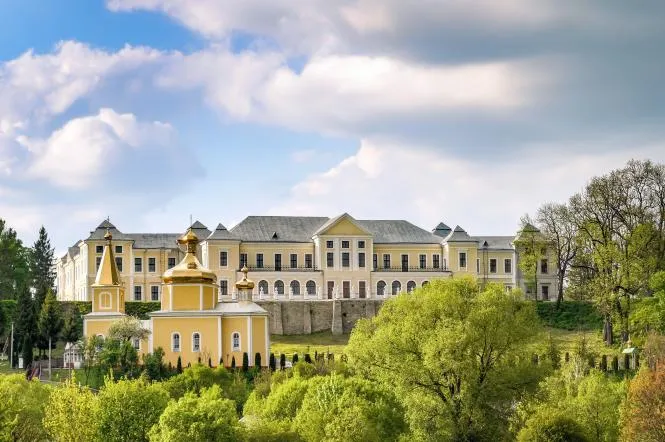
There are places you arrive at “just to see a palace”, and then you catch yourself slowing down, speaking more softly, and imagining that a prince in a lavish coat might appear around the corner any second. That’s exactly what Vyshnivets Palace does — it quietly switches on ‘noble era’ mode, even if you’ve come in trainers with a rucksack on your back.
The Vyshnivetsky Palace isn’t just an old building — it’s a true residence, where history doesn’t gather dust in textbooks but quite literally “lives” in the walls, halls, and corridors. Set in a cosy small town, this grand palace in Vyshnivets confidently holds its place among the most impressive sites on the Palaces of Ukraine list. It’s one of those locations after which the phrase “we just popped in for an hour” sounds especially naïve.
It’s well worth the trip for anyone who loves travelling through historic places, is looking for new interesting tourist spots, or wants an atmospheric break at the Vyshnivetsky Palace away from big-city crowds. The Vyshnivets residence blends palace grandeur, museum depth, and the distinctive mood of old aristocratic Europe. Here, museum exhibitions don’t just display objects — they tell stories of ambition, influence, and the lifestyle of one of the best-known princely families.
For many travellers, a trip to the Vyshnivetsky Palace turns into a lovely surprise. You think it’ll be “another pretty palace”, but it turns out to be a large-scale palace complex with stately façades, spacious halls, and even mysterious corners such as the palace underground passages. It fits perfectly into tourist routes in Ukraine, especially if you’re planning a journey through Western Ukraine or dreaming of a rich palace-hopping trip without that “rushing through everything” feeling.
Why you should visit the Vyshnivetsky Palace this season
To visit the Vyshnivetsky Palace is to touch a cultural heritage that shaped the aristocratic traditions of Ukrainian lands. It’s an ideal spot for those who combine tourism with discovering history, are looking for a weekend getaway, or are planning a family trip around Ukraine — the kind where kids remember not only the ice cream, but also the word “residence”.
In this article, we’ll take a detailed look at the complex’s history, architectural features, tourist infrastructure, экскурsion options, and tips for travellers who plan to visit the palace in Vyshnivets for the first time — or return again, this time with the feeling that they’re not just tourists, but almost honoured guests of a noble court.
The History of the Vyshnivetsky Palace — a noble residence through the centuries
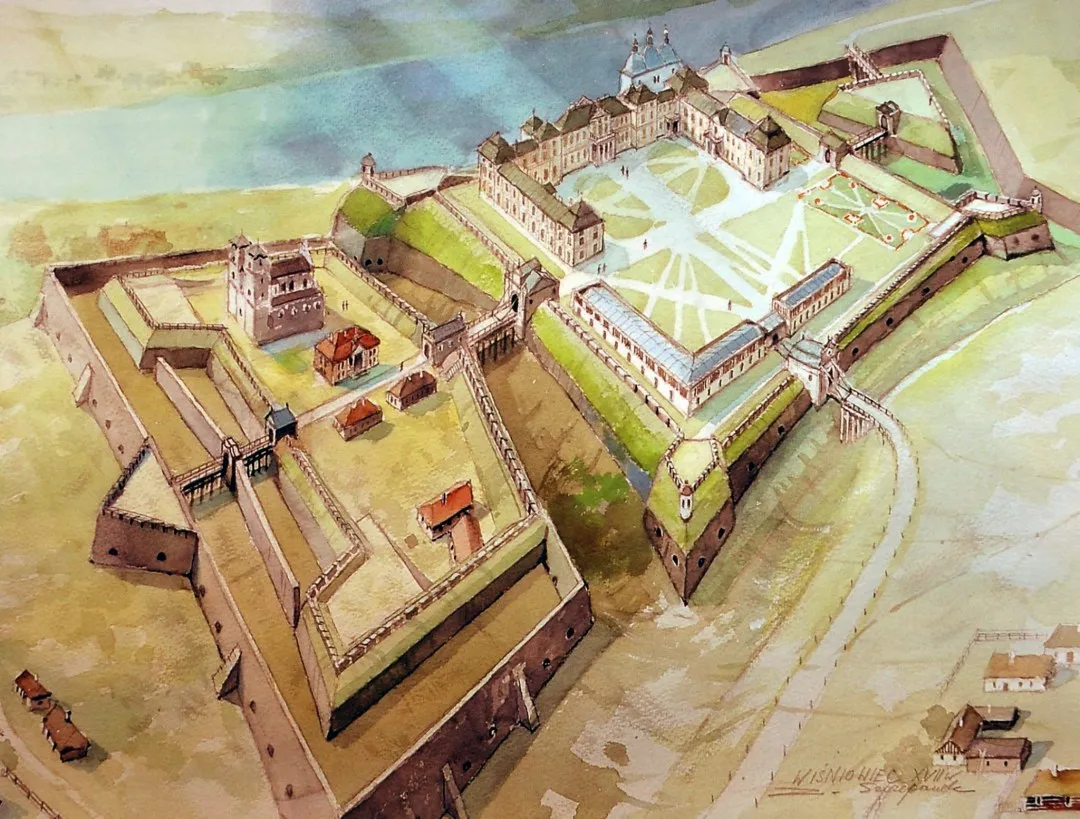
The Vyshnivets palace complex is not just a striking piece of architecture — it’s a living chronicle of several eras. The modern palace rose on the site of an earlier fortified residence that belonged to one of Eastern Europe’s most influential princely families — the Vyshnivetsky dynasty. It was here that a residence took shape that later became a luxurious late-Baroque palace complex with elements of Classicism.
The Vyshnivetsky family played a major role in the region’s political and military life. Members of the dynasty held high state offices, acted as patrons, and actively shaped the cultural development of Ukrainian lands. That’s why the Vyshnivetsky residence became not only a home, but also a centre of high society — receptions, diplomatic meetings, and artistic events.
Before we dive into dates, centuries, and surnames, it’s worth pausing for a moment and imagining this: in front of you is not just a pretty façade, but a stage where life — with all its intrigues, ambitions, and luxury — played out for centuries.
The palace residence wasn’t built as a “nice landmark for photos” — it was created as a symbol of status, power, and taste. And if today tourists stroll these halls with cameras, back then the same rooms saw princes, guests from faraway lands, and people who decided the fate of entire territories. So, to truly feel the scale of this historic monument, let’s go back a few centuries and briefly trace how it all began.
From fortress to palace
The first written mention of Vyshnivets dates back to 1395. It was then that Grand Duke of Lithuania Vytautas granted these lands to Prince Dmytro Korybut Olherdovych as compensation for the lost Siversk Principality. The new owner chose a strategically advantageous spot on the right bank of the Horyn River — where Staryi Vyshnivets is located today — and built a fortified complex. The fortress served above all a defensive function, protecting the area from frequent Tatar-Ottoman raids.
It was on the site of this ancient stronghold that the future princely residence later took shape. In the 17th century, the castle underwent a major reconstruction: in 1640, at the expense of Yarema Vyshnivetsky, its fortifications were modernised to meet the military requirements of the time. Around the same period, a Carmelite defensive monastery appeared nearby, becoming part of a single fortification system. In this way, Vyshnivets turned into a well-fortified defensive hub of the region.
At first, this was indeed a fortified, defensive-type structure. Over time, however, its military role lost its primary importance, and the area began to transform in line with European palace traditions. Gradually, the Vyshnivetsky palace residence formed — spacious and symmetrical in its architecture, oriented no longer towards defence, but towards representative splendour, comfort, and the demonstration of its owners’ status.
In the 18th century, the palace acquired the features we can see today: ceremonial halls, an inner courtyard, suites of rooms, and a carefully arranged park area. In that period, the palace in Vyshnivets boldly competed with the best-known magnate residences of the Polish–Lithuanian Commonwealth. Its interiors impressed with rich décor, art collections, and a large library — all underscoring the owners’ high status and cultural ambition.
Changing eras and the palace’s new role
Like many palaces in Ukraine, the residence went through difficult times: changes of owners, wars, decline, and a rethinking of its function. In different periods, it housed administrative institutions, educational establishments, and other organisations. Despite this, the main volume of the building survived, which later made it possible to turn it into a nationally significant historic and architectural monument.
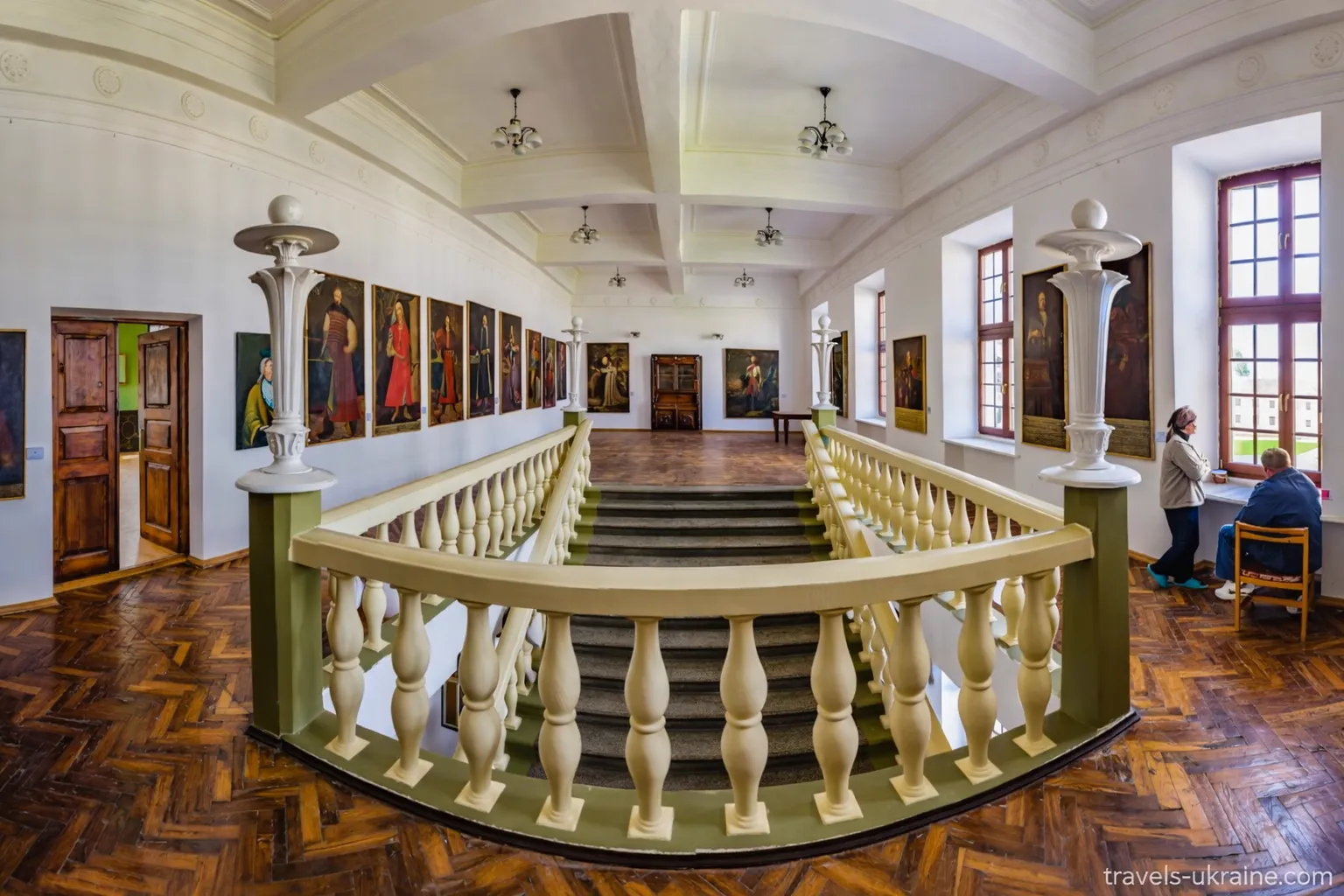
Today, the Vyshnivetsky Palace is part of Ukraine’s cultural heritage and functions as a museum space. A museum operates here, Vyshnivetsky Palace tours are held, and the complex itself is included among key sites in the category of historic landmarks of Ukraine. For tourists, it’s a unique chance not just to see old walls, but to understand how the nobility lived — and how the role of such residences changed over the centuries.
The history of this place makes a trip to Vyshnivets more than a walk around a beautiful building — it’s a real immersion in a layered past, where every century has left its mark.
The Architecture of the Vyshnivetsky Palace: refined elegance
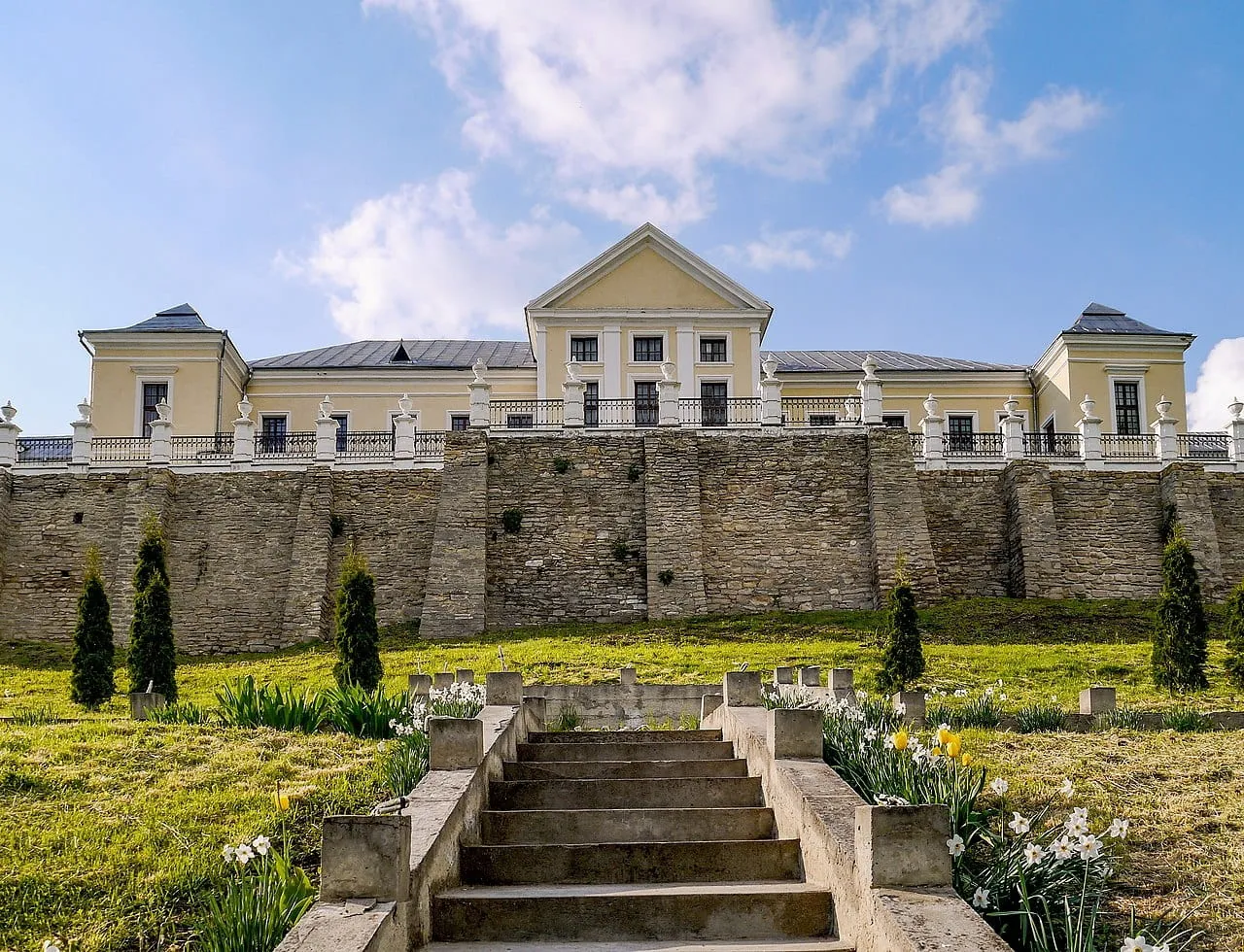
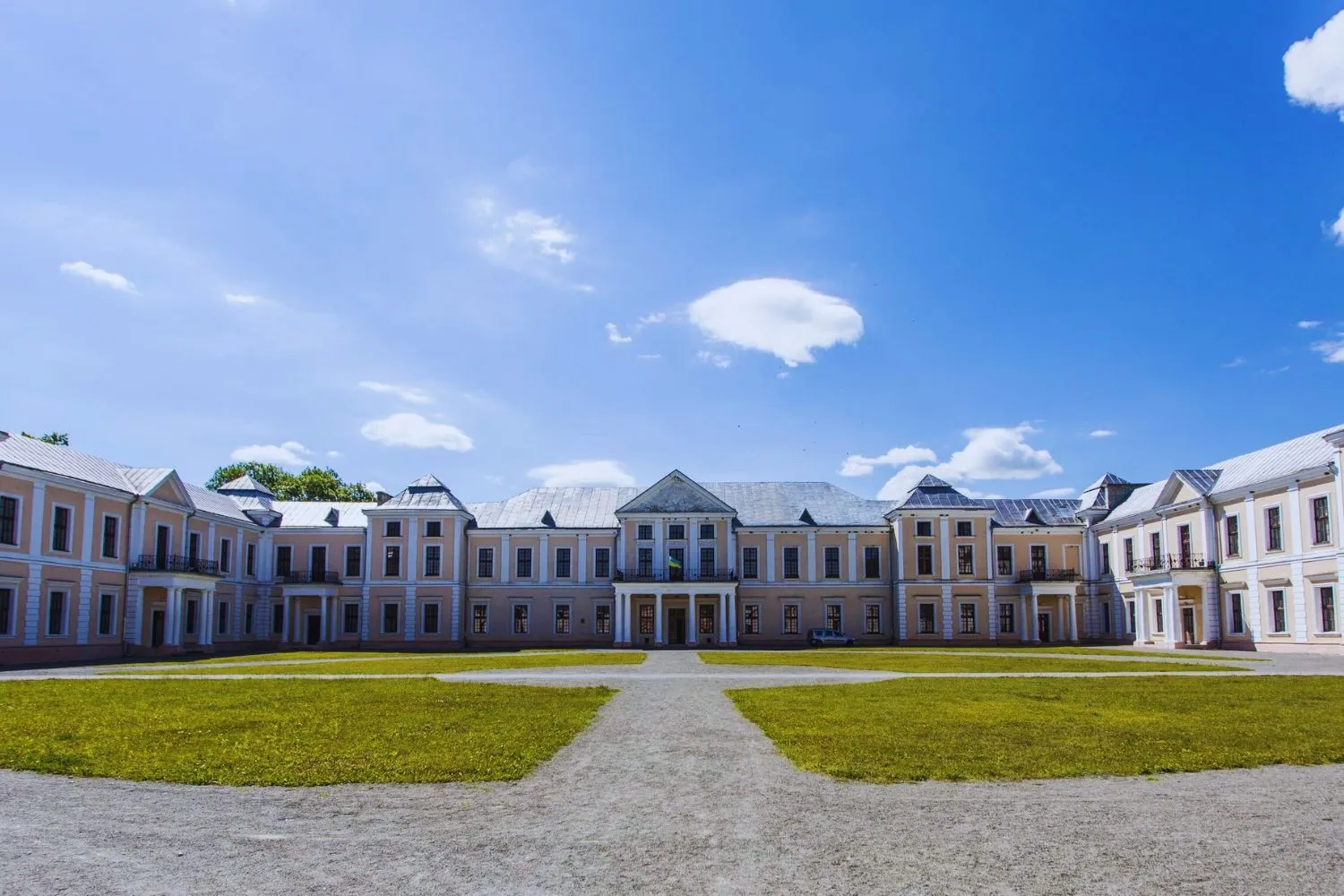
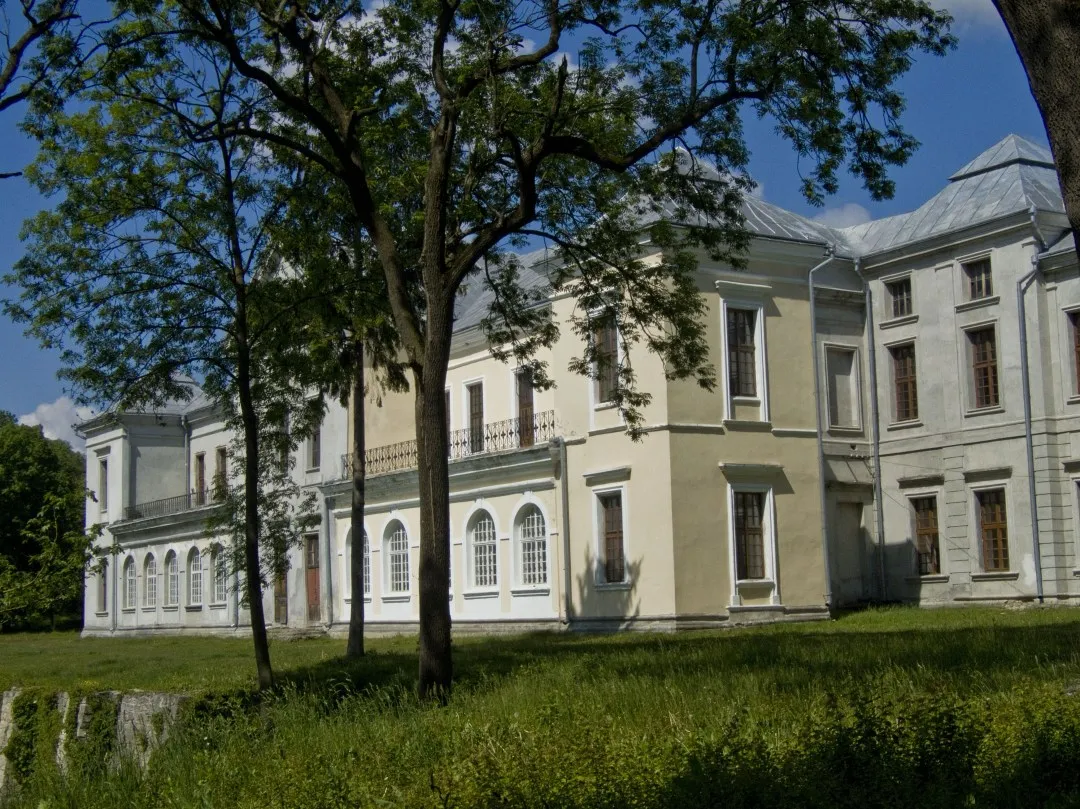
Vyshnivets Palace is a vivid example of how a defensive structure can, over time, turn into an elegant noble residence. The modern palace museum combines the features of late Baroque and Classicism, giving the building a sense of ceremony, symmetry, and aristocratic restraint. From the very first glance, it’s clear: this is not a fortress, but a representative palace, designed for receptions and for showcasing the owners’ status.
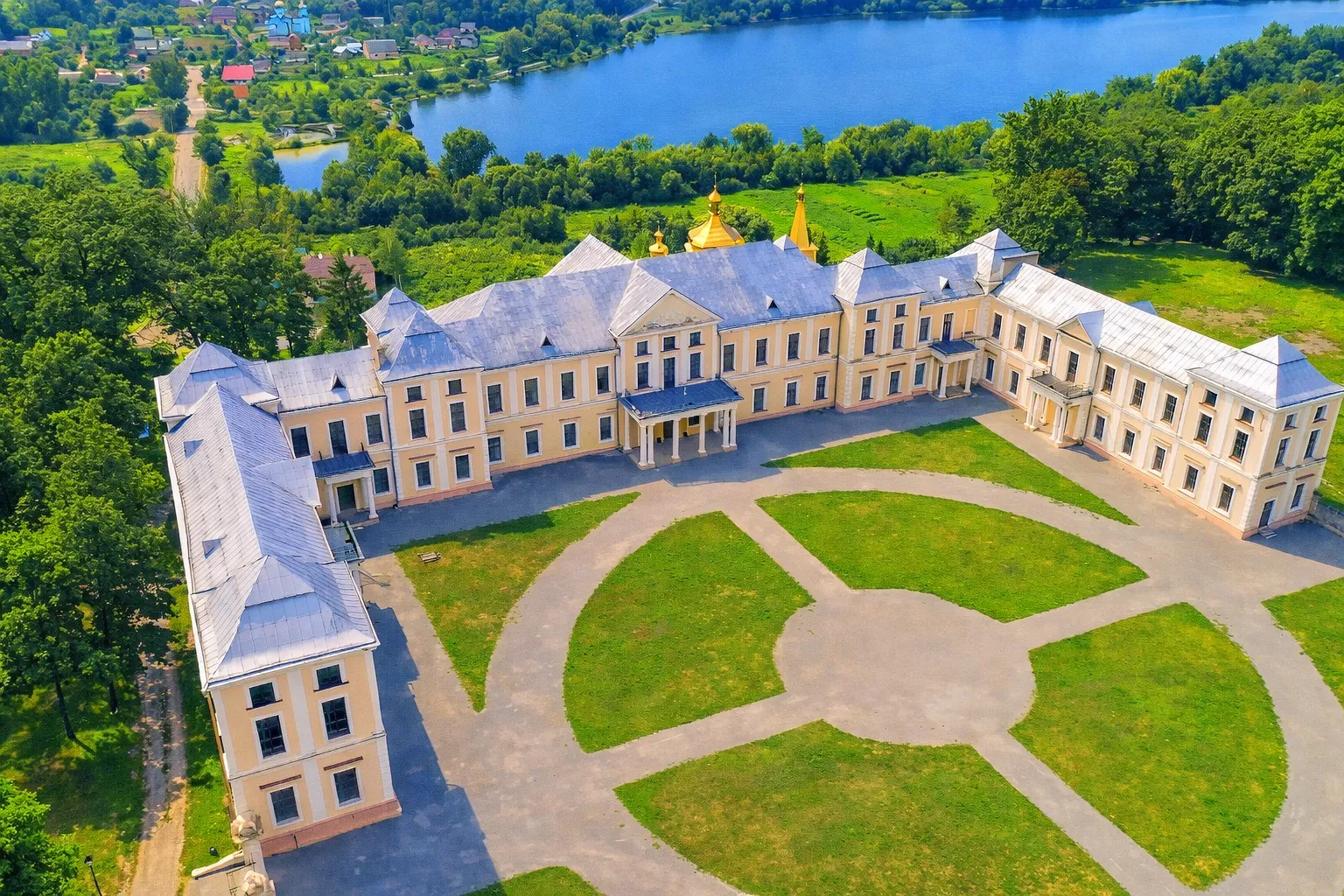
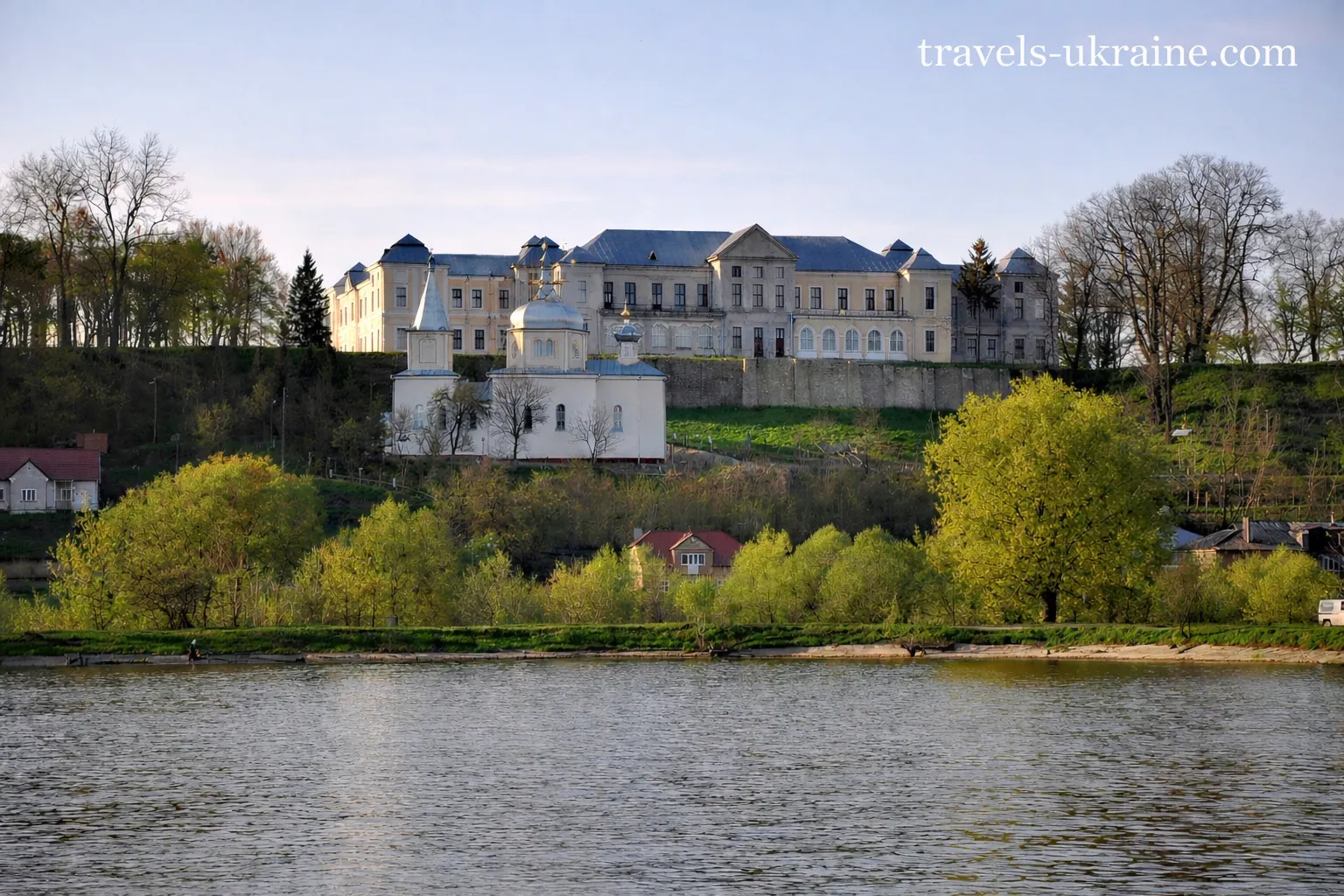
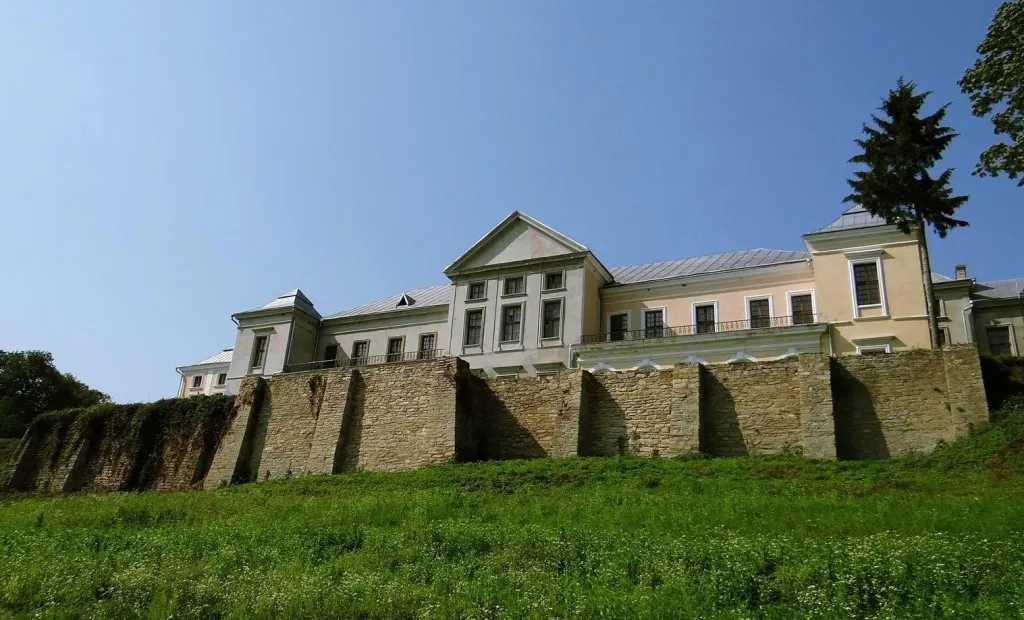
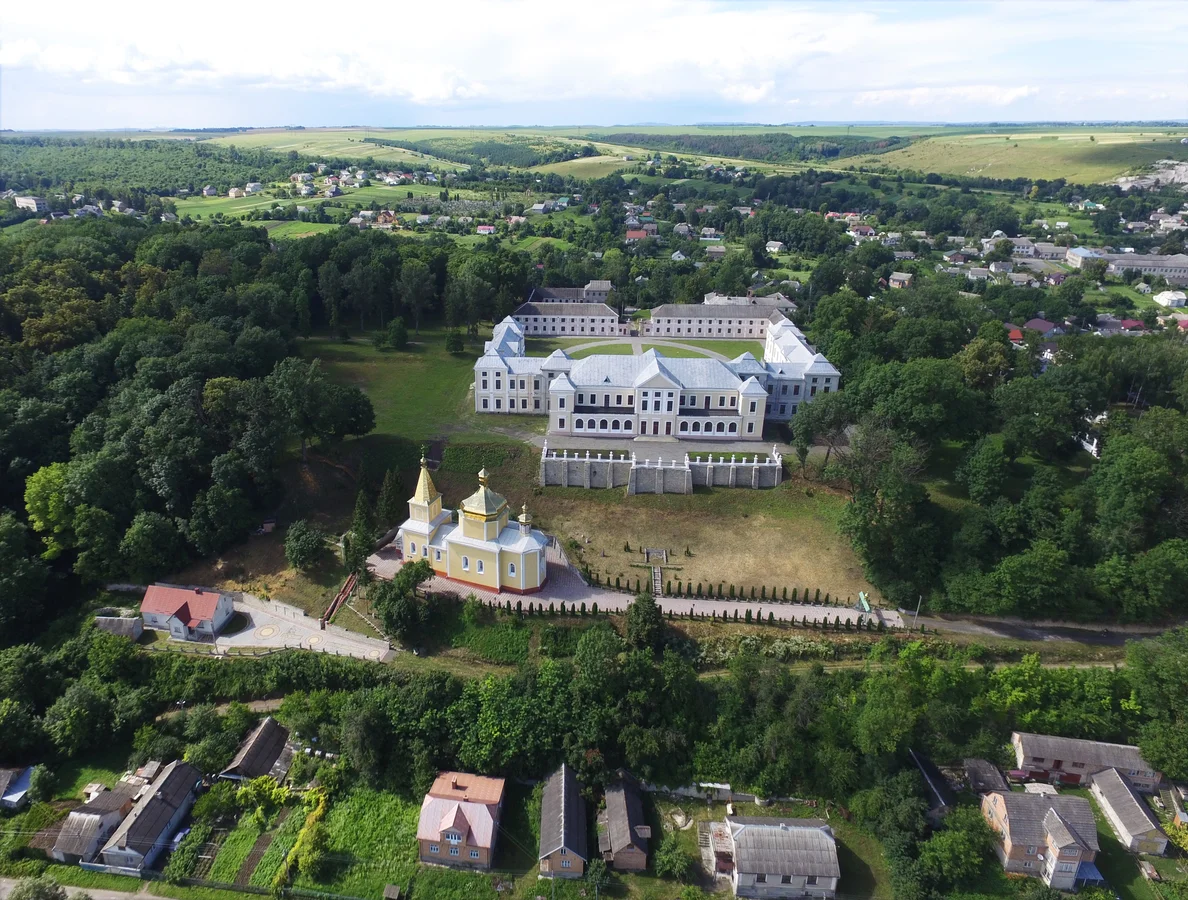
The main façade stands out for its harmonious proportions, rhythmic window arrangement, and restrained decorative detailing. The impressive building sits on a rise, which adds to its monumentality and opens up panoramic views over the Horyn River valley. This is a composition often seen in 18th-century palaces in Ukraine, where architecture worked not only as living space, but also as a tool for impressing guests.
Layout and spatial design of the Vyshnivetsky residence
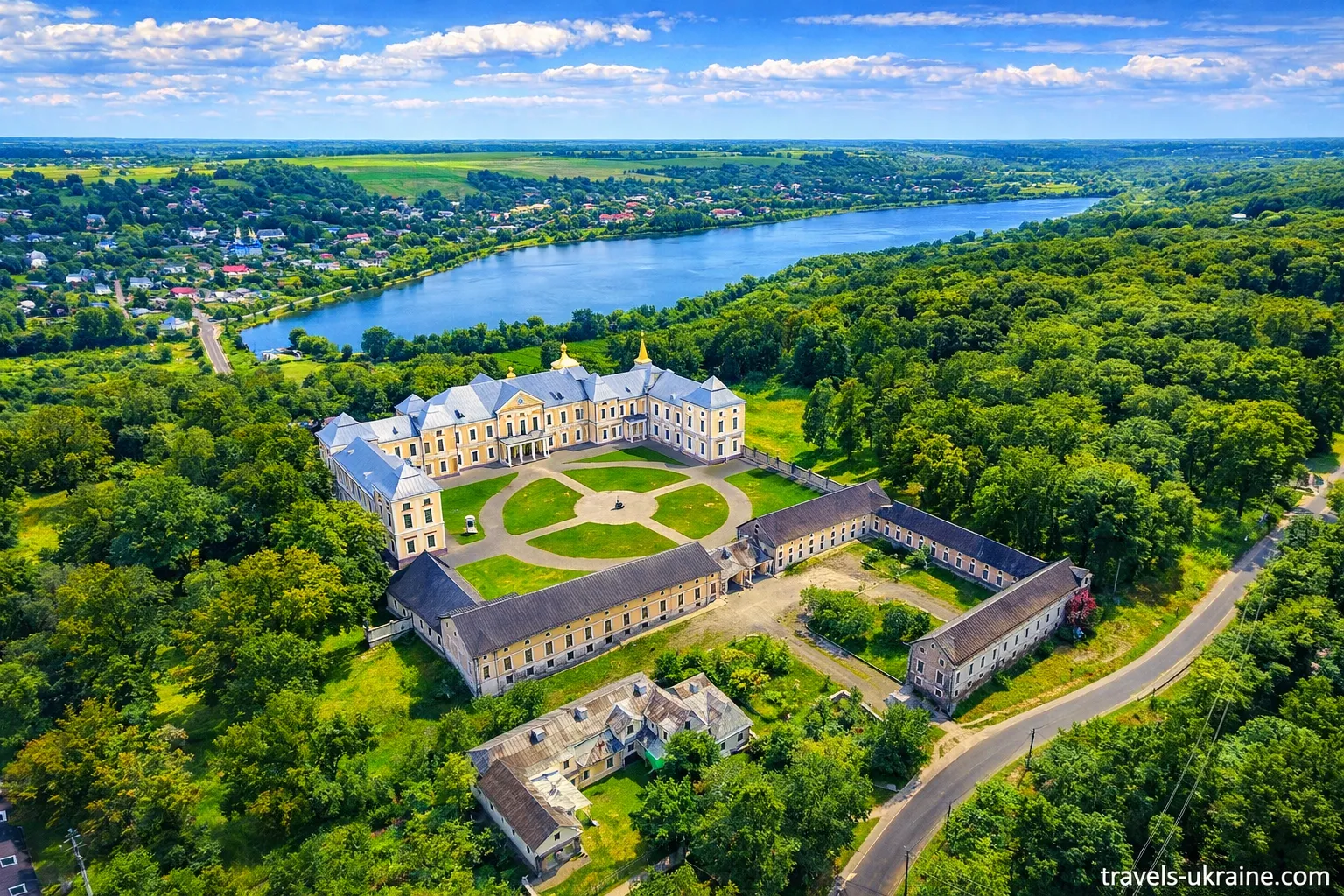
The layout is based on clear symmetry and an enfilade system of halls. Rooms follow one after another, forming a ceremonial axis typical of European palace residences. This approach made it possible to host grand receptions, balls, and official meetings. That’s why the Vyshnivets residence is considered not just an architectural monument, but an example of the high palace culture of its time.
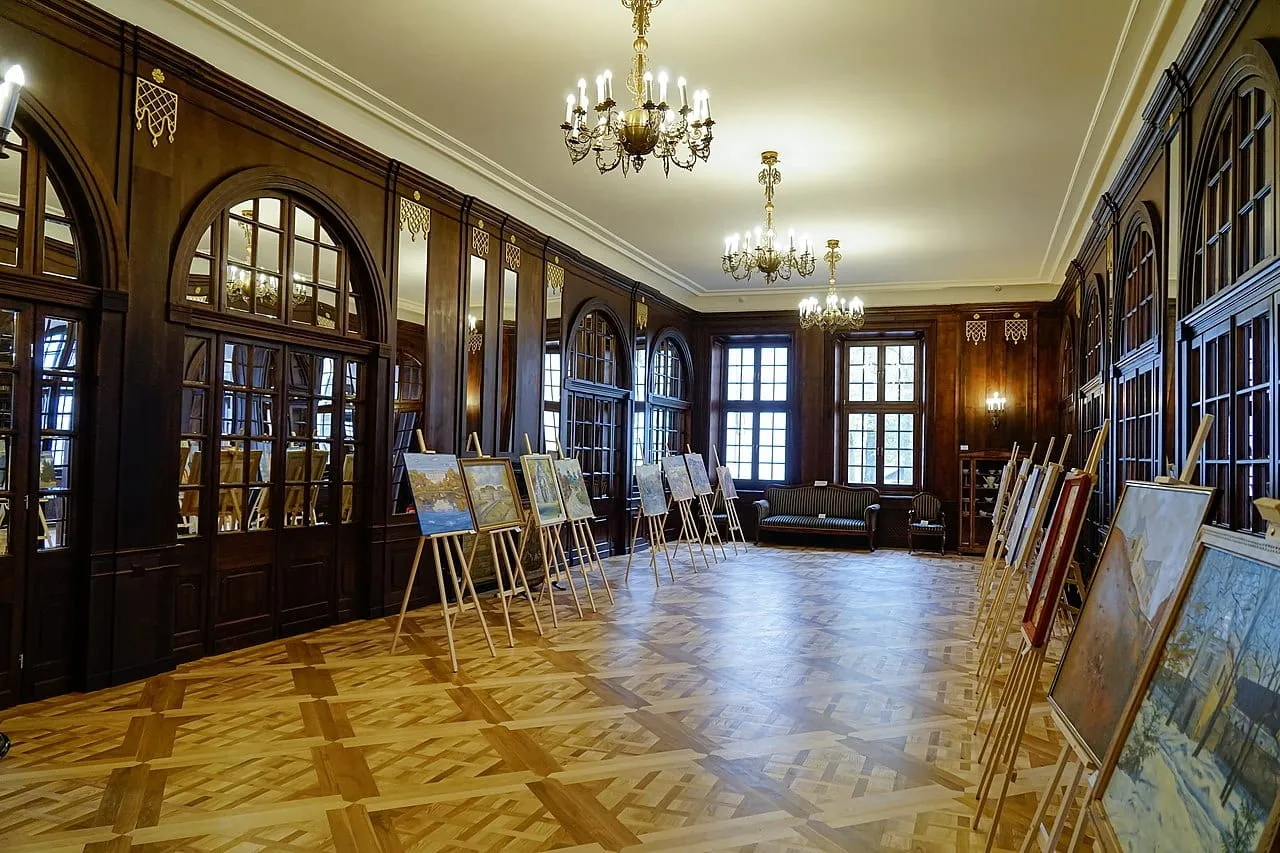
Particular attention should be paid to the halls with high ceilings, large windows, and decorative elements that create a feeling of space and light. Even today, when the interiors have partially lost their original decoration, it’s easy to imagine what 18th-century social life looked like here. It’s exactly these impressions that lead tourists to plan a visit to the Vyshnivetsky Palace and include it in routes under Palaces and residences of Ukraine.
The park and the palace surroundings
An important part of the ensemble is the surrounding landscape. The palace is harmoniously linked with the park area, which enhances the sense of space and calm. For noble residences, this was essential: architecture and nature were meant to work together, creating an environment for leisurely downtime, walks, and social conversations. Today, this area makes a break especially pleasant for travellers.
- A blend of Baroque and Classical features
- Symmetrical composition and enfilade layout
- A palace on a rise with panoramic views
- Unity of architecture and park landscape
Thanks to these features, the Vyshnivetsky palace museum is experienced not only as a historic landmark of Ukraine, but as a complete architectural ensemble, where every detail contributes to the atmosphere of a noble era.
Vyshnivets Palace — a quick visitor’s guide
Vyshnivetsky Palace is exactly the kind of cultural landmark that manages to feel both grand and completely “human” for visitors. Without any need for formal outfits or court etiquette, this historic residence and museum warmly welcomes everyone planning travel in Ukraine, building tourist routes, or simply looking for a meaningful weekend idea. This Vyshnivets residence slips easily into an itinerary — and just as easily leaves you with the feeling that you’ve been a guest of the nobility, not merely on a tour.
The complex grounds are generally accessible to most visitors. The main halls are set along a convenient walking route, though it’s worth keeping in mind there are stairs and historic structures. For families, it’s a great idea for travelling with children, as the space feels safe and the exhibitions usually spark interest even among younger travellers.
Type of site and an approximate trip budget
The Vyshnivets palace ensemble belongs to the category of Palace landmarks of Ukraine and at the same time functions as a museum space. It’s a blend of an architectural monument, a historic residence, and a modern tourist site with active museum exhibitions.
An excursion-style visit to the Vyshnivetsky Palace falls into the category of affordable cultural tourism. The main costs are travel, the entrance ticket, and—if you wish—a guided introduction to the Vyshnivetsky Palace. Combined with other interesting tourist locations in the region, this trip becomes a great option for a rich experience that’s still budget-friendly.
- Type: historic residence and museum
- Visit duration: 1.5–2.5 hours
- Format: suitable for individual and family trips around Ukraine
- Part of palace-travel routes and historic landmarks
How much time to allow for your visit
To properly visit Vyshnivets Palace, explore the interiors, exhibitions, and grounds, it’s best to allow 1.5 to 2.5 hours. If you book a tour of the Vyshnivetsky Palace, the visit may take longer — especially if you’re keen on historical details.
With this format, the palace works equally well for a calm, educational trip or as part of a packed “maximum impressions in a weekend” itinerary.
Photo and video gallery
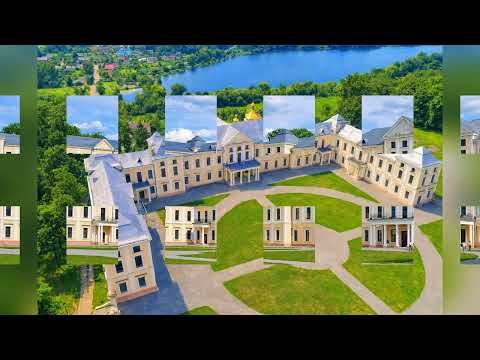
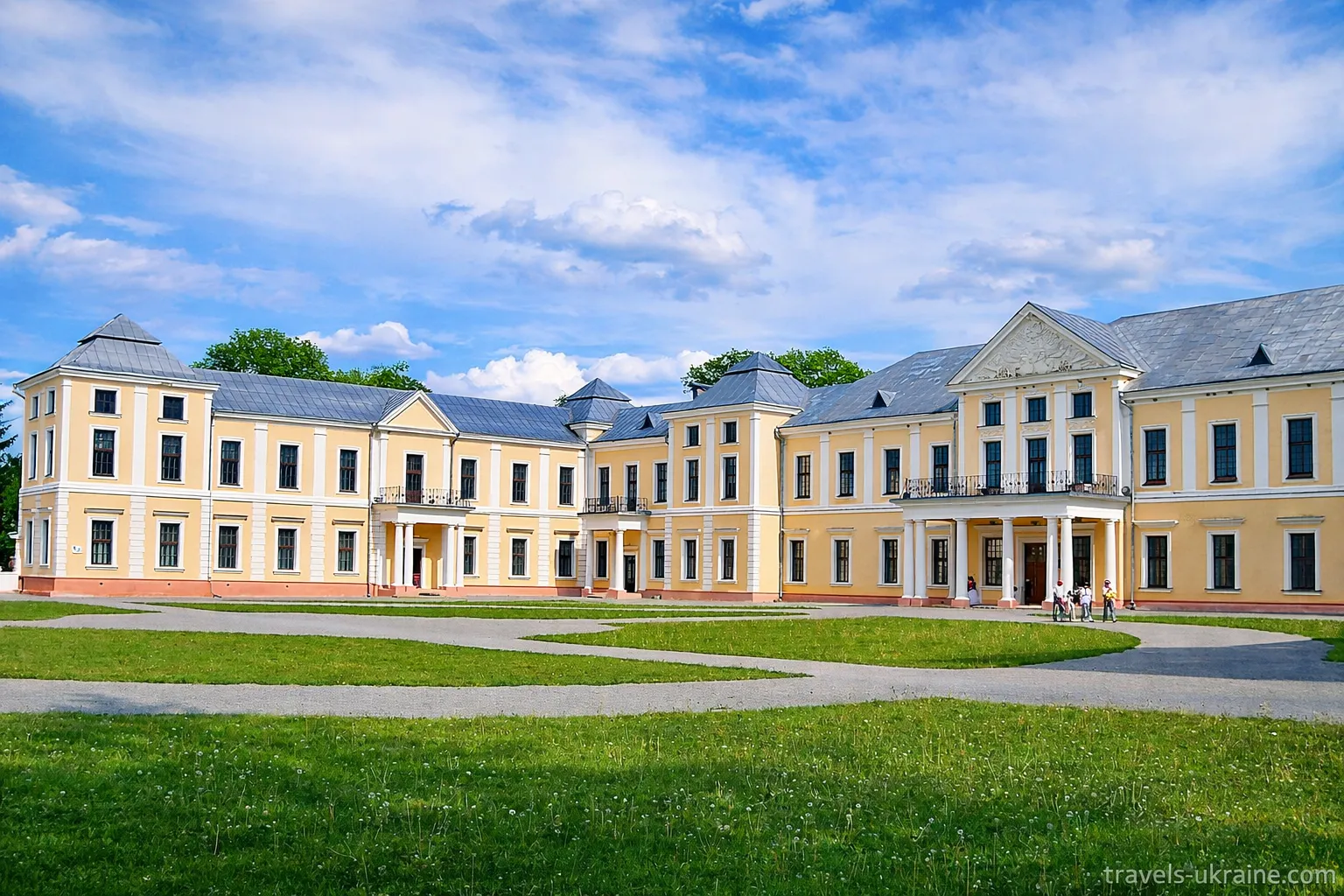
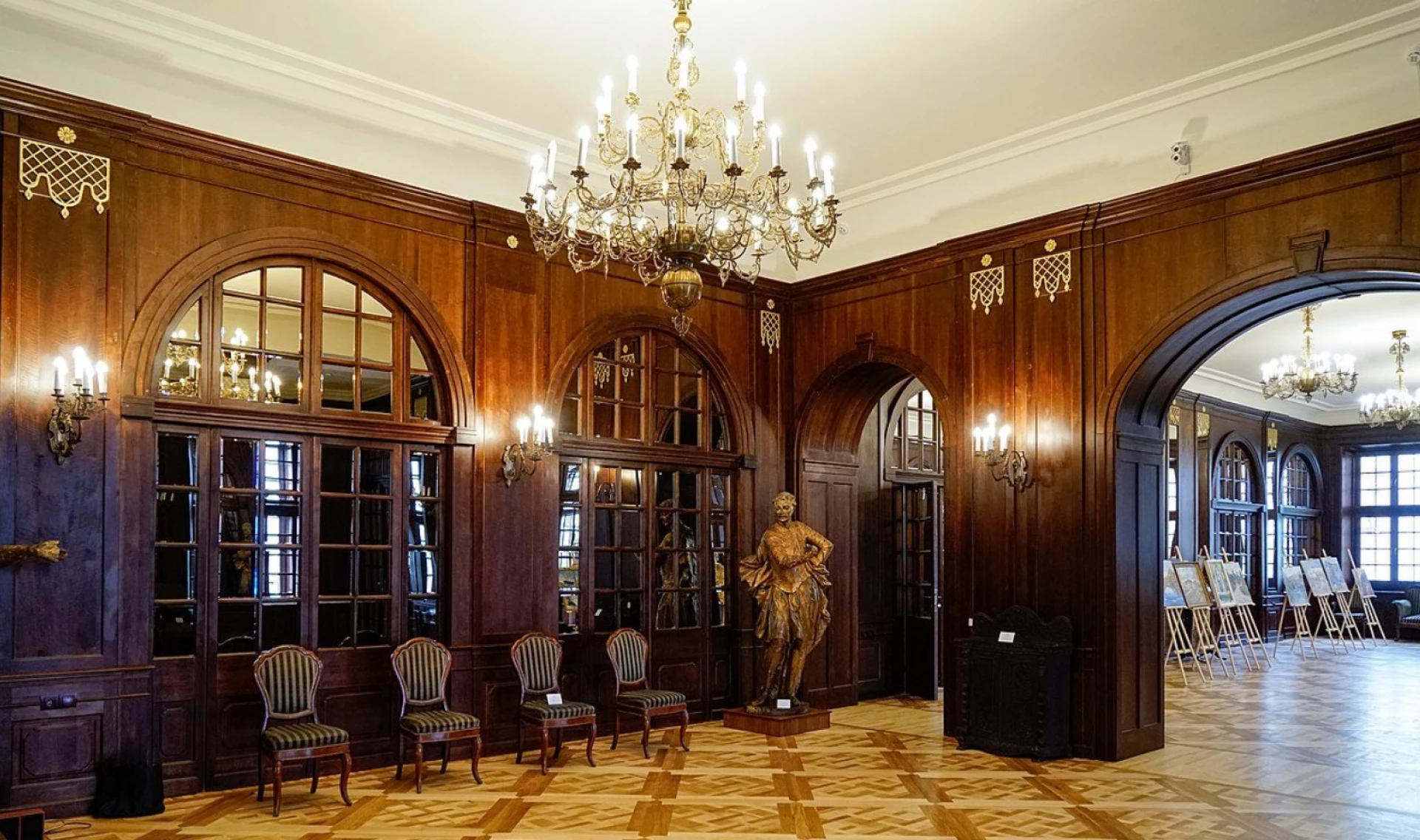
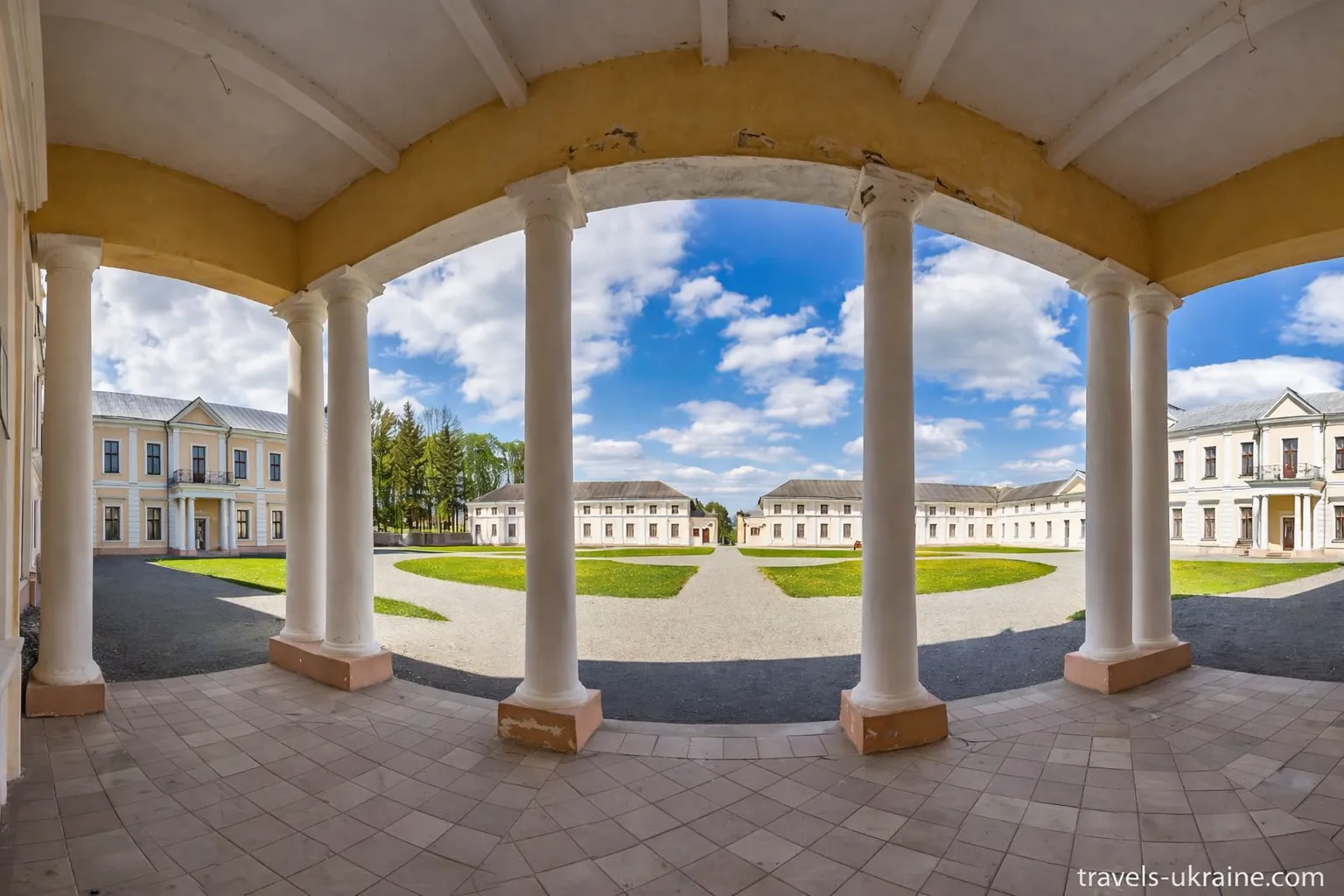
Interesting facts and legends about Vyshnivetsky Palace
Vyshnivetsky Palace is not only about architecture and dry historical dates. Like many <палацових споруд України, this residence has gathered stories, legends, and lesser-known facts that make the historic Vyshnivetsky Palace especially appealing to curious travellers. It’s exactly these details that turn an ordinary tour into a real journey.
The Vyshnivetsky family aimed not simply to live in a luxurious estate, but to create a residence that matched the finest examples of European aristocratic architecture. That’s why the palace in Vyshnivets was built on a grand scale: large reception halls, spacious guest chambers, and representative interiors were meant to showcase the family’s status and influence far beyond the border.
A palace that has lived through eras
Over its history, the Vyshnivets residence of the Ternopil region has seen the change of states, borders, and political regimes. Flags changed here, administrations shifted, and even the very purpose of the building evolved — yet its walls kept standing, preserving traces of different eras. Despite wars, реконstructions, and periods of decline, the complex’s main structure survived, which today is a true architectural marvel. That’s why to visit the Vyshnivetsky palace residence is a chance to literally walk through a space that remembers several centuries of European history, where every hall and corridor is a silent witness to changes that shaped the face of the region.
Legends of the palace underground passages
As befits a respectable residence, there are tales of secret passages. According to legend, the underground passages of the Vyshnivetsky Palace may have linked the main building with other key parts of the complex, allowing residents to move unnoticed in case of danger or during particularly “delicate” affairs. Historians treat these stories cautiously and don’t rush to confirm every legend, but visitors always listen with special interest. And it’s easy to see why: a hint of mystery, a few half-lit corridors in the imagination — and an ordinary tour suddenly becomes a small adventure with a taste of secrets.
A place that loved art
At its height, the Vyshnivetsky Palace historic monument was known for its art collections, library, and refined interior decoration. It wasn’t just a dwelling, but a cultural centre — underscoring its статус as an important historic landmark of Ukraine. Today, parts of that atmosphere can be felt through the museum exhibitions, which introduce visitors to the life of the nobility.
It’s the mix of facts and legends that makes a trip to the Vyshnivetsky Palace especially captivating — because here history is felt not only in dates, but in the mood of the place itself.
Events and cultural life at Vyshnivetsky Palace
Today, Vyshnivetsky Palace is not only a museum gem and a well-known historic landmark of the Ternopil region, but also a living cultural space — where this notable palace in the Ternopil region gradually regains its role as an events hub, blending history with modern cultural life. That’s why a tourist trip to the Vyshnivetsky Palace is worth it not only for the architecture, but also for the atmosphere that comes alive during themed events.
From time to time, the complex hosts historical reenactments, where visitors can see costumed performances, elements of noble everyday life, and the vibe of past centuries. These events are especially engaging for those planning a family trip around Ukraine — children experience history here not as a textbook, but as a live show.
The Vyshnivets residence also becomes a venue for exhibitions, камер concerts, and cultural-educational programmes. Combined with the permanent museum displays, it creates the sense that the palace continues to live a cultural life, rather than simply storing memories of the past. This is exactly how a modern approach to preserving Ukraine’s cultural heritage is shaped.
Seasonality of events
The busiest period for cultural events is the warm season, when the palace grounds and surrounding space make it possible to hold open-air activities. At this time, a trip to the Vyshnivetsky Palace can be combined with festivals, exhibitions, or themed tours. It adds a special mood and makes the visit feel richer.
- Historical reenactments and costumed events
- Art exhibitions and cultural activities
- Educational programmes and themed tours
- Seasonal festivals on the palace grounds
In this way, the palace in Vyshnivets gradually restores its historic role as a centre of social and cultural life — only now in the format of an open tourist space. Music plays again, tour groups’ voices echo, and events bring the building back to its original purpose: a place of meetings, impressions, and living culture. And although carriages have been replaced by cars in the courtyard, the spirit of the residence still whispers the same thing: this place was created for life, not for the silence of museum display cases.
What to see and what to do at Vyshnivetsky Palace
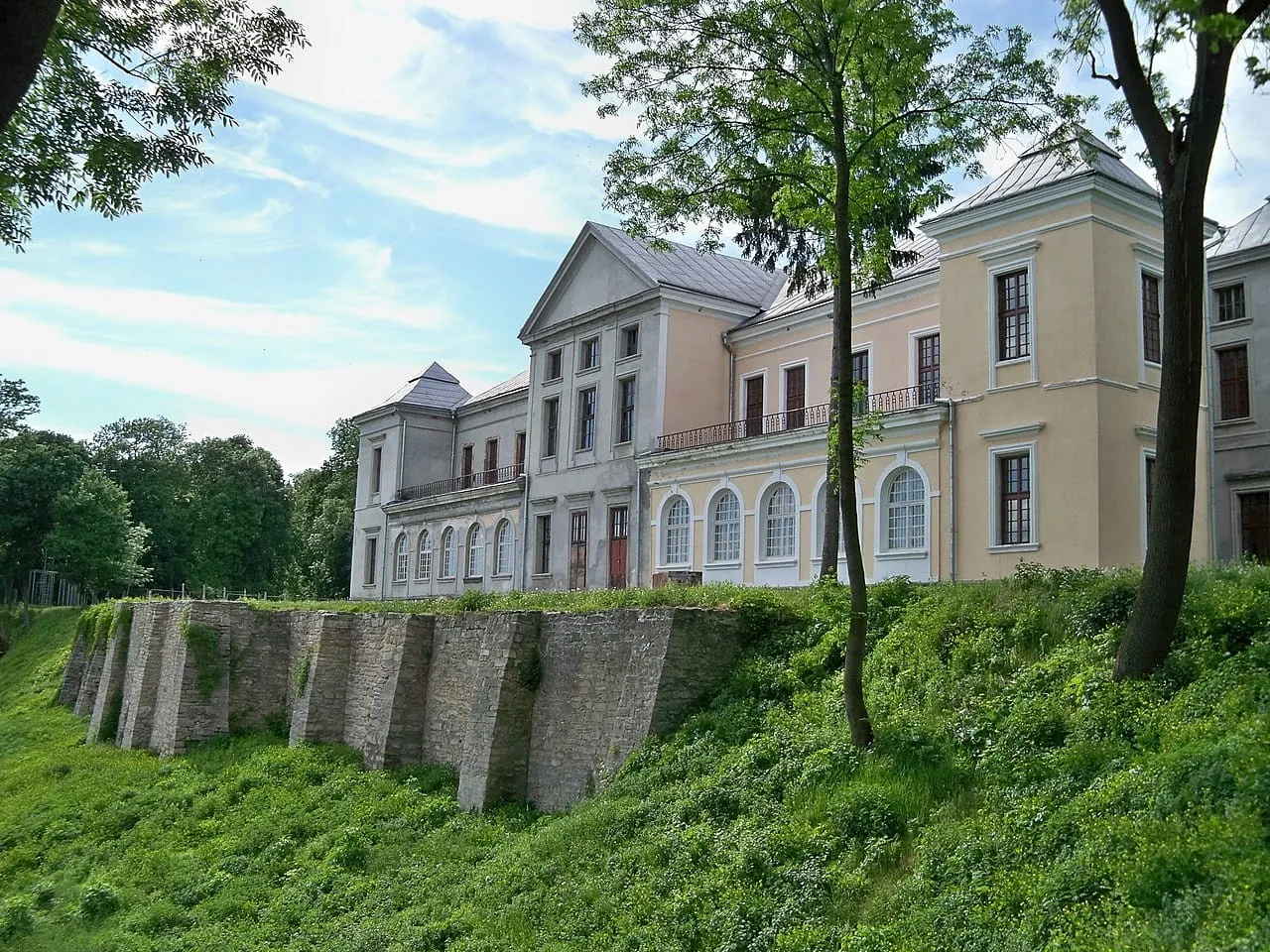
The Vyshnivets palace complex is a tourist spot where it’s pleasant not only to follow a guided tour, but also to explore at your own pace. The palace combines architecture, history, and the atmosphere of an old residence, so everyone will find something here — from history enthusiasts to families with children.
Of course, it’s best to start with the interiors. Inside, museum zones расскаunt the story of the Vyshnivetsky family, the palace’s development, and the life of the nobility. The ceremonial halls with high ceilings and an enfilade layout let you почув to sense the scale and style that distinguished Palace buildings of Ukraine in the 18th century.
After exploring the interiors, it’s worth stepping outside. The grounds around the palace are perfect for a calm walk, photo sessions, and a short rest during your trip. From the palace viewpoints, you’ll get picturesque views over the Horyn valley — exactly the kind of scenery that makes travellers include the palace museum in Vyshnivets in their itineraries.
To understand the complex’s history more deeply, it’s worth booking a tour of the Vyshnivetsky Palace. Guides talk about architectural details, the судьby of the owners, and lesser-known pages of the past. This format is especially good for those planning a journey through historic places and wanting more than just beautiful photos.
Spending time at the Vyshnivetsky Palace is also a chance to slow down. It’s easy to imagine how residents once strolled the courtyard, held conversations, and welcomed guests. Today, tourists take their place, adding only modern details — cameras instead of parchments, and smartphones instead of carrier pigeons.
Thanks to this mix of activities, Vyshnivets Palace becomes more than just a pin on the map — it turns into a полноценна part of an itinerary in the style of a journey to Ukraine’s palaces.
What to visit near Vyshnivetsky Palace
Vyshnivetsky Palace rarely ends up being the only stop on a trip — unless you’re the kind of traveller who says “we’ll just pop in for an hour” and then disappears there for half a day. Thanks to its convenient location, a tourist trip to the Vyshnivetsky Palace is easy to combine with other historic and природ attractions, without turning your journey into a marathon with a sat-nav in your hands. That’s exactly why this part of the Ternopil region is perfect for a rich journey or a well-planned route in the style of palaces-and-castles travel, where each stop naturally продолжens the previous one.
So, let’s take a look at what else you can — and should — visit nearby to make your trip even more interesting, varied, and full of impressions.
Zbarazh Castle
About half an hour’s drive away, you’ll find another well-known historic landmark — Zbarazh Castle. Together with Vyshnivets, it forms a logical part of a route for those interested in castles and palaces and planning a journey through Ukraine’s historic places. The two locations complement each other: if the Vyshnivetsky Palace introduces you to life in a noble residence, Zbarazh Castle раскрыs the region’s defensive history, fortification architecture, and events of the Cossack era. This contrast makes the route more engaging and helps you better understand the historic past of this part of Ukraine.
Kremenets and its panoramas
The town of Kremenets, with its old buildings and views from Bona Hill, is a wonderful addition to your itinerary. This is where Kremenets Castle is located — picturesque ruins of an ancient fortress rising above the town and opening a panorama that’s worth the climb even for those who are “just along for the ride”. The blend of architecture, nature, and history makes this spot especially attractive for anyone looking for interesting places to visit nearby.
Beyond its historic heritage, Kremenets is also known for its natural wealth. Nearby stretches the Kremenets Mountains National Nature Park — an area of forests, rocky formations, and walking trails ideal for relaxed outdoor прогулки. And for lovers of botany and slow-paced отдых, it’s worth visiting the Kremenets Botanical Garden, one of the oldest in Ukraine. Together, these places create the perfect balance between the cultural and natural sides of a trip.
In this way, Vyshnivetsky Palace becomes the centre of a whole tourist direction, where each next stop adds to the впечатления from the previous one, forming a complete route in the category of tourist routes around Ukraine.
Tourist infrastructure near Vyshnivetsky Palace
Vyshnivetsky Palace attracts visitors not only with its history, but also with its convenience for travellers. The palace complex is located in a settlement with basic tourist infrastructure, which makes it easy to plan a comfortable trip without unnecessary logistical quests and hours of “where can we grab a bite?”. It’s simple to combine the cultural part of your route with a rest, a snack, and an unhurried walk — when, after touring the halls, you just want to breathe out and look at the palace once more without rushing. This balance makes the location convenient both for a short visit and for a fuller regional trip.
Where to eat during your trip
In Vyshnivets and nearby towns, there are cafés and small eateries where you can take a break after the tour. The format is simple and familiar — home-style cooking, local dishes, and quick service. It’s convenient for those travelling with children. After a couple of hours in museum halls, it’s especially nice to sit down, talk through impressions, scroll through your photos, and rest a little before the next stop.
Where to stay overnight
If a trip to Vyshnivetsky Palace is part of a larger route, it’s worth considering accommodation in Kremenets, Ternopil, or nearby towns. You’ll find hotels, rural green-tourism guesthouses, and apartments. This format works well for those planning family cultural tourism or a multi-day journey through historic places in Western Ukraine.
Parking and amenities
There are parking options near the palace, which makes the location convenient for road-trippers. The surrounding area is fairly compact, so most places can be explored on foot. This is especially pleasant for those who want to combine tourism with relaxed walks through a historic setting.
Thanks to this, you can visit the palace complex in Vyshnivets without complicated preparation — just bring a good mood, comfortable shoes, and a желание to discover new tourist locations in Ukraine.
Frequently asked questions about Vyshnivetsky Palace
Where is Vyshnivetsky Palace located?
Vyshnivetsky Palace is located in the settlement of Vyshnivets in the Ternopil region. It’s a well-known historic and architectural monument that is often included in travel routes across Western Ukraine along with the region’s castles and palaces.
How much time do you need to visit the palace in Vyshnivets?
On average, it’s worth allowing 1.5 to 2.5 hours to explore Vyshnivetsky Palace. If you’re planning a guided tour and a walk around the grounds, your visit may last longer.
Is Vyshnivetsky Palace suitable for a family trip?
Yes, it’s a good location for a family trip around Ukraine. The grounds are safe, and the museum exhibitions and tours help children discover history in an engaging way.
Can you take photos inside the palace?
In most halls, photography for personal use is allowed, although sometimes there are restrictions on flash or professional shooting. It’s best to уточnify the details at the ticket desk or with your guide.
What can you combine a trip to Vyshnivetsky Palace with?
The palace in Vyshnivets is easy to combine with visits to Kremenets, Zbarazh Castle, natural attractions of the Ternopil region, and other historic landmarks of Ukraine. This lets you create a rich route in the style of travelling through palaces and castles.
Is it convenient to get to Vyshnivetsky Palace by car?
Yes, it’s convenient to reach the palace by car. There are places to park nearby, and the site is easy to include in a route across Western Ukraine.
How is Vyshnivetsky Palace different from other palaces in Ukraine?
Vyshnivetsky Palace stands out for its mix of defensive history and palace architecture, as well as its role as the residence of the Vyshnivetsky princes. It combines the atmosphere of the noble era with a modern museum space.
When is the best time to visit Vyshnivetsky Palace?
It’s most comfortable to visit in the warmer months, when you can combine touring the interiors with walks around the grounds and other tourist spots in the region.
Eco note for visiting Vyshnivetsky Palace
The Vyshnivetsky palace residence is set in a picturesque area where historic architecture blends beautifully with the natural landscape. During a tourist visit to the palace, it’s worth remembering that caring for the environment is just as important as respecting the monument itself. Keeping the grounds tidy and behaving responsibly helps preserve this place for future generations.
Take care of the grounds
When walking around the historic and architectural monument, don’t leave litter or damage greenery. Even small eco-friendly choices made by each visitor make a big difference in preserving a space where palace heritage meets the region’s natural beauty.
Respect the quiet and the natural setting
The area around the palace is meant for calm walks and отдых. Try to avoid excessive noise and loud music so you don’t disrupt the historic atmosphere or disturb other visitors enjoying their time here.
- Don’t leave litter on the complex grounds
- Protect green areas and the landscape
- Keep your behaviour calm during walks
- Set an example of responsible tourism for children
This approach helps make a trip to the Vyshnivetsky Palace not only educational, but also environmentally mindful — in the best traditions of modern responsible travel.
Conclusion: why Vyshnivetsky Palace is worth visiting
Vyshnivetsky Palace is more than just a красив historic building on the map of the Ternopil region. It’s a place where history, architecture, culture, and the жив atmosphere of an old residence come together. You don’t need any special knowledge to feel the grandeur of the era — it’s enough to walk through the halls, look out of the windows at the views, and allow yourself to slow down a little.
This palace monument works equally well for different travel formats. It can be a slow-paced trip, part of a wider route in the style of travelling around Western Ukraine, or a dream-list stop for those exploring palaces and castles. Either way, this location offers a blend of beauty, discovery, and rest — without the extra hustle and tourist noise of big cities.
What makes this monument special is that it doesn’t try to impress loudly — its strength is in the details. In the calm of the inner courtyard, in the light falling through tall windows, in corridors where it’s easy to imagine the footsteps of people who lived here centuries ago. These are the moments that make a visit to Vyshnivetsky Palace not just a tour, but a genuine emotional experience.
If you’re looking for interesting and well-known places where you can combine history, architecture, and peaceful downtime, the palace in Vyshnivets is a brilliant choice. It’s a place people come to for impressions — and often return, this time with friends or family, to share that feeling of touching a noble era.
So, when planning your next tourist trip across Western Ukraine, make space in your itinerary for Vyshnivets. Because sometimes the strongest impressions don’t come from loud мегacities, but from quiet, grand, and truly atmospheric corners of history like this.


No Comment
You can post first response comment.