
 English
 Українська
 Русский

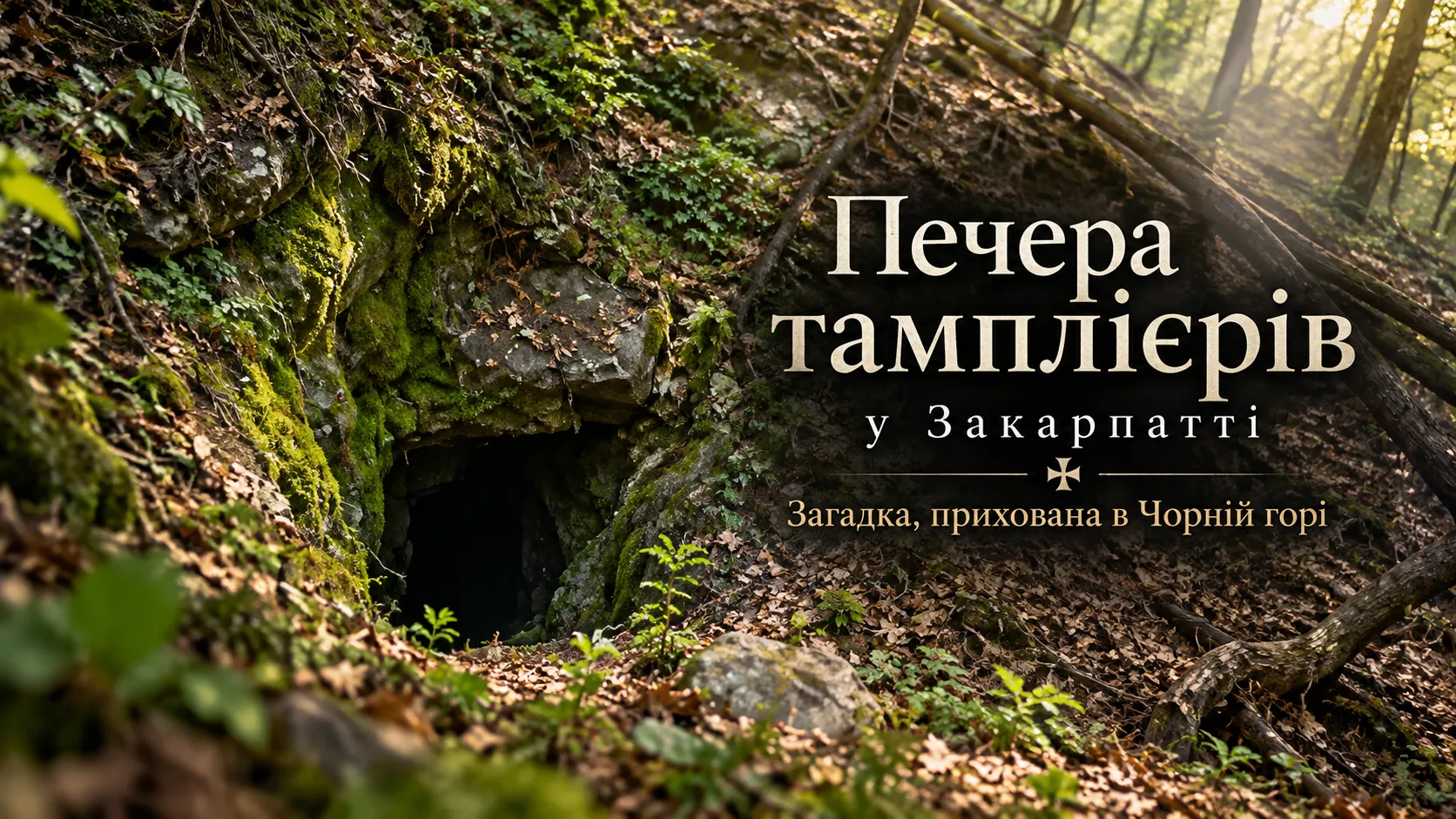
Above the town of Vynohradiv rises Chorna Hora (Black Mountain), a place where natural landscapes unexpectedly intertwine with medieval history and legends whose origins have long been lost in time. Here, among the rocks and forests, lies a mysterious man-made passage known today as the Templar Cave in Zakarpattia. Local residents, however, have traditionally known it by another name — the Black Mountain Cave.
At first glance, the cave may appear to be nothing more than a small opening in the rock. But take a few steps inside, and an ordinary tourist attraction begins to reveal a fascinating historical mystery. A stone corridor leads deep into Black Mountain until the passage is blocked by water. Beyond this flooded section, according to local legends, there may be hidden underground passages, mysterious doors, and even treasures belonging to medieval knights.
It was the legend of the Knights Templar's hidden gold that gave the cave its most famous name. Stories tell of crosses carved into the walls, iron doors, an underground tunnel supposedly stretching all the way to the Tysa River, and precious treasures concealed deep within the mountain. Over time, new tales were added to these old legends, including accounts of strange phenomena inside the cave and events associated with the Second World War. Some of these stories sound so convincing that they are now frequently repeated almost as established historical facts.
Yet the real mystery of the Templar Cave in Vynohradiv may be far more fascinating than the legend of buried gold. Who actually carved this passage into the solid rock? What purpose did the cave on Black Mountain originally serve? Could the Knights Templar really have visited this place, or was their name associated with the cave much later? And if the cave had nothing to do with the Templars, who left behind this unusual man-made structure?
The answers are far from straightforward. Historical documents, archaeological theories, and local folklore offer different explanations, with some accounts even contradicting one another. In this article, we will not only explore the route to the cave on Black Mountain but also attempt to separate legend from history. We will examine what is actually known about its origins, where the Templar connection came from, what visitors can see inside, and which mysteries surrounding this intriguing place remain unresolved.
Templar Cave in Vynohradiv: Location and What Makes It Special
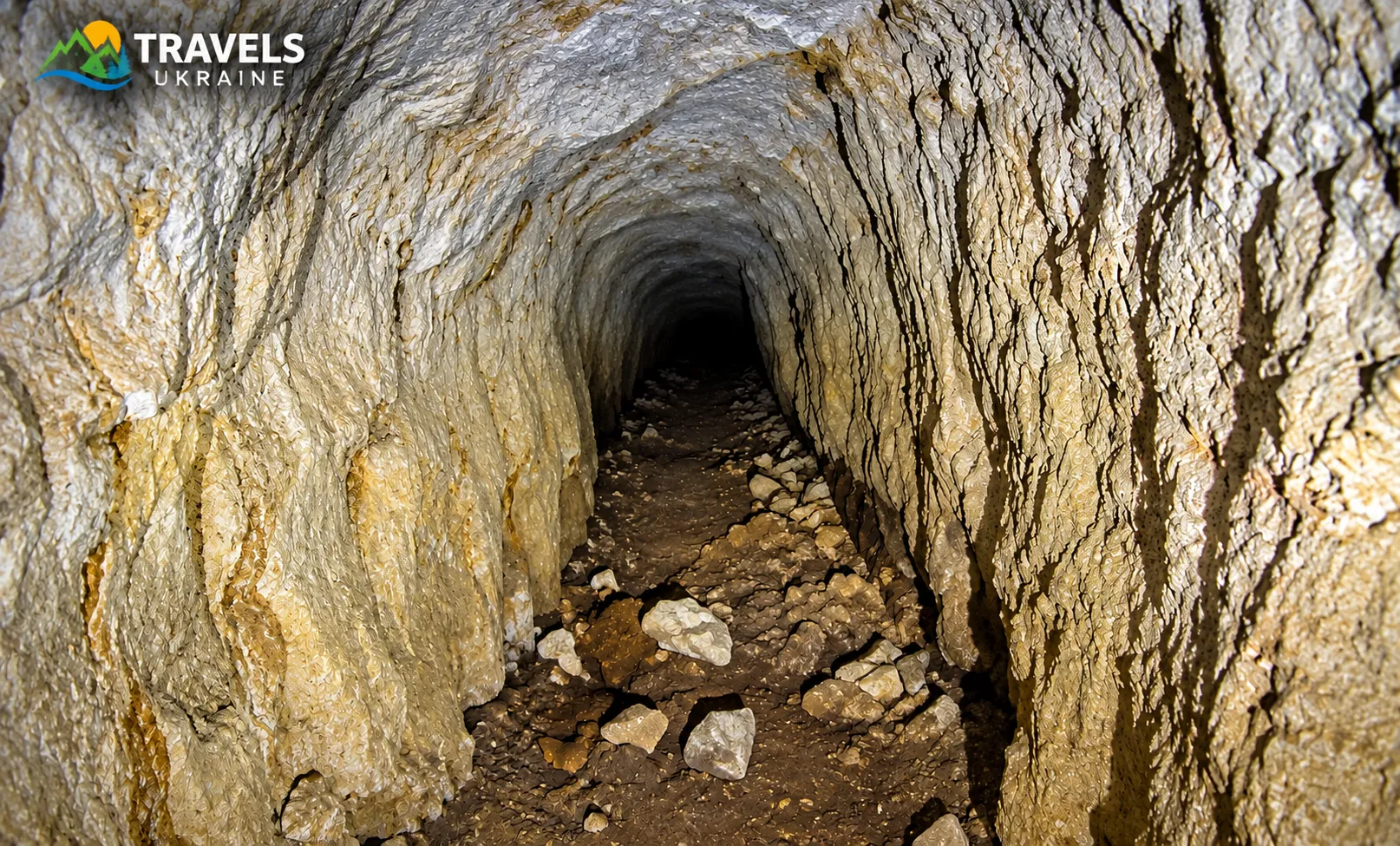
The Templar Cave in the Carpathian Mountains is located on Chorna Hora (Black Mountain), which rises above the town of Vynohradiv. Unlike many well-known karst caves in Ukraine, it was not formed solely by natural geological processes. The passage was carved by humans into solid rock, making it more than just a geological formation. It is a mysterious man-made structure whose original purpose has yet to be definitively established.
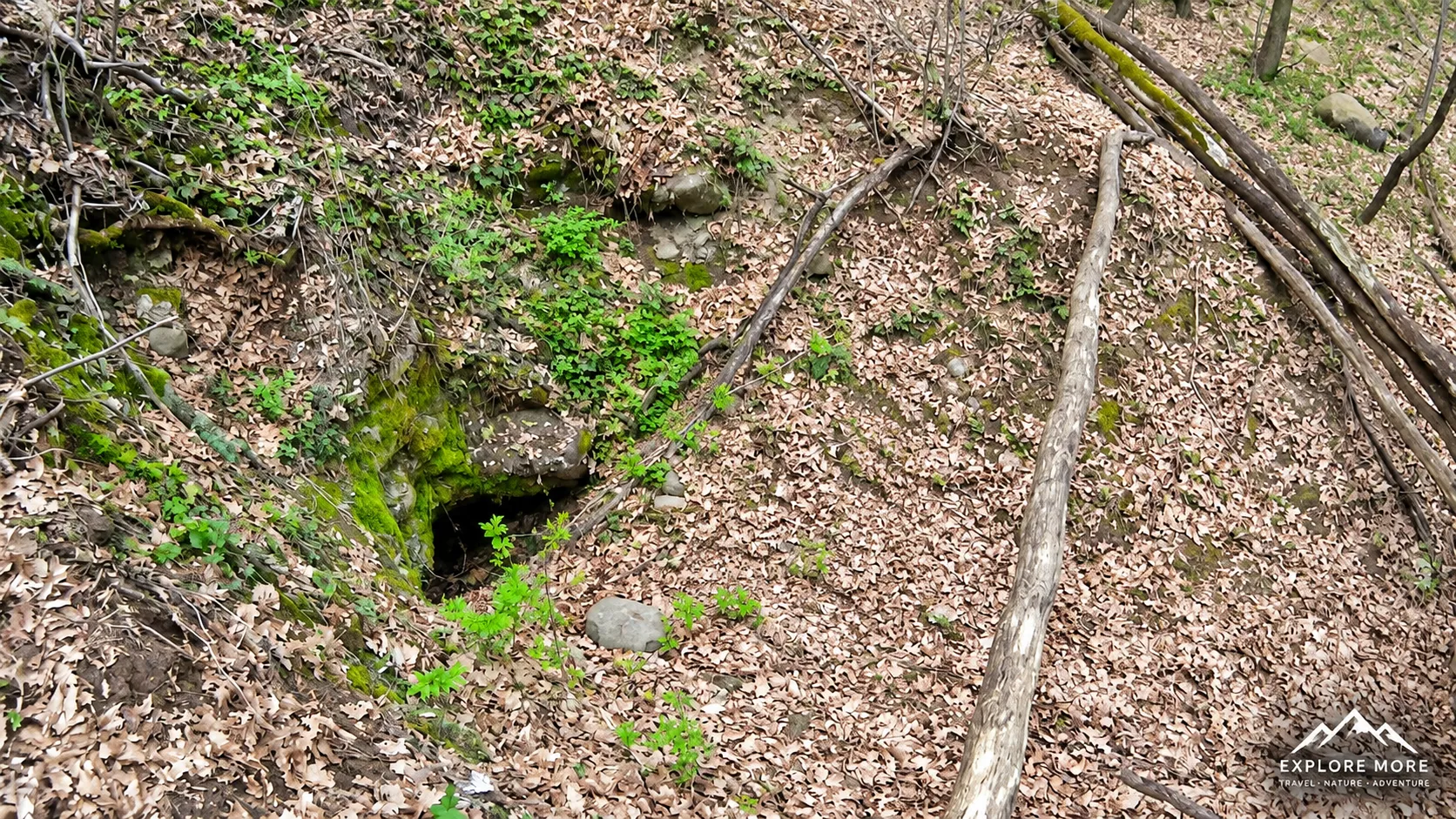
The entrance itself is surprisingly modest. Among the trees, rocks, fallen leaves, and vegetation of Black Mountain, a small, dark opening appears in the hillside, easily overlooked without knowing exactly where to look. From the outside, nothing resembles the grand entrance to an underground chamber described in romantic legends of medieval knights and hidden treasures. This contrast between the unassuming entrance and the extraordinary stories surrounding it makes the site particularly intriguing.
Black Mountain Cave and the "Sea Eye"
Travel guides and historical descriptions refer to this location by several different names. The most neutral is Black Mountain Cave. The name "Templar Cave" is primarily associated with the well-known legend of the Knights Templar and their hidden treasures. Another popular name, "Sea Eye", originated from the water that fills part of the underground passage.
There is an interesting detail that is often oversimplified in tourist descriptions. Originally, the name "Sea Eye" referred specifically to the small underground pool deep inside the cave. Over time, however, the name began to be used for the entire underground structure. As a result, the expression "Sea Eye Cave" has effectively become another recognizable name for this unusual historical site.
What Does the Templar Cave Look Like?
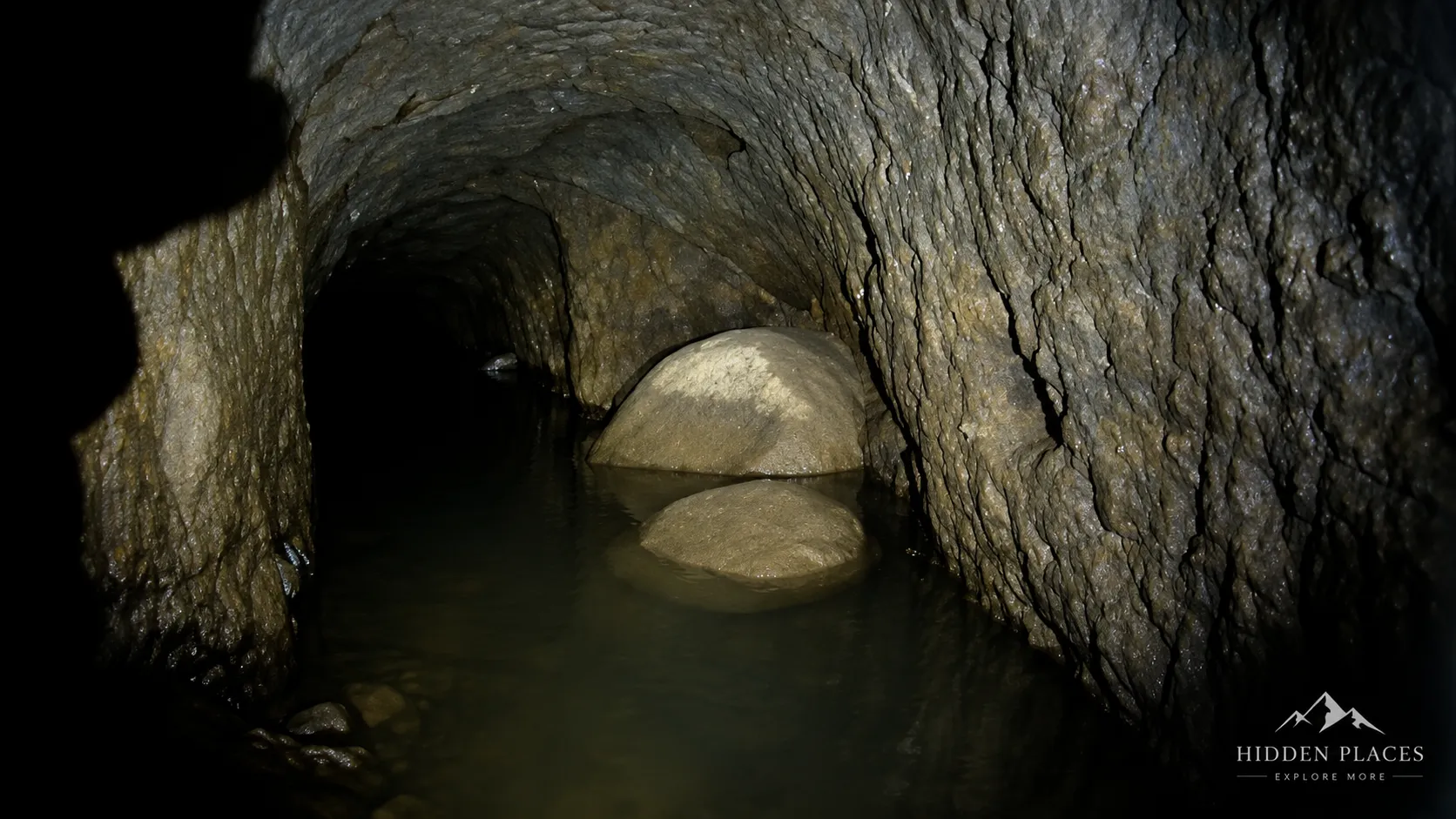
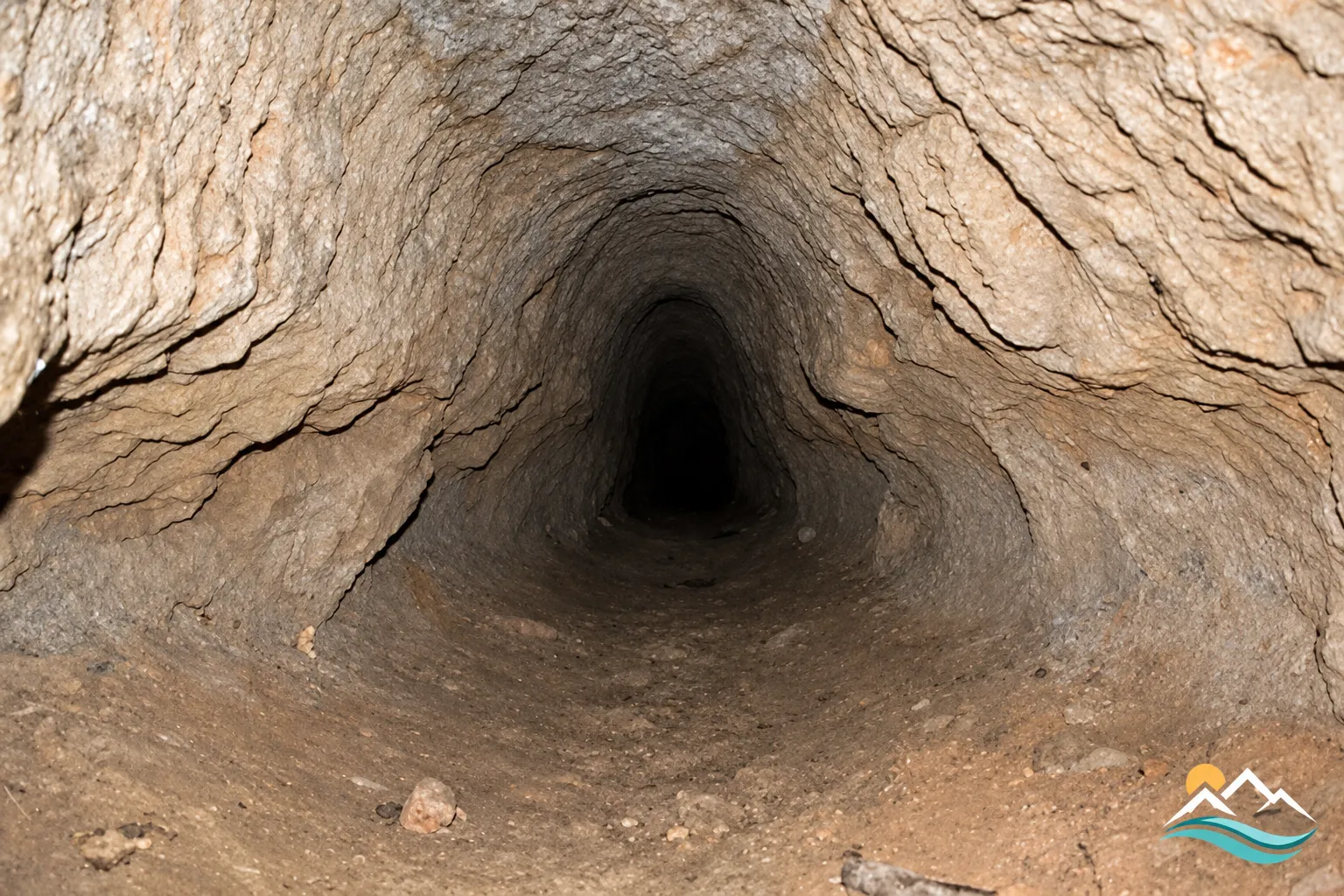
According to local historical descriptions, the artificially excavated corridor extends several dozen meters into Black Mountain before reaching a flooded section. The shape of the passage also reveals clear signs of human intervention. Rather than an irregular natural fissure, it is a deliberately carved tunnel whose construction required tools, considerable time, and skilled stoneworking.
Researchers suggest that the cave was probably not flooded when it was first created. During its excavation or subsequent extension, the passage may have reached the groundwater level. As a result, part of the gallery became submerged, with the water level reportedly remaining relatively stable over time, even after attempts to pump it out. This underground water transformed a relatively small man-made passage into a mysterious place where stories of hidden tunnels, submerged passages, and inaccessible chambers could easily emerge.
But the cave's unusual features do not end there. Cross-shaped markings have been recorded on its walls, while the flooded section prevents ordinary visitors from exploring the entire underground passage. Combined with the uncertainty surrounding its original purpose, these features have inspired a rich collection of local legends over the years, ranging from secret underground connections to hidden gold.
For this reason, the Templar Cave in Vynohradiv is fascinating even without its romantic legends. It is a genuine man-made structure of uncertain purpose, carved into the volcanic rock of Black Mountain, partially flooded by groundwater, and located near one of Vynohradiv's best-known medieval fortifications. However, determining when it was created, who possessed the resources and expertise required for such an undertaking, and whether the Knights Templar could really have been involved is a far more complicated question.
And this is where the most fascinating part of the story begins. When the legend is compared with the actual chronology of the Knights Templar, archaeological discoveries, and the history of construction on Black Mountain, the familiar name "Templar Cave" stops being an obvious explanation and becomes a historical mystery worth investigating.
Is the Templar Cave Really Connected to the Order? Facts, Theories, and Contradictions
The name "Templar Cave" has become so closely associated with the underground passage on Black Mountain that it is easy to take it literally: the Knights Templar arrived here, carved the cave into the rock, left crosses on its walls, and hid their treasures inside. However, the historical picture is considerably more complicated. The Templars were indeed active in the medieval Kingdom of Hungary, which included the territory of present-day Zakarpattia. Yet there is a substantial gap between this general historical fact and the claim that they were responsible for creating the cave above Vynohradiv — a gap in documentary evidence, archaeological findings, and, perhaps most importantly, chronology.
Who Were the Knights Templar, and Were They Active in the Kingdom of Hungary?
The Order of the Poor Fellow-Soldiers of Christ and of the Temple of Solomon, better known as the Knights Templar or the Order of the Temple, was founded in the early 12th century during the Crusades. Over time, it developed into one of the most influential religious and military orders in medieval Europe, possessing extensive lands, fortifications, estates, and a network of commanderies.
The Knights Templar also maintained a presence in the medieval Kingdom of Hungary. Historians have studied the order's territorial organization in Hungary and Slavonia, including its commanderies, landholdings, and involvement in the kingdom's political and military affairs. Therefore, the possibility that a medieval monument in this region might be connected to the Templars does not initially seem entirely implausible. The problem arises when the geographical focus narrows from the entire Kingdom of Hungary to Vynohradiv, historically known as Sevliush, and Ugocsa County. Available scholarly catalogs and studies of Templar possessions do not identify Vynohradiv as a known commandery or a confirmed center of the order. Nor has any document been found directly linking the Knights Templar to the cave on Black Mountain.
Why Was It Called the Templar Cave?
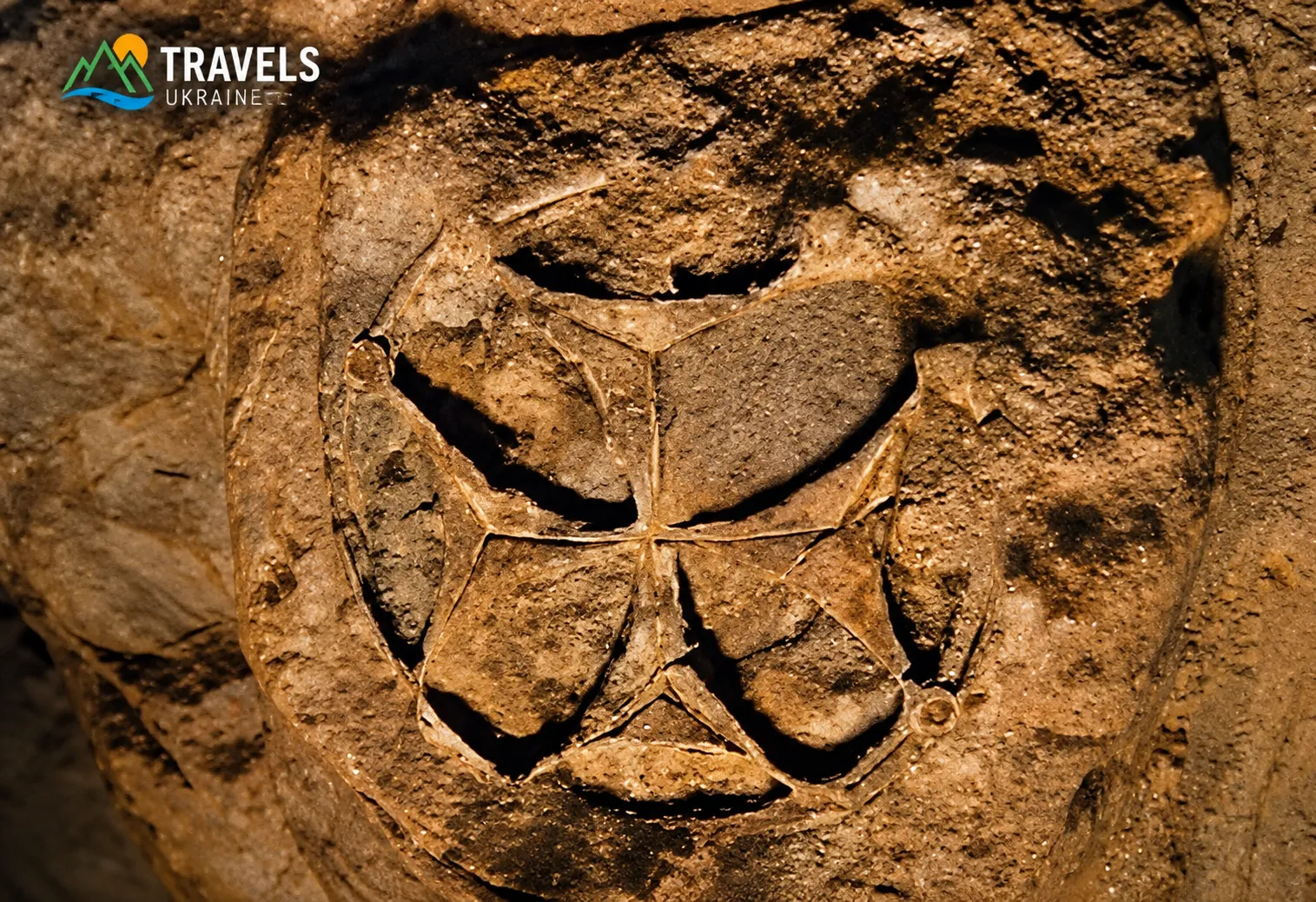
Several details make the legend appear particularly convincing. The most significant are the cross-shaped symbols carved into the cave walls near the flooded section. Popular descriptions frequently refer to them as Maltese crosses and immediately associate them with medieval military orders. Add the flooded underground passages, the cave's unknown original purpose, stories of iron doors and hidden gold, and the result is an almost perfect tale of a secret treasure chamber belonging to medieval knights.
However, a cross alone is not a signature of the Knights Templar. Archaeologist Ihor Prokhnenko points out that such markings may indicate a particular religious significance or use of the underground chamber, but they do not establish who actually carved them. Cross-shaped symbols were extremely common throughout Christian Europe and were used by many people and institutions beyond the Knights Templar.
How Did the Templar Legend Spread in Zakarpattia?
The Templar legend in Zakarpattia is not limited to Black Mountain. One of the best-known examples is Serednie Castle, which for many years was popularly described as the only Templar castle in Ukraine. However, modern archaeological research has not confirmed this origin. The Zakarpattia Regional Tourism Department has explained that the theory emerged partly from a mistaken interpretation of historical references to the "Red Brothers."
In 2021, historians and students from Uzhhorod National University even organized a special visit to the Black Mountain cave and Serednie Castle to investigate and challenge popular legends about the presence of the Knights Templar in Zakarpattia. The cave in Vynohradiv became a particularly revealing example of how a mysterious but genuine historical site can gradually acquire a much more dramatic legendary identity.
So Is the Templar Cave a Myth or a Historical Monument?
The fascinating thing is that these two possibilities are not mutually exclusive. The Templar origin of the cave remains unconfirmed, but this does not make the site any less historically valuable. Quite the opposite: it is a genuine man-made structure whose precise original purpose remains unknown. It was created by skilled craftsmen and may be connected to medieval construction activity on Black Mountain. Cross-shaped markings are indeed visible on its walls, part of the underground passage is flooded, and the structure's original function remains an open subject for further research.
For this reason, the name "Templar Cave" is best understood as part of the region's local historical memory and tourist tradition. It preserves a fascinating legend, but should not be mistaken for established historical evidence. Perhaps this very boundary between reality and folklore makes the cave even more intriguing. Archaeologists have not discovered Templar gold here, but the effort to understand who carved the underground passage into Black Mountain — and why — leads directly into the genuine medieval history of Vynohradiv.
The Main Contradiction: The Order's Dissolution and the Cave's Probable Age
The strongest argument against a literal Templar origin of the cave comes from a simple examination of chronology. The Knights Templar were officially dissolved by Pope Clement V in 1312. At the Council of Vienne, the order itself, its name, and its organizational structure were suppressed, and a substantial portion of its possessions was transferred to the Knights Hospitaller.
However, archaeological interpretations of the origins of the Black Mountain Cave point to a different period. Ihor Prokhnenko associates major construction activity on the Kankiv terrace of Black Mountain with the 15th century, when the Sevliush area was controlled by the Perényi family and professional builders were actively working in the region.
If this reconstruction is correct, approximately a century or more separates the dissolution of the order in 1312 from the cave's probable creation in the 15th century. Consequently, the Knights Templar, as an active military order, could not have excavated the cave during the 15th century.
This does not mean that the exact date of the cave's construction has already been established. There is no known dated inscription on its walls that would allow researchers to identify a specific year, and archaeological investigations leave room for further clarification. Nevertheless, the 15th century currently represents one of the research-based hypotheses concerning the cave's origins, while no direct evidence supporting its construction by the Knights Templar has been discovered.
Who Might Have Actually Carved the Cave?
Setting aside the legend of the Knights Templar raises an equally fascinating question: who possessed the skills and resources needed to carve such a passage into the volcanic rock of Black Mountain? This type of work required specialized tools, practical experience, and craftsmen with considerable knowledge of stoneworking. It seems unlikely that an ordinary group of local residents would have undertaken such a demanding project without a clear purpose.
This is where researchers turn their attention to Kankiv Castle and the Perényi family. During the 15th century, the Perényis carried out substantial construction projects across their estates. Professional craftsmen worked on several sites, including Nyaláb Castle in Korolevo, and researchers suggest that the same builders, or related groups of craftsmen, may also have worked at Kankiv.
Interesting archaeological evidence of the presence of such professional builders emerged during excavations at Nyaláb Castle. Among the discoveries was a fragment of a copper buckle bearing the inscription VILLEMONT in Gothic Latin lettering. According to researchers' interpretations, objects of this type were associated with a community of builders whose members worked in the northeastern part of the Kingdom of Hungary. This discovery contributed to the hypothesis that the development of Kankiv Castle into the structure whose remains are visible today and the excavation of the cave on Black Mountain may have belonged to the same period of 15th-century construction activity. This is not yet a definitive historical conclusion, but the theory has a considerably stronger material and chronological basis than the story of medieval knights hiding their gold here after the dissolution of their order.
Legends of the "Sea Eye": Hidden Treasures, Mysterious Doors, and Other Tales
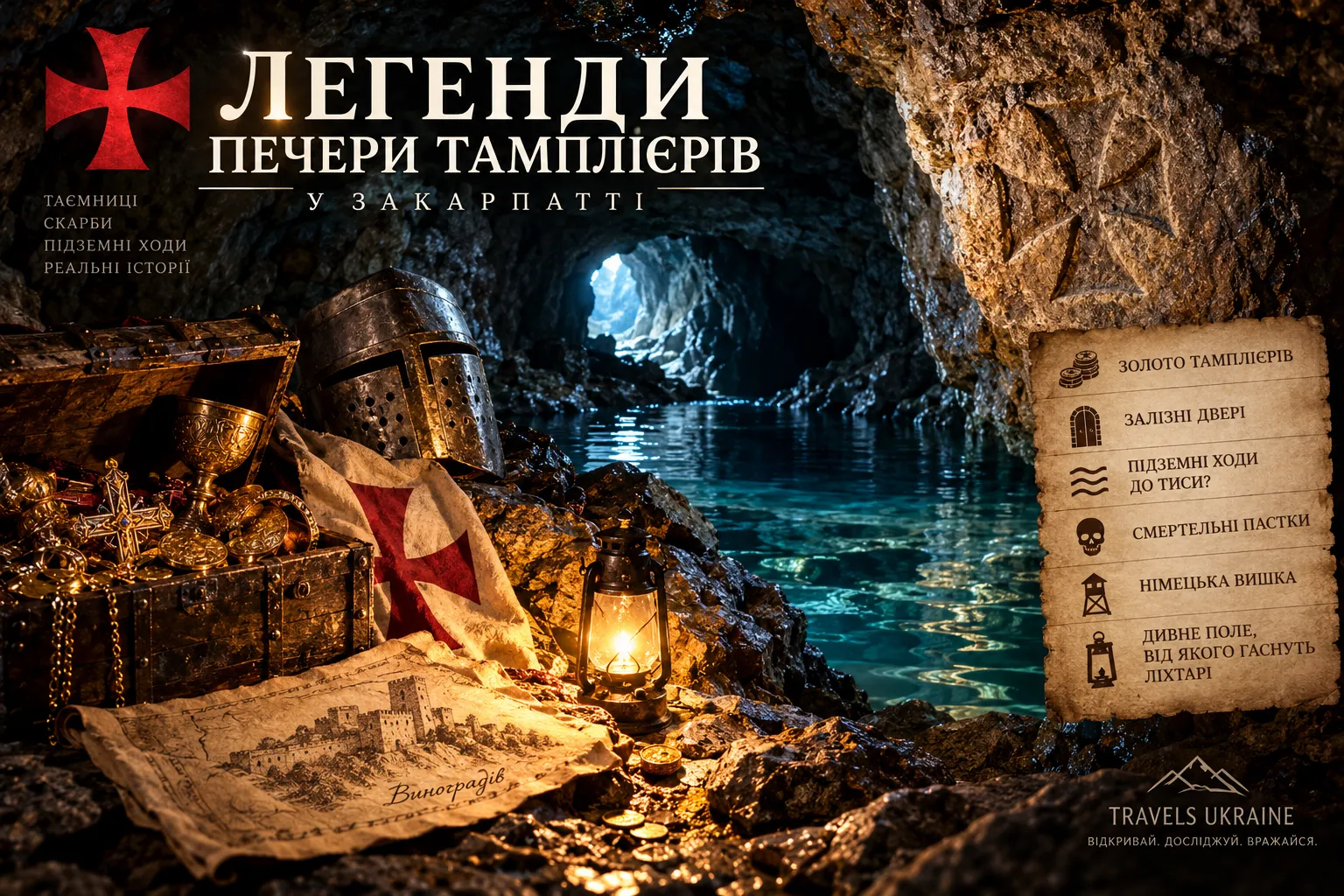
The underground passage on Black Mountain has long existed in two different worlds. One is the real, man-made tunnel carved into the mountain, partially flooded with water. The other is a world of local legends, where medieval knights' gold, unknown underground passages, massive doors, and deadly traps supposedly lie hidden behind the stone walls. It is this rich collection of folklore that has transformed a relatively small cave into one of the most mysterious tourist attractions in Vynohradiv.
The Knights Templar's Gold Hidden Inside Black Mountain
The most famous legend claims that the Knights Templar concealed part of their treasure deep inside the cave. Different versions of the story mention gold, precious jewels, or other valuables belonging to the order, supposedly hidden beyond the flooded passages. The cross-shaped markings on the walls and the tunnel's mysterious original purpose became convenient pieces of "evidence" that kept this story alive for decades. However, as we have already established, there is no archaeological or documentary evidence supporting the existence of Templar treasure here. Moreover, historians have found no proof that the Knights Templar ever maintained a commandery or other established presence in Vynohradiv. Therefore, the story of hidden gold remains a local legend, although it is undoubtedly the best-known tale associated with the cave.
The Iron and "Golden" Doors That No One Can Open
Another popular legend concerns massive doors that supposedly block the passage into the depths of Black Mountain. In some versions, they are made of iron; in others, they are almost fantastical "golden" doors. Local stories suggest that additional underground galleries or treasure chambers may lie behind them. Interestingly, researchers do not entirely dismiss the possibility that some kind of protective door once existed. Cave entrances and underground structures were sometimes sealed to prevent unauthorized access or protect them from treasure hunters. However, this does not mean that such doors concealed gold or belonged to the Knights Templar. There may be a plausible historical explanation behind this detail, but the legendary story built around it is another matter entirely.
"Deadly Traps" in the Flooded Underground Passages
One of the darkest legends concerns the so-called Templar traps. The story is associated with flooded siphons — submerged sections of the underground passage where the tunnel dips beneath the water. According to the legend, a dry, air-filled chamber supposedly existed between two such sections. The knights allegedly placed a dangerous substance there so that treasure hunters emerging from the underwater passage would inhale poisonous fumes.
No evidence of such a mechanism has ever been discovered. The flooded siphons themselves are real features of the cave, but the idea that they were deliberately designed as elaborate medieval traps belongs to folklore rather than established history. This is a clear example of how a genuine natural or structural feature can gradually become the foundation of a dramatic legend.
Does an Underground Tunnel Lead to the Tysa River?
Another old tale attempts to explain where the flooded section of the cave might lead. According to the legend, a duck was supposedly released into the underground water and later emerged in the Tysa River near the foot of Black Mountain. This story gave rise to the theory of a hidden underground channel or natural water connection between the cave and the river. Historians regard such accounts as typical examples of local folklore. Similar stories about animals released into caves, wells, or underground passages and later discovered far from their starting point are known in many regions. In the case of Black Mountain Cave, there is no reliable evidence confirming the existence of a direct underground passage to the Tysa River.
The German Watchtower During World War II
Over time, a story connected to the 20th century was added to the older legends. According to local accounts, a German military watchtower supposedly stood near the cave during World War II, and the surrounding area was kept under special surveillance. This detail inspired a seemingly logical explanation within the legend: if the site was so heavily guarded, something extremely important must have been hidden inside. However, there is currently no documentary evidence that German military forces specifically guarded or investigated Black Mountain Cave because of hidden treasures. Uzhhorod National University has explicitly cited this story as an example of a myth that gradually accumulated additional details. The tale of German guards should therefore be treated as a later local legend rather than an established chapter in the cave's history.
The Mysterious Field That Makes Flashlights Stop Working
One of the most mysterious stories claims that a powerful electrical or magnetic field exists inside the cave, causing flashlights to stop working and supposedly preventing candles from burning. Such accounts contribute greatly to the atmosphere of a "forbidden" underground chamber and are frequently repeated in tourist descriptions. However, there is no scientific evidence of any anomalous field inside the cave. Uzhhorod National University has explicitly classified this story as fiction, including the supernatural explanation for lights going out. In a real cave, a flashlight may malfunction for much simpler reasons, such as moisture, cold temperatures, depleted batteries, or an ordinary technical failure. Naturally, such explanations are far less exciting than the mysterious forces described in local legends.
Why Are There So Many Legends Surrounding the "Sea Eye"?
The remarkable number of stories associated with the cave is probably no coincidence. It possesses almost every element needed to inspire a compelling mystery: an unknown original purpose, a dark man-made corridor, water deep inside the passage, cross-shaped markings on the walls, flooded sections that ordinary visitors cannot explore, and its proximity to the medieval Kankiv Castle. Where reliable historical explanations are missing, human imagination quickly fills the gaps.
Moreover, legends naturally evolve over time. Medieval history contributed the Knights Templar and their gold, the flooded passages inspired stories of secret tunnels and deadly traps, while events of the 20th century introduced the German watchtower. Gradually, an entire collection of interconnected stories developed around a single real underground structure, bringing events from different centuries together into one mysterious narrative.
For this reason, the legends of the "Sea Eye" Cave in Vynohradiv should neither be accepted uncritically as historical truth nor simply dismissed as meaningless fiction. They form part of the site's cultural heritage, revealing how generations of local residents attempted to explain what they could not see beyond the dark underground water. And even after historians challenged many of these stories, the central mystery remained unanswered: who actually created the cave, and what was its original purpose?
What Can You See Inside the Templar Cave?
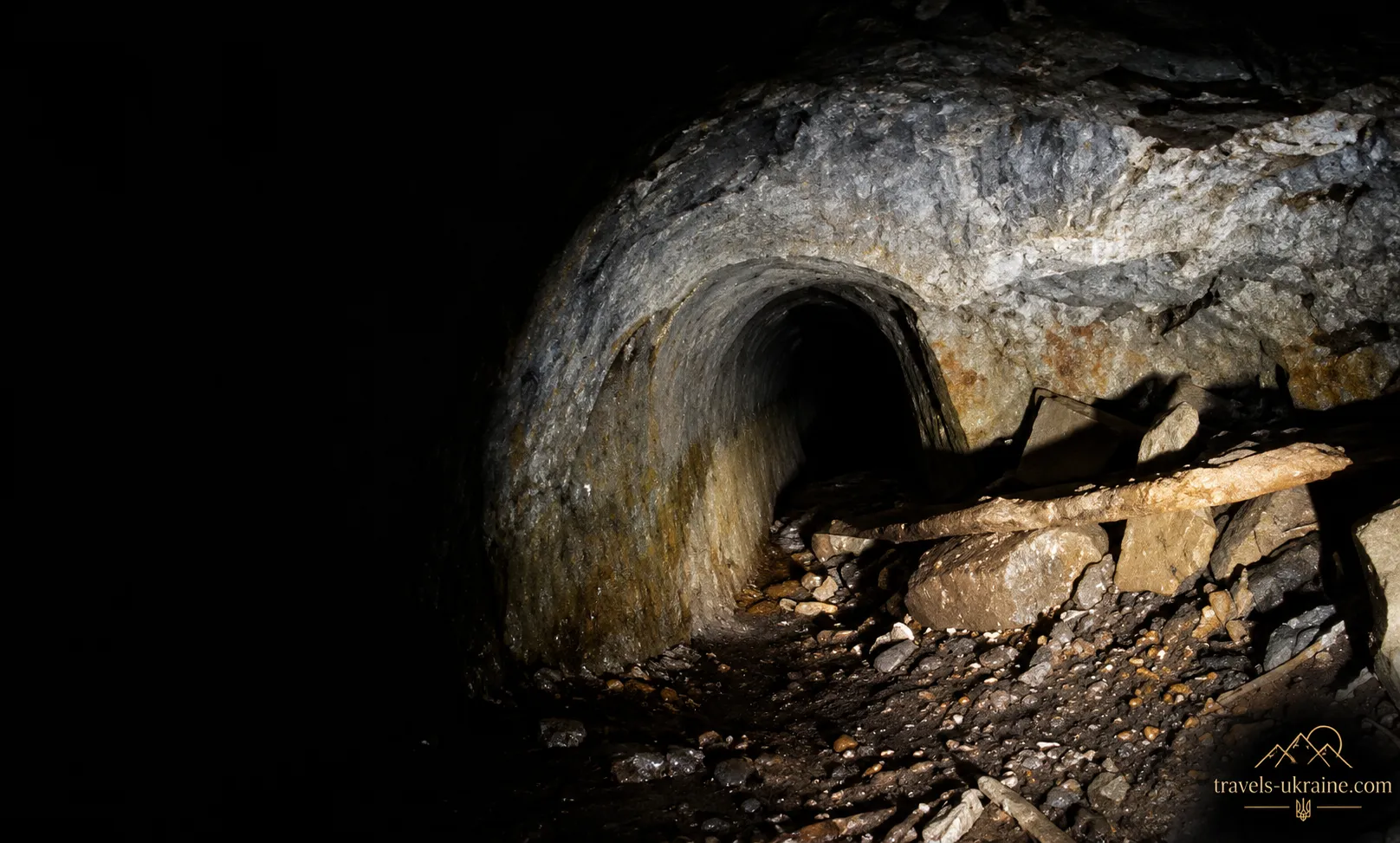
After hearing countless legends about gold, mysterious doors, and secret underground passages, the actual appearance of the Templar Cave in Vynohradiv may seem surprisingly modest. There are no spacious chambers filled with stalactites or elaborate networks of tourist-friendly galleries. Instead, visitors encounter a narrow man-made passage carved directly into the rock of Black Mountain. The corridor gradually leads into darkness before eventually reaching a flooded section.
The most distinctive feature of the cave's interior is its flooded passage. Several dozen meters from the entrance, the dry corridor gives way to water, whose level, according to observations by local researchers, remains relatively stable. Attempts to pump out the water have not produced lasting results, a phenomenon attributed to the continuous inflow of groundwater. At this point, the atmosphere inside the cave changes dramatically. Natural light from the entrance fades, the stone surfaces become damp, and dark water blocks the route ahead. In the beam of a flashlight, the water reflects the rocky ceiling, creating the mysterious image of an underground pool that has inspired so many local legends.
Among the most fascinating man-made features inside the cave are the cross-shaped symbols carved into the walls near the first siphon. These markings became one of the main arguments supporting the popular theory that the cave was connected to the Knights Templar. The symbols are frequently described as "Maltese crosses." However, historians approach this interpretation with considerably more caution. A cross-shaped marking alone cannot establish which religious order created it or when it appeared. According to archaeologists, such carvings may indicate that the cave once held some religious significance, but they do not prove that the Knights Templar were ever present here.
Flooded Siphons and the Hidden Continuation of the Cave
The term "siphon" frequently appears in descriptions of Black Mountain Cave. In caving terminology, it refers to a section of an underground passage completely filled with water, making it impossible to cross by ordinary means. In the case of the "Sea Eye," these flooded siphons have raised numerous questions about whether the cave continues beyond them and how far its passages might extend. For ordinary visitors, the answer remains hidden beneath the water's surface. Only the beginning of the flooded section is visible; anything beyond it would require specialized speleological investigation or underwater exploration. This inaccessibility has provided fertile ground for stories about lengthy tunnels, secret chambers, and a hidden passage leading all the way to the Tysa River.
What Not to Expect Inside the Cave
The name "Templar Cave" and its many legends may create the impression of an enormous medieval underground complex. In reality, the accessible section is much smaller and more confined. There are no confirmed underground treasure chambers, knights' burial sites, preserved doors belonging to the order, or exhibitions of archaeological artifacts. Yet this simplicity is precisely what makes the place fascinating. Rather than a reconstructed tourist attraction, visitors encounter an authentic, undeveloped man-made underground structure: a dark corridor, traces of stoneworking, damp walls, cross-shaped carvings, and water beyond which the rest of the passage disappears from sight.
Is It Safe to Enter the Cave on Your Own?
The cave does not have the facilities typically found at developed tourist attractions, such as permanent lighting, protected walkways, safety barriers, or regular supervision. The interior is dark, surfaces may be wet and slippery, and the risks increase near the flooded section. Even exploring the accessible part requires a reliable flashlight, sturdy footwear, and considerable caution. The most important rule is to never attempt to cross the flooded siphons without specialized training and equipment. Underwater caves are extremely dangerous environments where even a small mistake can have serious consequences. For a tourist visit to the "Sea Eye," it is enough to observe the dry corridor, underground pool, and visible features of the stone walls without turning curiosity into a dangerous experiment.
So, inside the Templar Cave on Black Mountain, visitors will not find the fabulous treasure chambers promised by local legends. Instead, there is something potentially even more fascinating for curious travelers: a genuine medieval mystery, part of which can be seen with your own eyes, while the rest remains concealed beneath the dark waters of the "Sea Eye."
How to Get to the Templar Cave: Hiking Route on Black Mountain
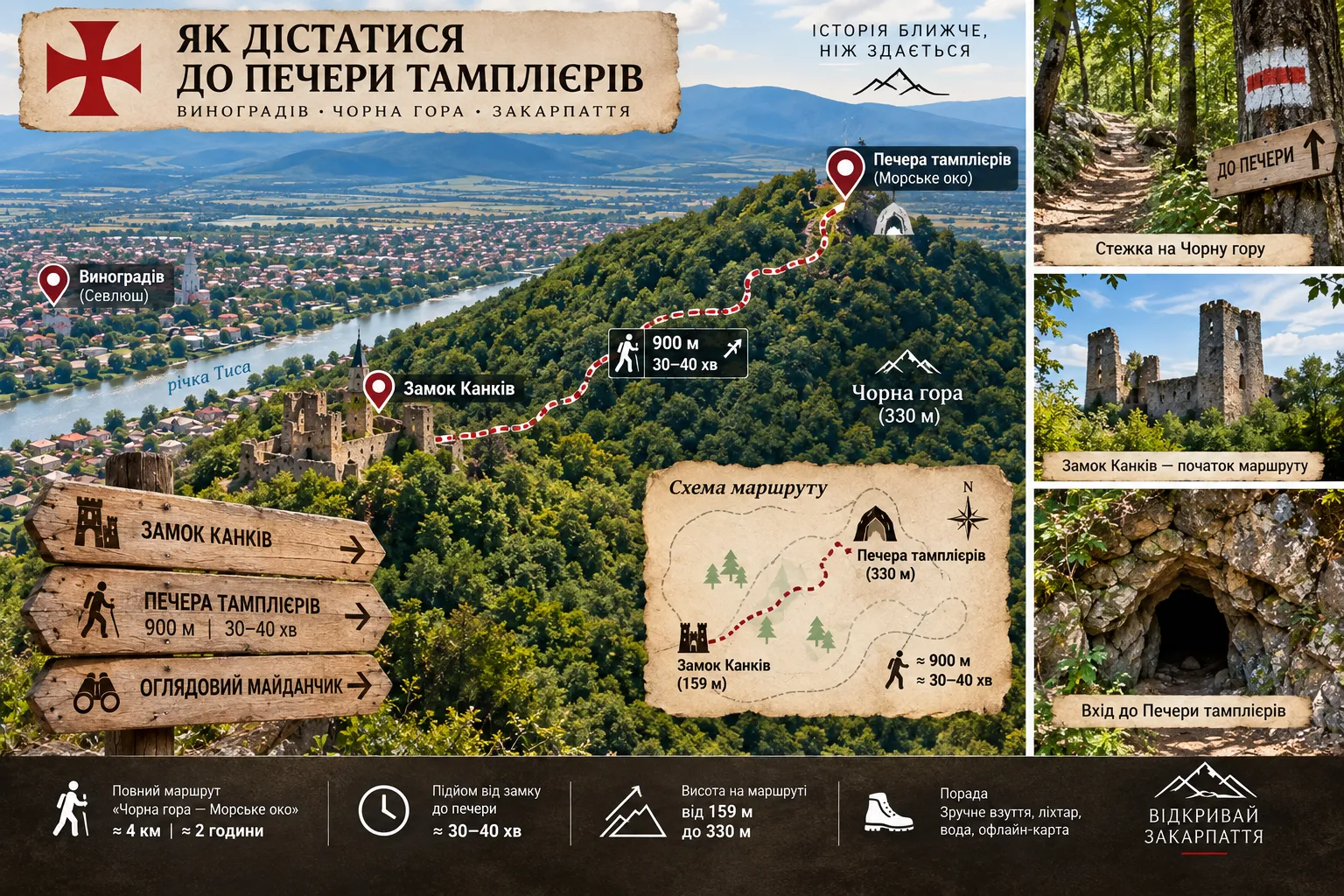
The Templar Cave is not located beside a road and has no developed tourist entrance that visitors can reach directly by car. The final part of the journey must be completed on foot, climbing the slopes of Black Mountain. The most convenient and historically interesting starting point is the ruins of Kankiv Castle, one of Vynohradiv's most important historical landmarks. The route to the ruins begins in the town near Kotsiubynskoho Street. The castle is well known to local residents and considerably easier to locate than the small cave entrance hidden among the trees.
From Kankiv Castle, the route continues uphill along the slopes of Black Mountain. The section between the castle and the cave is approximately 900 meters on foot. Because of the elevation gain, this relatively short distance feels more demanding than an ordinary walk on level ground. The estimated hiking time is around 30–40 minutes. Along this section, the elevation increases from approximately 150 to 330 meters above sea level. In other words, the main challenge is not the length of the trail but the uphill climb. It is manageable for visitors with an average level of fitness, although it should not be mistaken for an easy stroll through town.
How to Find the Cave in the Forest
The final section of the route can be the most challenging for first-time visitors. The entrance to Black Mountain Cave is small and does not resemble a major tourist attraction. Hidden among trees, rocks, and vegetation, it can easily be overlooked without reliable landmarks. After climbing from Kankiv Castle, hikers should continue along the trail toward Black Mountain, watching for trail markings and directional signs on the trees. Such markers are mentioned in local descriptions of the route. However, their condition may change over time: paint fades, vegetation grows over signs, and some markings become difficult to spot. For this reason, it is advisable to save the GPS coordinates of the Templar Cave and download an offline map of the area before setting off.
Particular attention is needed when approaching the cave itself. The entrance is set into the hillside and can blend almost completely into the surrounding terrain. That is why the common advice to "head toward Black Mountain and then find the cave" is not sufficiently precise in practice. Navigating the final few hundred meters requires proper attention to the trail and surrounding landmarks.
Is It Safe to Enter the Templar Cave?
Exploring the entrance and accessible dry section of the cave requires an understanding that this is an undeveloped underground site. There is no lighting, handrails, designated visitor walkways, permanent staff, or rescue service. The rock surfaces inside may be damp and slippery.
Visitors should never attempt to cross the flooded passages or siphons on their own. Underwater cave exploration requires specialized equipment, professional training, and appropriate experience. The fact that a continuation of the rocky passage may be visible beneath the water does not make it safe for ordinary tourists. Visitors should also avoid damaging or cleaning the walls in search of symbols, leaving inscriptions, or attempting to "test" legends about hidden passages. The cave is valuable precisely because it is an authentic historical structure, and any interference gradually destroys the limited physical evidence that may still reveal something about its past.
Overall, the hiking route to the Templar Cave in Vynohradiv is neither particularly long nor technically difficult, but it does require proper preparation: comfortable footwear, sufficient time, a reliable map, and careful attention to the trail. Beginning the hike at Kankiv Castle is especially worthwhile, as it allows visitors to experience two very different aspects of local history in a single walk — from the visible ruins of a medieval fortress to a far more mysterious underground structure hidden within Black Mountain.
Frequently Asked Questions About the Templar Cave in Zakarpattia
Where is the Templar Cave located in Zakarpattia?
The Templar Cave is located on Black Mountain (Chorna Hora) in Vynohradiv, Zakarpattia Oblast, Ukraine. It lies above the ruins of Kankiv Castle, on the forested slopes of Black Mountain. Visitors must hike to reach the cave entrance.
Why is the cave called the "Sea Eye"?
The name "Sea Eye" refers to a small underground pool deep inside the man-made passage. Local residents originally used this name for the pool, but over time it became associated with the entire cave. Part of the underground passage remains flooded.
Was the Templar Cave really built by the Knights Templar?
There is currently no reliable documentary or archaeological evidence that the cave was created by the Knights Templar. Although the order was active in the medieval Kingdom of Hungary, its presence in Vynohradiv has not been confirmed. The name "Templar Cave" comes primarily from local legends and folklore.
When was Black Mountain Cave created?
The exact date of the cave's construction is unknown. One of the main archaeological theories places its creation in the 15th century, when professional builders were actively working on Black Mountain and the surrounding estates of the Perényi family. This is an approximate historical dating rather than a confirmed year of construction.
Has any Templar gold or treasure been found inside the cave?
No confirmed discoveries of Knights Templar gold have been made inside the cave. The story of hidden treasure is one of the area's most famous local legends. The cave's mysterious original purpose, flooded passages, and cross-shaped markings on its walls helped inspire this fascinating tale.
Can you explore the Templar Cave on your own?
The cave is not a developed tourist attraction. There is no permanent lighting, handrails, or designated visitor walkways inside. Exploring the accessible section requires a reliable flashlight and sturdy footwear. Attempting to cross the flooded siphons or dive into the underground pool is extremely dangerous and should never be attempted without specialized training and equipment.
What attractions can you visit near the Templar Cave?
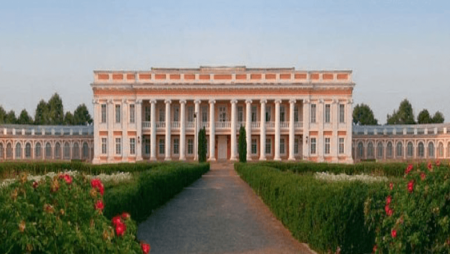
The most interesting nearby attractions include the ruins of Kankiv Castle and Black Mountain itself. Vynohradiv is also home to the historic Perényi Palace and the Church of the Ascension. Thanks to the relatively short distances between these landmarks, they can easily be combined with a hike to the cave during a single day trip.
Templar Cave in Zakarpattia — A Mystery More Fascinating Than the Legend
The flooded Templar Cave is a perfect example of a place where the popular tourist name tells only part of the story. There really is a man-made underground passage, a flooded pool known as the "Sea Eye," cross-shaped markings carved into the walls, and numerous features whose origins remain unexplained. However, there is no conclusive evidence that the cave was created or used by the Knights Templar. And perhaps that is precisely what makes this place even more intriguing. Instead of a straightforward explanation, visitors encounter a genuine historical mystery. The Knights Templar were indeed part of the medieval history of the Kingdom of Hungary, but the cave on Black Mountain most likely originated during a different period.
Over time, an entire collection of legends developed around this real underground structure: hidden Templar gold, mysterious doors, flooded passages, an underground tunnel leading to the Tysa River, a German military watchtower, and unexplained phenomena inside the cave. Although historians have found no reliable evidence supporting most of these stories, they have become part of the cultural memory of Black Mountain and Vynohradiv. That is why the cave is worth visiting for much more than the legend of a knightly treasure. It is far more fascinating to discover the small opening in the rock, walk through the man-made corridor, reach the dark waters of the "Sea Eye," and realize that you are standing inside a structure whose original purpose remains a subject of historical debate and speculation.
Moreover, a trip to the cave offers an entirely different perspective on Vynohradiv and Black Mountain. The ruins of Kankiv Castle, old forest trails, volcanic slopes, Perényi Palace, and the town's historic center together create a fascinating route where nature, medieval history, and local folklore constantly intertwine. The name "Templar Cave" should therefore be understood not as a definitive historical conclusion, but as an invitation to explore. Perhaps the gold of the Knights Templar was never hidden inside Black Mountain. Yet the real mystery of this remarkable place — who carved the underground passage, when it was created, and what purpose it originally served — has proved no less captivating than the legend of buried treasure.

No Comment
You can post first response comment.