
 English
 Українська
 Български
 Hrvatski
 Čeština
 Dansk
Dansk Nederlands
 Eesti
Eesti Русский
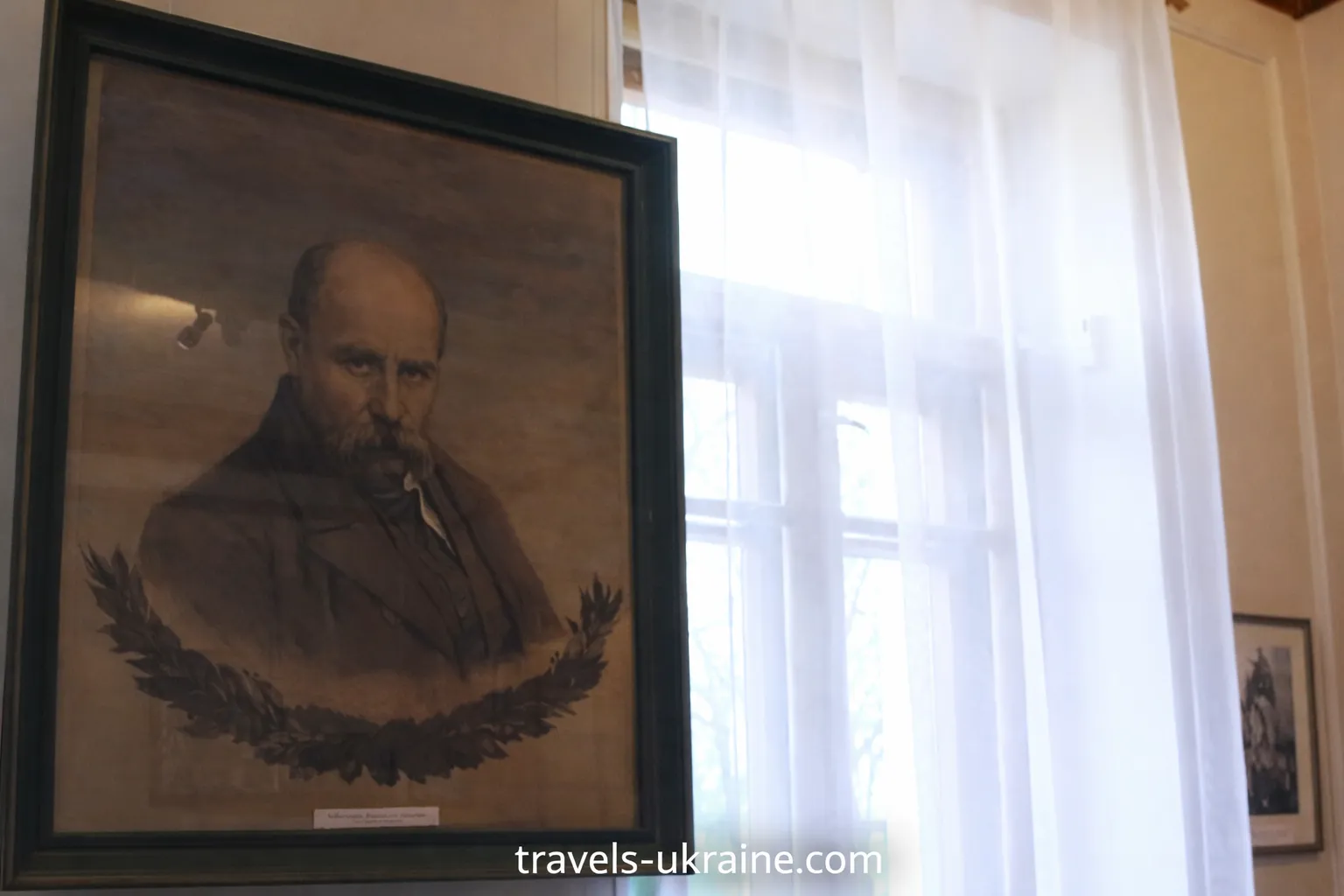
There are places people travel to not only for impressions, but for an inner sense of connection with the country. The National Reserve “Taras Shevchenko’s Homeland” is exactly that kind of destination. It is not simply a museum space or a single landmark, but a living territory of memory where Ukrainian culture, Ukrainian history, ethnography, and the personality of the Kobzar come together in a complete and deeply human story. Here, the journey begins not at the ticket office or a signpost, but with the feeling that you have arrived in the very place where one of Ukraine’s defining voices first took shape.
The Shevchenko Reserve in the Cherkasy region brings together sites connected with Taras Shevchenko’s childhood and family history, which makes a trip here especially valuable for those who want to see more than textbook pages and discover the real environment in which the future poet grew up. That is why an excursion to the Taras Shevchenko’s Homeland Reserve often becomes more than an ordinary weekend outing — it turns into a deeper encounter with how national memory is born. For some, it will be a cultural route; for others, a family trip; and for some, it will be the long-awaited tour of Shevchenko sites that helps them rediscover the Cherkasy region.
Why Shevchenko’s historical and cultural reserve is worth a trip of its own
The Historical and Cultural Reserve “Taras Shevchenko’s Homeland” draws visitors not with grandeur, but with depth. What matters here is not only the fact that it is a national landmark, but also its atmosphere: rural scenery, the traditional Ukrainian house, memorial homesteads, museum spaces, old roads, trees, views, and a silence that somehow helps you understand Shevchenko’s figure more clearly. That is the special value of this place for those who choose cultural tourism in Ukraine: it does not impose emotions, but allows them to arise naturally.
In a broader sense, this Shevchenko memorial site should be seen not as a set of separate exhibitions, but as a tourist route through historical memory. It is easy to combine an educational trip here with family leisure, an introduction to folk architecture, ethnographic details, and the natural surroundings of central Ukraine. That is why, further on in this article, we will look at everything step by step: the history of the reserve’s creation, its distinctive features, interesting facts, events, what to see, what to visit nearby, how to prepare for the trip, and why this journey often stays with you longer than many heavily promoted tourist attractions.
The Reserve “Taras Shevchenko’s Homeland”: the story of its creation
The history of the reserve effectively begins with the history of the homestead where Taras Shevchenko spent his childhood years. In truth, this farmstead was not the Shevchenko family’s ancestral estate “for generations untold”, as one might romantically imagine, but belonged to a peasant named Teteryuk, from whom Taras’s father, Hryhorii Ivanovych Shevchenko, bought it in 1816.
There was a house here, along with farm buildings, an apple tree, and a barn — in other words, a fully fledged peasant household, not merely a hut and a patch of land. It was here that the part of Shevchenko’s life began which would later grow into his memory, imagery, and words.
After the death of his parents, the homestead was inherited by the eldest son, Mykyta, and later passed to his children. The story of this home turned out to be very truthfully Ukrainian: first an ordinary peasant yard, then a family inheritance, and in time a place people no longer came to for household matters, but to better understand Shevchenko’s path.
So it is fair to note that the National Taras Shevchenko Reserve has a history that begins not with a museum institution, but with the memory of the real places of Taras Shevchenko’s childhood. It was in the villages of Moryntsi and Shevchenkove, as well as in Budyshche and Vilshana linked to him, that the space where the future Kobzar was shaped was preserved. Later, these locations became the basis for a major state effort aimed at the preservation of Shevchenko’s heritage.
Officially, the State Historical and Cultural Reserve “Taras Shevchenko’s Homeland” was established by a resolution of the Cabinet of Ministers of Ukraine on 25 March 1992, and its foundation was formed from the cultural heritage and natural sites of the Zvenyhorodka district in the Cherkasy region.
At the same time, the history of this place runs deeper than the date of the institution’s creation. In Shevchenkove, the Taras Shevchenko Literary and Memorial Museum has existed since 1939, while in Moryntsi, memorial homesteads began to be reconstructed in the second half of the twentieth century in order to return to visitors not an abstract image of the poet, but the tangible environment of his early years. That is why Shevchenko’s historical and cultural reserve is now perceived as a space where authentic historical memory, museum work, and a deep respect for the Ukrainian rural landscape all come together.
How Taras Shevchenko’s historical and cultural reserve in the Cherkasy region took shape
The organiser of the effort to preserve the place where the house of Taras Shevchenko’s parents once stood was a feldsher named Netesiuk, who worked at the Kerelivka zemstvo hospital. It was around him that a community gathered which, despite official bans, took up the cause with such determination that today’s civic initiatives could only nod in approval. People wanted not a formal mention, but a worthy tribute to the memory of the Kobzar — without loud slogans, but with real work.
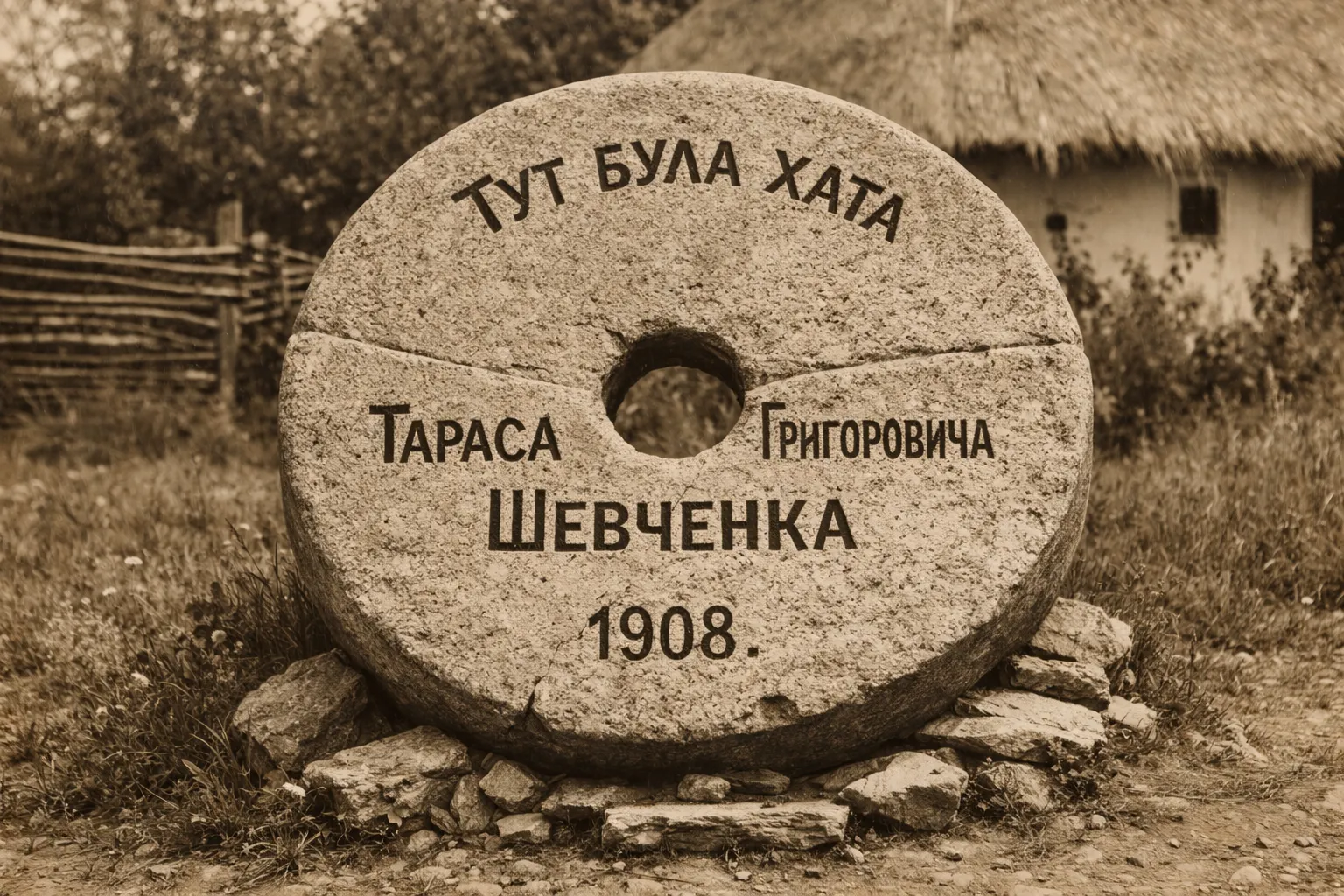
The place where the little house had stood was fenced off, tidied up, and turned into a flower garden. In other words, everything was done properly and humanely: so that it would not be swallowed by weeds, and so that everyone who came here would see not just a patch of land, but a place of memory. Then, in 1908, the community installed here the first memorial marker to T. Shevchenko — a millstone bearing the inscription: “Here stood the house of Taras Hryhorovych Shevchenko”. It was a remarkably apt symbol: without unnecessary pomp, yet solid like folk memory itself, which, thankfully, is not as easy to erase as a bureaucrat’s passing mood.
The appearance of the reserve was only natural: Ukrainian culture had long needed not only separate monuments to the Kobzar, but the integral preservation of the places connected with his origins. Thus, the Taras Shevchenko Reserve emerged as a response to the need to preserve not just a single museum building, but an entire system of Shevchenko memorial sites. For travellers, this matters because it makes it possible to see not only an exhibition, but also the context: the villages where the Shevchenko family lived, what daily life was like, what a traditional Ukrainian house looked like, and what the natural surroundings of the Cherkasy region were like at the turn of the eighteenth and nineteenth centuries.
In this sense, the Shevchenko museum-reserve has become one of the most important centres for understanding Ukrainian history through a personal biography. This is a place that does not separate the poet from the land where he grew up. On the contrary, it emphasises that Taras Shevchenko’s path began in a rural world with its labour, family dramas, folk language, songs, customs, and the environment that later entered his poetry and artwork. That is why the Shevchenko Reserve, Cherkasy region matters not only as a museum, but as an important element of Ukraine’s historical heritage.
So the logical outcome of this historical journey was the formal establishment of the reserve as a fully fledged historical and cultural institution of national importance. An important milestone was Presidential Decree No. 74/2006 of 26 January 2006, which officially granted the reserve national status. It was from that point that this landmark received its modern name — the National Reserve “Taras Shevchenko’s Homeland”.
Shevchenko Historical and Cultural Reserve: a brief guide for those planning an excursion
The National Shevchenko Reserve is not a single building or a “fifteen-minute” museum, but an extensive cultural destination that brings together the Shevchenko sites of the Cherkasy region. That is why an excursion to the Taras Shevchenko Reserve is best experienced as a full journey, where not only the exhibitions matter, but also the drives between villages, the landscape, the memorial homesteads, and the overall atmosphere of this historic area.
In format, this is a historical and cultural reserve in the Zvenyhorodka district that combines memorial homesteads, museum sites, and open rural space. For adult travellers, it is above all a route about Ukrainian culture, Ukraine’s historical heritage, and ethnography. For families with children, it is a good chance to show that the Kobzar begins not only with a school portrait, but with a very real yard, house, garden, and the road between villages. And for those who enjoy slow travel, it is almost the ideal weekend tour of Shevchenko sites: unhurried, yet full of meaning.
The most convenient format for visiting the Taras Shevchenko’s Homeland Reserve is a one-day trip if you plan to see the main locations, or a two-day route if you want to move at a calmer pace, stop for photos, explore the museums without rushing, and at the same time visit other tourist sites in the Cherkasy region. If, on the other hand, you try to squeeze everything in “within an hour”, the reserve will not be offended, of course, but you will miss the main thing — the sense of space people actually come here for.
How much time to allow for the Shevchenko Reserve, accessibility, and trip budget
The Shevchenko Reserve, Cherkasy region takes time, and that is one of its advantages rather than an inconvenience. For a short introductory visit to one or two key locations, it is usually worth allowing 2–3 hours. If you are planning a fuller programme including Moryntsi, Shevchenkove, and additional points on the route, it is better to have 4–6 hours or even a full day. For school groups, families, and those who want to read everything carefully, take photographs, and not dash from house to house like someone late for the last bus, a full day is the most sensible choice.
In terms of difficulty, this is an easy tourist destination. No special equipment, serious physical training, or heroic mood is required. The main challenge is the logistics between sites if you are travelling without your own car. The locations themselves are suitable for families, older travellers, school groups, and those who prefer cultural tourism without too much physical effort. It is best to wear comfortable shoes, as part of the route runs not along polished city pavements, but through areas where the historic atmosphere decisively outshines the asphalt.
As for the budget, the trip can be planned in a moderate format. The main expenses usually consist of transport, food, and entry tickets/excursions. At the same time, it is important to keep in mind that prices, opening hours, and visiting conditions may change, and the reserve’s official website was unavailable at the time of checking, so the most reliable way to confirm details is by phone with the administration.
Photo and video gallery
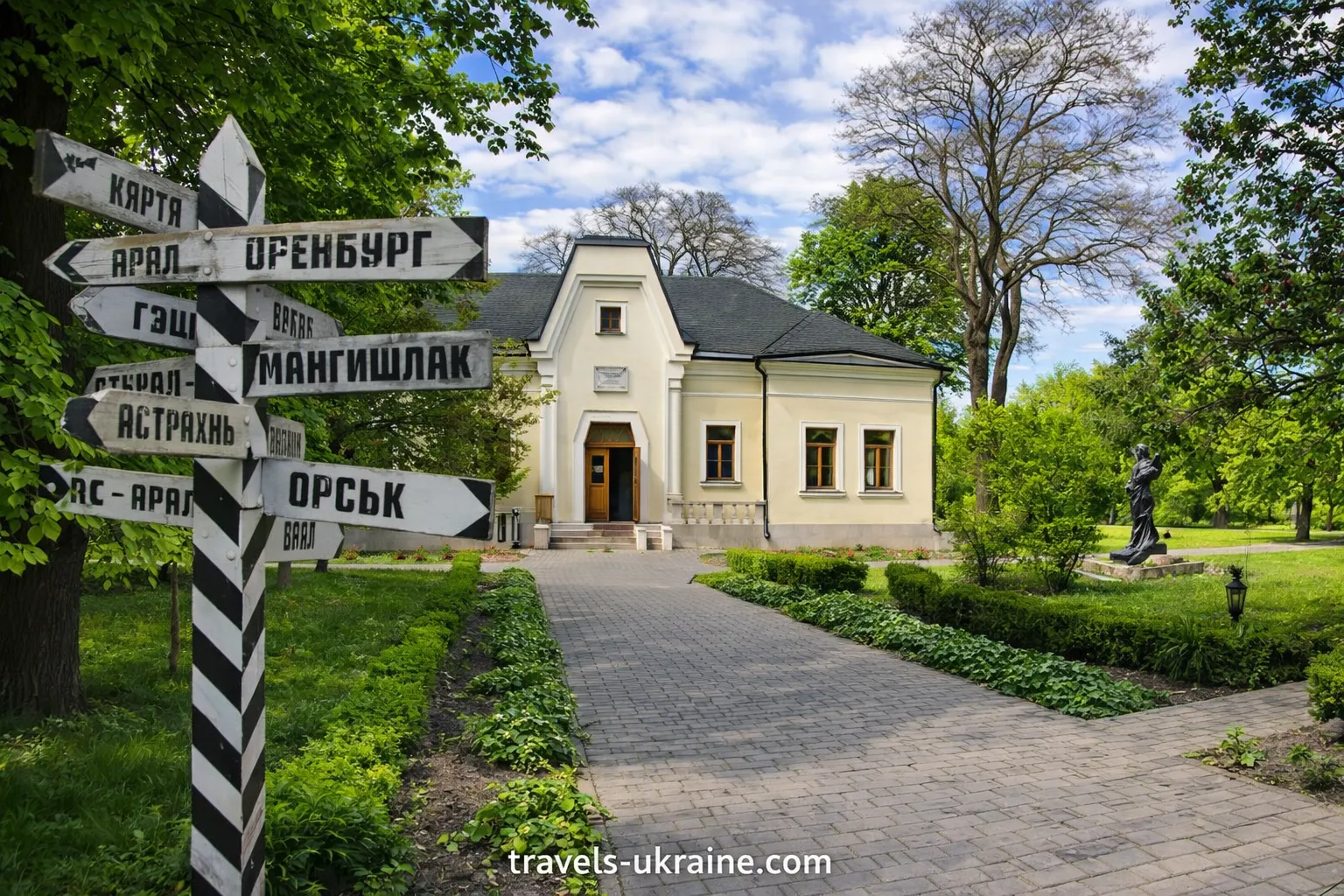
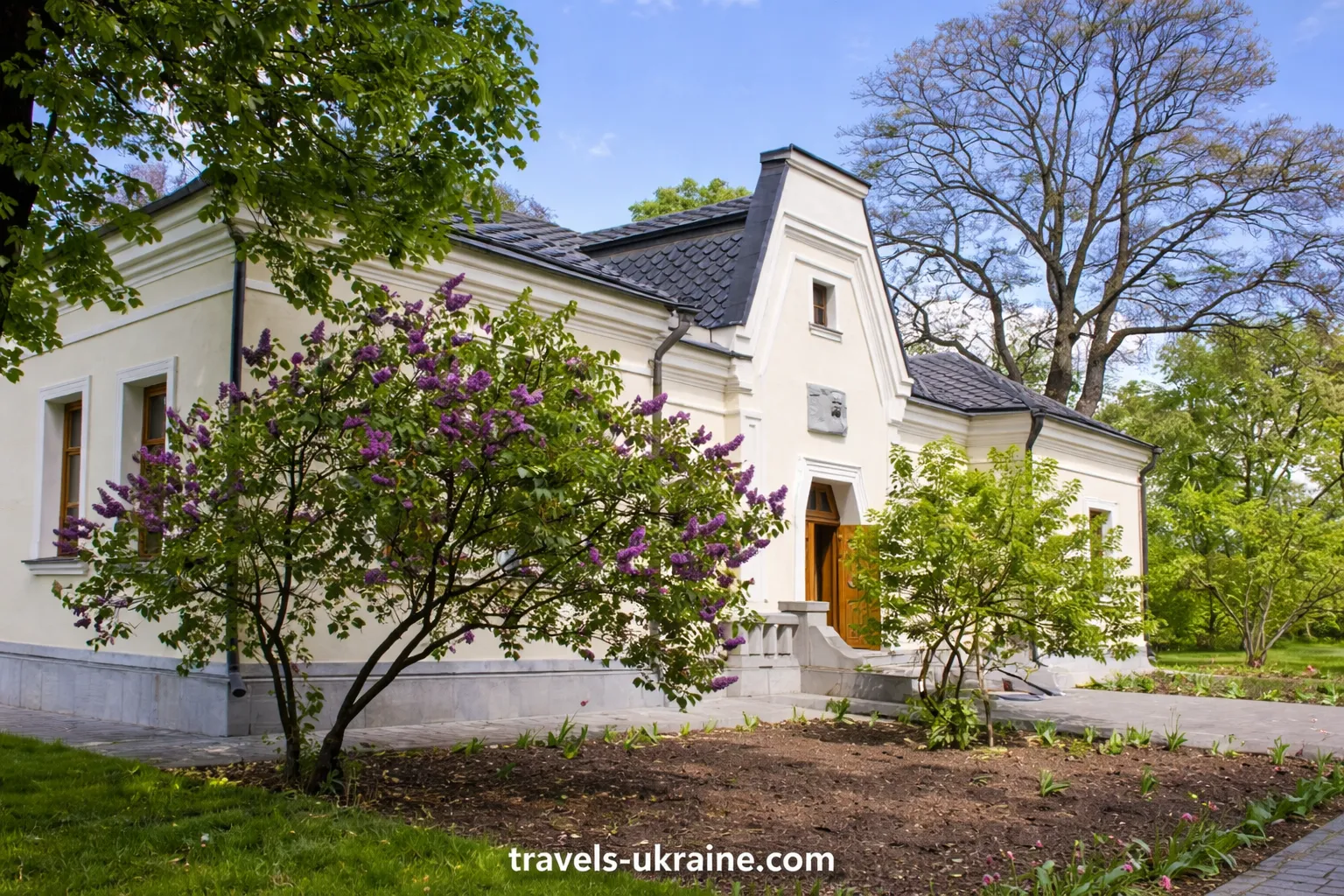
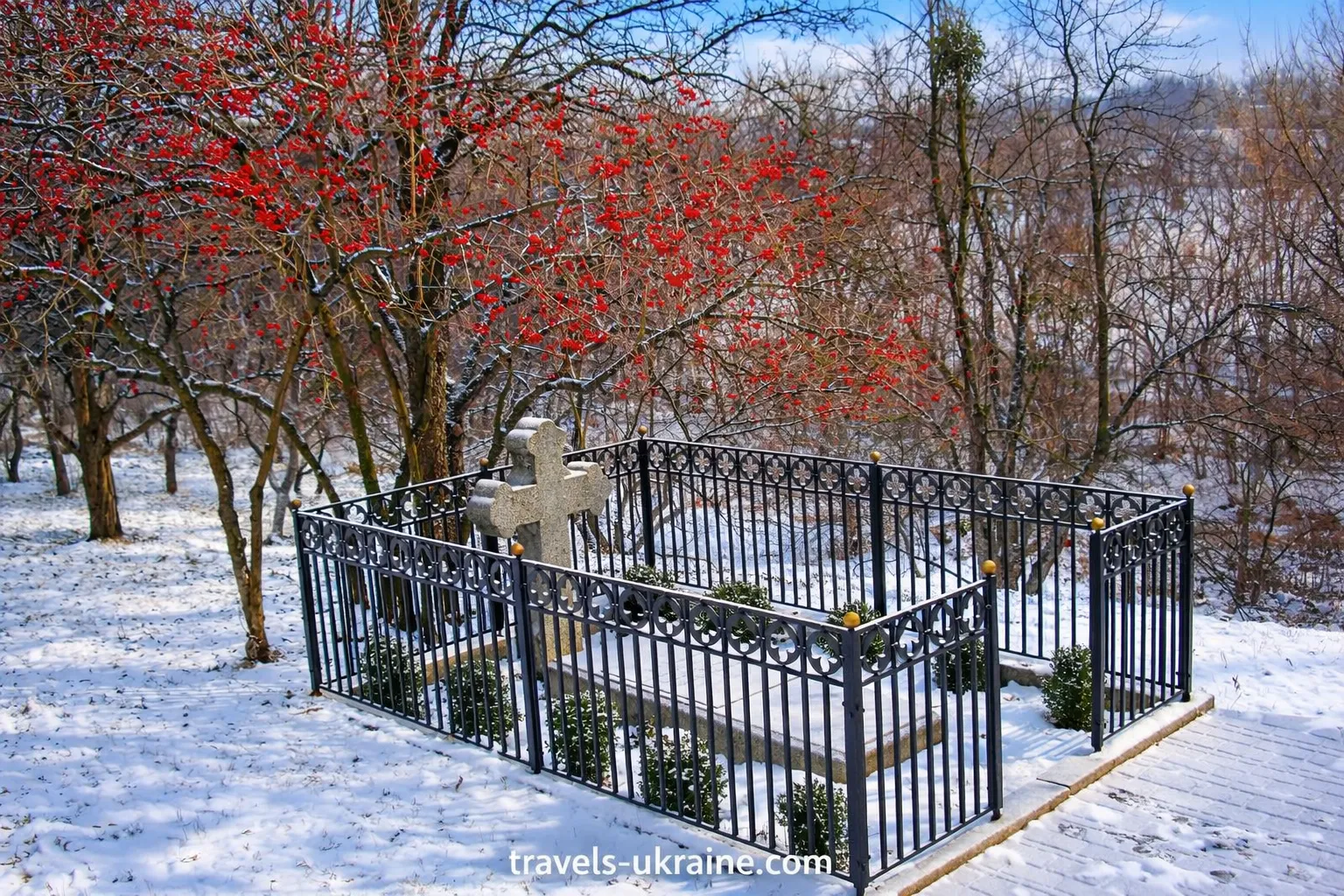
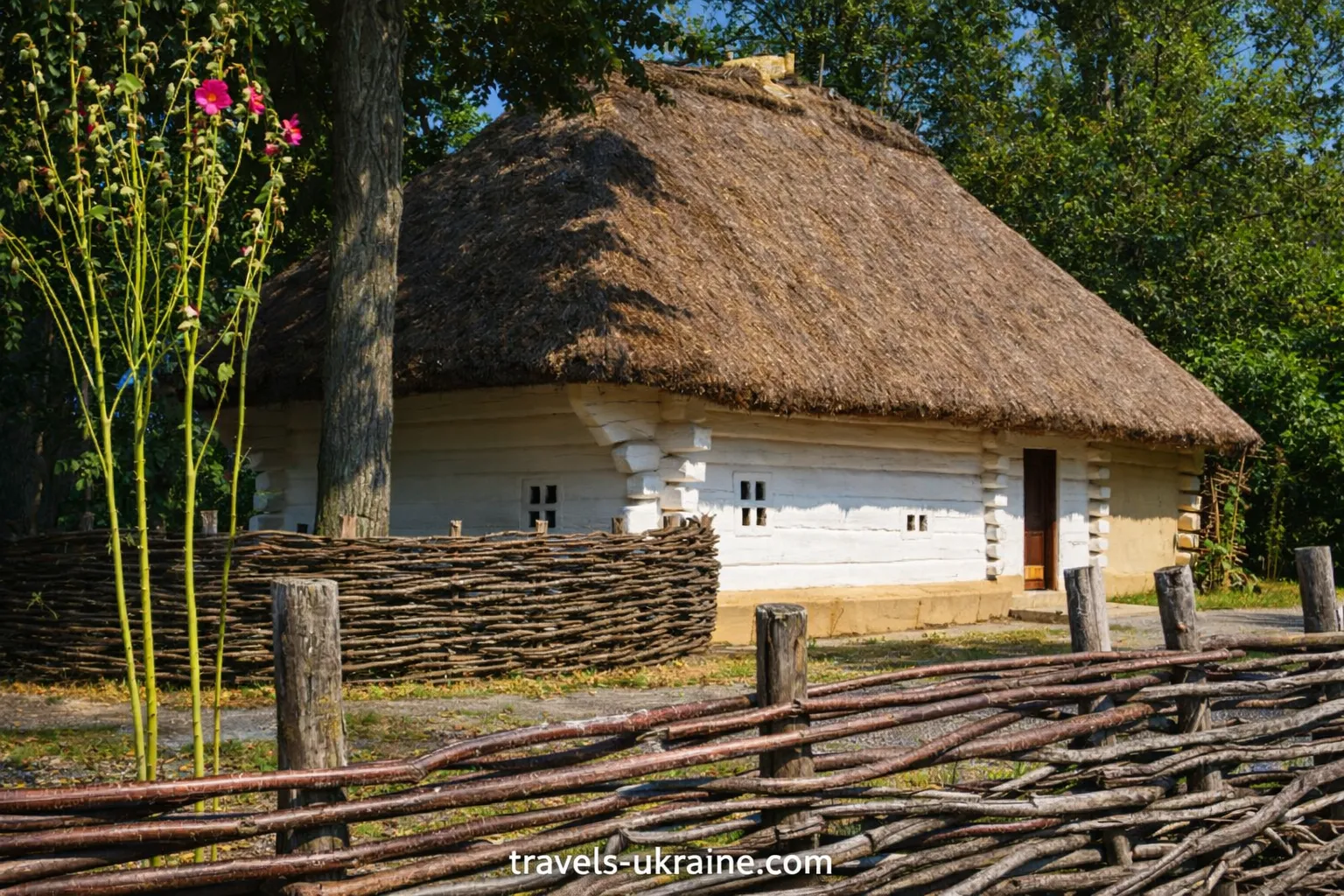
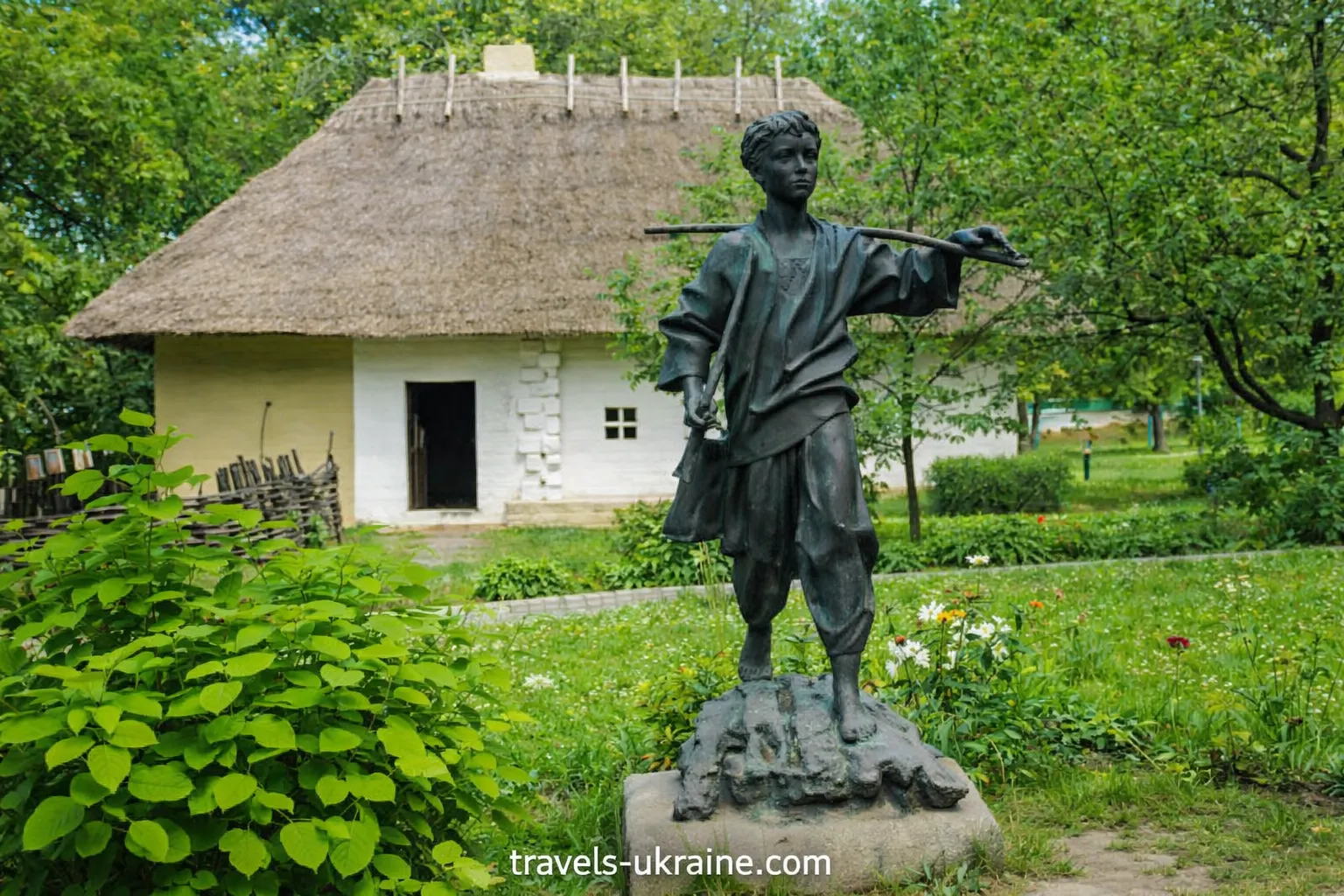
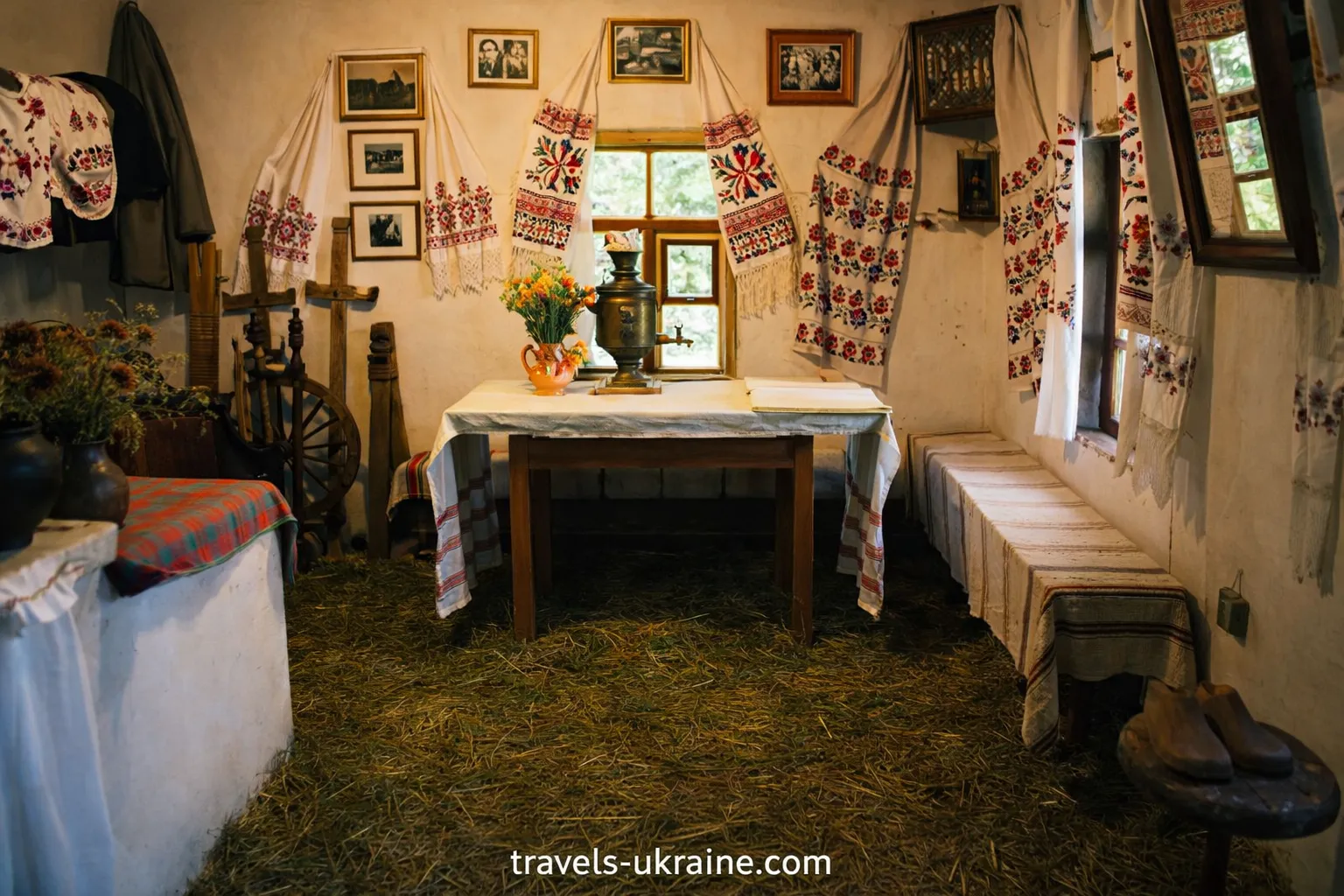
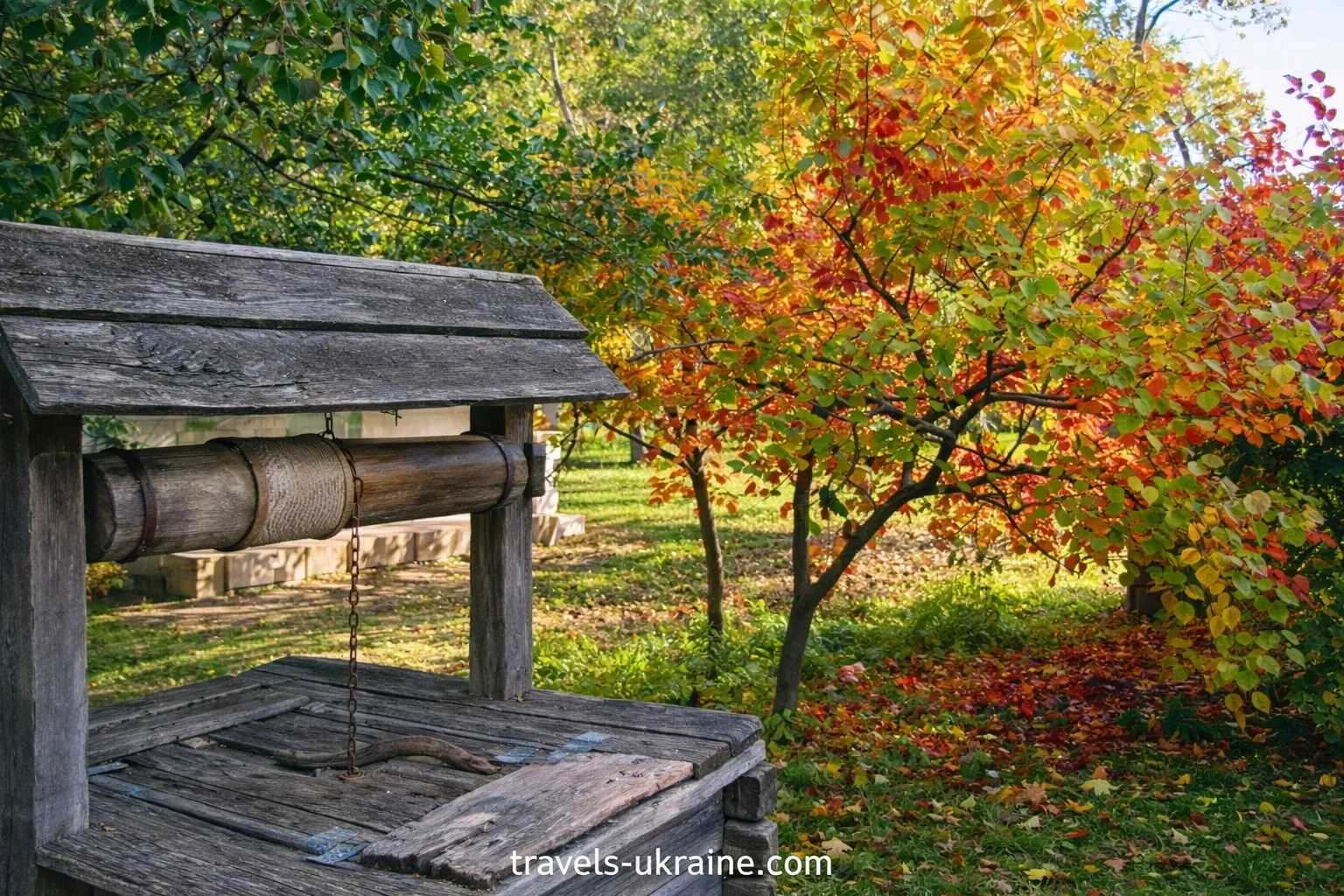
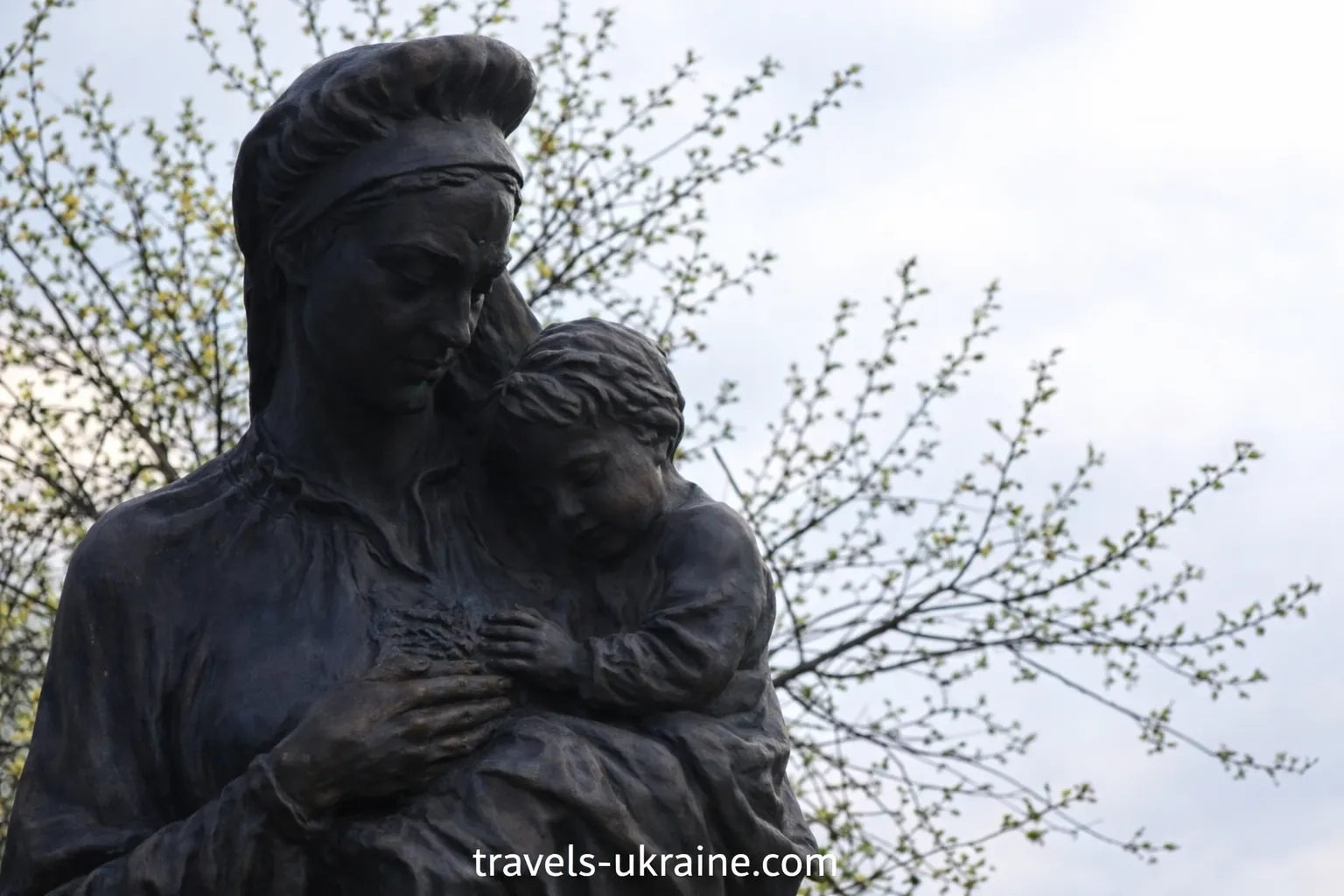
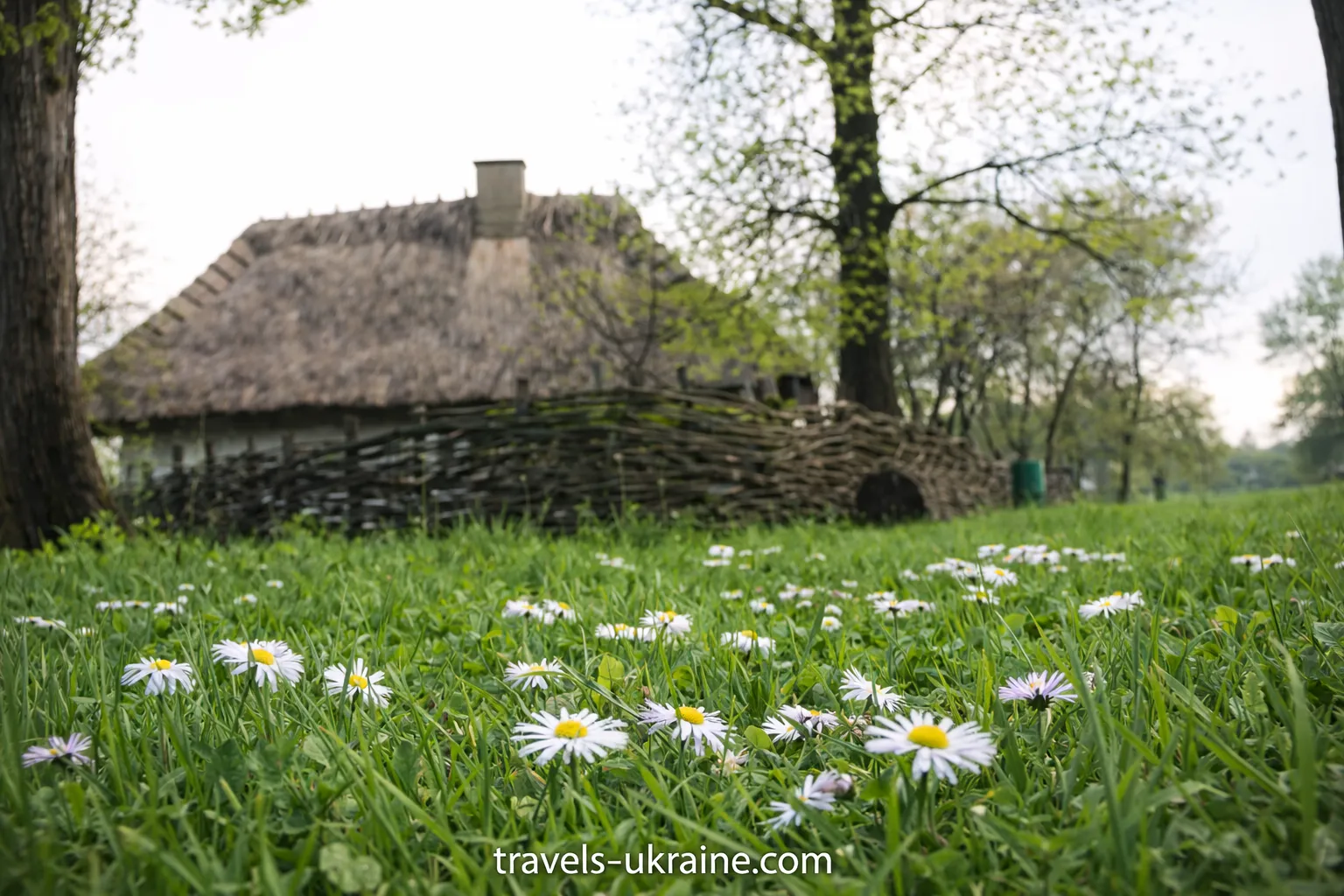
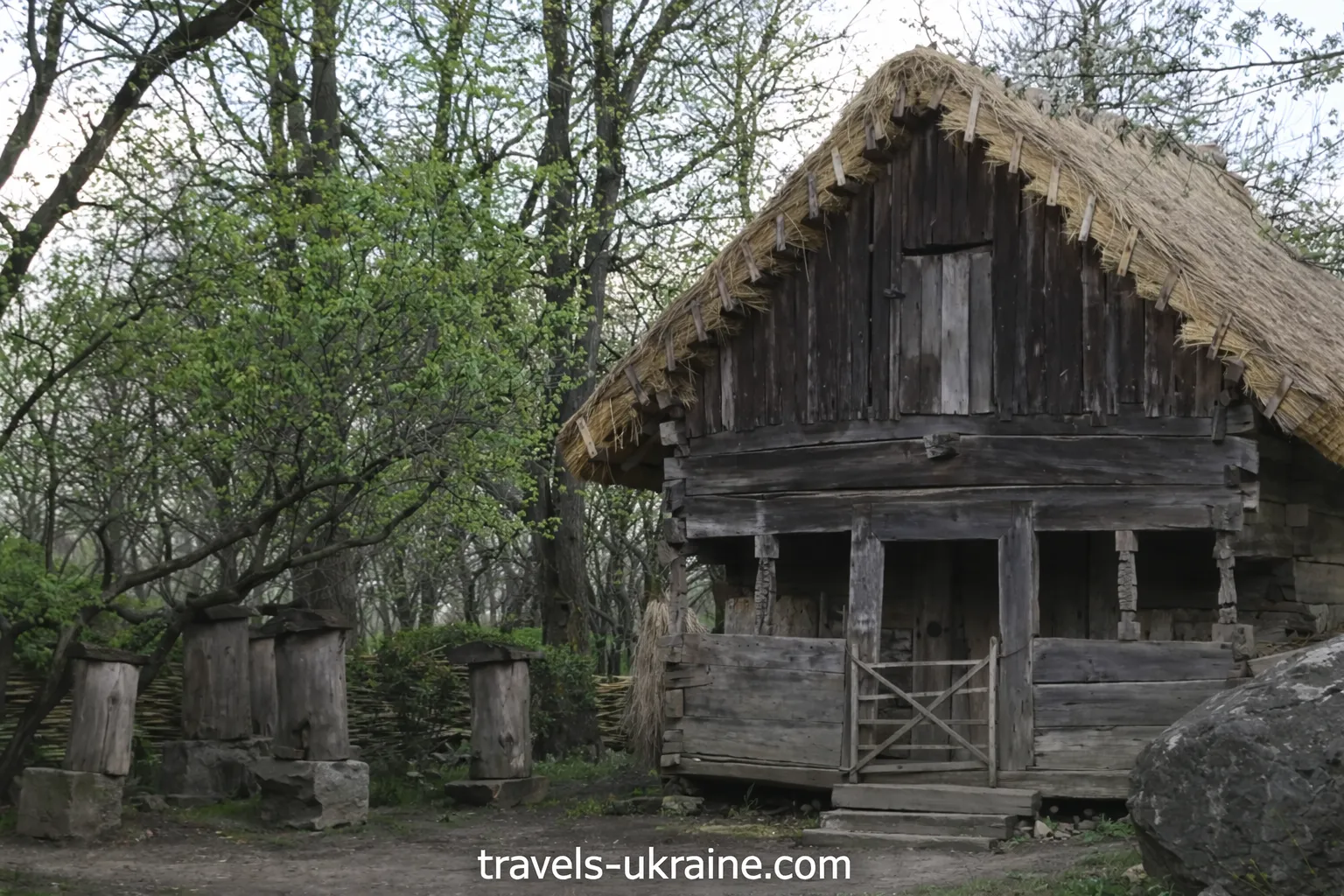
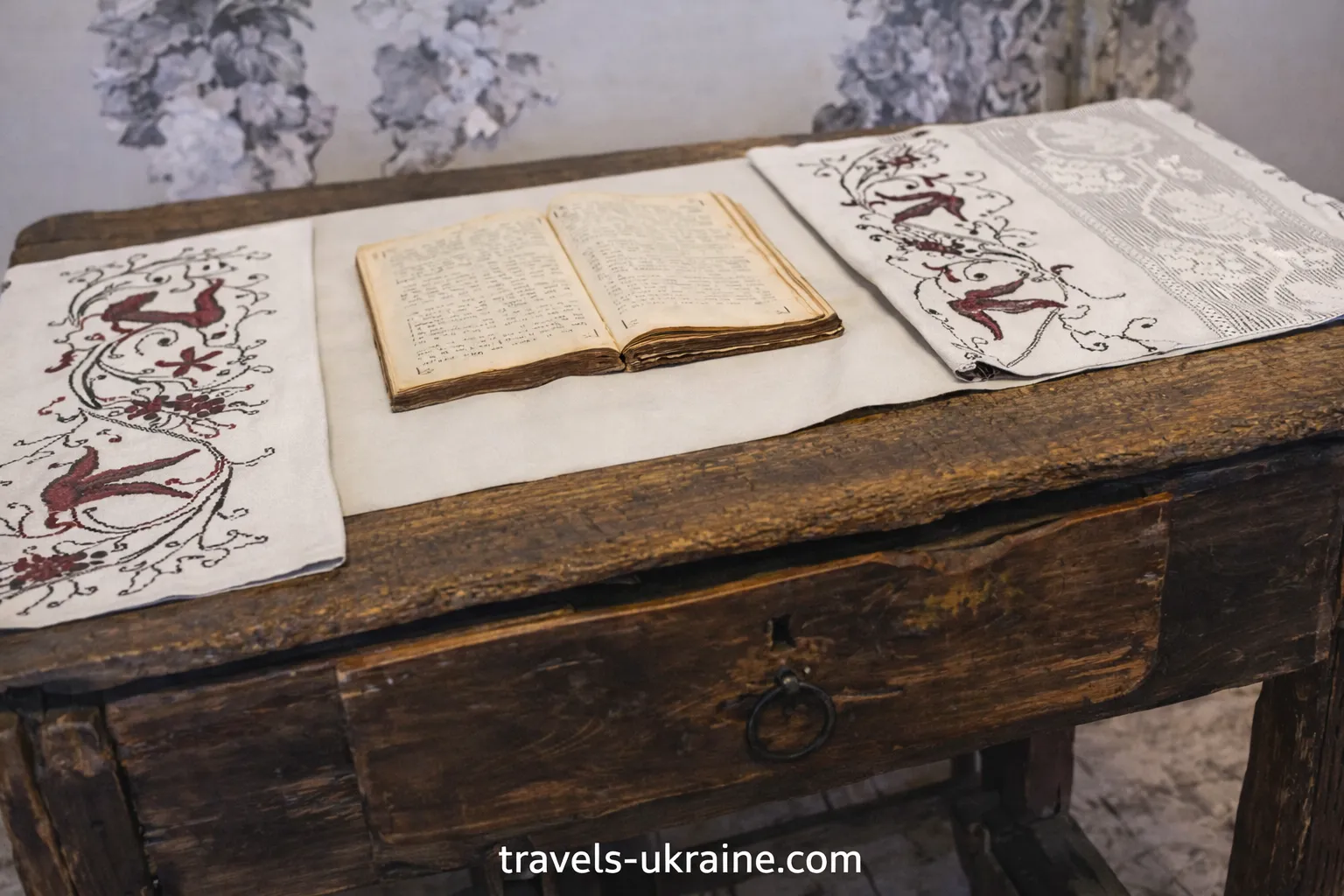
National Reserve “Taras Shevchenko’s Homeland”: what to see
The National Taras Shevchenko Reserve is a place where the route cannot be reduced to the formula “came in, looked around, left”. It matters here to move slowly, because the main impression is born not only in the museum halls, but also between them: in the yard, by the house, on a path between the trees, in a glance at the rural landscape. That is why an excursion reveals itself best when you do not try to rush through the route at the pace of someone determined to fit in “three more locations before lunch”. This journey is more about immersion than about haste.
The format of a thoughtful walk works particularly well here, when you read the information boards, listen to the guide’s tour, examine the interiors, photograph details of rural architecture, and simply allow yourself to spend a little time in a different rhythm. For many travellers, this is one of the place’s greatest appeals: the reserve does not demand that visitors be constantly “entertained”, but instead offers a rare opportunity to focus properly.
What to see first at the Shevchenko Reserve in the Cherkasy region
The historical and cultural reserve includes 43 cultural heritage sites — and each of them adds its own historical meaning to this destination. That is why travellers here do not need to search for what to see first: the museum complex is quite literally built from places of scientific, cultural, and memorial significance. Added to this is a rich collection of over 7,800 stored items. So what opens before the visitor is not simply a museum route, but an entire world of Shevchenko’s era, revealed through objects, space, the details of everyday life, and living historical memory.
Since the total area of the museum-reserve reaches 27.3 hectares, it is worth beginning your visit with the key memorial sites — above all Shevchenkove and Moryntsi. In Shevchenkove, the literary and memorial museum, the space of the parental homestead, memorial markers, and objects that help explain the way of life in which the poet’s childhood passed all draw particular attention. In Moryntsi, special interest centres on the Shevchenko Museum in Moryntsi and the recreated setting of Taras Shevchenko’s birth. Together, these locations provide the fullest impression of how the environment from which the Kobzar emerged was formed.
Special attention should also be paid to the traditional Ukrainian house, farm buildings, yards, gardens, and small everyday details. These are exactly the elements that best explain why the Historical and Cultural Reserve Taras Shevchenko’s Homeland is so emotionally powerful. There is no need to invent a mood for yourself here — the environment creates it on its own. Sometimes even an ordinary bench by the house works better than a long lecture, because in it lies the whole of Ukrainian history in miniature: simple, modest, yet strikingly convincing.
For families with children, the Shevchenko Memorial Reserve is especially engaging because history here can not only be read about, but quite literally seen. It is easier for a child to imagine the past when they are standing before not a paragraph in a textbook, but a real yard, house, barn, old orchard, or the road between villages. For adults, this format offers the chance not merely to “revise Shevchenko’s biography”, but to understand what the environment looked like in which nineteenth-century Ukrainian culture was taking shape.
National Reserve “Taras Shevchenko’s Homeland”: what you can visit nearby
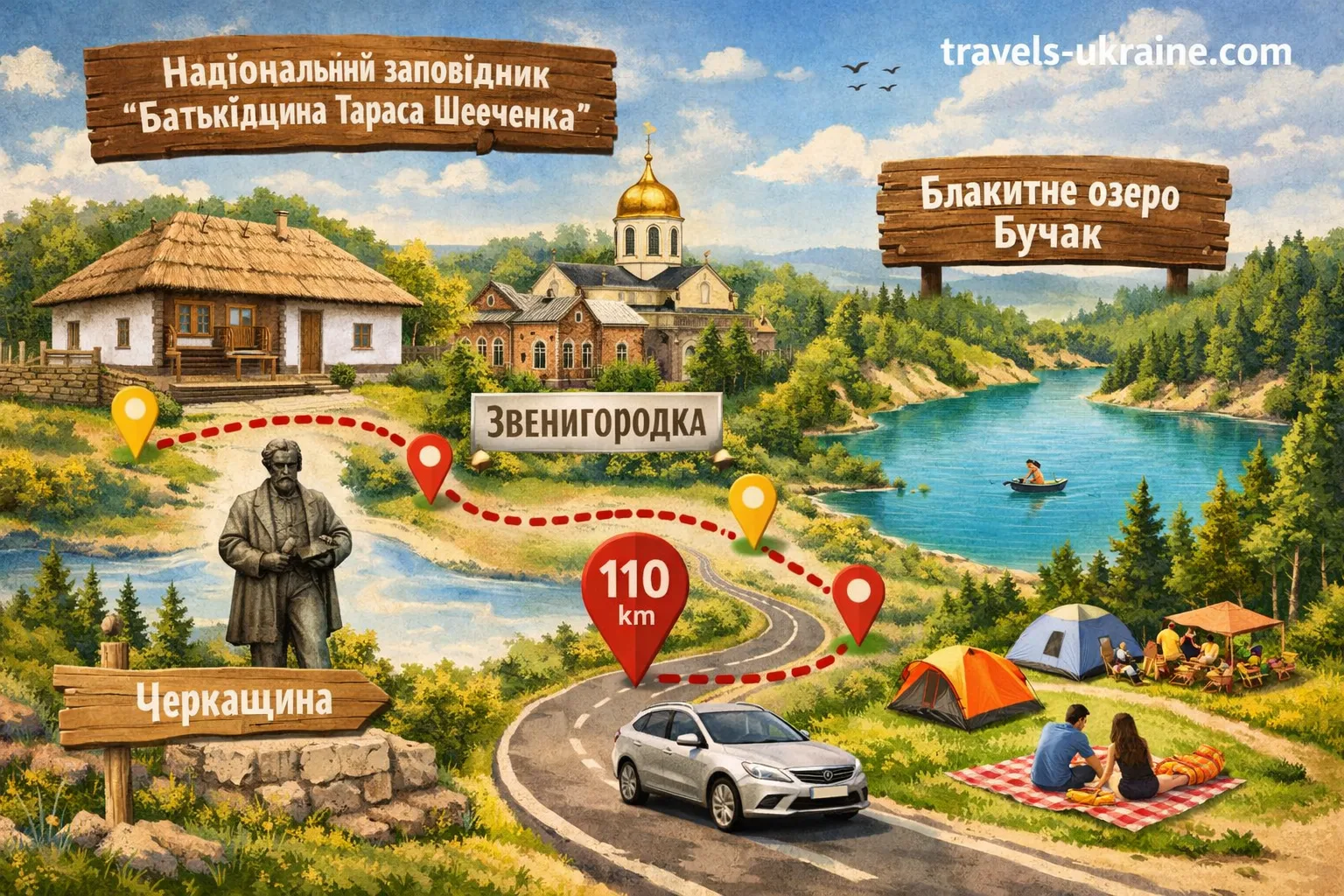
The National Reserve “Taras Shevchenko’s Homeland” is a route that works well not only on its own, but also in combination with other locations in the Cherkasy region. That is why it is convenient to plan a trip here as a one-day or two-day journey with several stops. If you are already heading towards Shevchenko’s places, it makes perfect sense to see a little more than just one homestead and one museum. In this sense, the Cherkasy region is generous: nearby there are historic villages, natural landscapes, shrines, places for peaceful relaxation, and other landmarks that complement the main route without making it feel as though you are trying to squeeze half of Ukraine into one day.
First of all, it is worth continuing the route through Shevchenko sites, because the reserve in the Zvenyhorodka district is especially valuable precisely for its multi-location format. If you have already visited Shevchenkove, the logical next stop is Moryntsi — Taras Shevchenko’s birthplace, where the space connected with the poet’s early years has been recreated. It is also well worth driving on to Budyshche, which is likewise closely tied to the Kobzar’s biography and preserves important memorial features. Such a route allows you to see not just one museum site, but an entire map of Shevchenko’s childhood and youth.
That is exactly where the strength of this destination lies: a tourist tour of Shevchenko sites does not end after the first point, but continues naturally. For travellers, this is extremely convenient, because there is no need to invent something to “fill out the route” — it is already built into the history itself. And, pleasantly enough, this is a rather rare case when the phrase “what to see nearby” does not require strained answers.
Zvenyhorodka and the surrounding area: where to stop after an excursion around the Shevchenko Reserve
Once the main Shevchenko memorial sites and the villages connected with him have been explored, it is worth turning your attention to Zvenyhorodka — a town that often becomes a convenient base for the trip. Here, you can pause for lunch, rest, pick up supplies for the road, or simply rethink the next part of your route. For travellers, this is practically important: combining a memorial journey with an urban stop makes the day more comfortable, especially if you are travelling with children or older relatives.
It is also worth looking at other local destinations in the Cherkasy region that can be added depending on your time and interests: old churches, rural views, natural spots for an unhurried walk, small local museums, or viewpoints in the direction of neighbouring villages. This is not an essential part of the route, but it is often what makes a journey through the Cherkasy region feel more alive. Sometimes, after all, what stays with you best is not only the main attraction, but also that cosy little detour you had not planned at first and then remember for a long time afterwards.
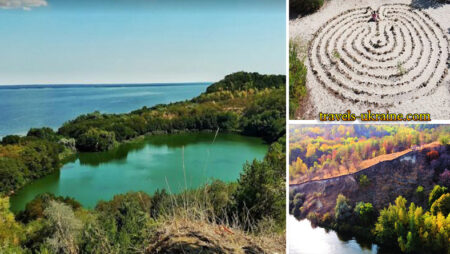
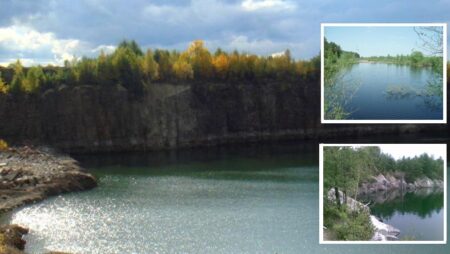
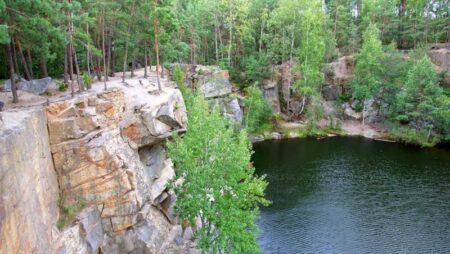
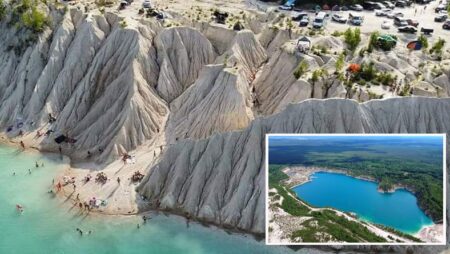
The Cherkasy region for travellers: Buchak Blue Lake, if you want more nature
The Cherkasy region suits those who enjoy combining cultural tourism with peaceful time in nature. After the richer part of the day in the reserve, you can devote a little time simply to views, photo stops, or relaxing by the lake. And this is exactly where Buchak Blue Lake becomes the ideal option. This format is especially popular with families and couples: on the one hand, the day has a clear cultural purpose, and on the other, it does not turn into a frantic dash between locations.
So if, after visiting the National Reserve “Taras Shevchenko’s Homeland”, you feel like adding nature, silence, and fresh impressions to your trip, it is worth considering Buchak Lake. From the reserve to this location, it is approximately around 110 km by car, so it works well as a separate additional stop for those planning a fuller route through the region. The lake attracts visitors with its scenic views, calm atmosphere, and the chance to exchange a museum mood for open-air relaxation.
In favourable weather, camping, swimming, and a picnic are all possible here, and the trip format suits families, couples, and travellers who like combining cultural tourism with natural locations. In short, if after Shevchenko’s places your soul is asking not for another display case but for water, open space, and a blanket on the grass, Buchak can become a very fitting continuation of the route.
A visit to the reserve “Taras Shevchenko’s Homeland”: rules and etiquette
The National Reserve “Taras Shevchenko’s Homeland” is a space of historical memory, where it is especially important to behave with respect for the place, the people, and the atmosphere itself. That is why the visiting rules here are best understood not as a formality, but as part of the cultural experience. The place is valued not only for its exhibitions, but also for its silence, sense of focus, neatness, and that feeling of dignity that accompanies the entire journey. In other words, it is like coming as a guest to great history: you should behave in a way that feels pleasant both for you and for history itself, so that it does not quietly decide to close the door.
During a visit to the Historical and Cultural Reserve Taras Shevchenko’s Homeland, it is worth following the basic rules of respectful cultural behaviour. Above all, this means taking care with the museum sites, memorial homesteads, interiors, and the entire grounds. Visitors should not touch exhibits without permission, enter areas closed to the public, leave rubbish behind, or behave too loudly in places where people come not only to look, but also to feel a connection with Ukrainian history. For families with children, this is also a good chance to gently explain that respect for heritage sites is not a strict “don’t”, but simply a normal habit of a cultured person.
Special care is needed around the memorial houses, old farm buildings, museum interiors, and areas of historic landscape. It is important to remember that even a small act of carelessness can damage something that has been preserved for decades. So if you are very tempted to lean against an old fence “just for a second”, it is still better to refrain: history has already endured quite a lot, and there is no need to test its strength with our enthusiasm as well.
Photography, excursions to the reserve, and respect for other visitors
An excursion to the Taras Shevchenko’s Homeland Reserve is often accompanied by photo stops, and that is entirely natural: the location is highly photogenic, especially thanks to the traditional Ukrainian house, the rural scenery, and the memorial spaces. Still, it is best to take photographs in a way that does not disturb other visitors or disrupt the inner rhythm of the museum space. Some rooms may have separate rules regarding photography or filming, so before taking photos or videos, it is wise to look out for signs or ask the staff.
Respect for other tourists is no less important here than respect for the exhibits. If someone is listening to the guide or simply wants to enjoy a moment of silence, they are unlikely to appreciate feeling as though they have become part of someone else’s noisy picnic. That is why a calm tone of voice, politeness, attentiveness to the space, and the ability not to take over the whole frame and the whole corridor at once are small things that in fact greatly shape the overall impression of the visit.
Frequently asked questions about the National Reserve “Taras Shevchenko’s Homeland”
Where is the National Reserve “Taras Shevchenko’s Homeland” located?
The National Reserve “Taras Shevchenko’s Homeland” is located in the Cherkasy region, within the Zvenyhorodka district. The main Shevchenko sites most often visited by tourists are connected with the villages of Shevchenkove and Moryntsi. It is here that the key memorial sites are concentrated, revealing Taras Shevchenko’s childhood years and the historical environment in which the future Kobzar was formed.
How much time is needed for an excursion to the Taras Shevchenko’s Homeland Reserve?
For a short introduction to the main locations, 2–3 hours is usually enough. If, however, you want to visit several Shevchenko sites, explore the museum exhibitions and memorial homesteads at a relaxed pace, and not rush, it is better to allow at least half a day or a full day for the journey. It is precisely at an unhurried pace that this route reveals itself best.
What is the most convenient way to get to the Shevchenko Reserve in the Cherkasy region?
The most convenient way is by private car or as part of an organised excursion, since the route often includes several locations in different villages. An independent trip by public transport is also possible, but it requires more careful planning. If you want to see not only the museum, but the entire Taras Shevchenko Historical and Cultural Reserve, travelling by car is usually the most comfortable option.
What should you see first in the National Reserve “Taras Shevchenko’s Homeland”?
First of all, it is worth seeing Shevchenkove and Moryntsi — these are the main points on the route connected with Taras Shevchenko’s childhood and birth. It is here that the memorial homesteads, museum exhibitions, memorial markers, and the environment that helps explain the everyday life and atmosphere of an early nineteenth-century Ukrainian village are located.
Who is a tour of Shevchenko sites suitable for?
This kind of route is well suited to families with children, couples, school groups, older travellers, history lovers, and anyone interested in Ukrainian culture. It is not a demanding active trip, but a meaningful journey in the format of cultural tourism, where memory, atmosphere, and direct contact with Ukraine’s historical heritage matter most.
Is photography allowed on the territory of the Shevchenko memorial site?
In the open-air areas, photography is usually not a problem, as the scenery, the traditional Ukrainian house, and the memorial sites are highly photogenic. However, some museum interiors may have their own rules regarding photography or filming, so before taking pictures, it is worth paying attention to the information signs or checking with the reserve staff.
Is the route difficult for children and older travellers?
Overall, the route is considered easy and suitable for a wide audience. It does not require special physical preparation, but it does involve walking around the grounds, between homestead areas, and through museum spaces. The main thing is to choose comfortable shoes, avoid overloading the day with too many locations, and leave time to rest.
What time of year is best for visiting the Shevchenko Reserve in the Cherkasy region?
The most pleasant times to visit are spring, early summer, or autumn, when the Cherkasy region is especially scenic and the route is comfortable for an unhurried walk. Spring adds a symbolic mood, summer suits family trips, and autumn attracts visitors with its calm atmosphere and the beautiful colours of the rural landscape.
What can be visited near the Taras Shevchenko’s Homeland Reserve?
Near the main Shevchenko locations, it is worth paying attention to Zvenyhorodka, Budyshche, and other villages on the Shevchenko route, and if you wish, you can combine the cultural journey with time in nature. For example, if you want to add new impressions to the route, you may consider a trip to Buchak Blue Lake, which is located approximately 110 km from the reserve.
What should you take with you on a trip to the Historical and Cultural Reserve Taras Shevchenko’s Homeland?
It is best to bring comfortable shoes, water, a charged phone, a power bank, headwear in warm weather, and a light snack if you are planning a longer route. It also helps to have spare time without rushing, because that is what allows you to truly feel the atmosphere of the place rather than simply moving quickly from one location to another.
National Reserve “Taras Shevchenko’s Homeland”: the journey in summary
The reserve “Taras Shevchenko’s Homeland” is far more than simply a museum route on the map of the Cherkasy region. It is a place where Ukrainian culture stops being an abstract concept and appears in very concrete, living images: in a white house, an old yard, a country road, a memorial marker, an apple tree by the home, and in the very space where the Kobzar’s path once began. That is why a journey here is remembered not for its grandeur, but for its depth — it does not press on the emotions, but gradually opens up Ukraine’s historical heritage to the visitor in such a way that, after the trip, you find yourself wanting to return to what you saw again and again in your thoughts.
An excursion to the Taras Shevchenko’s Homeland Reserve offers a rare chance to see how the connection between a person, the land, family memory, and national culture is born. Everything here works towards a complete impression: the museum, memorial homesteads, the traditional Ukrainian house, ethnographic details, the rural landscape of the Cherkasy region, and the atmosphere of the place itself. Together, all this creates a route suited both to a family trip and to thoughtful cultural tourism, as well as to those who simply want to understand Ukraine a little more deeply than through school quotations.
Taras Shevchenko’s Homeland leaves you not only with photographs and new knowledge, but also with a very important inner feeling of having been present in a genuine space of Ukrainian history. And that is, perhaps, the location’s greatest strength: it does not try to impress artificially, it does not play at decoration, and it has no need of extra pomp. It is enough simply to come, walk through these places, and look around carefully — and it becomes clear why the Shevchenko Reserve in the Cherkasy region matters not only as a national landmark, but as a living point of contact with Ukrainian history.
So if you are looking for a route where Ukrainian history, ethnography, cultural depth, a calm atmosphere, and a sense of authenticity come together, the Historical and Cultural Reserve Taras Shevchenko’s Homeland unquestionably deserves your attention. It is a journey after which you understand not only the figure of Shevchenko better, but the country itself as well.
No Comment
You can post first response comment.