
 English
 Українська
 Български
 Hrvatski
 Čeština
 Dansk
Dansk Nederlands
 Eesti
Eesti Suomi
Suomi Français
 Deutsch
 Ελληνικα
 Magyar
 Íslenska
 Italiano
 Latviešu
 Lietuvos
 Polski
 Português
 Română
 Русский
 Српски
 Slovenčina
 Slovenščina
 Español
 Svenska
 Türkçe
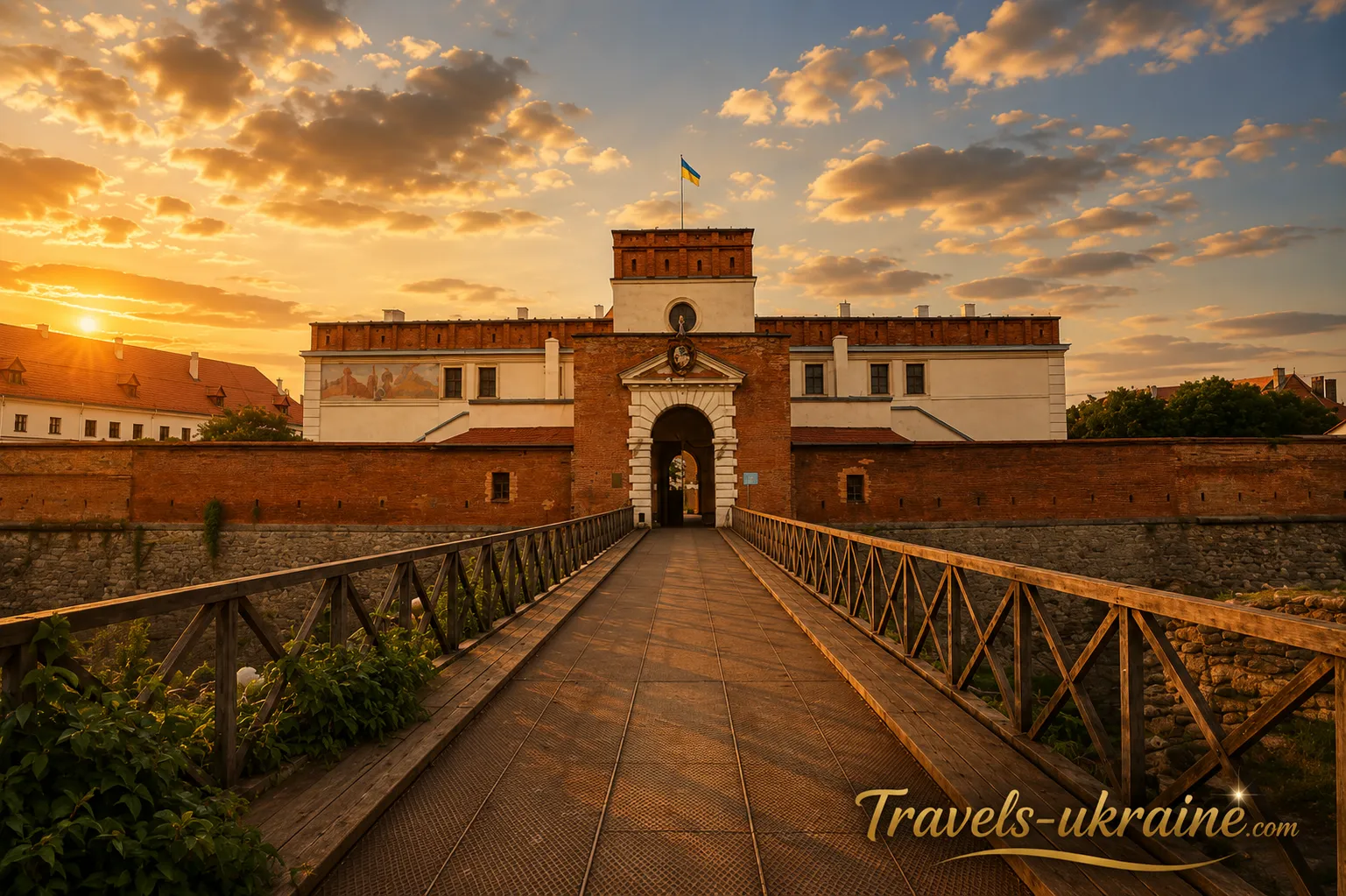
Rivne Region is a place best explored without rushing, with the curiosity of a traveller searching not only for beautiful sights but also for living history. One of the region’s most striking landmarks is undoubtedly Dubno Castle. Behind its walls lies a mystery from the past — so deep and captivating that even someone who has never taken much interest in history may suddenly find themselves completely absorbed in it.
Step by step, hall by hall, story by story, the castle in Dubno reveals episodes that make visitors want to learn more, read more and listen to the guide for a little longer. Here, the past does not lie dormant like a forgotten archive — it comes alive in stone, in legends, in the silence of the dungeons and in the events that once unfolded around these walls.
And who knows: perhaps this very journey to Dubno Castle will spark someone’s lifelong fascination with history. Perhaps among its visitors there will even be a new Gogol, who one day will write about this castle and its events as vividly and powerfully as the dramatic world of the Cossack era was portrayed in the novella «Taras Bulba».
As you wander through the halls and grounds of the castle museum, it is hard to shake the feeling that these walls are looking back at you. They remain silent, yet their silence is strangely eloquent: the rustle of ancient footsteps, the echo of voices, the shadow of princely decisions and the barely perceptible tension of a fortress that guarded its secrets for centuries. You do not simply look at exhibits here — little by little, you begin to sense that the castle heritage of the Ostrogski family remembers far more than any plaque on a wall could ever tell.
Why the castle in Dubno is worth visiting
The castle in the city of Dubno is worth seeing for far more than beautiful photographs. It has a rare atmosphere: on one side, a powerful defensive complex; on the other, a former noble residence where the fates of towns, families and entire lands were once decided behind fortified walls. This is why Dubno Fortress appeals both to history enthusiasts and to travellers looking for an unconventional journey through Rivne Region.
This is a place where you will want to slow down. Walk through the gate. Take in the castle ensemble. Imagine horsemen once approaching the fortress, the gates closing behind them, valuables being hidden in the dungeons and momentous decisions being made behind thick walls — events now remembered only through museum displays and legends.
Dubno’s historic and architectural castle monument is an excellent destination for a weekend trip, a family outing, an excursion or a route through the castles of Ukraine. Come here if you love places with character: not perfectly polished, but authentic — filled with history, silence, strength and the sense that a new detail may be waiting around every corner.
The history of Dubno Castle: from the Ostrogski princes to an impregnable fortress
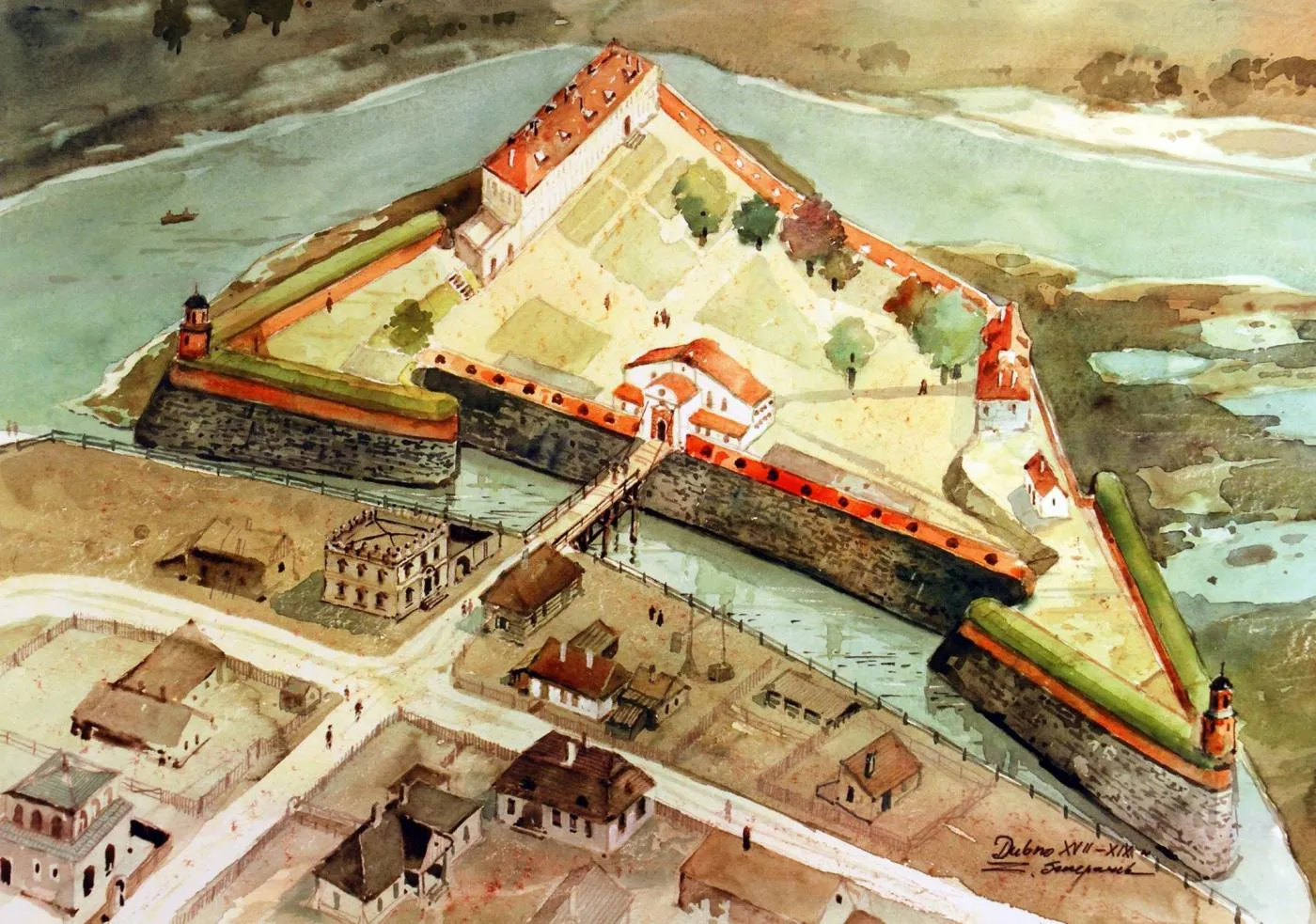
The history of Dubno Castle begins not with museum silence, but with the need to survive. In the Middle Ages, this region was a land of roads, trade, raids and great dynastic ambitions. Castle fortresses were not built here “for beauty” — every wall mattered, every gate could become the final line of defence, and every dungeon held not only supplies, but also the fears, hopes and wealth of its owners.
The official date of construction of the stone castle in Dubno is considered to be 1492. It was then that the castle of the Ostrogski princes gained one of its most formidable strongholds — Dubno Castle. For this influential family, the fortress was more than protection. It became a symbol of power, a dynastic stronghold, a residence and, at the same time, a key to controlling an important part of the surrounding lands.
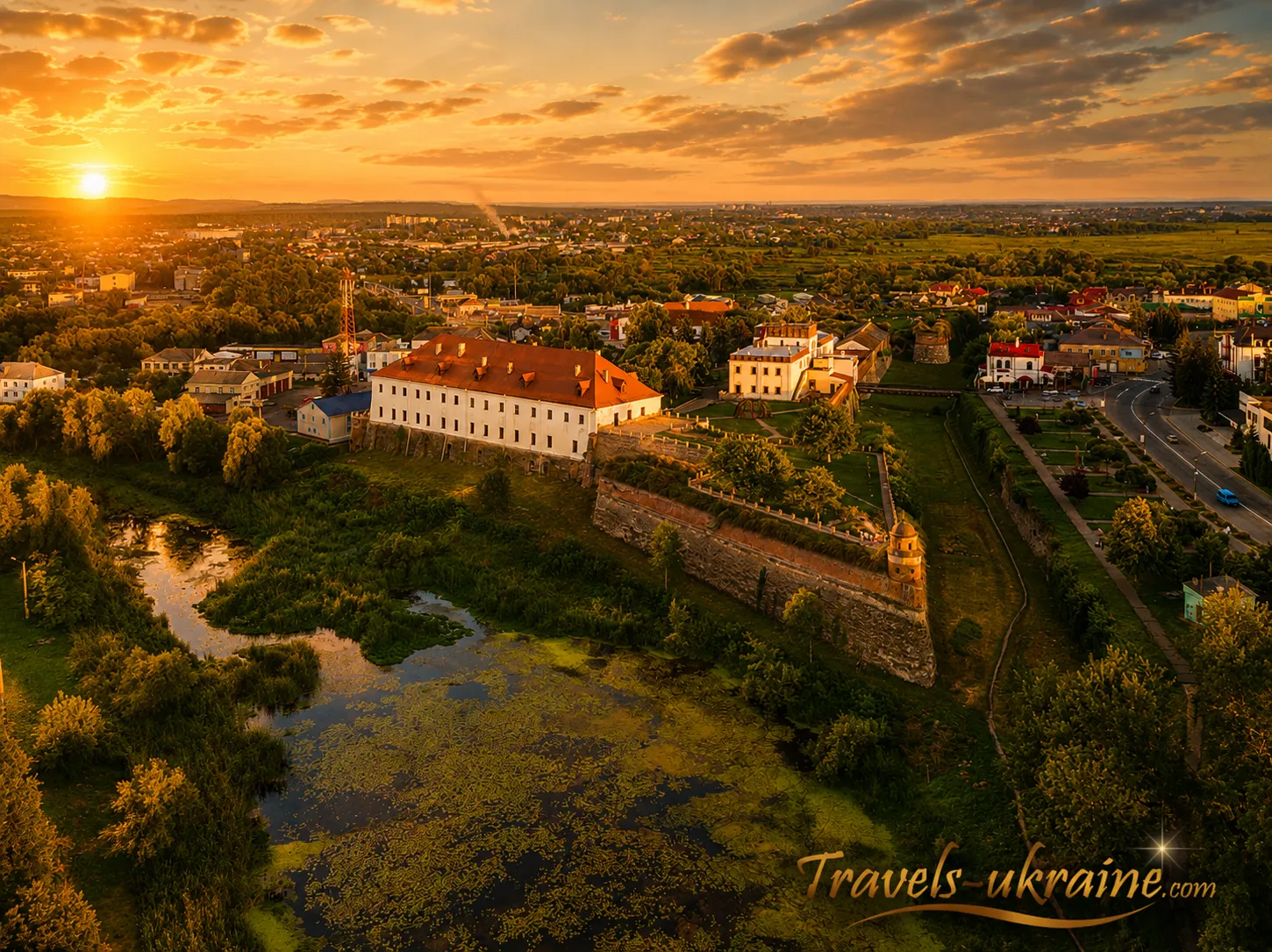
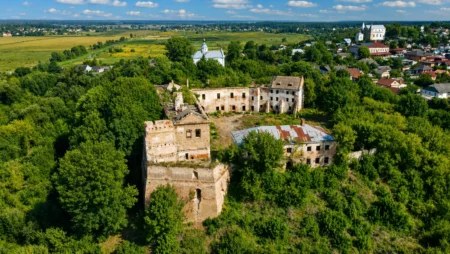
The Ostrogski Castle in Dubno rose on the site of earlier fortifications, but over time it developed into a much more powerful defensive complex. Its location was no coincidence: the approaches to the fortress were protected by the Ikva River and marshy floodplains, which made it difficult for an enemy to advance. Where visitors now see a picturesque landscape, there was once a natural defensive barrier capable of halting an army before it even reached the walls. River floodplains, wet lowlands and difficult approaches turned the land around Dubno Castle into a genuine defensive trap: the enemy had not only to attack the castle, but first to overcome the landscape itself, which worked in the defenders’ favour.
Dubno gradually became a town where military strength, trade, noble culture and political interests converged. The medieval castle in Dubno stood at the heart of this process. Behind its walls were kept jewels, archives, documents, family treasures and other valuables that, in those days, could determine the fate not only of one family but of an entire region.
The fame of Dubno Fortress rested on more than the name of the Ostrogski family. For its time, the castle had a powerful defensive system. Sources often mention that the fortress was reinforced with a large number of cannons, while its position made a direct assault exceptionally difficult. This is why the castle in Dubno entered history as one of those strongholds that could not be taken by storm.
At the beginning of the 17th century, Janusz Ostrogski rebuilt Dubno Castle in accordance with the latest defensive requirements of the period. The fortress acquired the features of a bastioned fortification, better suited to artillery warfare and prolonged defence. It was no longer merely an ancient castle, but a carefully designed military system in which every element — from the moat to the bastion — served a single purpose: to keep the enemy out.
Dubno Castle of the Ostrogski princes: a residence that changed hands
After the descendants of the Ostrogski family, the history of the defensive structure did not come to an end. The castle residence passed to other prominent families, including the Zaslavski, Sanguszko and Lubomirski families. Each era left its own mark here: some owners focused on defence, others on the appearance of the residence, while still others adapted the castle space to new political and domestic needs.
This is precisely what makes the ancient castle of Dubno so fascinating for travellers. It does not have one simple story. This is not a monument “to one battle” or “to one prince”. It is a multi-layered castle ensemble in which a medieval fortress gradually became a residence and later a historical monument, a museum and an important tourist attraction in Rivne Region.
In later centuries, the castle witnessed not princely celebrations but military units, changes of power, different flags and orders spoken in different languages. Yet despite all these transformations, the historic castle in Dubno retained its most important quality — a sense of strength. Even today, when visitors enter the courtyard without fear or weapons, the fortress serves as a reminder that these walls were once not a picturesque backdrop, but a matter of life and death.
It is this depth that makes Dubno Castle a landmark of Rivne Region to which visitors want to return for more than photographs. It is a place where you can listen to a guide, study the details, imagine the age of the princes and understand that behind every stone lies not a legend for legend’s sake, but the genuine history of Dubno and Ukraine.
Architecture of Dubno Castle: fortress, residence and castle ensemble
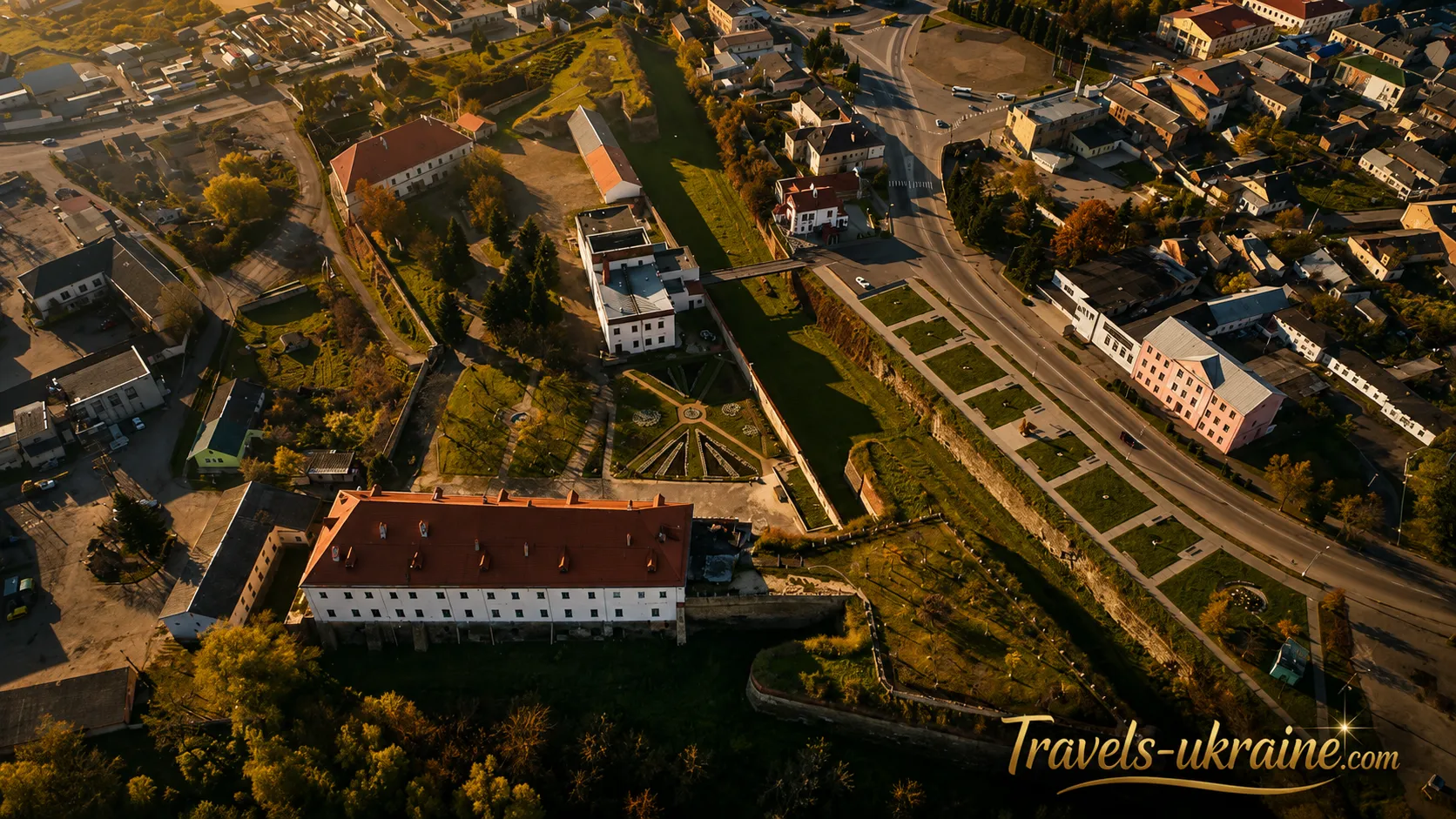
Dubno Castle impresses not through height for its own sake or lavish decoration. Its strength lies elsewhere — in the precision of its setting, the intelligence of its defences and the unusual combination of a stern fortress with the features of a noble residence. On one side stands a defensive fortress built to protect the town of Dubno. On the other is a castle complex where people lived, welcomed guests, safeguarded family treasures and displayed the status of its owners.
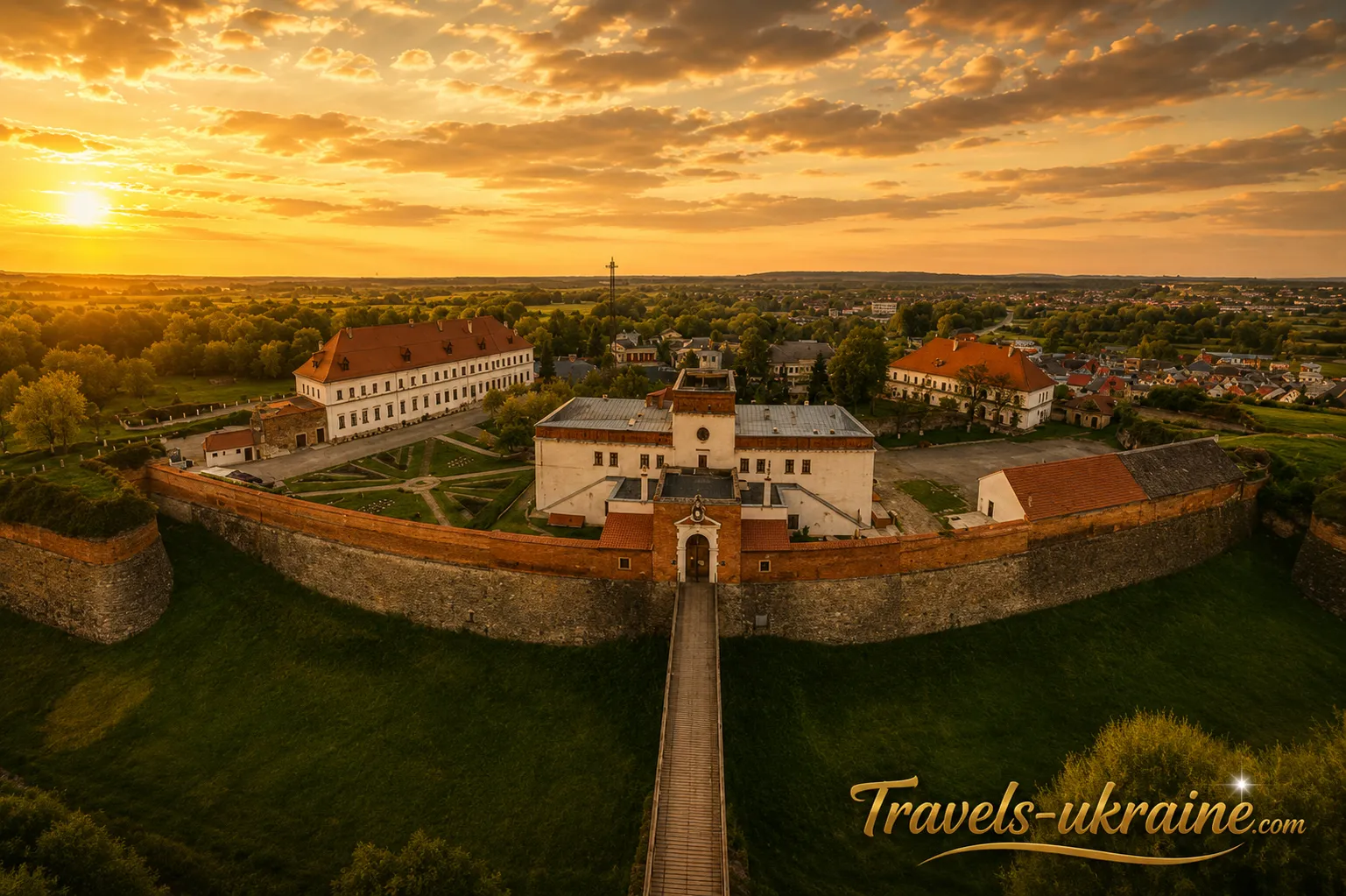
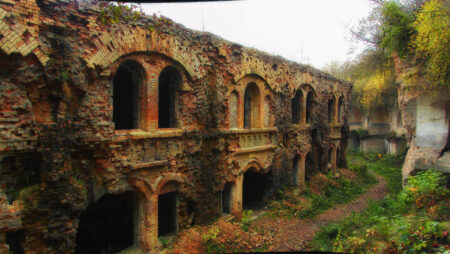
This is why Dubno Castle in Rivne Region does not feel like a single building. It is a complete complex in which every part has its own role: the gatehouse welcomes visitors, the bastions recall its military power, the palaces reveal the noble chapter of its past, while the dungeons and casemates create a sense of hidden depth. Here, architecture does more than embellish the space — it tells the story of how the fortress learned to exist between war, power and everyday life.
Dubno Castle Fortress does not try to impress with excessive ornament. Its language is one of mass, balance and inner tension. The walls do more than define the perimeter: they form a boundary between the open town and a space where different rules once applied. Even today, as you walk through the courtyard, it is easy to feel that this medieval castle was built not for a passing glance, but for prolonged resistance.
The Ostrogski and Lubomirski palaces: the noble chapter of the complex
The palace buildings are among the most striking features within the castle grounds. The Palace of the Ostrogski Princes recalls the time when Dubno was an important centre of one of Volhynia’s most influential families. Nearby, the Palace of the Lubomirski Princes represents another era, revealing different tastes, a different rhythm of life and a desire to transform the fortress from a place of defence into a prestigious residence.
It is through these palaces that Dubno Castle of the Ostrogski and Lubomirski princes reveals its many layers. It did not remain frozen in the role of a military structure. The fortress changed with its owners, the passing eras and the needs of the time. Where cannons, guards and the strength of the fortifications were once decisive, halls, receptions, family symbols, art and the everyday life of a noble residence later became increasingly important.
- The gatehouse shapes the first impression of the castle and emphasises its defensive character.
- The bastions and walls remind visitors that Dubno Fortress was built for serious defence.
- The dungeons and casemates deepen the atmosphere of an ancient fortress where part of the story always remains hidden at first glance.
Dubno’s castle ensemble: details worth noticing during your walk
To gain a fuller sense of Dubno Castle in Rivne Region, do not rush straight to its best-known points. First, take in the overall silhouette of the complex: how the gate leads into the inner space, how the palaces adjoin the defensive walls and how the courtyard opens up views of different parts of the castle. It is in details like these that Dubno’s outstanding castle landmark begins to reveal itself not as a single attraction, but as a carefully designed historic space.
As you wander through the halls and grounds of the castle museum, it is hard to shake the feeling that these walls are looking back at you. They remain silent, yet their silence is strangely eloquent: the rustle of ancient footsteps, the echo of voices, the shadow of princely decisions and the barely perceptible tension of a fortress that guarded its secrets for centuries. You do not simply look at the architecture here — little by little, you begin to sense that Dubno Castle, a landmark of Rivne Region, preserves far more than any short reference note could ever tell.
This is why Dubno Castle Fortress should be seen not only as a historic structure, but as a living space where nature, defensive logic and residential architecture came together in one place. Look closely at its walls, bastions, palaces and the approaches from the Ikva, and it becomes clear that this fortress did not survive by chance. It was designed to endure — both in history and in the memory of those who visit it.
Dubno Castle for visitors: a brief guide before your trip
The ancient castle in Dubno is not merely a fortress for a quick look around, but a fully fledged castle museum, a historic and architectural landmark of Dubno and one of the most fascinating tourist attractions in Rivne Region. Allow time not only for photographs, but also for the museum displays, courtyard, palace buildings and an unhurried walk through the complex.
About one hour is enough for a quick introduction to the castle and its immediate surroundings. However, to see more, join a guided tour and absorb the atmosphere of Dubno Fortress, it is better to allow two to three hours. The landmark reveals far more of its character when explored at a relaxed pace.
- 1 hour — a brief tour of the grounds and time for photographs.
- 2–3 hours — the ideal amount of time for the museum, courtyard and a guided tour.
- Half a day — if you combine the castle with a walk through the town of Dubno.
Accessibility, budget and style of visit
The route through the grounds of Dubno Castle in Rivne Region is generally straightforward, but remember that this is an old castle ensemble with steps, uneven surfaces, stone sections and passageways. Comfortable footwear is recommended, and it is best not to rush, especially after rain.
The cost of the trip depends on how you choose to visit: exploring independently is the most affordable option, while a guided tour will help you understand the history of the castle of the Ostrogski and Lubomirski princes in greater depth. Before travelling, check the latest opening hours and admission prices on official resources, as they may change seasonally.
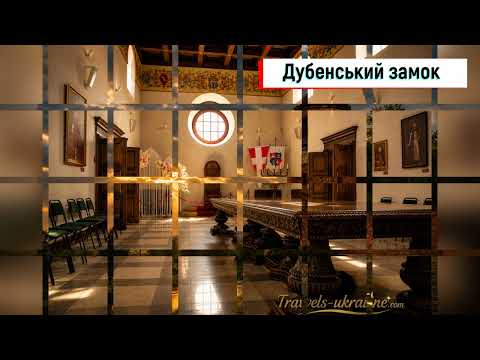
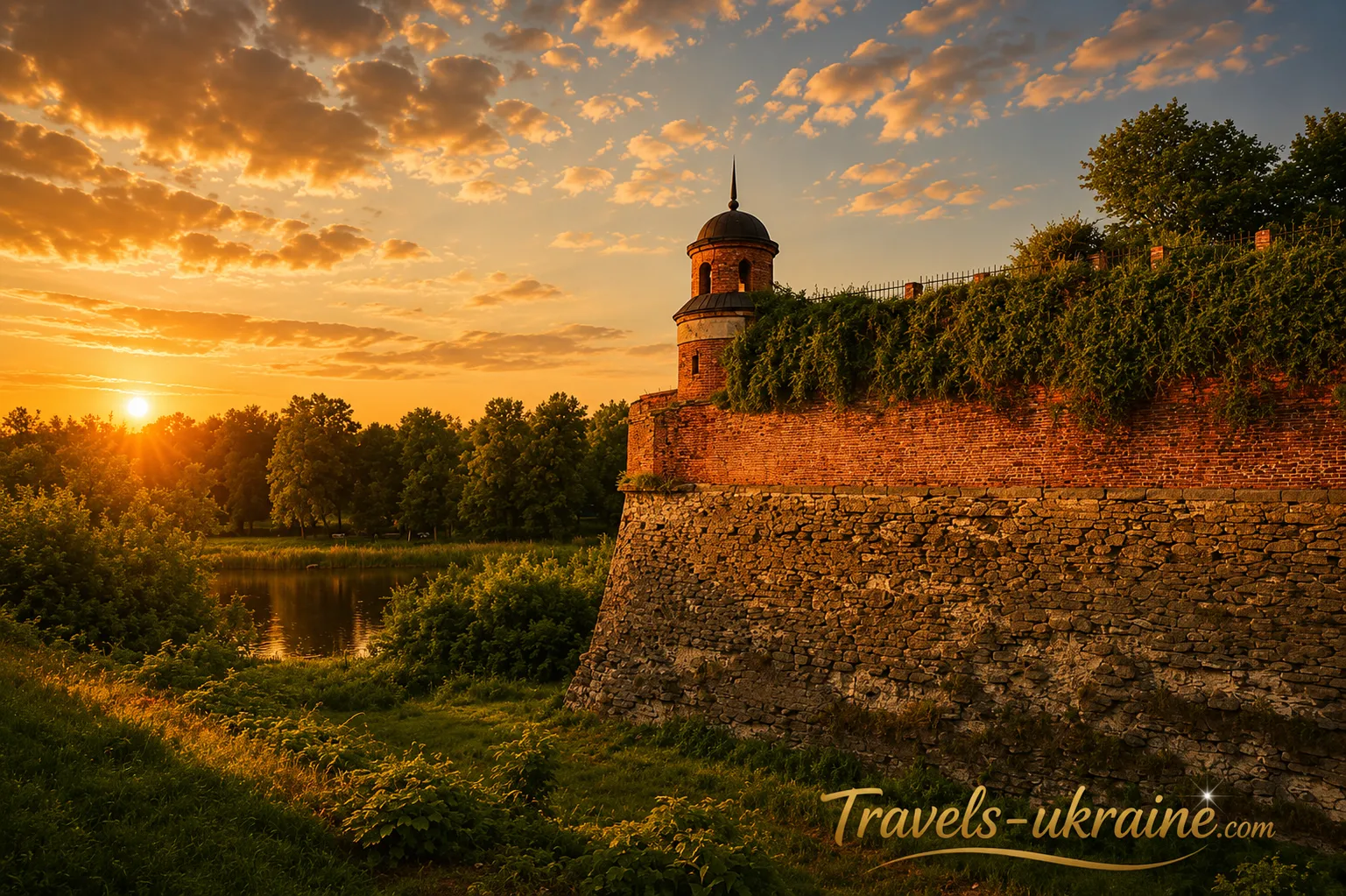
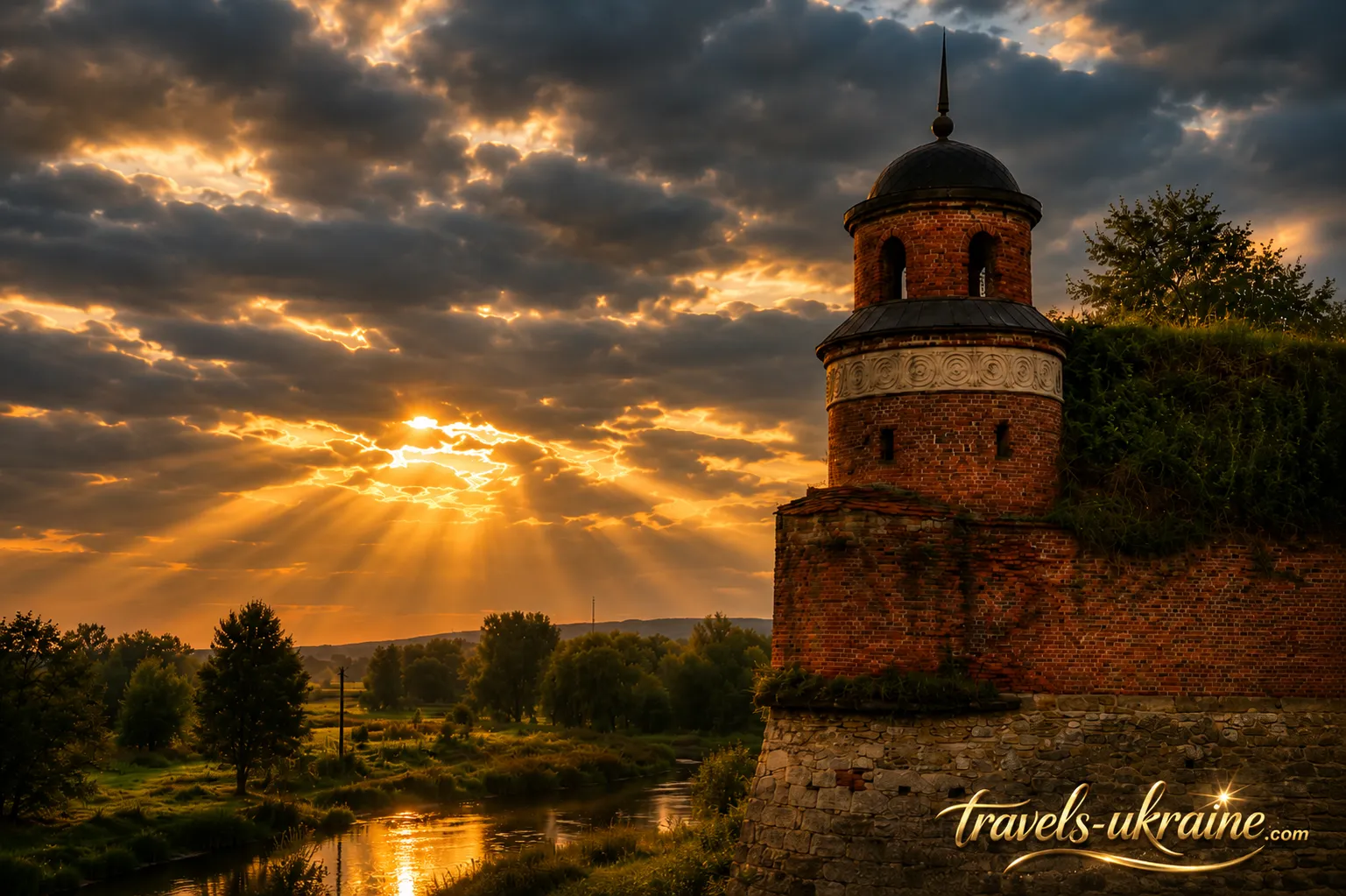
Photo and video gallery
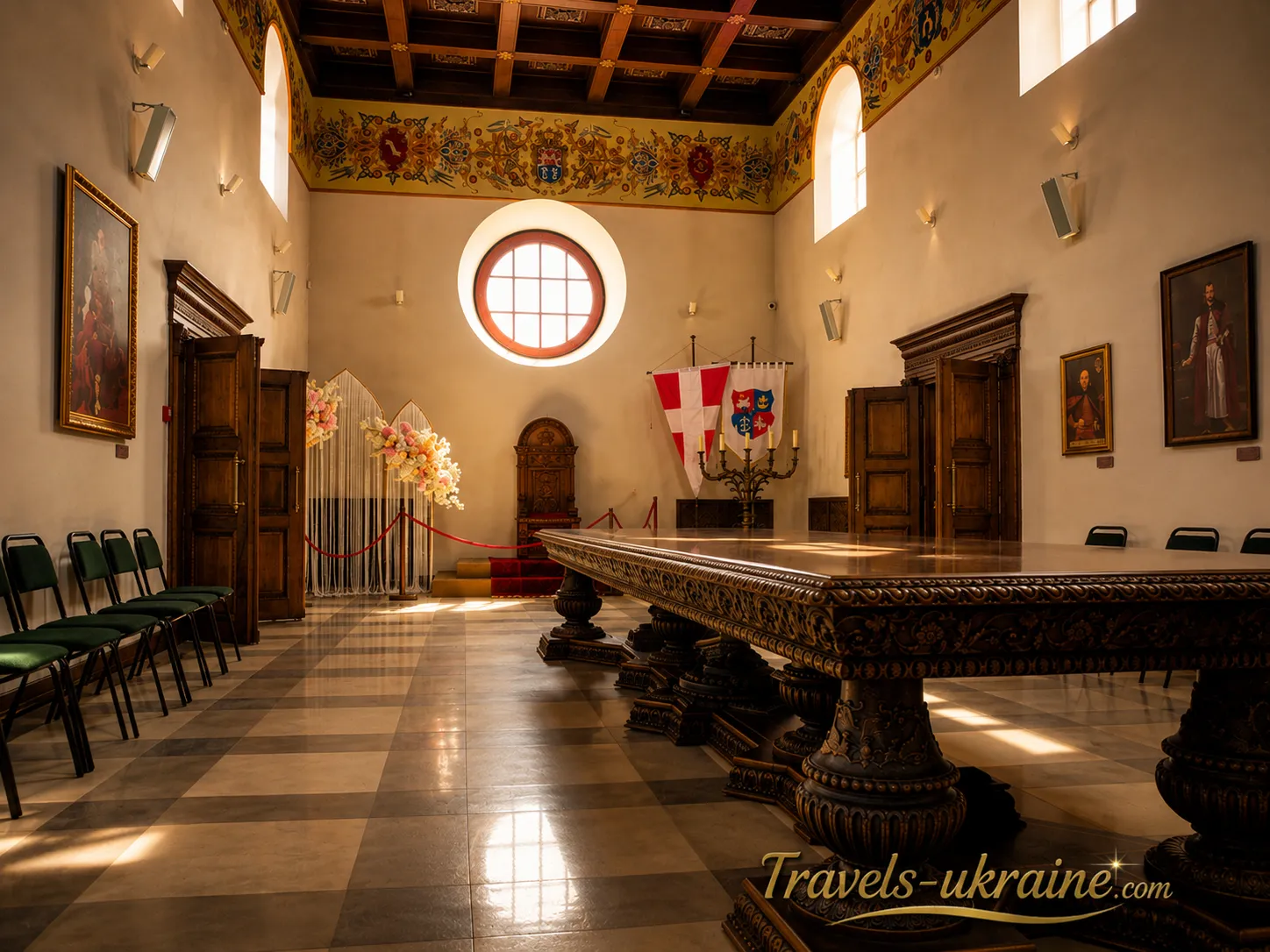
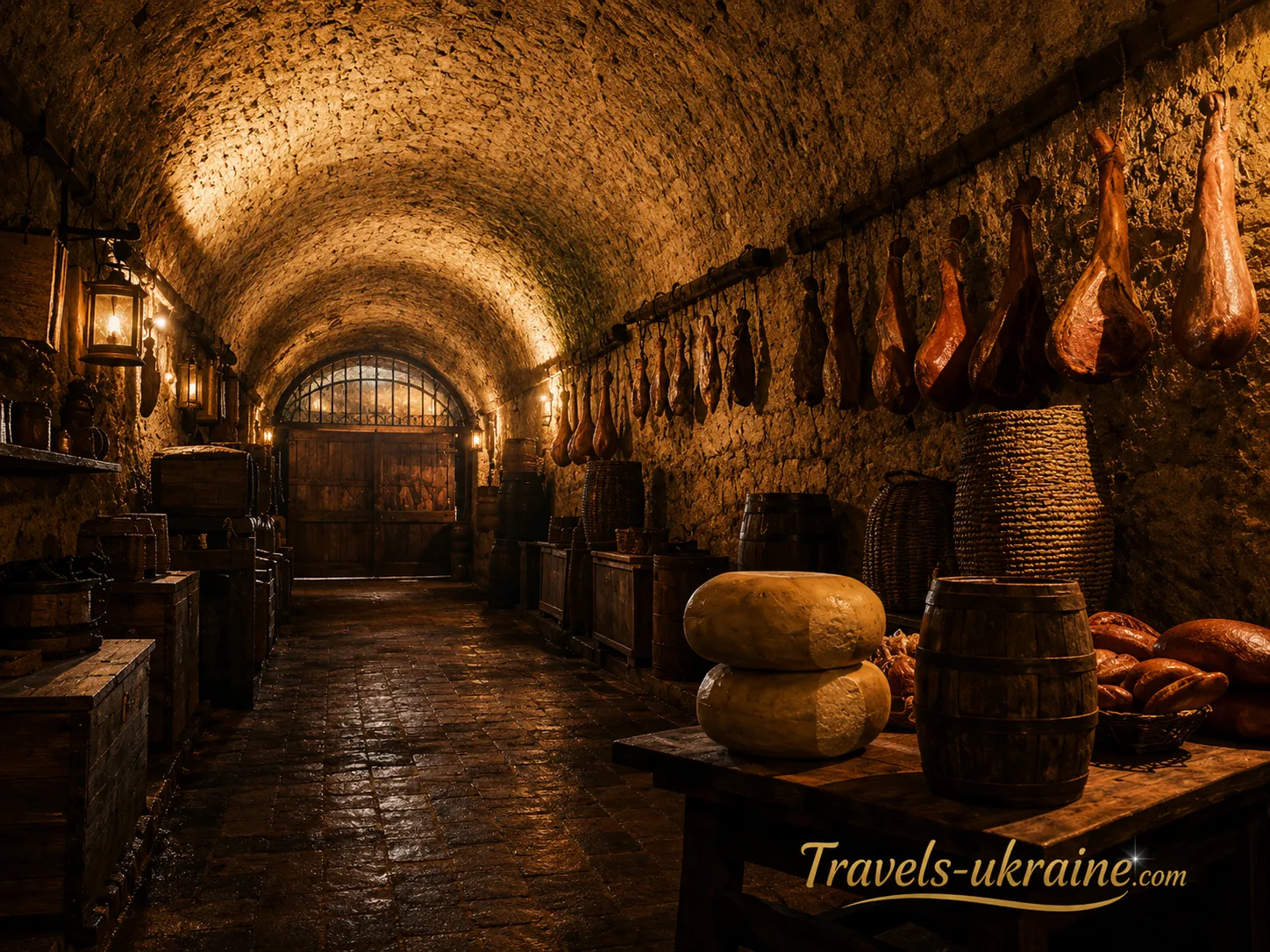
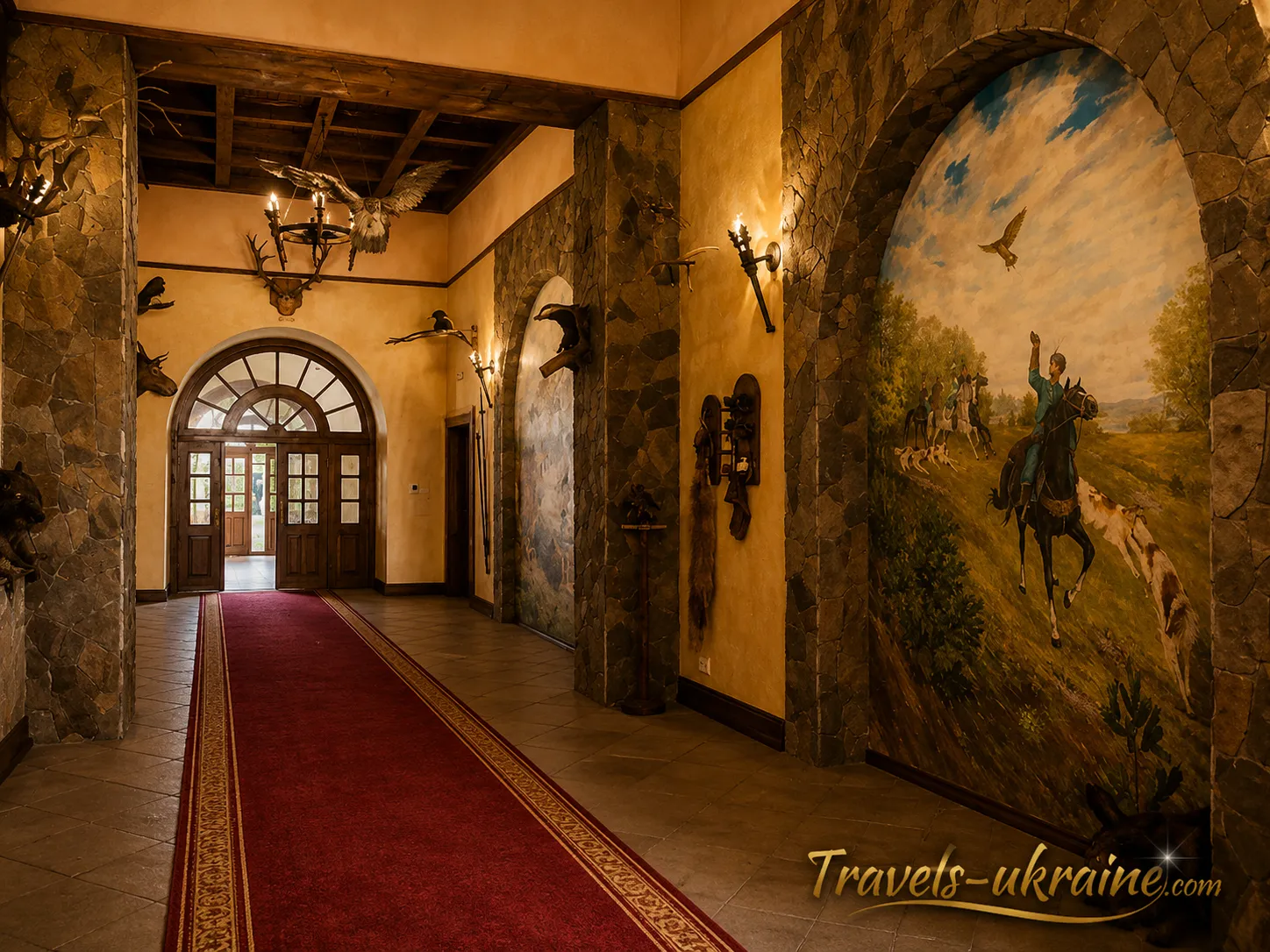
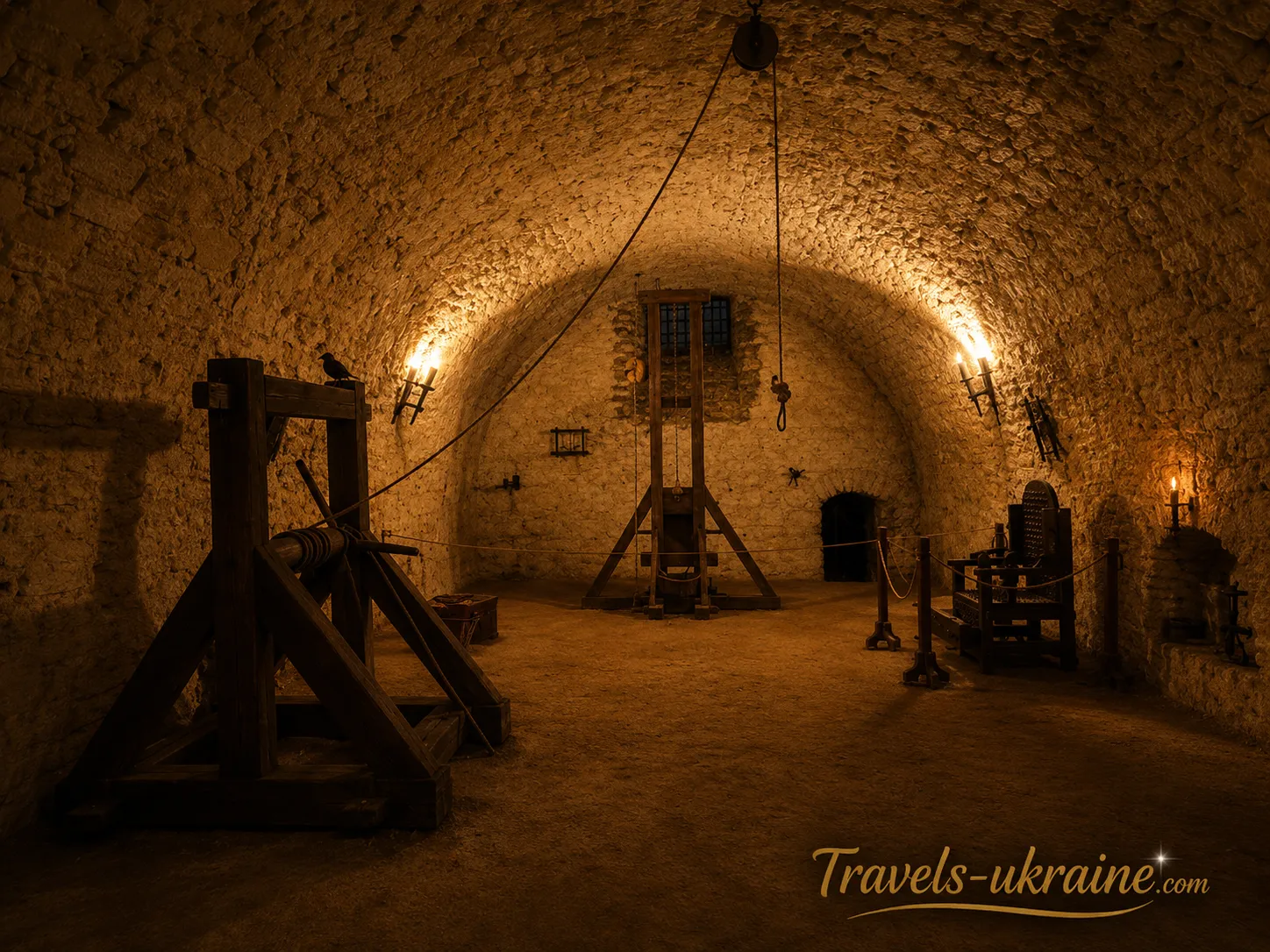
Fascinating facts and legends of Dubno Castle: secrets that come alive behind the walls
The princely residence in Dubno has a rare quality: the longer you spend within its grounds, the less you want to regard it merely as an architectural monument. Beyond the gate, another dimension gradually unfolds — one filled with tales of hidden treasures, underground passages, princely intrigue, night tours and events that have long since become part of Dubno’s historical memory.
This is why Dubno Castle in Rivne Region is so well suited to those who enjoy listening as much as looking. Every fact here seems to lead to another story, and every legend leaves a question behind. Did the underground passages really extend far beyond the fortress? Where might the princes’ riches have been kept? Why did Dubno become one of the places associated with Gogol’s «Taras Bulba»? The answers to these questions create the special atmosphere that brings visitors back to Dubno Fortress time and again.
The fortress that was never taken by storm
One of the most remarkable facts about Dubno Castle Fortress is its reputation as an impregnable stronghold. Guides often emphasise that the castle withstood threats, sieges and attacks, yet was never taken by storm. This is not merely a striking phrase for a tour. Behind it lay a carefully chosen location, powerful fortifications, the natural protection of the Ikva, bastions, a moat and the very character of a defensive structure that made a direct attack exceptionally difficult.
Standing beside the walls, it is easy to imagine that impregnability. The museum grounds disappear from view, replaced by a tense landscape of anticipation: the enemy somewhere beyond the approaches, the gate shut, guards on the fortifications, and behind the walls — the town, its people, treasury, archives and destinies. This is the strength of Dubno Castle: it allows you not merely to learn a fact, but to place yourself mentally inside the event.
Dubno Castle and «Taras Bulba»: a literary shadow over the fortress
A separate chapter in the castle’s fame is connected with Nikolai Gogol’s novella «Taras Bulba». Dubno and its fortress became one of the images through which literature brought to life a dramatic atmosphere of siege, choice, passion and betrayal. For visitors, this gives the castle a special depth: you are walking not only through a historic site, but through a place that echoes one of the best-known stories of the Cossack era.
Of course, literature is not an exact chronicle, and a work of fiction should not be treated as a documentary account of events. Yet it is precisely through such connections that the historic castle in Dubno reaches beyond the boundaries of a local landmark. It becomes part of a wider cultural landscape where a real fortress, folk traditions and a writer’s imagination are woven together so tightly that they are now almost impossible to separate.
Legends of dungeons, treasure and Dubno Castle by night
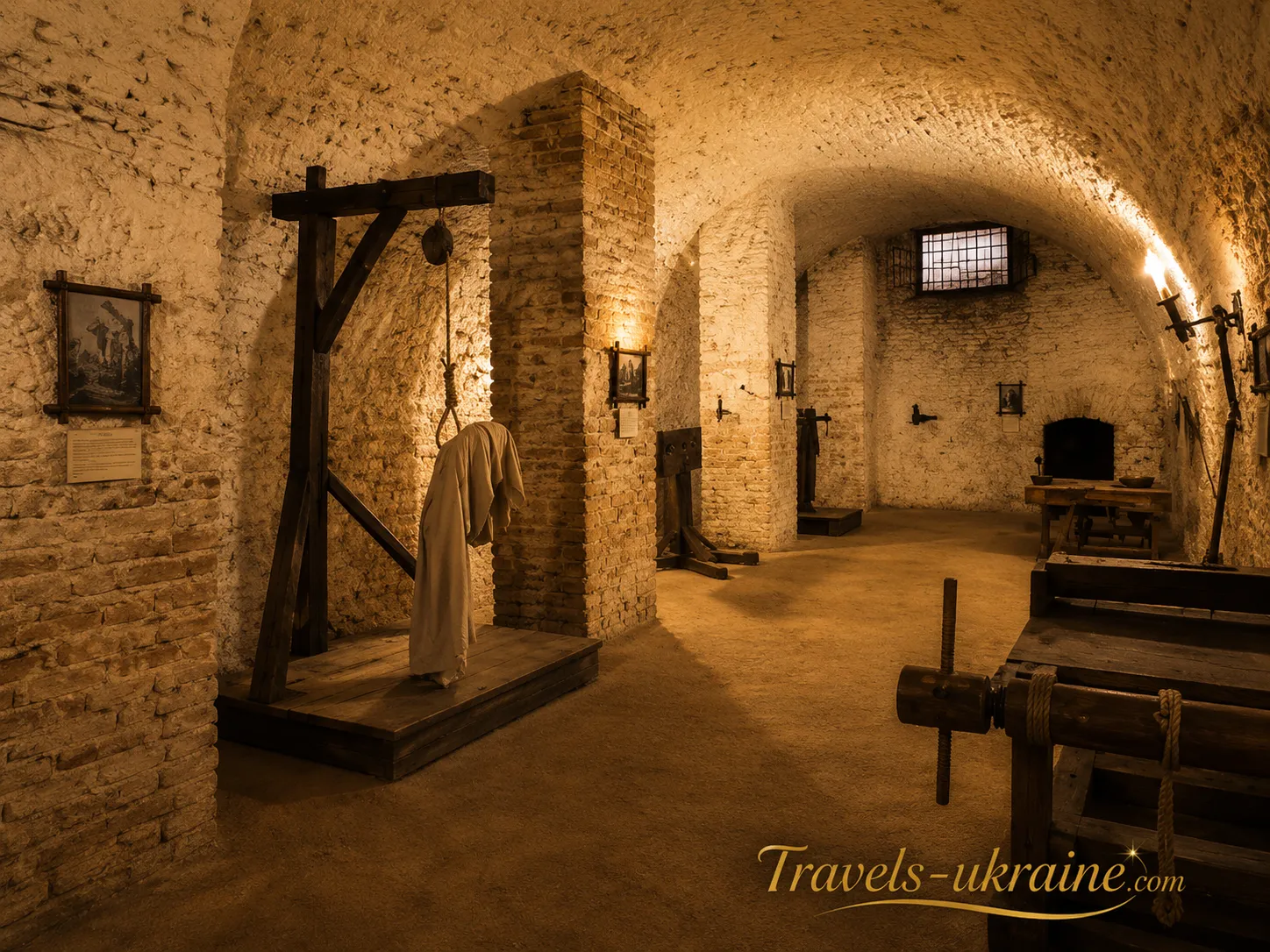
The dungeons of Dubno Fortress stir visitors’ imaginations more than anything else. Tales of the castle often mention secret passages, hiding places and underground routes that supposedly allowed people to leave the fortress or move valuables to safety. Some of these stories are difficult to verify through documents, but they create the sense of mystery without which an ancient castle would lose half its magic.
Equally powerful is the image of the princely treasury. Dubno Castle of the Ostrogski princes is genuinely associated with a mighty family, vast resources and high status. Legends of hidden riches therefore feel less like an arbitrary invention and more like a natural continuation of the place’s history. When the castle served as a defensive complex, a residence and a symbol of power, tales of treasure were almost inevitable.
These stories become especially compelling in the evening. At dusk, the ancient castle of Dubno changes: its walls grow darker, the courtyard becomes quieter and every sound seems sharper. This is why night tours are so popular here. In the darkness, even familiar places look different, and the legends sound as though they are coming not from the past, but from the next corridor.
Fascinating facts and legends make Dubno Castle a landmark that cannot easily be contained within one short story. It is more than a fortress, more than a museum and more than a beautiful setting for photographs. It is a place where history has a voice and a traveller’s imagination is given room to make discoveries of its own.
Events and festivals near Dubno Castle: when the fortress comes alive in a special way
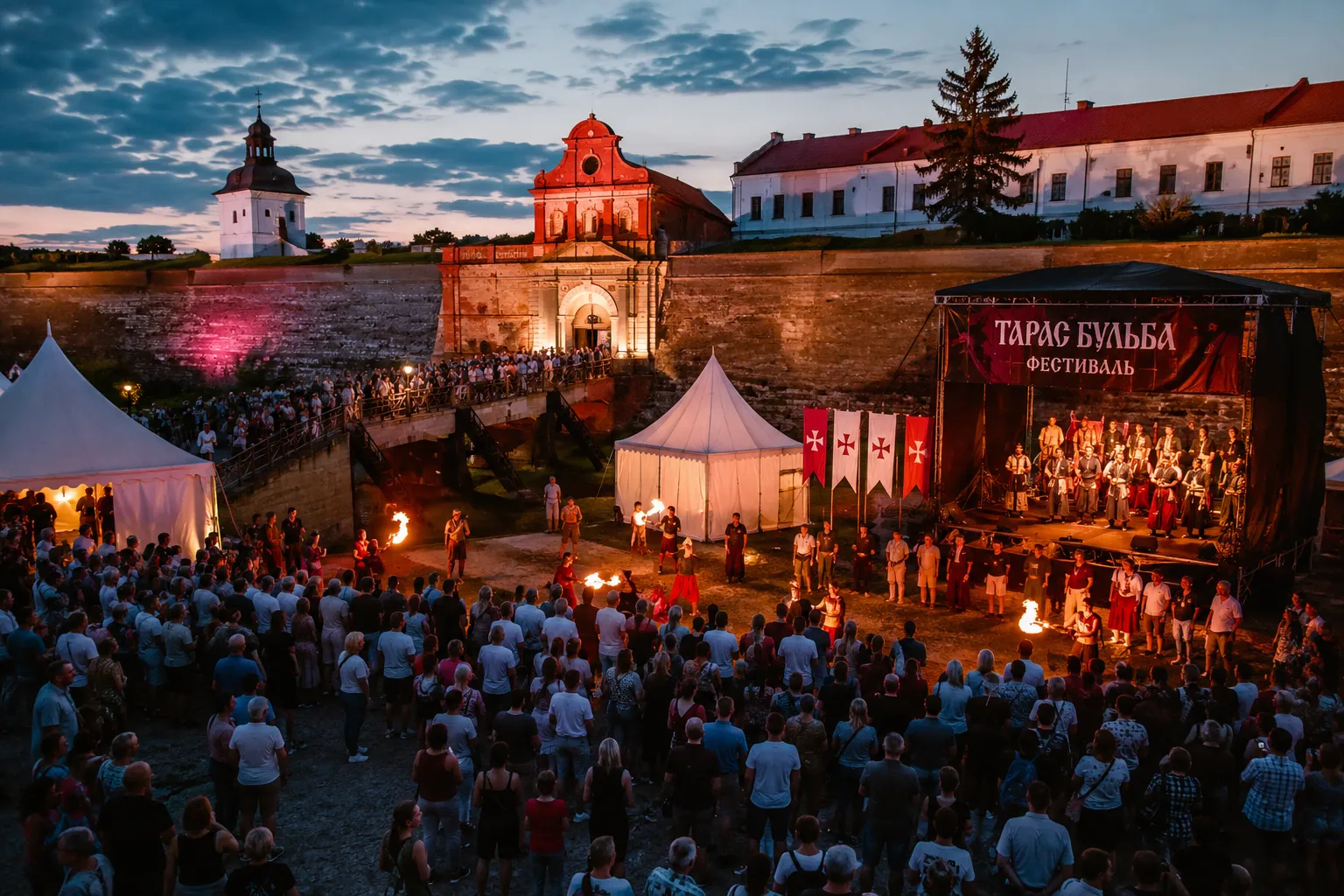
Dubno Castle near Rivne is fascinating at any time of year, but there are moments when it changes especially noticeably. On an ordinary day, it is an ancient castle museum where visitors explore halls, courtyards, palace buildings and museum displays. During themed events, however, the fortress seems to emerge from its museum silence: voices, music, costumes, light and movement fill the space, creating the sense that the past has reclaimed its right to be visible for a few hours.
This is why, when planning to visit the castle in Dubno, it is worth checking the current events programme in advance. Sometimes the strongest impression comes not from a daytime walk through the castle complex or conventional cultural tourism, but from an event that reveals the fortress in a different mood — more dramatic, festive or even slightly mystical.
Night tours at Dubno Castle: legends, shadows and the theatre of history
One of the most atmospheric experiences associated with the castle in Dubno is its theatrical night tours. This is not an ordinary walk accompanied by a brief commentary, but a kind of performance staged inside a historic setting. As dusk falls, the walls become more pronounced, the courtyard feels deeper and every sound within the ancient fortress is perceived more keenly.
In this format, the defensive fortress in Dubno reveals its legends especially well. The dungeons, the Palace of the Lubomirski Princes and stories of ghosts, executioners, ancient customs, princely feasts and victories no longer sound like a dry retelling, but become part of a living performance. For visitors, it is a chance not simply to hear history, but to walk through it — slowly, emotionally and with the occasional shiver down the spine.
A night tour of Dubno Castle is best suited to those seeking a stronger impression than a standard visit can offer. It is a good choice for couples, groups of friends, adult travellers and visitors who enjoy history with a theatrical element. Families with children may also find the format engaging, but it is best to check the recommended age, duration of the programme and intensity of any “frightening” elements beforehand.
Festivals in Dubno: music, traditions and the town atmosphere around the castle
Dubno has a history of events as well as castles. The town has hosted cultural and musical gatherings, among which the «Taras Bulba» festival is particularly well known. Its name is highly symbolic for Dubno, as the image of Dubno Fortress is associated with Gogol’s novella «Taras Bulba», while the castle itself has long been one of the town’s principal historic landmarks.
During town festivals and celebrations, Dubno’s defensive structure is often perceived not only as a tourist attraction, but also as a backdrop and focal point of cultural life. Even when an event does not take place directly within the fortress walls, the castle still gives the town its distinctive mood. It reminds visitors that modern tourism in Dubno did not emerge from nowhere, but grew from a deep history that continues to shape the town’s identity.
Themed exhibitions, museum events and seasonal activities
In addition to major festivals, Dubno Castle in Rivne Region hosts themed exhibitions, museum programmes, presentations, meetings and seasonal events. Such activities often make a visit more rewarding: as well as walking through the grounds, you may see a special exhibition, learn about the museum’s collections, explore the region’s military history, discover everyday life in earlier eras or view art projects connected with Dubno.
This is a major advantage when planning a tourist itinerary. Even if you have visited the castle before, a new exhibition or event may provide a reason to return. A castle museum is not a static object, but a space that can reveal a different side of itself each time — through the history of weapons, family portraits, urban legends, archival material, creative works or interactive formats.
To visit the castle in Dubno during a particular event, do not travel without checking the details first. Dates, times, prices, capacity and event formats may change. A few days before your trip, consult the official website, the reserve’s pages or the tourist resources of Dubno. This is especially important for night tours, group programmes and events with limited places.
What to see at Dubno Castle: a route through walls, halls and legends
Dubno Castle in the town of Dubno reveals itself most fully not when viewed in haste, but when you allow yourself to move through it slowly — from the gate to the walls, from the courtyard to the museum halls, from the first impression to the details that remain in your memory for a long time. This is a tourist attraction that cannot be reduced to one picturesque angle. It offers space, history, exhibitions, an underground atmosphere, restrained palace architecture and the feeling that the castle carefully tests every visitor: are they truly ready to listen?
To make an excursion to Dubno Castle truly rewarding, treat it as a small journey within your wider trip. Begin with the gate and your first encounter with the fortress. Continue through the inner courtyard, palace buildings, museum displays, walls, viewpoints and the places where the character of the ancient castle can be felt most strongly. Following this sequence helps you see not a collection of separate objects, but a complete castle complex in which defence, power, everyday life and legend share the same space.
The museum is one of the main reasons why Dubno Castle is interesting as a tourist attraction from the inside as well as the outside. Its exhibitions tell the story of Dubno, Volhynia, castle culture, military events, everyday life and the spiritual heritage of the region. This is where the castle moves from impression to understanding: the stone and walls acquire context, while individual details come together to form a broader picture.
Pay particular attention to exhibitions connected with the town’s early history, coins, weapons, archaeology, sacred objects and the memory of different eras. These displays help visitors see the ancient castle of Dubno not only as a fortress, but as a place that preserves traces of human life: from princely ambitions to everyday objects that outlived their owners.
Walls, viewpoints and the «Beatka» Tower: the most atmospheric places for photographs
After the museum halls, return to the open air and lift your gaze towards the walls. Dubno as a tourist attraction has a remarkably expressive defensive form: massive lines, stone textures, a bastioned character and perspectives that convey the strength of the fortress. You will not need to search long for the “perfect shot” — simply pay attention to the light, shadows and lines of the old architecture.
One of the most interesting points for visitors is the climb along the castle walls to the «Beatka» Tower. From here, you gain a stronger sense of the height, defensive logic and position of the castle above the surrounding landscape. It is an excellent place for photographs, but even better for a brief moment of silence. From the walls, the historic castle in Dubno begins to feel not like a museum object, but like a fortress that once genuinely controlled the approaches to the town.
The dungeons and darker chapters of the castle museum
The underground and semi-underground spaces, which have inspired the greatest number of legends, leave a distinct impression. In these places, Dubno’s outstanding historic landmark abruptly changes its mood: there is less light, the sound of footsteps becomes sharper and the imagination begins to fill in what no surviving document can show. This is why the dungeons often remain more vivid in the memory than the ceremonial halls.
These spaces are best approached attentively and without unnecessary theatrics. They are compelling not only because of legends about secret passages or treasure, but because of the very feeling of an old fortress. Here, it is easy to understand that this castle attraction has a stern side as well as a beautiful one. Its past held not only celebrations and receptions, but also fear, danger, punishment, sieges and a struggle for survival.
Ultimately, Dubno Castle in Rivne Region offers visitors far more than an ordinary tour of a landmark. You can walk along the walls, explore the museum halls, absorb the atmosphere of an ancient fortress, hear stories about the Ostrogski and Lubomirski princes, see Dubno from a different perspective and leave through the gate feeling that this journey was not merely interesting, but genuinely meaningful.
What can you visit near Dubno Castle?
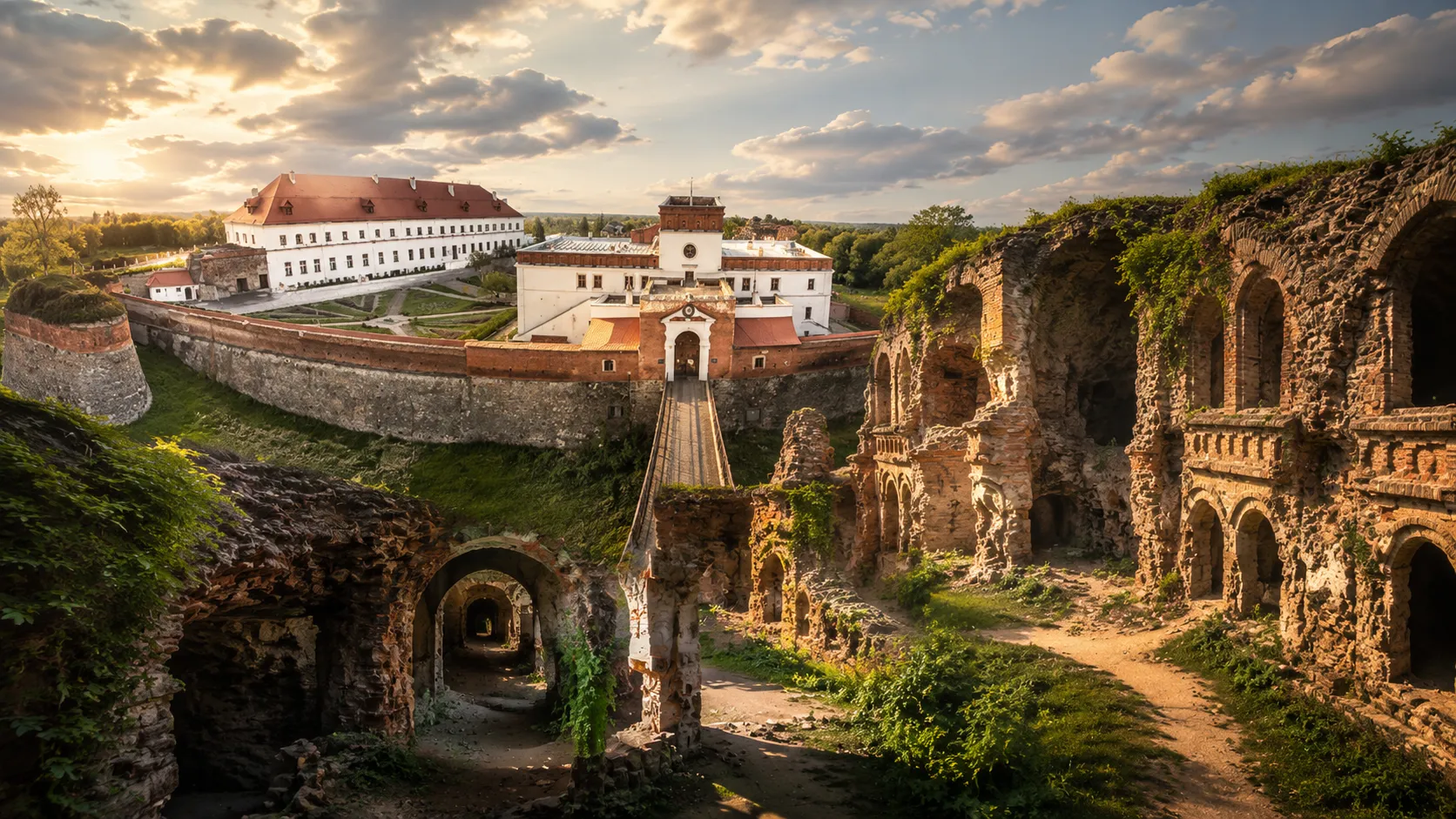
Dubno Castle is rarely the only reason to visit the town of Dubno. Instead, it opens the door to a broader journey through old streets, sacred landmarks, defensive structures and places where Rivne Region reveals not a loud tourist façade, but its genuine character. Once you have decided to visit the castle, set aside at least a few hours for the attractions nearby.
The most convenient way to plan your tourist route is to begin with Dubno Castle, then walk through the historic centre, see the Lutsk Gate, churches and old monastic buildings and, if you are travelling by car, add Tarakaniv Fort to your itinerary. This route works well for a family trip, cultural tourism, a photography walk or a full day of exploring Rivne Region.
Dubno’s historic centre: a walk after the castle
After visiting the castle courtyard, do not rush to leave. The centre of Dubno deserves a walk of its own, because this is where you can best appreciate that the castle was not an isolated fortress, but the heart of the old town’s life. Streets, churches and architectural traces from different eras survive near the old castle, helping visitors see Dubno as more than a single tourist attraction.
This format is particularly convenient for those travelling without a car or with limited time. You can combine an excursion to Dubno Castle with a walk through historic Dubno, pause for coffee, visit churches, stroll along the central streets and see how the ancient fortress continues to set the town’s historical rhythm.
Dubno offers more than castles and fortifications. The town retains a notable sacred heritage, including the Church of St John of Nepomuk, St Elijah’s Church, the Transfiguration Church, former monastic complexes, a synagogue and other monuments often included in guided tours of the town. They create a different mood after the castle — quieter, more contemplative and more closely focused on Dubno’s multicultural history.
Dubno Castle is an excellent starting point for a route in which each new stop complements rather than competes with the fortress. After such a journey, Dubno remains in the memory not simply as a town with a beautiful castle, but as a place where history unfolds in several layers — defensive, princely, sacred, urban and slightly mystical.
Frequently asked questions about Dubno Castle
Where is Dubno Castle located?
Dubno Castle is located in the town of Dubno in Rivne Region. It is one of Dubno’s principal historic landmarks and an important tourist attraction in the region. The castle stands within the urban area, making it easy to combine a visit with a walk through central Dubno and visits to the Lutsk Gate, churches and other local monuments.
How much time do you need to visit Dubno Castle?
About one hour is enough for a brief look around the grounds, but allow two to three hours for a complete visit. This gives you time to pass through the gate, explore the inner courtyard, museum exhibitions, palace buildings and walls and join a guided tour. To include a walk around Dubno as well, set aside at least half a day for the trip.
Do you need to buy a ticket for Dubno Castle?
Yes, an admission ticket is usually required to visit Dubno Castle. The price may depend on the visitor category, a guided tour, additional services or special events. Before travelling, check the latest prices on the castle’s official resource, as fees may change seasonally or according to the type of visit.
Is a guided tour of Dubno Castle worthwhile?
Yes, a guided tour of Dubno Castle is highly recommended, especially on a first visit. Without a guide, you will still see the walls, palaces, courtyard and museum halls, but the commentary helps explain the history of the castle of the Ostrogski and Lubomirski princes, its defensive role, legends of dungeons and treasure and Dubno’s connection with the novella «Taras Bulba».
Is Dubno Castle suitable for a trip with children?
The castle in Dubno is well suited to a family trip, as children are usually fascinated by the gate, walls, dungeons, legends and the atmosphere of a real fortress. Adults should nevertheless keep safety in mind: children should not run on the steps, touch exhibits, leave the group or approach hazardous areas without supervision.
What are the most interesting things to see at Dubno Castle?
During your visit, see the entrance gate, inner courtyard, Palace of the Ostrogski Princes, Palace of the Lubomirski Princes, castle walls, museum displays and underground spaces, if they are open to visitors. Dubno Castle is compelling not because of one individual building, but because of the complete ensemble that brings together a defensive fortress, a noble residence and a museum.
What can you visit near Dubno Castle?
Near Dubno Castle, walk through the historic centre of Dubno and see the Lutsk Gate, the Church of St John of Nepomuk, St Elijah’s Church, monastic buildings and other local monuments. When travelling by car, you can add Tarakaniv Fort to your route — an atmospheric defensive structure near Dubno that complements the themes of fortresses and military history in Rivne Region.
What footwear and clothing should you choose for a castle visit?
Comfortable footwear with non-slip soles is the best choice for walking around Dubno Castle. The grounds may include steps, stone surfaces, uneven sections and places that become slippery after rain. In warm weather, take water and a hat; in cooler conditions or for evening tours, bring a light outer layer.
Are night tours held at Dubno Castle?
Dubno Castle may host themed and night tours that heighten the atmosphere of the fortress, its legends and dungeons. Check this format in advance, as dates, duration, availability and participation conditions may change. Families with children should also ask about age recommendations and the intensity of dramatic elements in the programme.
When is the best time to visit Dubno Castle?
Spring, summer and early autumn are the most comfortable seasons for visiting Dubno Castle, when it is pleasant to explore the grounds, photograph the walls and combine the castle with a walk around Dubno. In summer, arrive in the morning or towards evening, when temperatures are lower and the light is softer for photographs. The castle also has a special atmosphere in winter, but pay closer attention to the weather, footwear and length of your walk.
Conclusion: why Dubno Castle deserves to be seen in person
Historic Dubno Castle is not a landmark that can be fully appreciated in photographs. You need to walk through it: through the gate, courtyard, museum halls, walls, legends and silence in which the past suddenly feels closer. History does not seem frozen here. It can be felt in the stone, the old passageways, the guide’s stories and the atmosphere of Dubno itself.
The castle brings together several identities at once: an impregnable fortress, a noble residence, a castle museum, a historic and architectural landmark of Dubno and one of the most fascinating tourist attractions in Rivne Region. This is why it deserves a visit not only from those who love the castles of Ukraine, but also from anyone wishing to understand the region, the Ostrogski princes, defensive architecture and the living memory of Ukrainian towns more deeply.
Dubno Castle — a journey that leaves you with more than photographs
After visiting Dubno Castle, it is not only the façades, exhibitions or beautiful views that remain in your memory. What stays with you is the feeling of a place with character — one where every wall holds not a single story, but an entire layer of events: defence, power, dynastic ambitions, legends, literary images, urban life and quiet human destinies long since dissolved into time.
For travellers looking for a place where Rivne Region reveals itself not through a chance stop, but through genuine historical depth, Dubno Castle is an excellent choice. It is a fortress that does not try to be loud. It has simply stood in its place for several centuries, patiently waiting for those who are ready not only to look, but also to listen.
It is worth visiting the castle in Dubno at least once to understand that the most powerful travel experiences are sometimes born not where the noise is greatest, but where old walls can remain silent so convincingly that, long after the journey, you still want to read, remember and return in your thoughts to what you have seen.


No Comment
You can post first response comment.