
 English
 Українська
 Български
 Hrvatski
 Čeština
 Dansk
Dansk Nederlands
 Eesti
Eesti Suomi
Suomi Français
 Deutsch
 Ελληνικα
 Magyar
 Íslenska
 Italiano
 Latviešu
 Lietuvos
 Polski
 Português
 Română
 Русский
 Српски
 Slovenčina
 Slovenščina
 Español
 Svenska
 Türkçe
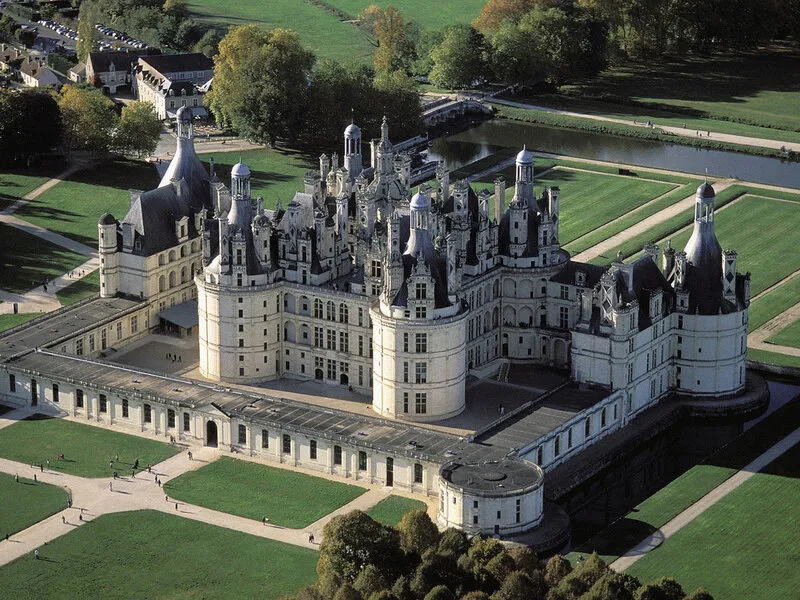
There are places that don’t just impress — they enchant, wrap you in the atmosphere of past centuries, and stay with you long after you’ve left their walls behind. That is exactly what Chambord Castle is — a magnificent historic landmark of France rising above the green plains of the Loire like a fairytale vision, born of a king’s imagination and the genius of the Renaissance. In its silhouette you can read humanity’s timeless longing for beauty, harmony, and immortality. This is a place where marble and stone speak louder than words.
From afar, Chambord Castle looks like an illusion: light, almost airy towers, fantastical chimneys, and an ornate roofline that feels like a set from a fantasy film. But take a few steps closer — and the grandest castle complex of Chambord opens up before you: a true royal residence where every stone holds stories of ambition, love, rivalry, and great achievements. It was here that French kings allowed themselves to be dreamers, inspirers, and innovators.
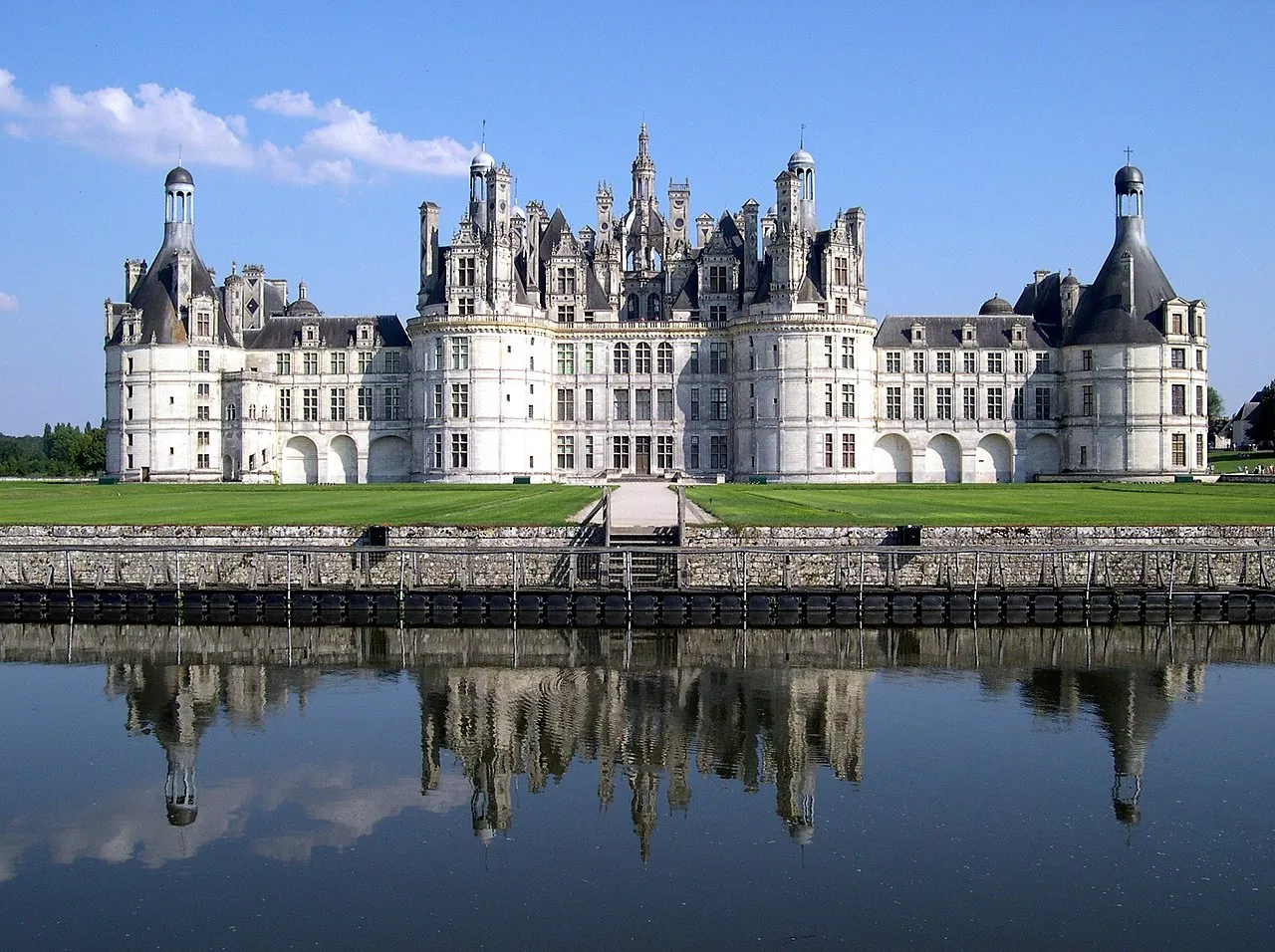
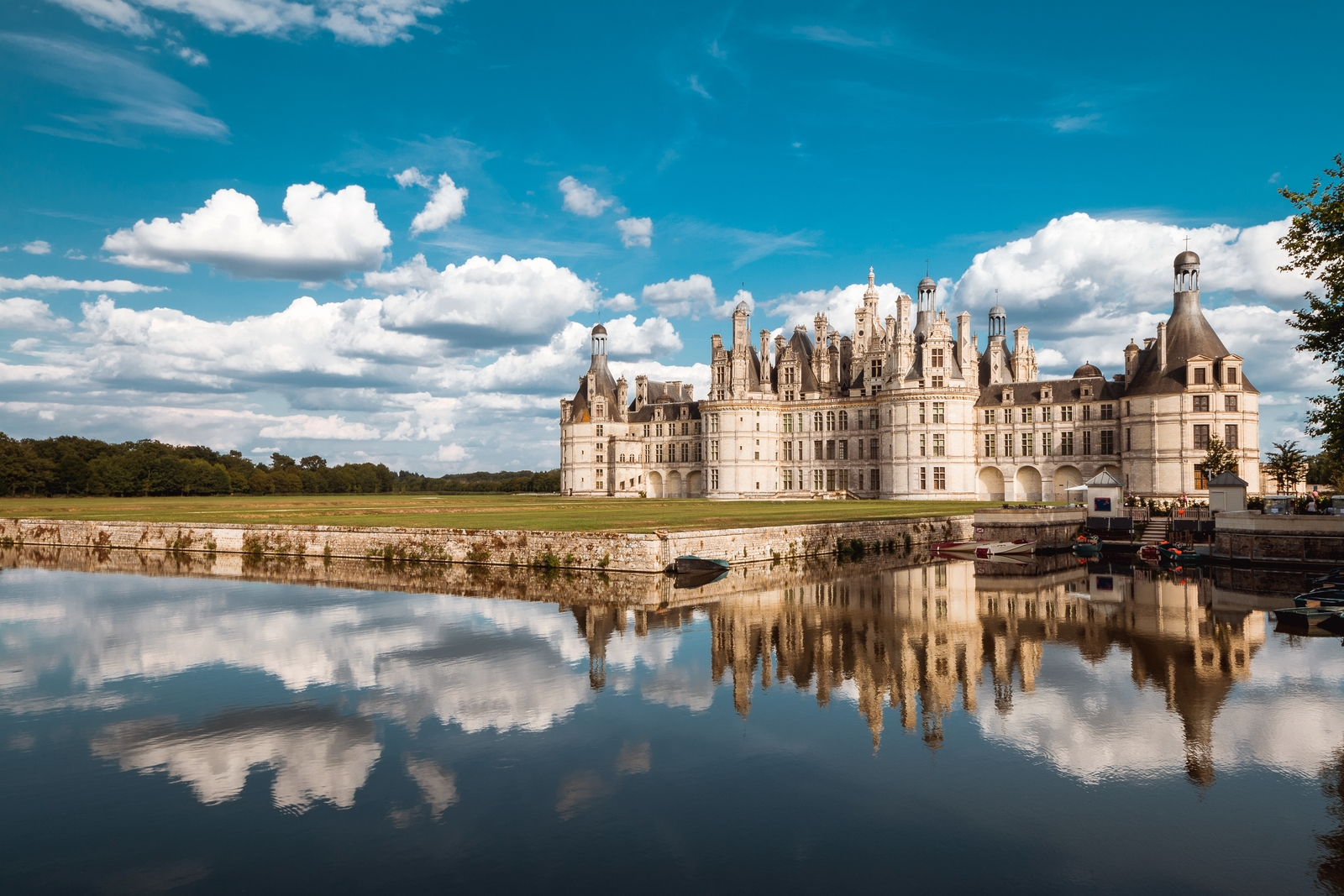
Surrounded by the largest enclosed park in Europe, Château de Chambord offers a sense of quiet and space that’s hard to find even in France’s most remote corners. The air is fresh, the grass glitters in the sun, and the castle’s walls are reflected in the calm waters of the canal. No wonder it’s spoken of not merely as one of the most beautiful castles in France, but as a true jewel that reveals itself gradually — like a book in which each page is more fascinating than the last.
Setting off on a journey to Chambord Castle, you step into another world: a world of Renaissance geniuses, royal hunting traditions, grand banquets, and architectural experiments. This isn’t just a tourist spot — it’s a trip to the heart of France, to its culture and soul. And even if you’ve seen hundreds of castles, this one will give you a sense of freshness and a special kind of wonder that’s hard to compare with anywhere else in Europe.
Why is Chambord’s Renaissance castle worth visiting?
Chambord Castle, France is a rare chance to see what architectural genius looks like when it isn’t boxed in by limits. Here you’ll find the very best of the Renaissance: bold experiments with space, carefully considered symmetry, and symbolism you can feel in everything. And if you’re looking for a place that inspires, amazes, and gives you a new way of seeing the world — this is it.
- An ideal spot for a family break in the Loire Valley;
- A chance to soak up the atmosphere of the most majestic Renaissance-era residence;
- One of the best photo locations among all castles in France;
- Access to a royal nature park where history and wild landscapes come together in harmony.
So if you’ve dreamed of a place where history comes alive with every step, where the grandeur of the Renaissance is felt not only in the architecture but in the whole atmosphere around you — a journey to Chambord Castle will become your unforgettable adventure. It’s a location you’ll want to wander for hours, discovering new details again and again: imaginative staircases, royal halls, booming hunting legends, and quiet paths through oak forests.
And even though the age of kings is long gone, here it still seems to breathe in the air. The castle doesn’t merely tell its story — it lets you feel it, live it for at least a few minutes in royal silence and splendour. And our article will help you discover this masterpiece from the right angle: with knowledge, understanding, and inspiration. Welcome to one of France’s most iconic places.
The history of Chambord Castle — a historic landmark of France and a jewel of the Renaissance
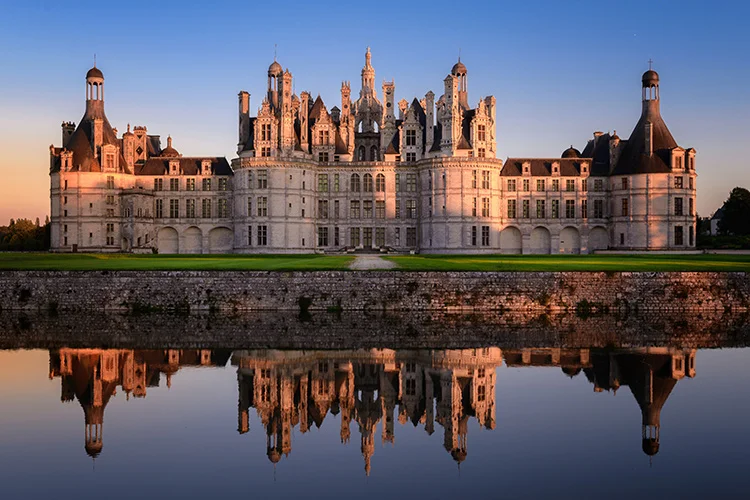
Chambord Castle is an architectural legend whose story begins in the 16th century. Its construction was commissioned by King Francis I in 1519 as a symbol of his power, grandeur, and cultural taste. Although the castle is often called a “royal residence”, in reality it never served as the monarch’s permanent home. It was a vast hunting lodge built among the forests of the Loire, where the king could escape official affairs and receive influential guests.
Francis I, a passionate admirer of the Italian Renaissance, wanted to create something entirely new in France — an architectural manifesto that would blend medieval fortifications with Renaissance refinement. Leading masters of the era worked on the project, and one of the most intriguing facts links the castle to Leonardo da Vinci himself. Although the genius died in 1519, there is evidence that his ideas became the basis for the famous double-helix staircase at the heart of Chambord.
Royal ambitions and unfinished dreams
The construction of this Renaissance castle lasted for decades, and even in Francis I’s lifetime it was never completed. The king spent only about 50 days in Chambord, yet each visit turned into a grand operation — furniture, tapestries, decorative objects, kitchen supplies, and even portable staircases were brought onto the site. After the monarch’s departure, the castle fell silent again until the next visit.
Later, Chambord saw many rulers: Louis XIV, who completed part of the work; the Duke of Bourbon; Marshal Maurice of Saxony, who used the castle as a residence; and even the brother of Louis XVI — the Count of Artois. Yet despite its magnificence, it rarely served as a true home — maintaining such a structure was extraordinarily expensive.
- 1519 — the beginning of the castle’s construction;
- 60 years of work and constant changes to the architectural design;
- 440 rooms, 84 staircases, 800 dormers and pediments — a truly unmatched scale;
Chambord today
Today, Chambord Castle in France is not only a museum, but also a major historic and architectural complex that preserves the spirit of the Renaissance while combining cultural heritage, a nature park, and modern visitor experiences. After centuries of trials — from revolutionary upheavals to wartime years and extensive restorations — Chambord has kept its unique atmosphere, becoming one of the most famous symbols of the French Renaissance.
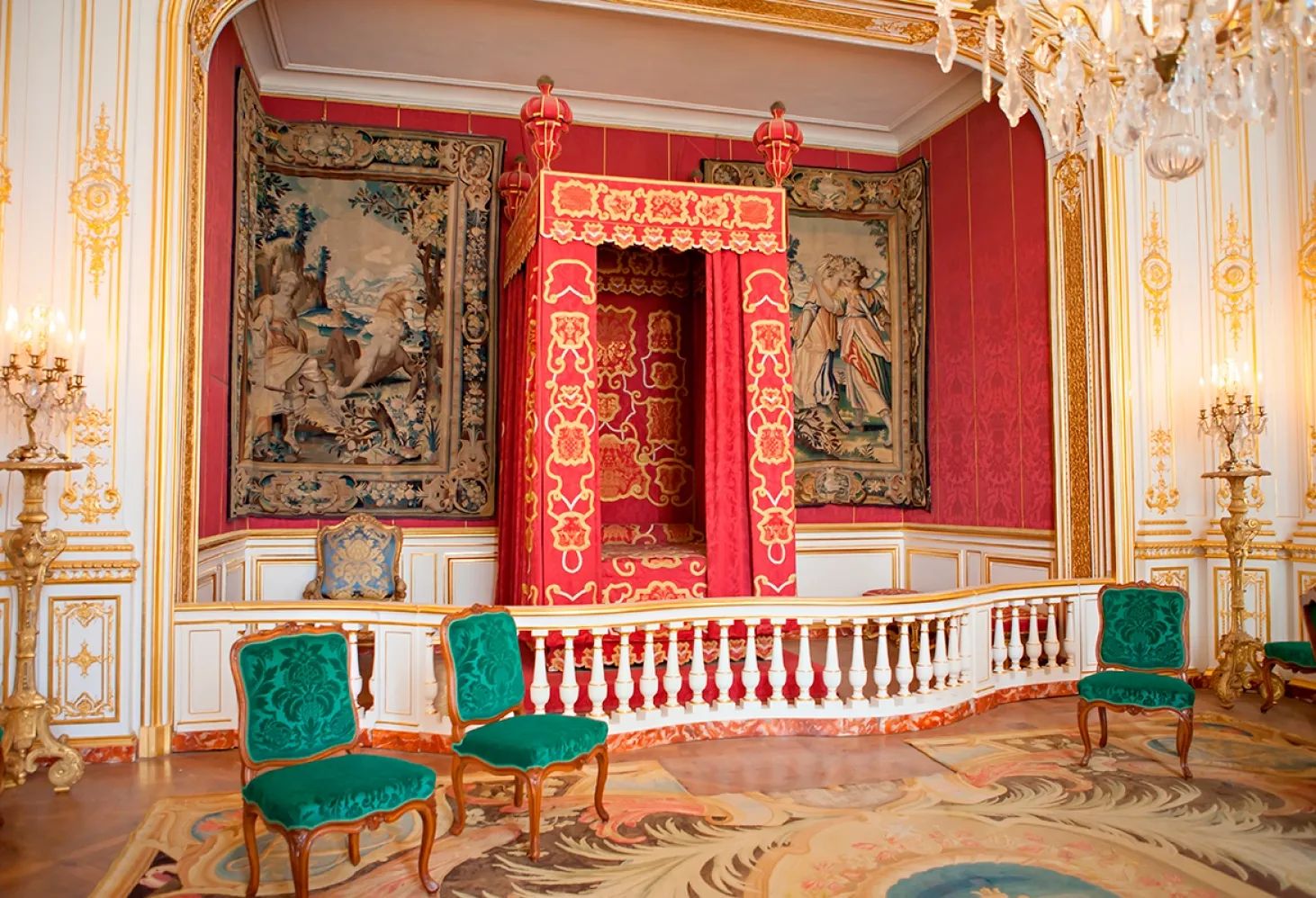
Today, Chambord Castle serves as a national museum and one of the country’s most popular tourist attractions, welcoming around a million travellers each year. Its interiors open access to more than 60 rooms featuring impressive collections of antique tapestries, royal furniture, paintings, and decorative arts from different eras. A large part of the space is also dedicated to a unique exhibition on the history of hunting — a key aspect of the castle’s creation, since Francis I envisioned this grand residence precisely for royal hunts.
Beyond its historic halls, Chambord actively develops its cultural programme: contemporary art exhibitions, historical reenactments, equestrian shows, themed festivals, and seasonal events are held here regularly, keeping the castle a lively and dynamic place. The vast nature park surrounding the residence has become a setting for walks, wildlife watching, cycling routes, and excursions that let you see Chambord from different angles.
- UNESCO added Chambord to the World Heritage List in 1981;
- Today the castle is one of the main symbols of the Loire castles and Europe’s architectural heritage.
All of this makes the castle not only a monument of the past, but also an active cultural hub where history and modern life coexist in harmony. Chambord continues to live, inspire, and attract travellers from all over the world, remaining the true heart of the historic complex in the Loire Valley.
Architectural and natural highlights of Chambord Castle
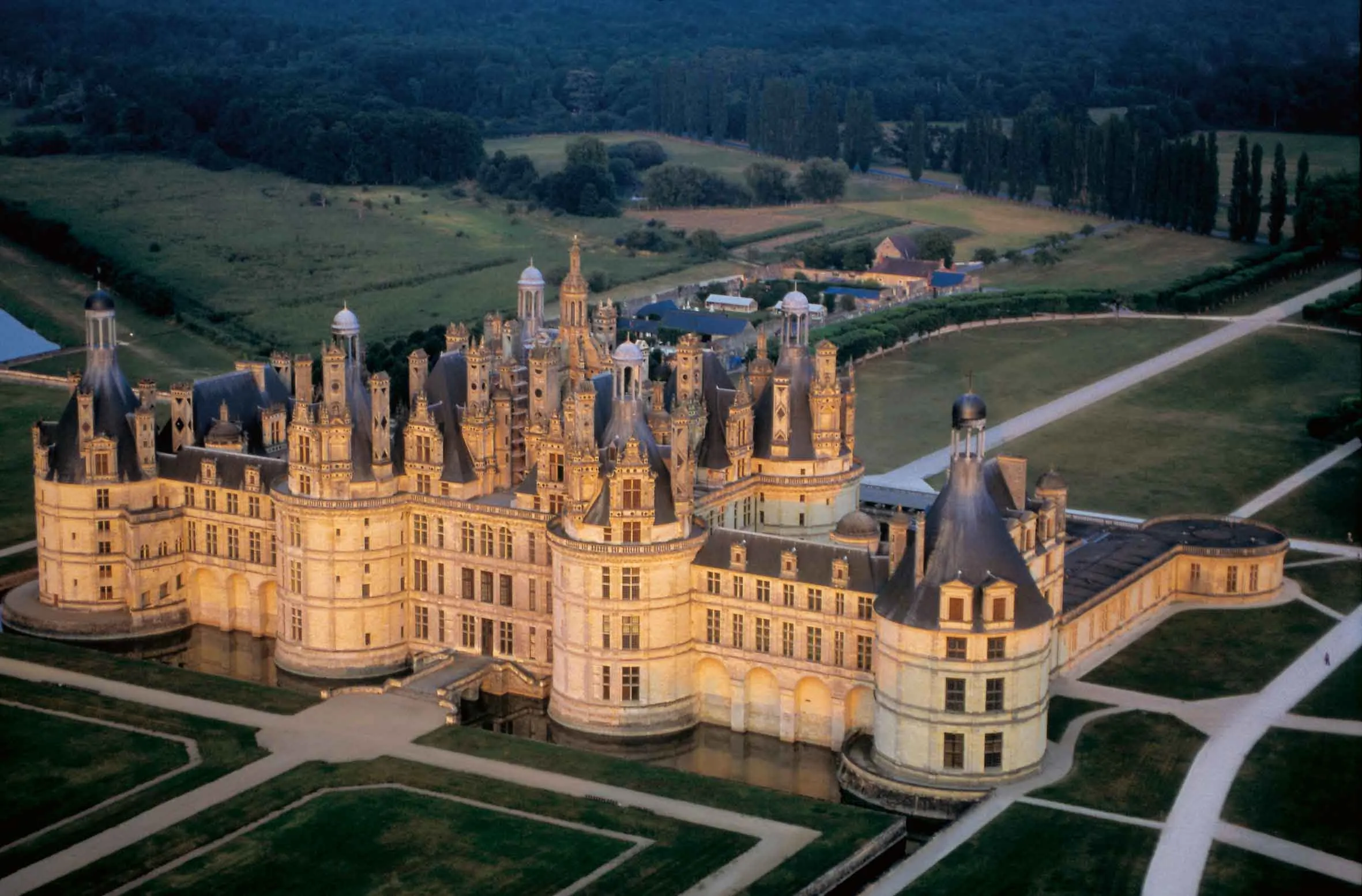
Chambord’s Renaissance castle is one of the most recognisable buildings in the world — a symbol of the French Renaissance that blends the grandeur of a medieval fortress with the elegance of a Renaissance palace. Looking at its silhouette, you might think the architects were competing in imagination: more than 800 decorative elements, dozens of towers, galleries, terraces, and the famous chimneys create an image that’s impossible to forget. This unique composition is what people often call the architectural ensemble of Chambord.
Despite its monumental look, the castle is not a defensive structure — its arrow slits, moats, and towers are largely decorative. It was a royal statement of ambition, political power, and taste, not a fortified stronghold. The project’s central idea was a blended aesthetic in which features of Italian palazzi were combined with the French tradition of high roofs and refined ornamentation.
The double-helix staircase — Leonardo da Vinci’s mystery
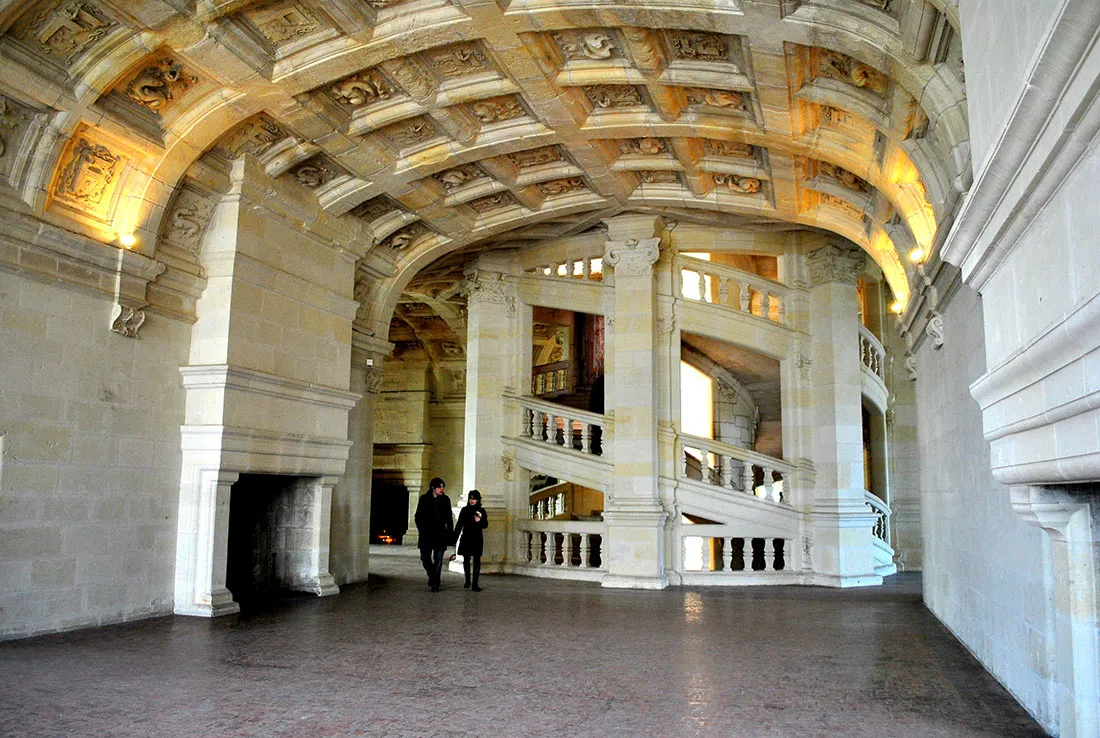
The true jewel of the interior is the double-helix staircase set within the central tower. This element became one of the most iconic in European architecture. Two separate spirals allow people to go up and down at the same time without crossing paths. The engineering idea was so far ahead of its time that researchers still believe its author was Leonardo da Vinci. King Francis I often met the genius in Amboise, and their collaboration may have been key in shaping the castle’s design.
- 440 rooms, with more than 60 open to visitors;
- 282 fireplaces and over 800 decorative dormers;
- Three levels of terraces with panoramic views over the nature park;
- A harmonious blend of fortification-style elements and Renaissance décor.
Chambord Nature Park — the largest in Europe
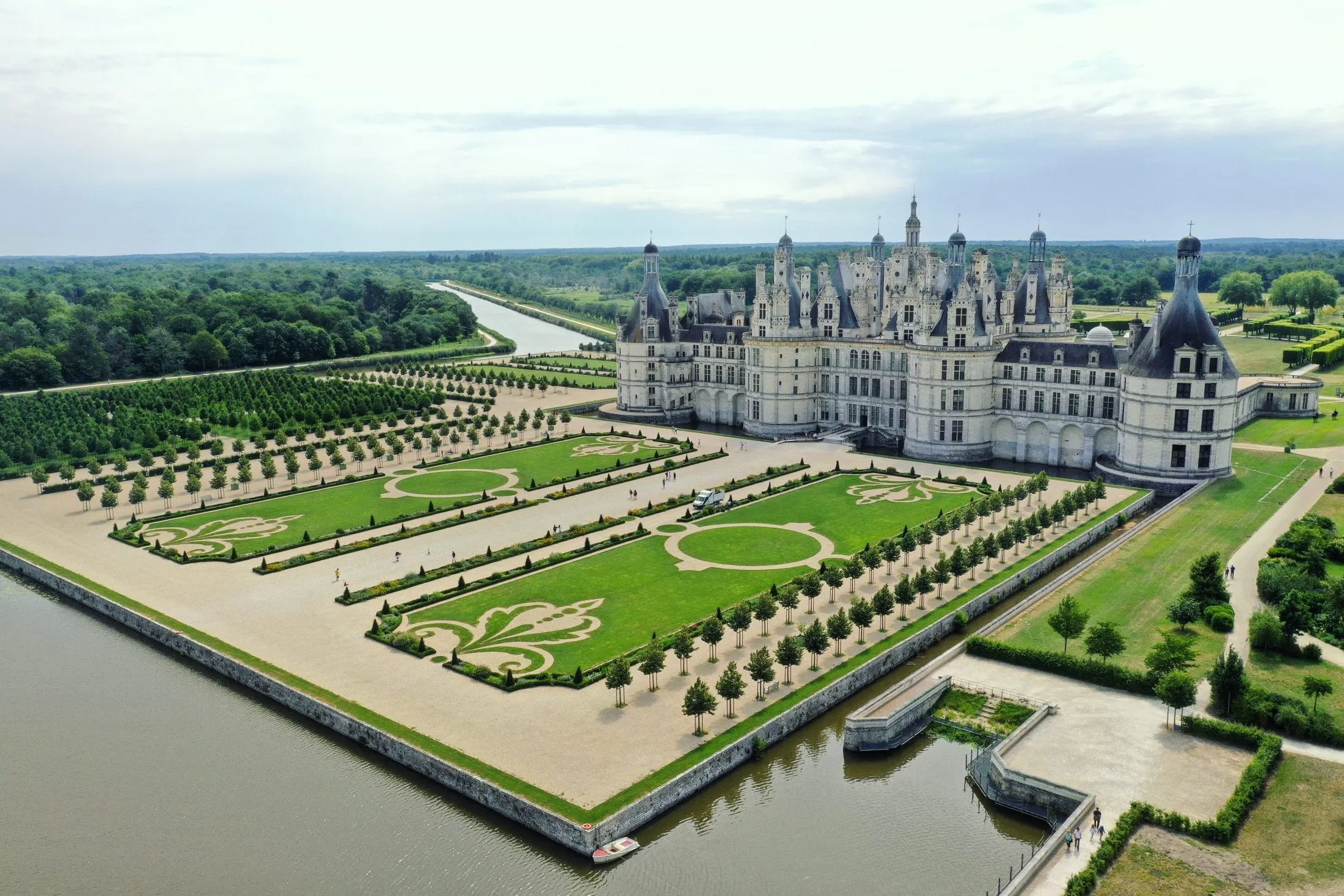
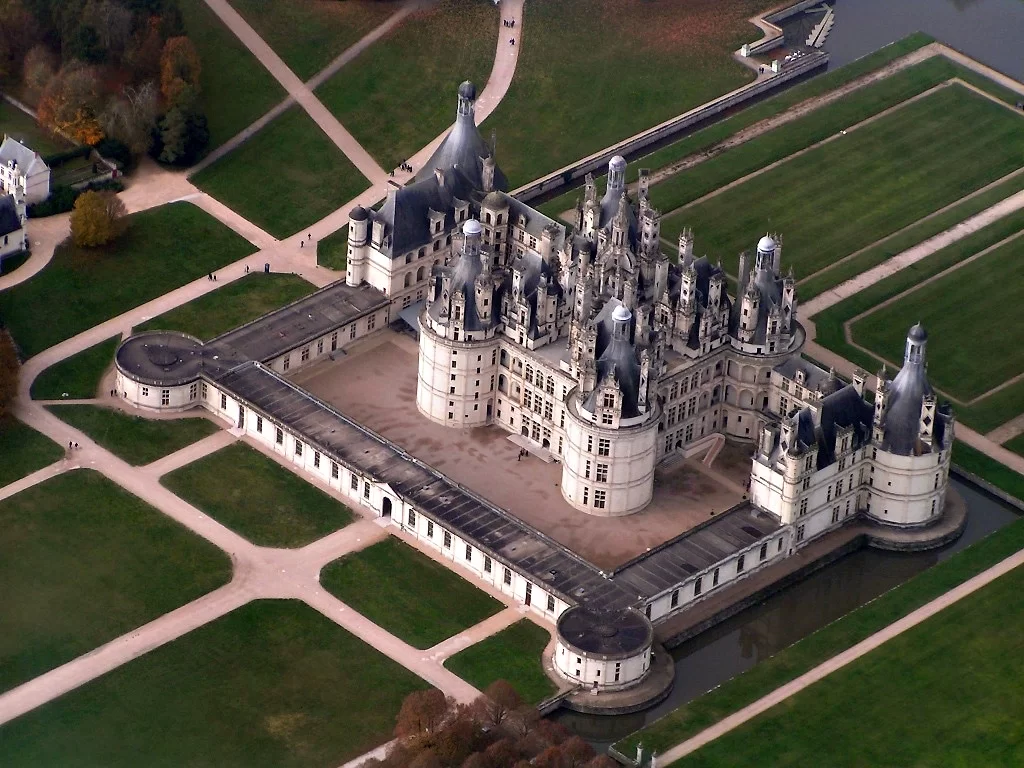
The castle is surrounded by a vast nature park covering more than 5,000 hectares — the largest enclosed woodland in Europe. Created as private royal hunting grounds, it has preserved the natural landscapes of the 16th century. Deer, mouflon, wild boar, countless birds, and rare plants live here. Visitors can enjoy cycling and walking routes, eco-trails, and viewing platforms where you can spot wildlife in its natural habitat.
The park gives Chambord not only a picturesque backdrop, but also a unique aura. Majestic trees, quiet waters, and open horizons create an atmosphere where history and nature coexist in rare harmony. Thanks to this, Chambord Castle in the Loire Valley has become popular both for historical tours and for peaceful time outdoors.
Chambord Castle photo gallery



Quick facts about Chambord Castle
The historic complex of Chambord is one of France’s most outstanding architectural landmarks and a key jewel among all the castles of the Loire Valley. For travellers, this quick guide is a handy point of reference before the trip — helping you plan your time and budget, and understand the essentials of visiting.
A brief overview of the site
As a Renaissance residence, Chambord combines the status of a museum site, a nature park, and a historic architectural monument. It lies in the very heart of the Loire Valley, in the Centre–Val de Loire region, surrounded by woodland — which makes it an especially atmospheric place for walks and excursions.
- Type of site: Renaissance castle, museum, nature reserve;
- Average visit length: 2–4 hours (including walks in the park — up to 6 hours);
- Accessibility: most of the area is suitable for adults, children, and older visitors; accessible routes are available for people with limited mobility;
- Budget: from €14–16 for a standard ticket; extra costs — audio guide hire, boats, bicycles, souvenirs, food and drink;
- Location: about 170 km from Paris and 55 km from Blois and Tours.
Accessibility and facilities
The castle has modern facilities, including kiosks, small restaurants, rest areas, interactive exhibitions, and information centres. Visitors often note that the wayfinding is convenient, and that entrances and routes are designed so even in peak season it rarely feels overcrowded.
- Parking is available, including spaces for campervans;
- Bicycle and electric cart hire for exploring the park;
- Boat hire for trips along the surrounding canals;
- Audio guides in different languages, including interactive tablets for children;
- Dedicated family routes with convenient stopping points.
This guide will help you get your bearings quickly and form a clear idea of what to expect during your trip to Chambord Castle. Next, we’ll dive into the most intriguing part — legends, lesser-known facts, and the historical mysteries of this grand residence.
Fascinating facts and legends about Chambord Castle — the most beautiful castle in France
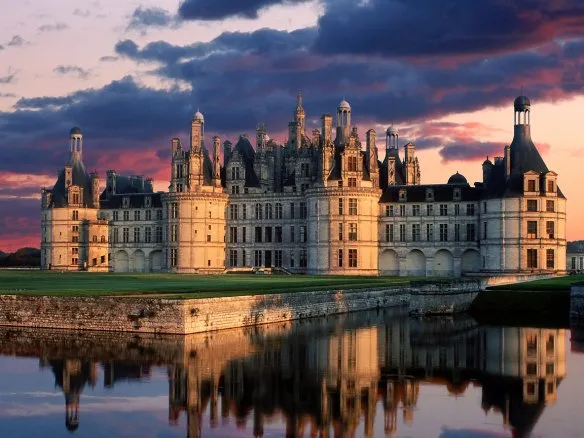
There are places that whisk you into a fairytale before you’ve even taken your first step. The architectural ensemble of Chambord is exactly that. Majestic, unreal in its beauty — as if it were shaped not by human hands, but by the imagination of an artist in love with the world, with beauty, and with art. Its towers rise so high it feels as though they’re reaching for the sky. And when the sun touches the white stone, the castle glows with warm, golden light — almost alive.
As you approach, you feel a slight shiver — as if you’re entering a world where anything is possible. There’s no city noise, no rush — only a vast forest, silence, space, and the sheer grandeur of this residence. And when Chambord’s silhouette appears before your eyes, you understand why it’s called one of the most beautiful castles in France. It isn’t just beautiful — it overwhelms you with its scale, symmetry, and an atmosphere that words can hardly capture.
The best part is that a trip to Chambord isn’t only about architecture. It’s about feeling. About meeting the French character — refined, elegant — and a history that comes alive in galleries and on terraces. It’s a place where it’s easy to forget time and simply allow yourself to be a traveller discovering the world.
A huge nature park, quiet alleys, old canals, fairytale reflections on the water — all of this turns the Renaissance-era residence into one of France’s most romantic and atmospheric places. You can walk for hours, and each time discover new angles, new towers, new details that had been hidden from view before. That’s why so many travellers return — because Chambord isn’t “once is enough”. It leaves a mark on your heart.
Leonardo da Vinci and the double staircase: coincidence or a genius’s legacy?
Legend has it that Leonardo da Vinci gave Francis I the idea for the central double-helix staircase. The master worked on projects for the French court and may have handed his drawings directly to the king. Although there is no documentary proof, the staircase’s style echoes da Vinci’s engineering solutions so strongly that most historians see a direct influence.
- The staircase is designed so two people can move at the same time without meeting;
- Light falls onto the structure through a large lantern atop the roof tower, creating remarkable optical effects;
- The master used a similar principle in his designs for Italian fortresses.
440 rooms — yet the castle was almost never lived in
Despite its grand scale, Chambord Castle was practically never a permanent residence. It was too cold in winter, too damp in summer, and its woodland setting made it inconvenient for everyday life. So every royal visit became a real operation — temporarily “setting up” the palace.
- During Francis I’s visits, up to 3,000 pieces of furniture were brought in;
- More than 10 hours were needed just to transport royal tableware and tapestries;
- After the monarch left, everything was taken away again.
Chambord and modern culture
The castle often appears in films, TV series, fiction, and even video games. It was used as inspiration for the palace in the animated film “Beauty and the Beast”, and as a backdrop for historical productions. Chambord’s silhouette is so recognisable that it has become a symbol of classic French culture.
- Films such as “Chevalier” and “Marianne” shot scenes in the inner galleries;
- Some artists called it a “stone symphony of the Renaissance”;
- Travellers often say Chambord looks as if it stepped out of a fairytale.
These facts help you understand just how unique this French Renaissance residence is — its story goes far beyond architecture. It’s a place of legends, mysteries, and countless storylines that make a journey to Chambord Castle a genuine discovery.
Events and festivals at Chambord Castle — the living heart of a Renaissance residence
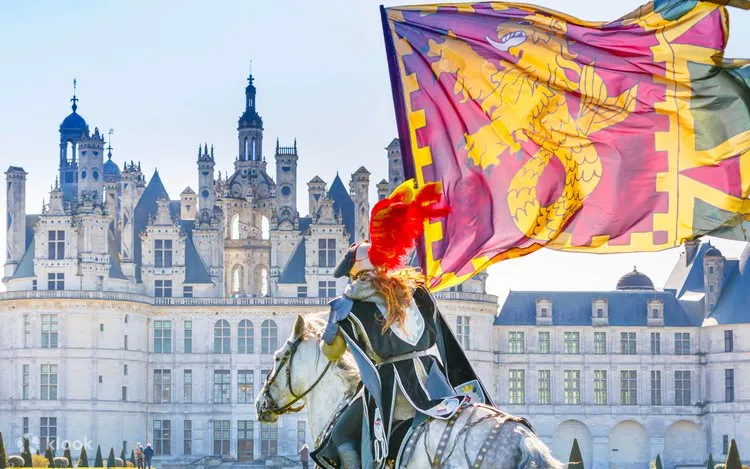
Chambord Castle is not only a magnificent architectural monument, but also a cultural centre that throughout the year fills with events, concerts, exhibitions, and theatrical performances. Its broad terraces, historic halls, and wide lawns create a unique atmosphere for a variety of occasions that attract visitors from all over the world. This is where French history comes alive, and modern culture finds new forms.
Many events take place in the inner courtyard, on the terraces, or in the park that stretches across more than 5,400 hectares. Some programmes are dedicated to the historic traditions of royal France, others to contemporary art and culture. So when planning your break at Chambord Castle, it’s worth checking the events calendar — often it’s the festive atmosphere that makes your time here even more special.
Below are the best-known festivals, seasonal programmes, and cultural initiatives that regularly take place at Chambord and draw travellers from all over the world. It’s a wonderful chance to see a Renaissance castle in motion — not only as a monumental historic site, but as a place that continues to live and create new history.
Seasonal shows and equestrian performances
One of the most popular attractions at Chambord is its annual equestrian theatre shows. In the park and on special arenas, performances recreate royal hunts and scenes of 16th-century life. Stunt riders, actors in Renaissance costumes, music, and special effects create the luxurious feeling of a royal celebration.
- Shows run from spring to late autumn;
- There are separate performances for children;
- The themes change every year, making each visit unique.
Music celebrations and summer festivals
In summer, the castle grounds turn into an open-air concert venue. Symphony orchestras, chamber ensembles, jazz bands, and even contemporary experimental projects perform against Chambord’s fairytale silhouette. Thanks to the park’s natural acoustics, these concerts sound especially magical — light, full, and deeply inspiring.
- In June, France celebrates its National Music Day;
- Summer festivals draw guests from across the Centre–Val de Loire region;
- Evening concerts are often accompanied by light installations.
Historical reenactments and fairs
Throughout the year, the castle hosts themed fairs, “medieval” markets, and craft festivals. It’s a great opportunity to see what life might have looked like in the Renaissance era. Many events include workshops, wine tastings, traditional cuisine showcases, and performances by street musicians.
- Craft workshops in blacksmithing, pottery, and weaving;
- Culinary presentations featuring traditional Loire-region dishes;
- Demonstration fights and parades in historical costumes.
Special exhibitions and cultural programmes
Each year, the Chambord museum estate organises new exhibitions dedicated to art, architecture, nature, or the history of France. Often these feature works by contemporary artists who create installations specifically for the castle’s theme. Such displays allow you to see Chambord in unexpected contexts — as an artistic space, not only a historic monument.
Events at Chambord create a unique atmosphere — a feeling that the castle lives its own life. So if you’re planning a tourist trip to Chambord, it’s worth checking the events calendar — your visit might coincide with a festival you’ll remember for a lifetime.
What to see and what to do at Chambord Castle
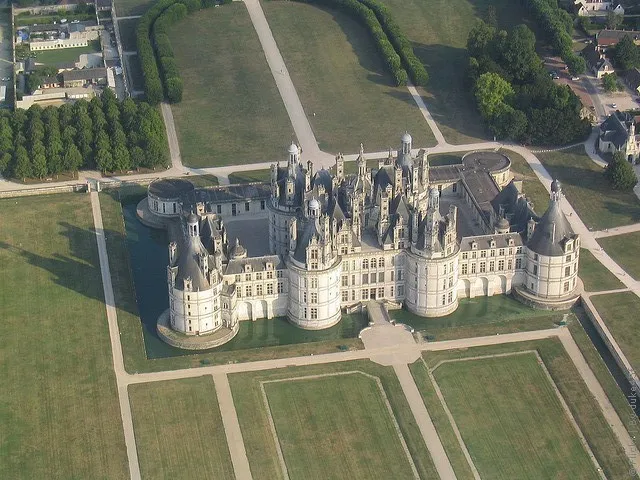
A visit to Chambord Castle is a journey into the heart of the French Renaissance, where history, art, and nature weave together into one striking ensemble. You can feel the scale of royal power, the finesse of architectural thought, and the special atmosphere of ancient halls that have preserved the spirit of the 16th century. Surrounded by a vast park and the picturesque landscapes of the Loire Valley, the royal residence at Chambord offers so many things to do that every traveller will find something for themselves — from cultural discoveries to calm or active time outdoors.
The Renaissance palace of Francis I captivates from the very first minutes: its silhouette, crowned with hundreds of turrets, rises above the horizon like a fairytale city that forgot to return to its story in time. Some people joke that Chambord’s architects simply competed over who could draw the most roofs and spires on a single sheet — and somehow everyone won. Inside, a real “history quest” begins: each hall opens a new chapter, and the double staircase adds extra intrigue — who gets to the top first, and why don’t you meet on the same flight?
That’s why you’ll want to stroll through Chambord slowly — as if you have your own royal title and nobody is in a hurry. It’s easy to catch yourself thinking that time has stopped, and the world beyond the park can wait. A place that has inspired kings, artists, and travellers for centuries continues to surprise, inspire, and give you that fairytale lightness people travel to the Loire Valley for from all over the world.
Panoramic terraces with views over the Loire Valley
Climb up to the Chambord terraces and you’ll be rewarded with an unforgettable view of forests, the canal, open lawns, and the castle’s whimsical spires. It’s one of the best spots for photos, because from above Chambord looks truly storybook — fully living up to its reputation as one of the most beautiful castles in France. From here you can see the real geometry of its architecture: dozens of chimneys that look like stone chess pieces, and balustrades that resemble lace carved from white stone.
The panorama is so wide it feels like you could reach out and touch the treetops in the park. On a clear day you can even make out parts of the nature reserve where deer roam — so don’t be surprised if an unexpected “pointy-eared extra” appears in your photos. Visitors often stay here longer than planned: the terraces offer a rare sense of balance between the grandeur of history and the calm of nature.
Chambord Museum — exhibitions and contemporary art
The museum estate offers both classic historical displays and contemporary art projects. You’ll see castle models, tapestries, paintings, and temporary installations that change several times a year. Thanks to this, every tour at Chambord can feel new and unique.
Special attention goes to the themed rooms devoted to Chambord’s construction: here you can see drawings, reconstructions, and models that show what the architects’ earliest ideas looked like. Some are so bold that it feels as if Renaissance masters were trying to outpace their time and create something truly extraordinary. Among the exhibits you’ll even find early ventilation schemes and ingenious mechanisms for lifting materials — a real 16th-century engineering imagination.
Contemporary artists also love Chambord and often use its spaces as a stage for experimentation. Installations appear in galleries, the courtyard, and sometimes even on the terraces. You might come across huge metal sculptures, light compositions, or projections that bring the castle walls to life at dusk. Visitors joke that it can be hard to tell where Renaissance stone ends and modern art begins — but that’s exactly part of Chambord’s charm.
So the Chambord museum isn’t “just another ancient French castle” — it’s a living space that keeps evolving, adding something new, and blending tradition with the present. It’s never boring here: even if you return several times, you’ll always find something different to discover.
Park walks and active leisure
The park around the castle residence in the Loire Valley is a separate natural gem covering more than 5,400 hectares. It has walking and cycling routes, spots for strolls along the canal, and cosy meadows. Chambord Park looks especially enchanting in spring and autumn.
Traditional equestrian shows at Chambord Castle are often held on the grounds, demonstrating old riding techniques and elements of fencing. These shows delight both adults and children, and the atmosphere recalls the days of royal spectacles.
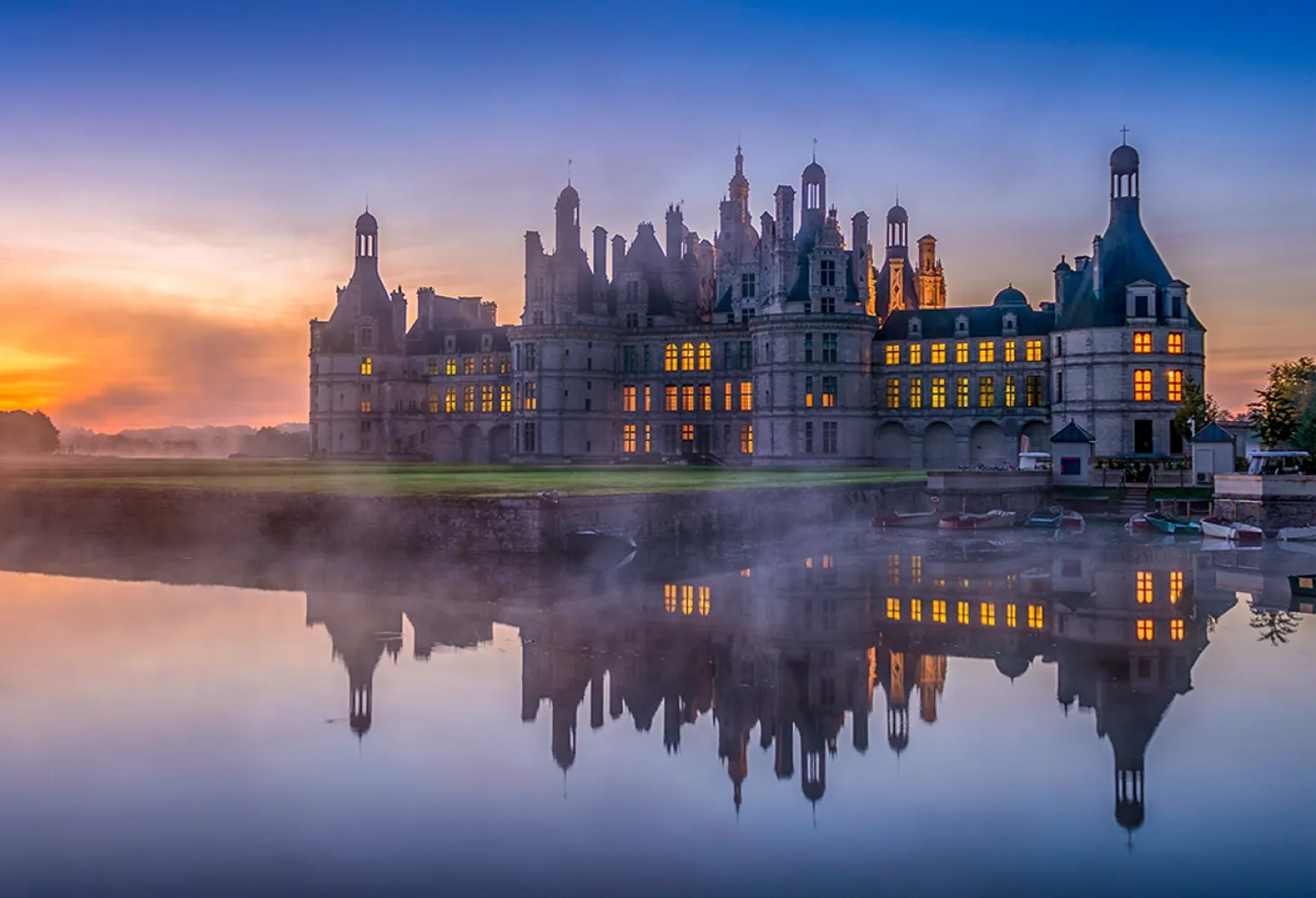
The 17th-century canal is the perfect place for anyone who wants beautiful photos or simply a quiet break. The mirror-like water creates a stunning reflection of the castle’s silhouette, especially at sunset.
Evening light installations
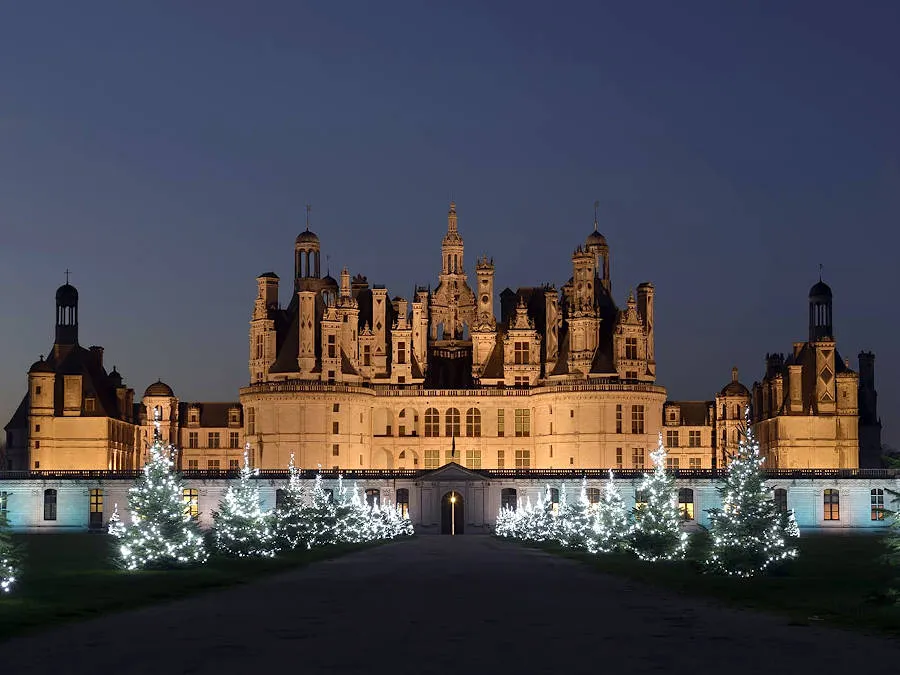
In summer and during the winter holidays, Chambord’s façade turns into a bright stage for light shows. Illuminations highlight every curve of the towers and create a magical atmosphere that keeps many visitors here until late evening.
But the magic doesn’t stop there. As soon as the sun goes down, the castle changes — as if someone flipped an invisible switch and turned on “fairytale city” mode. Some travellers even joke that Chambord at night looks like it’s preparing for the premiere of its own film — and honestly, it would easily win an “Oscar” for best performance in the fantasy genre.
During the show, historical scenes, riders’ silhouettes, Renaissance patterns, and abstract light compositions come alive on the walls. It feels as if the stone is breathing and the towers are dancing to the music. Children watch in awe, adults with a romantic sparkle in their eyes, while photographers try to keep up with every frame — because every minute brings a new picture.
The light reflection in the canal looks especially atmospheric: it’s as if Chambord has a twin living in a parallel world beneath the water. Some visitors say it’s the best moment of the day — when the castle, lit by thousands of lights, stands in the quiet of the evening, and all around you hear nothing but amazed “wow” in different languages of the world.
What to visit near Chambord Castle
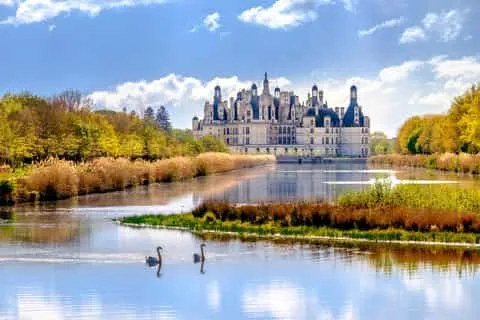
Tourist France offers travellers far more than just the pleasant emotions of the Eiffel Tower in Paris or the inspiration of world masterpieces in the Louvre. This country of romance and great stories sparkles like a precious diadem set with gemstones — in an architectural sense, of course. The most beautiful castles in France are scattered so generously across the land that sometimes it feels like all you have to do is step off the road — and a new royal residence appears before your eyes.
France knows how to surprise — and does it with effortless elegance and its signature charm. Here, even a short stroll between Loire castles turns into a romantic journey through time, where the past seems to breathe beside you and every stone tells its own story.
The Loire Valley is not only home to Chambord Castle, but also one of France’s most fascinating travel regions. At every turn you’ll find historic landmarks, wine estates, picturesque towns, and cosy villages where time moves much more slowly. And if you’ve already come to Chambord, it would be a real crime (a tourist one, not a criminal one) to head back without seeing at least a slice of this rich variety.
Blois Castle — the heart of royal history
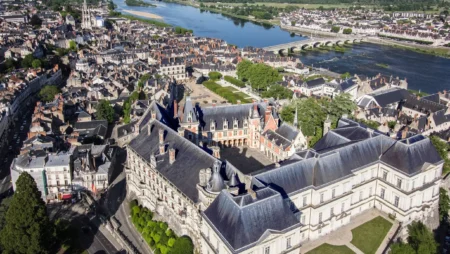
You can start your travel route from Chambord Castle with a visit to Blois — a place where French history quite literally comes alive at every step. Just a 15-minute drive away, Blois Castle is one of France’s most important royal residences. Its architecture is a living textbook of three eras: Gothic, Renaissance, and Classicism. Seven kings and ten queens lived here, and its inner courtyard has seen more intrigue than any modern TV series.
Walking through its halls, it’s easy to picture court ladies swapping the latest gossip, or a king weighing state decrees by the flicker of candlelight. In Blois you can feel the true political pulse of 16th-century France: crucial decisions were made here, coronations were prepared, and dynasties shifted. And if you look closely at the façades, you can spot each ruler’s character — in the details, decorations, and symbols.
So, Blois is the perfect starting point for discovering royal apartments, where the castles of the Loire Valley are the key to a brilliant day out: they set the right mood, add context, and create that unmistakable “wow” effect that makes you want to see as many residences of this famous valley as possible.
Cheverny Castle — a residence of elegance
Cheverny is often considered the most “homely” Loire castle, as it still belongs to a private family. Everything here is impeccably kept — from aristocratic interiors to the famous hunting dogs you can see being fed every day. Locals joke that the dogs have a better schedule than some office workers.
Cheverny’s charm lies in its lively, warmer character. This is not a museum castle frozen in time, but a real residence, preserved with love and attention to detail. The rooms look as if the owners are about to return from a walk in the park: books on the tables, family portraits on the shelves, and a sitting room that smells of wood and antique fabrics. That’s why many visitors say Cheverny feels like the set of an elegant film — but without any sense of artificiality. Everything here is natural, alive, and very French.
Cheverny leaves a warm aftertaste: it doesn’t try to impress with grandeur or scale like some Loire castles, but it enchants with its humanity, cosiness, and that homely feeling within historic walls.
Wine estates of the Loire Valley
The Loire Valley is a true paradise for wine lovers. Dozens of estates organise tastings, tours through France’s vineyards, and talks about winemaking. It’s a wonderful way to experience the region not only with your eyes, but also with your palate.
Here, winemaking is not just a craft, but a family tradition passed down from generation to generation. Some wineries still use old presses that have been working for more than two hundred years, and the owners can tell stories that sound more truthful than any legend. In every glass there’s a piece of local soil, sunshine, and the region’s character. Loire wines are known for their freshness, lightness, and bright aromas — so even those who consider themselves “wine beginners” quickly find a favourite style.
Many estates offer more than tastings — they create real gastronomic journeys with local cheeses, fresh baguette, fruit tarts, and stories about how the taste of wine has changed from era to era. And if you’re lucky enough to visit in autumn, you can watch the harvest, hear the rustle of ripe grapes in buckets, and feel the spirit of winemaking France with your own eyes — and hands.
Sologne Nature Park
Not far from Chambord begins one of the most beautiful natural areas in central France — Sologne. It’s a land of lakes, forests, and trails where you can find complete peace. It’s perfect for walking, cycling, or watching wildlife.
Sologne is a place where nature rules the landscape so majestically, as if it decided to create its own royal park, capable of rivaling any residence built by human hands. Everything here feels bigger, cleaner, and more natural: paths wind through pine forests, lakes gather cloud reflections on their smooth surfaces, and the fresh air carries that same light scent that hunters of the French court may have breathed in centuries ago.
The park is especially appealing for anyone who dreams of escaping city noise, even for a little while. Morning mists slowly rising above the lakes turn Sologne into a scene worthy of the Impressionists. And if you wander deeper into the forest, you might come across deer, fallow deer, and countless birds — nature here isn’t shy about showing itself at its best.
Fans of active holidays will find dozens of routes in Sologne: from short walks to long-distance cycle paths that weave through forests and fields. And in autumn the park is especially enchanting — trees burst into shades of gold and ruby, and even a brief stroll turns into a journey through a fairytale world.
Rules and etiquette when visiting Chambord Castle
Chambord is a unique historic complex in the Loire Valley, and every visitor influences what the castle will remain for future generations. The rules here aren’t strict so much as sensible, rooted in simple respect for the place and the people around you. They also help you spend your time as comfortably as possible, so your break becomes the start of new discoveries.
Remember: Chambord’s stone has seen kings, commanders, artists, and thousands of events over half a millennium. That’s why it’s best not to touch the exhibits, not to lean on delicate railings, and not to use flash when photographing in historic rooms. This helps preserve the original materials.
Behaviour during tours
There are many tours at Chambord, and they often run in parallel. If you catch the guide of another group — don’t be surprised: the castle walls have wonderful acoustics, and they also carry extra noise very well. So it’s better to speak more quietly, avoid blocking narrow passages, and be mindful of people who are listening closely to their own guide.
It’s worth noting that you can take photos in Chambord, and the castle looks stunning from any angle. But in rooms where tapestries, paintings, or wooden elements are kept, visitors are asked not to use flash. On the terraces and in the courtyard there are no such restrictions. If you’re planning a professional photo shoot, it’s best to clarify the details at the information centre — they’re quite relaxed about it, but it does come with rules.
Park etiquette and comfort during your walk
The park around Chambord is not just a green space, but a protected natural area where deer, fallow deer, and many birds live. It’s important to keep quiet, stay on marked paths, and not leave litter. This is a place where silence is part of the atmosphere, and nature behaves just as naturally as it did hundreds of years ago.
The grounds are huge: sometimes it feels like the park never ends. So it’s worth bringing comfortable shoes, water in the warmer months, and light clothing that will protect you from wind on the terraces. This simple kit will make your trip easier — and your impressions brighter.
By following these simple rules, you not only ensure your own comfort, but also help preserve Chambord — one of the most beautiful and valuable castles in France.
Frequently asked questions about Chambord Castle
Where is Chambord Castle located, and how do you get there?
Chambord Castle is located in the Centre–Loire Valley region, about 15 km from the town of Blois. The most convenient option is by car or hired transport. You can also take a train to Blois and then a shuttle bus directly to the castle.
How much time do you need to visit the castle?
On average, 2.5–4 hours. If you’re planning a walk in the park and visiting exhibitions, allow 5–6 hours — or even a full day.
Do you need to buy tickets in advance?
In high season (April–October), it’s highly recommended. Online tickets help you avoid queues and go straight to the entrance.
Is Chambord suitable for families with children?
Yes, very much so. The grounds are flat and spacious, with interactive areas, quests, equestrian shows, and pram-friendly routes. Children are especially impressed by the double staircase and the terraces.
Can you take photos inside the castle?
Yes, photography is allowed almost everywhere, but without flash. There are no restrictions on the terraces or in the courtyard.
Are pets allowed?
In the park — yes, as long as the animal is on a lead. Pets are not allowed inside the castle’s interior spaces, except for assistance dogs.
Is it easy for older visitors to get around the castle?
The main routes are convenient and accessible. However, the historic staircases may be challenging. Alternative routes and staff assistance are available if needed.
Can you hire a bicycle or a boat?
Yes, nearby there are rentals for bicycles, electric carts, canoes, and boats. It’s a wonderful way to explore the huge park around the castle.
Where can you eat near Chambord?
There are several restaurants and cafés on site. You can also find local bistros in the village of Chambord and in Blois, serving game dishes, Loire cheeses, and fruit desserts.
Do you need a guide to visit the castle?
Not necessarily. The castle is well signposted, with multimedia guides and maps available. But a tour with a professional guide reveals many fascinating historical details.
Summary: why Chambord Castle is worth the trip
The architectural ensemble of Chambord is a jewel shining among France’s majestic medieval castles — and at the same time, the leading star of the Loire Valley’s châteaux. Here, history and romance are woven together so seamlessly that it feels as if even the wind in the park whispers legends of kings, and every step through the halls carries a faint echo of the Renaissance. And if you’re looking for a place where you can combine cultural discovery, an atmospheric break in the Loire Valley, and a small adventure on a distinctly French scale — Chambord is an ideal choice.
This castle is not just a famous tourist attraction in France, but a true symbol for travellers who choose quality, beauty, and inspiration. It fits perfectly into castle routes across France, letting you see different sides of French history — from Gothic legends to Renaissance elegance. And the park that surrounds it adds a layer of natural harmony to the journey — the kind we often miss in the modern world.
The French like to joke: “If you haven’t seen Chambord, you’ve only seen half of France.” And there’s a grain of truth in that — it’s hard to find another place where the past is blended so masterfully with nature, and where even a short walk feels like a small cinematic moment from your life. Here you’ll want to take photos, write postcards, breathe deeply, and from time to time say “Ooh la la!”, even if you never have before.
So if your soul craves new impressions and your heart asks for adventure — set off on a journey to Chambord Castle. Give yourself permission to wander its corridors slowly, gaze over the Loire Valley from the terraces, feel the power of history and the lightness of French energy. Let this castle become your personal discovery of France — bright, unforgettable, and the kind of place you’ll want to return to.
Chambord is waiting for you. Pack your suitcase, charge your camera — and head for adventure in the heart of France!
No Comment
You can post first response comment.