
 English
 Українська
 Български
 Hrvatski
 Čeština
 Dansk
Dansk Nederlands
 Eesti
Eesti Suomi
Suomi Français
 Deutsch
 Ελληνικα
 Magyar
 Íslenska
 Italiano
 Latviešu
 Lietuvos
 Polski
 Português
 Română
 Русский
 Српски
 Slovenčina
 Slovenščina
 Español
 Svenska
 Türkçe
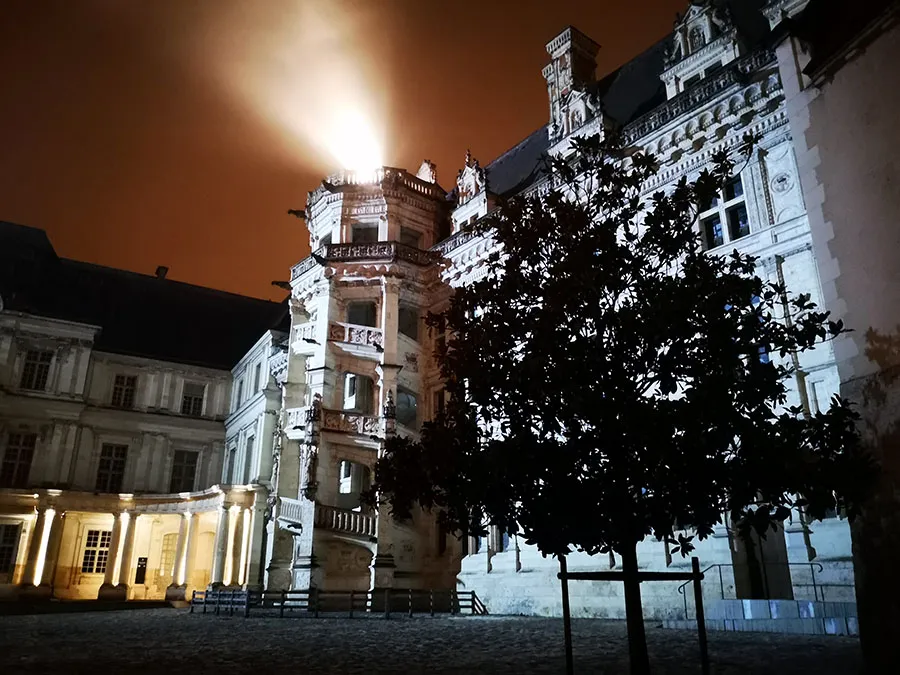
Château de Blois is exactly the place where France decided not to pick a single era, but to gather them all at once. Here the Middle Ages shake hands with the Renaissance, while Classicism watches on with stony irony. Located in the town of Blois, this royal complex has long since transformed from a monarchs’ residence into one of the country’s brightest tourist highlights and a key stop on routes through the castles of the Loire Valley.
The Château de Blois doesn’t try to look modest — and it’s right not to. Within these walls, kings came and went, intrigues were louder than banquets, and the architecture grew alongside the ambitions of the French crown. A stroll here isn’t just a tour, but a journey through centuries, where each wing tells its own story. That’s why the Royal Château of Blois rightly sits among France’s most famous and most fascinating castles — and wins you over at first sight.
Today, the Château de Blois in France is a living museum complex, where history doesn’t gather dust — it works its magic. It’s easy to pair cultural immersion with the simple pleasures of travel: trips through the Loire Valley, tastings of Loire wines, culinary discoveries, and unhurried time in Blois, when you just want to sit with a coffee and admire the royal façades without rushing.
So if you’re curious how an ordinary castle building turned into a royal residence of France, why Blois became a witness to the loudest chapters of court life, and how Château de Blois wrote its name into the story of the Loire Valley — get comfortable. Next, we’ll follow step by step the paths once walked by kings, favourites, and conspirators, and work out why this castle still refuses to let its guests go.
The history of Château de Blois — France’s royal residence through the centuries
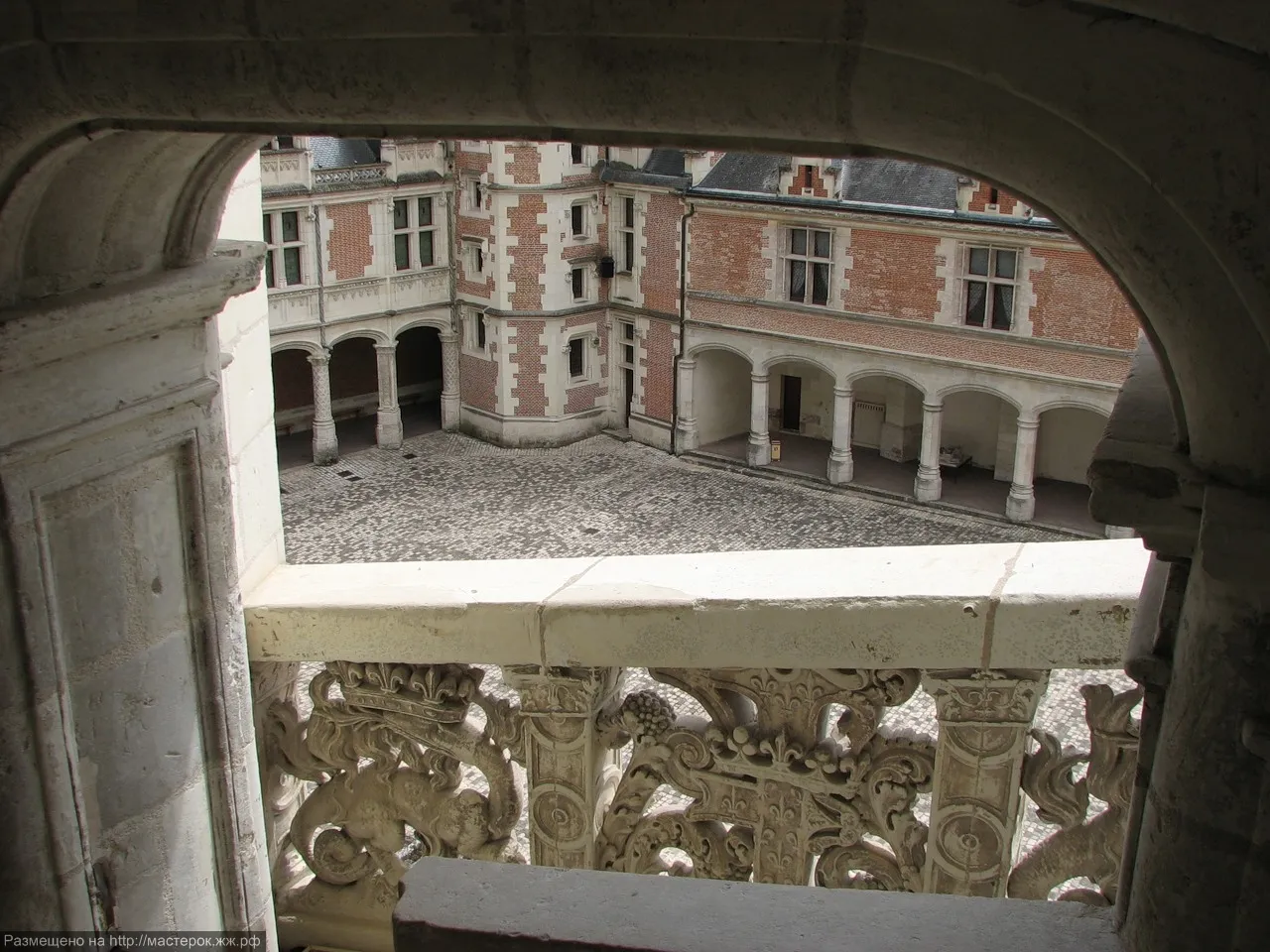
The chronicle of Château de Blois begins long before it became France’s glittering royal residence. The first fortifications on this spot appeared back in the early Middle Ages, when Blois was a strategically important point along the Loire route. The castle served a defensive role, controlling trade routes and river crossings, and even then it laid the foundations of its future political importance.
The real rise began in the 15th century, when the royal residence of Blois became a favourite of French monarchs. It was here that kings of the House of Valois lived and ruled, turning a medieval stronghold into a sumptuous Renaissance castle. Blois gradually became more than a place to stay — it became a centre of decision-making, diplomacy, and royal intrigue.
The history of Château de Blois is gripping, sometimes tragic, and at points so dramatic that modern TV series could learn a thing or two. Royal ambitions, conspiracies, sudden twists of fate, and decisions on which France’s future depended were everyday business here. And although the courtyard feels peaceful today, the stone walls still remember more than you might think at first glance. So let’s turn the first page of this story and step back to the days when Château de Blois was only beginning its journey from defensive fortress to royal residence.
Blois — the political heart of royal France
Within the walls of Château de Blois, events unfolded that shaped the fate of the entire country. The Estates-General were convened here, alliances were forged, plots were woven, and decisions were taken that reached far beyond the Loire Valley. In Blois, the royal court lived at a tense pace, where every step could become history.
One of the most famous and most tragic episodes was the assassination of the Duke of Guise in 1588, which firmly закрепило the castle’s reputation as a stage for royal drama. After these events, the Château de Blois in France was seen not only as a palace, but as a symbol of the complex and often contradictory story of the French monarchy.
From residence to historic complex
As France’s political centres shifted, Blois gradually lost its status as a permanent residence, but not its importance. In the centuries that followed, it went through periods of decline and restoration, changing its purpose until it became what it is today — a historic complex in the Loire Valley and a major cultural landmark.
Today, the history of Château de Blois isn’t read from textbooks, but directly from its façades, halls, and inner courtyard. Every architectural element is a reminder that this isn’t simply one of the castles of France, but a place where royal power helped shape the face of the state.
The architectural ensemble of Blois — an encounter of eras in a royal château
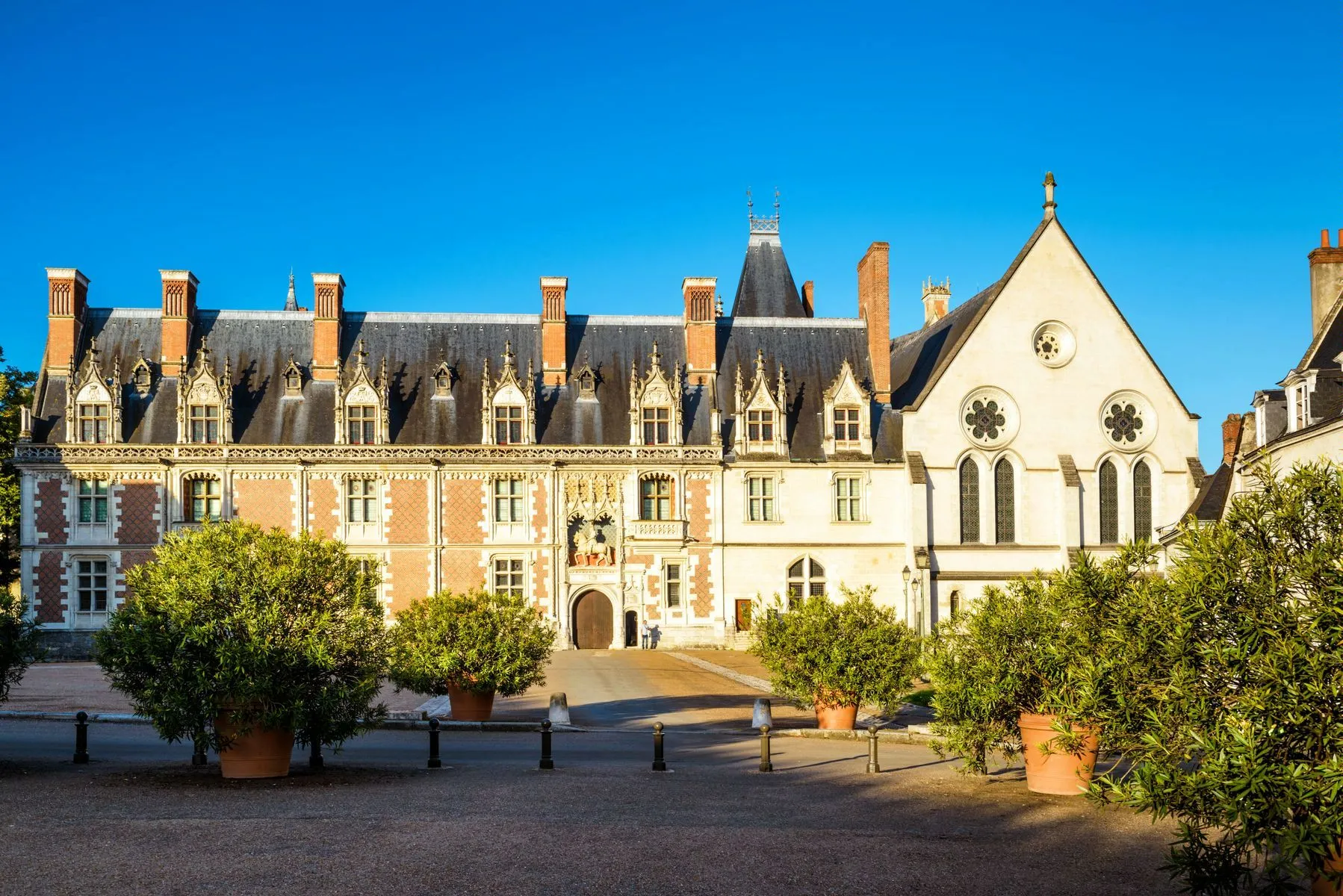
Blois is an architectural gem — a rare case where different eras don’t try to outshine one another, but coexist calmly within a single courtyard. While most castles of France present a style you can read instantly, Blois offers a game of “guess the century”, where each façade has its own character and mood.
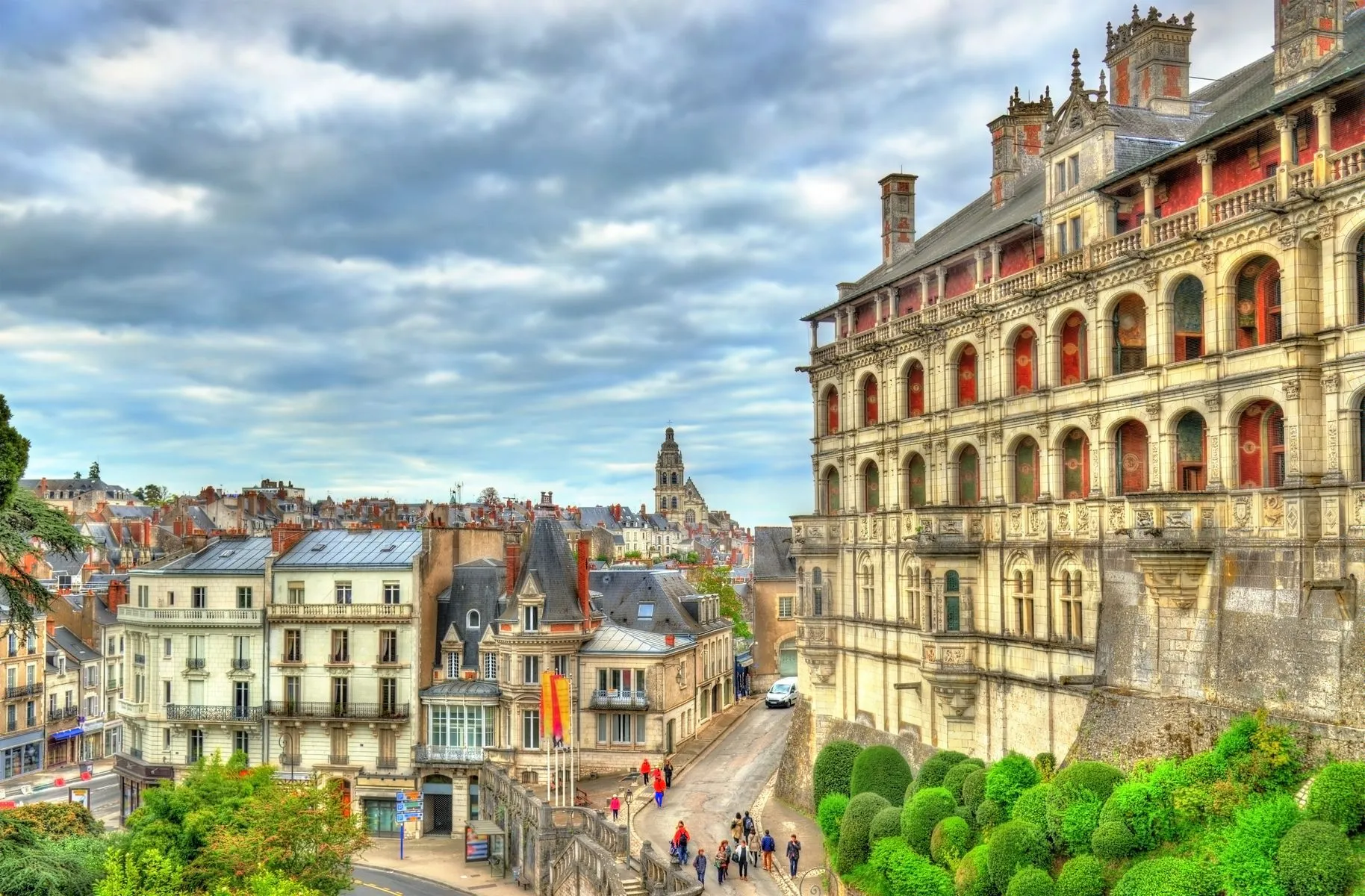
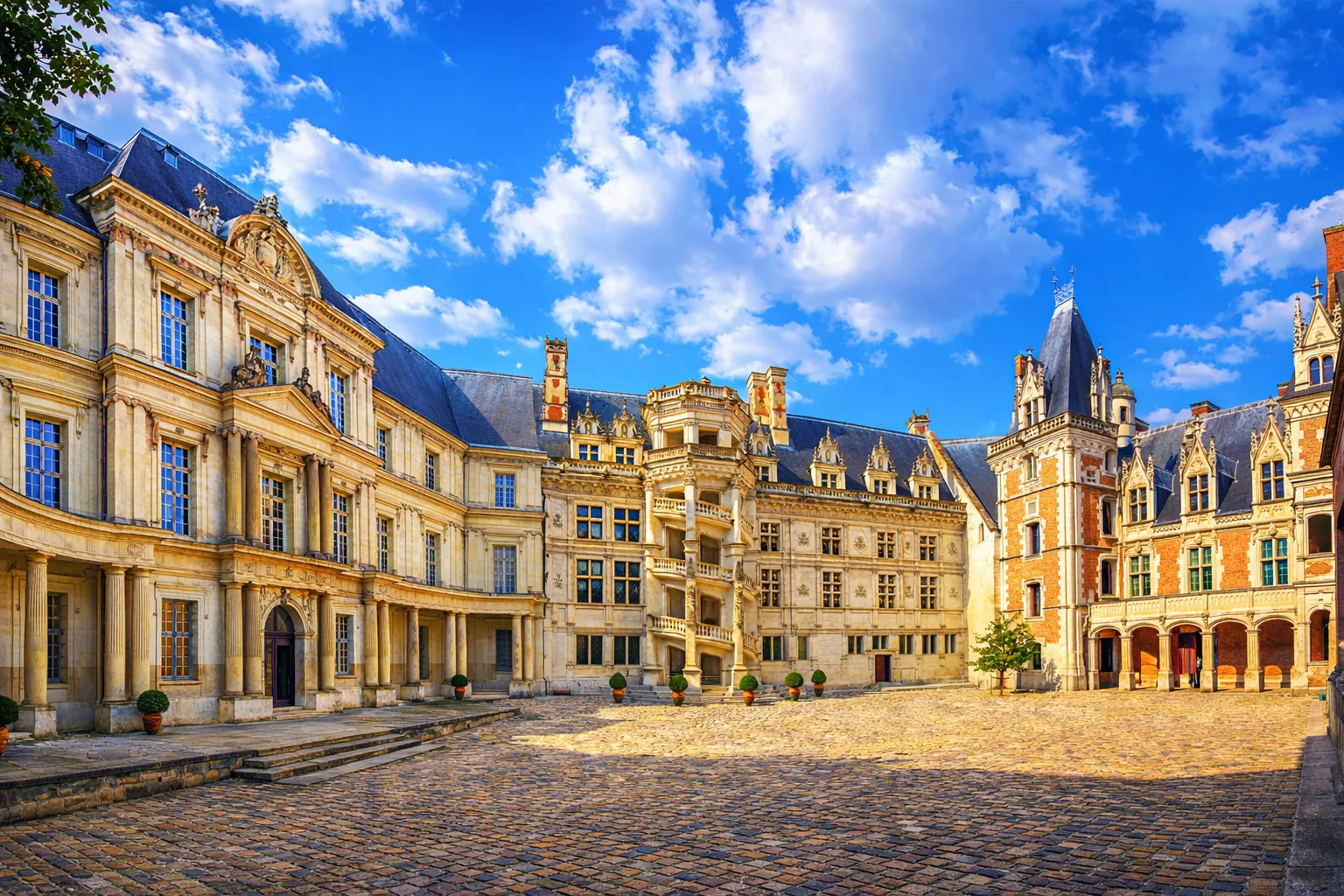
A walk around the inner courtyard feels like time travel without a time machine: a few steps and you’re in the Middle Ages; a few more and you’re in the splendour of the Renaissance; a little further and you’re in the restrained age of Classicism. This unexpected change of scenery is exactly what makes the museum complex of Blois one of the most intriguing sites among the castles of the Loire Valley — and a favourite for photographers and anyone who loves architecture with “character”.
Medieval roots: when the castle meant business
The oldest parts of the Blois complex aren’t trying to be pretty — they’re trying to be dependable. Thick walls, restrained décor, and a sense of solid mass remind you that this ancient castle of France once existed not for tourist strolls, but for defence, control, and survival in unsettled times. Here architecture thought in terms of siege and protection: narrow passages, limited viewpoints, and the cold logic of stone built to withstand not compliments, but blows.
A Renaissance château: when kings wanted beauty
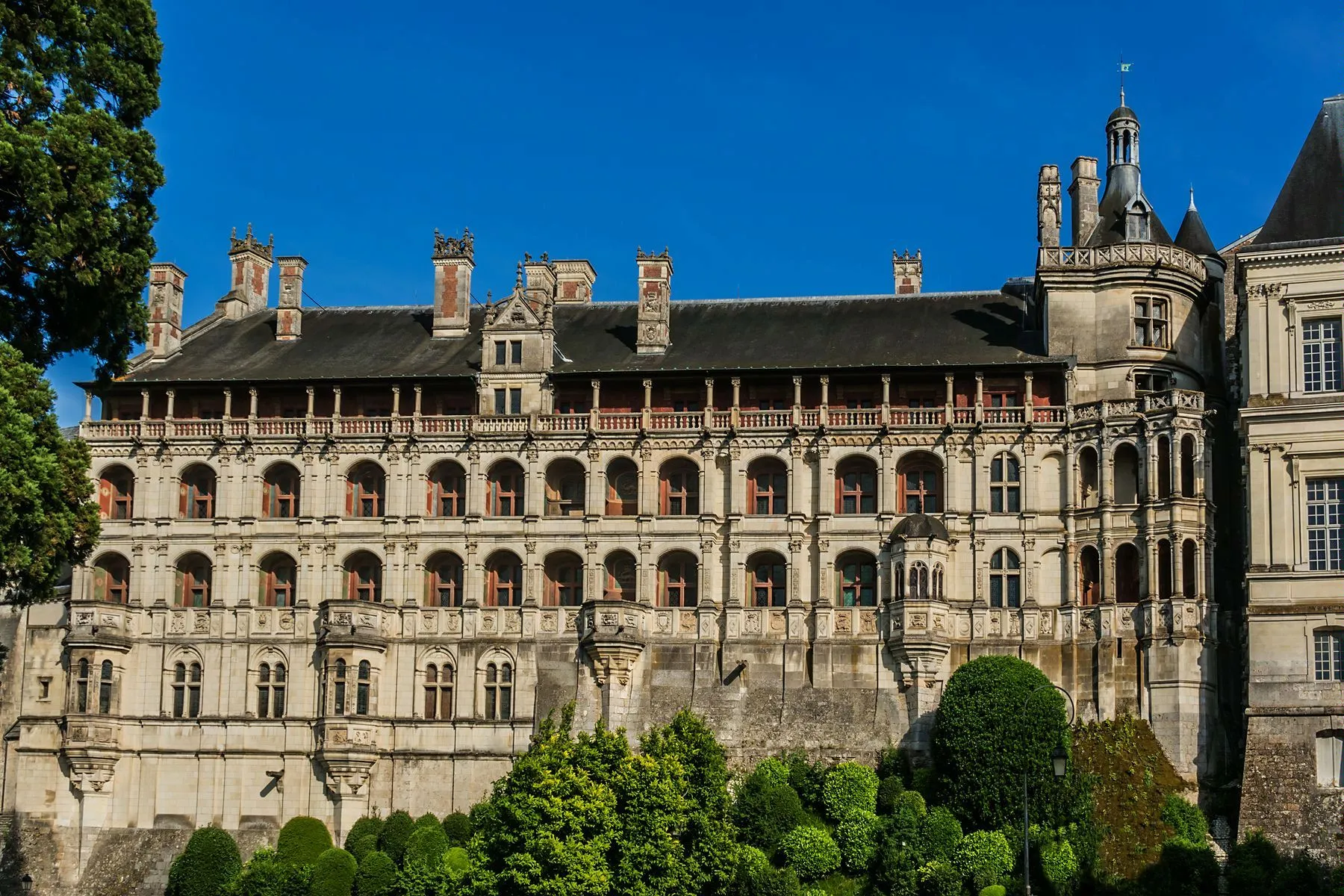
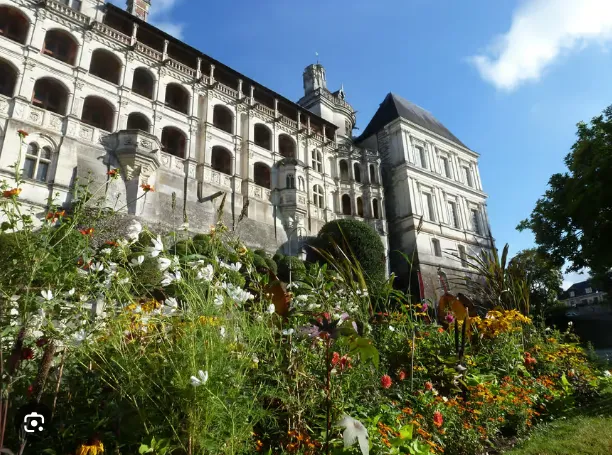
With the arrival of the Renaissance, Château de Blois, France changes its mood sharply. Decorative façades appear, elegant windows, and the famous spiral staircase tower — still one of the most photogenic details among the Loire’s Renaissance châteaux. Here architecture no longer defends itself — it shows off status, taste, and the ambitions of royal power. Façades stop scaring enemies and start impressing guests; staircases lead not to fighting positions, but to grand halls, where every detail was meant to say: this is not just a castle, it is a royal residence.
Classicism: when power chose order
The Classical wing looks as though royal power decided to bring order not only to the state, but to its own palace as well. Clear symmetry, restrained décor, and the absence of unnecessary ornament reflect a new approach to the image of the French monarchs’ royal palace, where rationality and control became key.
This architectural “unevenness” is exactly what turns the castle-museum of Blois into more than a palace — it becomes a living encyclopaedia of styles, one that’s not only enjoyable to admire, but also to decipher, like a complex yet irresistible puzzle.
Blois photo gallery
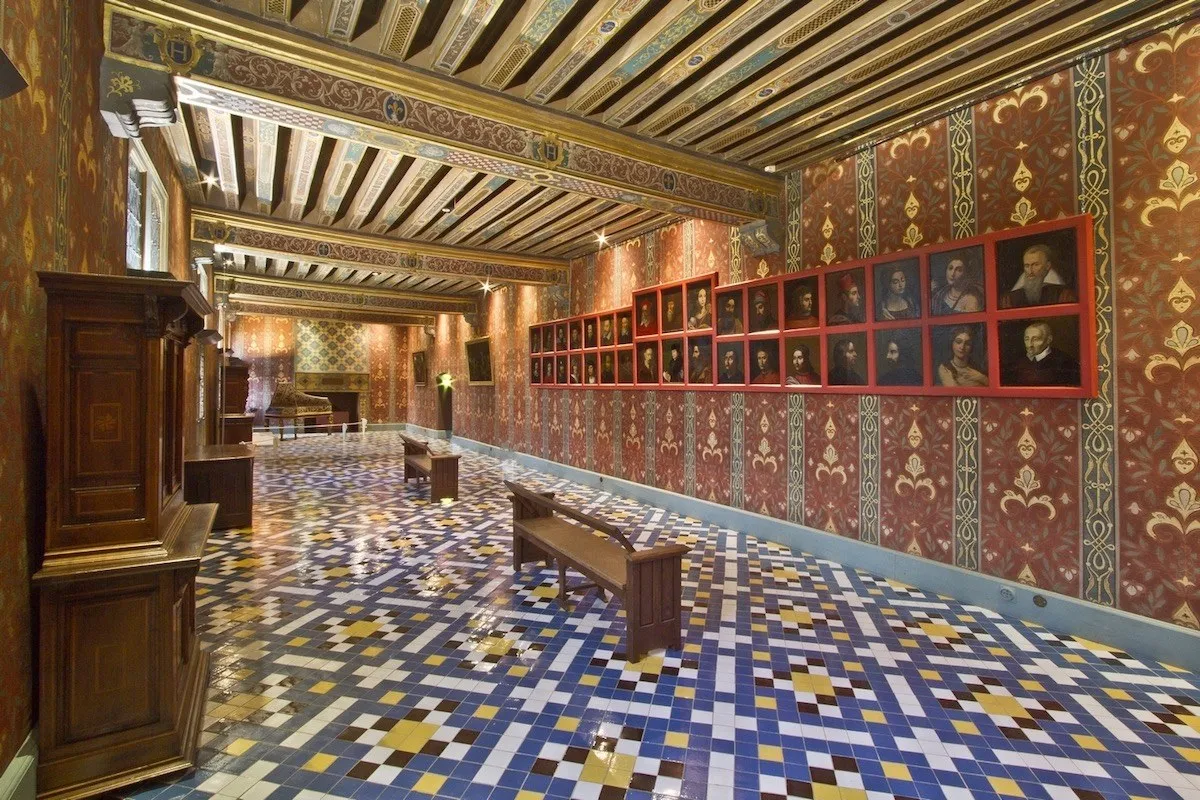
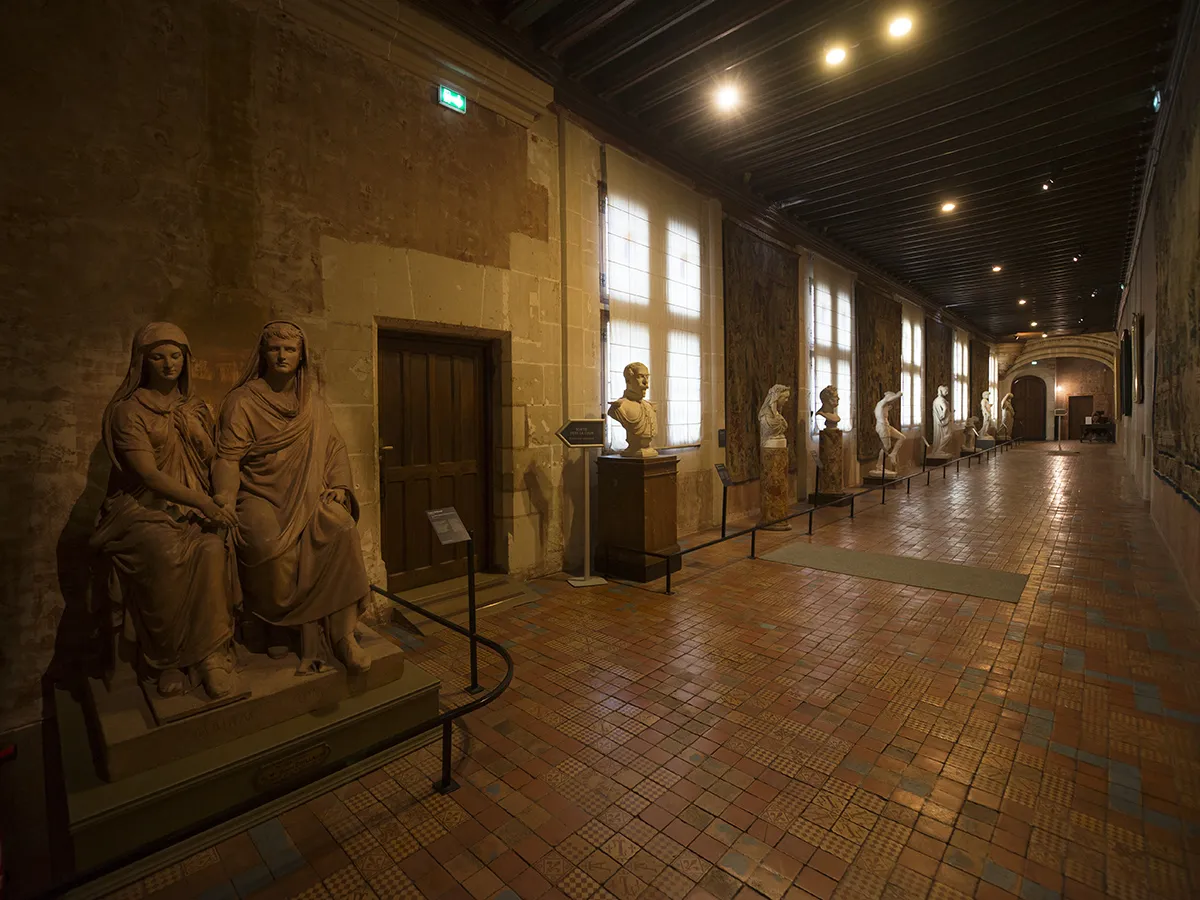
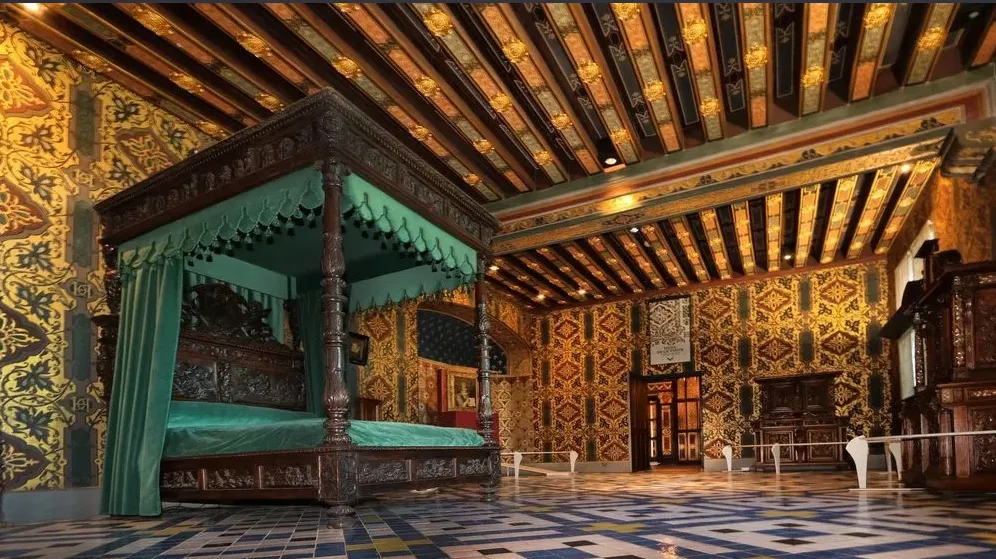
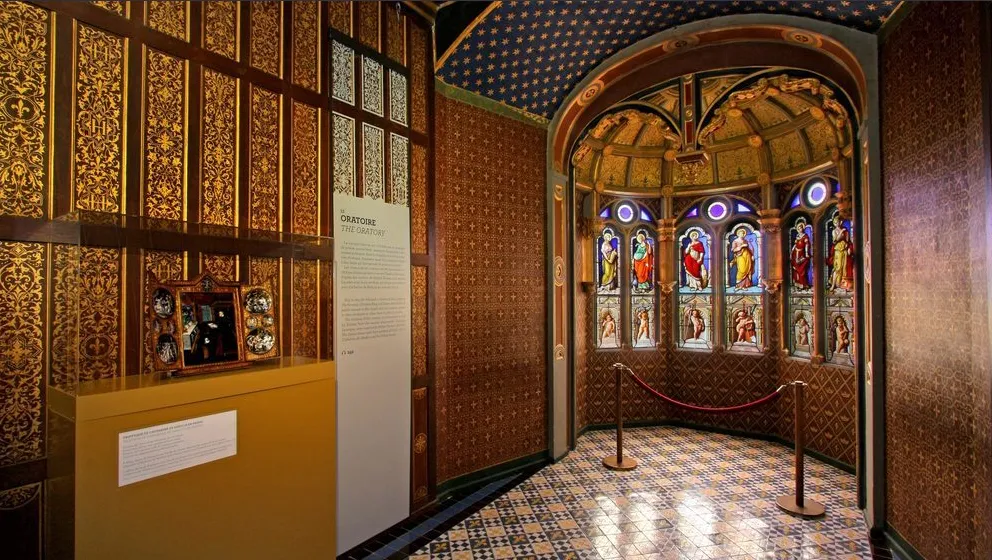
Château de Blois — quick facts for tourists and travellers
The historic complex of Blois is a place that quickly makes one thing clear: a quick skim won’t do here. The château reveals itself gradually, step by step, shifting in mood and scale, so even a short visit can easily turn into an unhurried walk through the centuries. That’s why the Château de Blois often becomes one of the brightest stops on a Loire Valley trip. It combines open spaces in the inner courtyard, museum rooms, temporary exhibitions, and viewing routes — allowing everyone to choose their own pace.
How much time to plan for your visit
The ideal visit length is 1.5 to 3 hours. That’s enough time to see the main halls and the inner courtyard without rushing, and to understand the logic of the architectural ensemble. If you love details or are travelling with children, it’s worth allowing a bit more time — the château has a way of “pulling you in”. The deeper you go into its story, the harder it is to leave without feeling there’s still something interesting behind the next door.
Accessibility and difficulty level
Blois is well adapted for visitors of different ages. The main routes are comfortable to walk, information materials are available in several languages, and the navigation is clear — helpful even on a first visit. Still, be prepared for stairs and changes in level — this is a real castle structure, not a modern museum pavilion. Comfortable shoes and an unhurried pace will make the experience far more enjoyable.
Budget and practical expectations
Visiting the Blois museum sits in the mid-range price bracket among the castles of France. The ticket earns its keep thanks to the richness of the exhibitions and the overall experience: in one visit you get access to several architectural eras and dozens of rooms. For travellers planning Loire Valley castle trips, Blois is often one of the most balanced options in terms of price versus впечатления, especially if you want to see a lot and not feel that something was left “off camera”.
Interesting facts and legends of Château de Blois — royal secrets behind stone walls
Château de Blois is exactly the kind of place where facts and legends have long lived side by side, with no rush to decide which matters more. Over the centuries, the Royal Château of Blois has accumulated so many secrets, rumours, and semi-official stories that even the most attentive chroniclers didn’t always manage to record them. That’s why this historic complex in the Loire Valley is seen not only as a museum, but also as a true repository of royal secrets.
It was here that the royal court lived under constant tension. Within the walls of the Château de Blois, kings welcomed guests with smiles, while behind closed doors they made decisions that could cost someone a title, freedom, or life. No wonder Château de Blois, Loire Valley is often called one of the most “political” castles in France.
The legend of hidden passages
According to one of the most popular legends, Blois had a system of secret corridors and staircases designed for quick movement by members of the royal court. Part of these passages was indeed discovered during restorations, which only fuelled interest in other sections of the château that have yet to be uncovered. As the story goes, they were used not only for escapes or surprise appearances, but also for discreet conversations and plots — a medieval version of a “service entrance”, where you didn’t have to explain why you’d turned up there.
Judging by the number of intrigues, those corridors worked flawlessly — and the court knew the value of privacy long before the era of private chats. The only difference was that mistakes here cost not reputations, but crowns, titles, or far-too-early goodbyes.
Ghosts of the royal court
Ghosts — of course. Blois is no exception, and over the years it has acquired its own collection of night-time footsteps, shadows in corridors, and the feeling that someone is watching you from a dark corner. They say that after sunset the château especially enjoys reminding you that royal history here didn’t end when the tour groups left.
As befits a respected ancient castle of France, Blois has its own “ghostly” stories. According to local tales, at night you might hear footsteps in certain rooms or feel an odd chill. Even sceptics admit: the atmosphere is so charged with the past that the imagination easily fills in what the eyes don’t see.
So if you enjoy a touch of the mystical, a tour in Blois becomes a lovely bonus to the classic history. Here the legends sound especially convincing — stone walls, dim light, and evening silence do their work, leaving space for imagination and a little shiver down your spine — just enough to be intriguing, not frightening.
A fact that surprises tourists
Few people realise that the grand structure of Blois in France is, in effect, a collection of four different castles built in different eras. That’s precisely why guides love it: you can tell stories without pauses and keep changing the scenery without leaving a single courtyard. For visitors, it means a rare chance to see the evolution of royal architecture not on diagrams or illustrations, but in real life — from the stern medieval logic of defence to the showy splendour of the Renaissance and the restrained order of Classicism. Walking through the courtyard, it’s easy to notice how not only styles changed, but also the approach to power itself: from fear of enemies to a desire to impress allies and subjects.
Events and festivals in Blois — when the royal château steps out of museum mode
The castle residence of Blois isn’t the sort of place that simply closes its doors in the evening and goes to sleep. From time to time it decides that being “just” a historic landmark of France is far too modest, and turns into a stage where the past steps back into the spotlight. Events and festivals here feel as though the royal court merely took a break for a few centuries and now returns with a smile to remind you: history in Blois knows how to entertain as well as to teach.
So, if you’d like to add something genuinely special to your downtime, a trip to Château de Blois is a worthy alternative to the usual tourist routes. Events and festivals in Blois take place, as you’d expect, with royal flair — with light, music, theatricality, and that very French ease, where even serious history allows itself a smile. In moments like these, the château stops feeling like “just a museum” and becomes a living space again, where past and present happily share one stage.
Every visitor becomes a court lady or gentleman for the evening, setting aside modern worries and letting themselves believe that the royal court is about to appear around the corner — with intrigues, gossip, and impeccable confidence in its own importance. Want to be right at the heart of it? A journey to Château de Blois is your ticket into a world of royal plotting, evening shows, and an atmosphere where history steps out of textbooks and starts speaking aloud.
Evening light shows — history with a mood
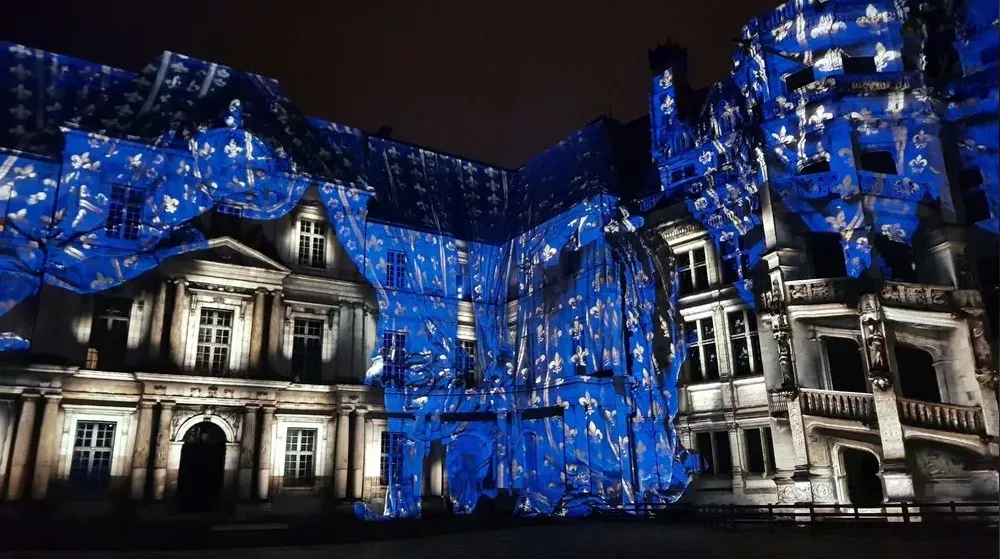
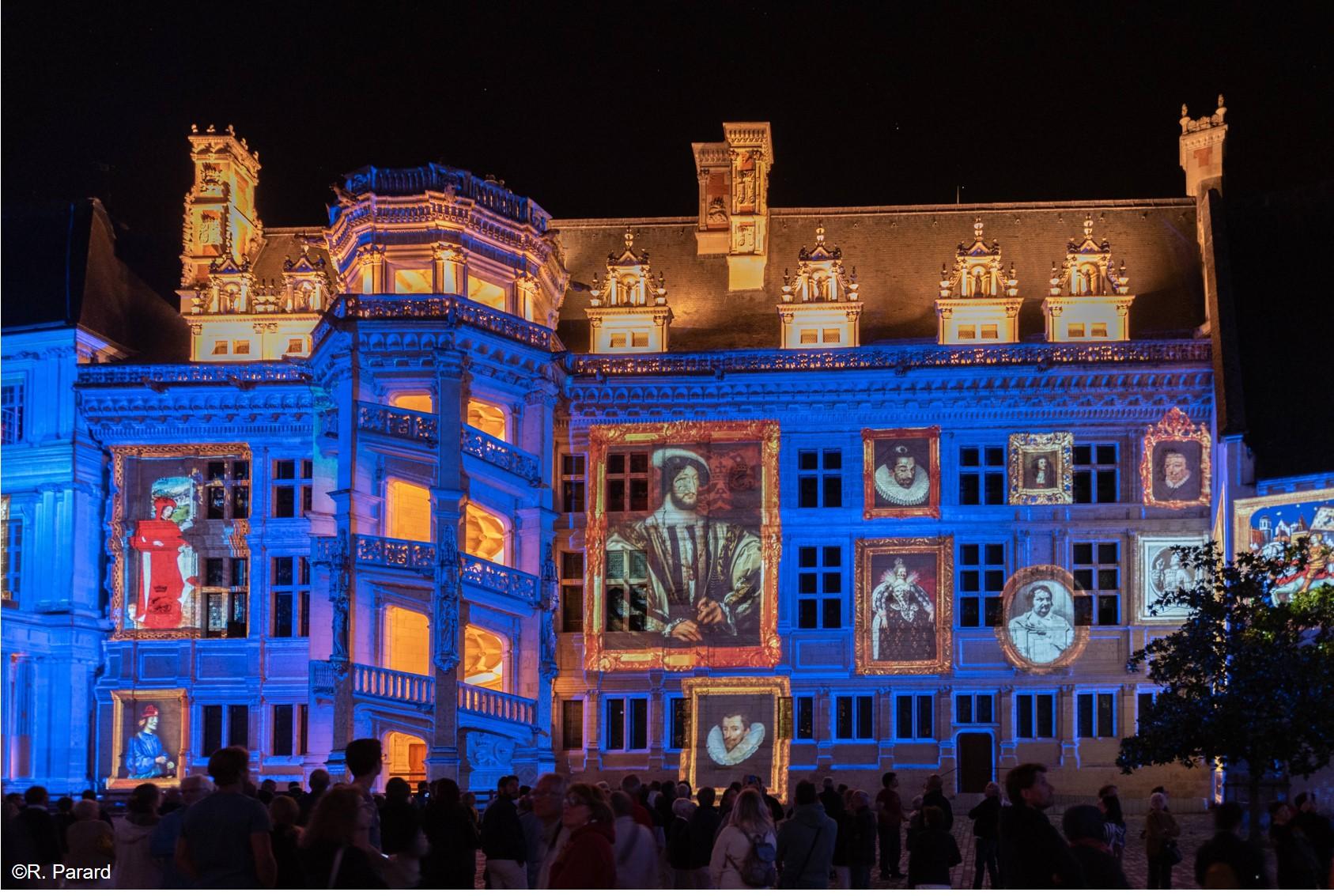
When the sun goes down, the royal residence in Blois starts its second shift — and does it as if the daytime was only a rehearsal. Evening light projections slowly bring the façades to life, and the stone that seemed quiet and restrained by day suddenly begins to speak in light, music, and shadow. Kings, favourites, conspirators, and ambassadors return as silhouettes and images gliding across the walls — a reminder that destinies were decided here, not just tours conducted.
This isn’t a dry lecture of dates and names, but a spectacular story with personality — subtle humour, unexpected accents, and pauses that make you listen more closely. A special hush settles over the courtyard when hundreds of people look up in silence, as if afraid to disturb the moment. Time behaves strangely: minutes stretch out, the evening feels shorter than you’d like, and history suddenly seems closer than ever. After nights like this, even the most stubborn “I don’t like museums” types leave smiling — and some catch themselves thinking that if kings had always told their story this way, history textbooks would be far more popular.
Festivals and historic events — no pomp, but plenty of style
During festivals, château de Blois comes alive especially brightly. There’s no attempt to turn the past into a carnival, but visitors aren’t forced to tiptoe under the weight of excessive solemnity either. Costumed performances, music, and theatrical scenes in the courtyard create an atmosphere in which the royal court feels closer and more understandable — as if monarchs, too, once simply wanted a lovely evening out. People laugh, applaud, and realise that kings and modern tourists have far more in common than it might seem at first glance.
For travellers planning a trip to Blois, these events are a delightful surprise. Seasonal programmes, special tours, and festive evenings let you see the château not only by day, but in a completely different light — quite literally. Sometimes it feels as if the building itself enjoys the attention and doesn’t mind playing to the crowd.
What to see and do at Château de Blois — an itinerary without boredom
Blois, as one of France’s standout historic landmarks, promises wonderful impressions and an unforgettable break the French way — with unhurried walks, refined details, and the feeling that life here was made for enjoyment. It’s a place where history doesn’t weigh you down with centuries, but gently accompanies each step, letting you savour the moment, the architecture, and the simple pleasures of travel.
The Blois castle complex pleasantly surprises by not forcing a single “right” way to visit. You can be a focused explorer, a leisurely flâneur, or a tourist who simply wants to “catch the atmosphere”. The space allows you to mix formats: a bit of history, a bit of architecture, a bit of rest — with no feeling that you “didn’t have time” for something.
The inner courtyard and royal halls
Begin your introduction to one of France’s most famous castles in the inner courtyard, where Blois reveals itself in several styles at once. This is the best place to see how different eras coexist without conflict. It’s the perfect spot to pause, look around, understand the logic of the complex — and take photos that don’t need filters.
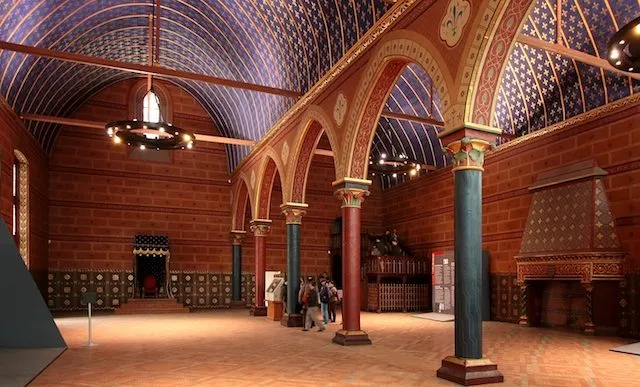
Walking through the halls of Blois is a chance to peek into the private lives of French monarchs without breaking etiquette. The interiors of Château de Blois shift from restrained to openly lavish, reminding you that royal ideas of comfort evolved constantly. It’s especially interesting to trace how lifestyles changed alongside architecture.
Museum exhibitions and viewpoints
The Blois castle museum stands out for the way it presents its material: the exhibitions don’t aim to impress with sheer quantity, but rather build a coherent story. It’s easy to linger over details — portraits, everyday objects, decorative elements — without feeling tired, even after a long visit.
Here, it pays not to rush. Viewing windows, passages, and quiet corners seem designed for pauses. It’s a lovely moment to simply look out over the town of Blois and the Loire Valley, rest your eyes, and let your impressions settle.
What to visit near Château de Blois — continuing your Loire Valley journey
Château de Blois has another lovely trait — it doesn’t demand a goodbye the moment you step outside the gates. On the contrary, this is a convenient, logical starting point (or continuation) for exploring the Loire Valley, a region with such a concentration of historic sights that the plan to “see everything” has to be shelved immediately.
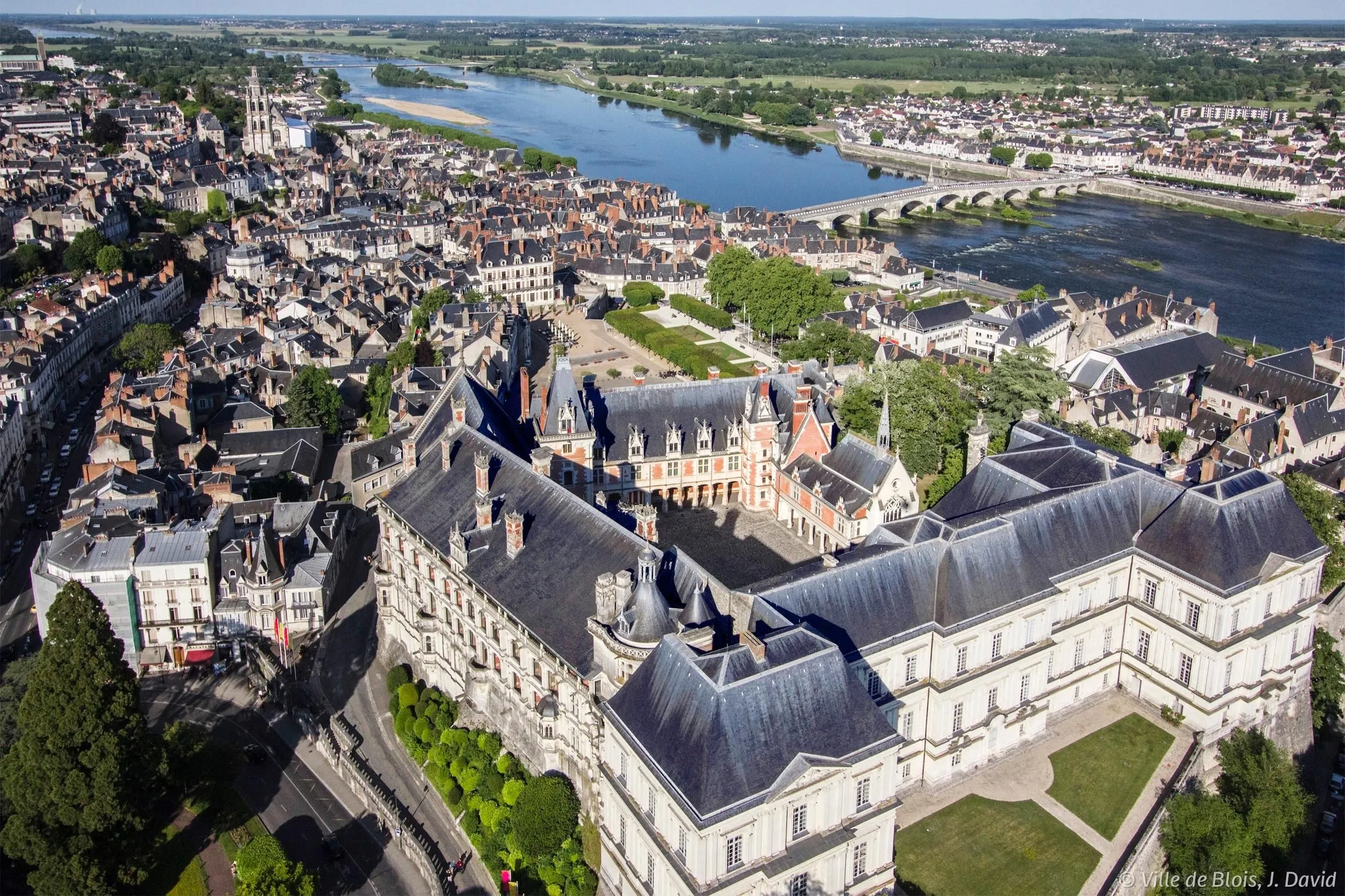
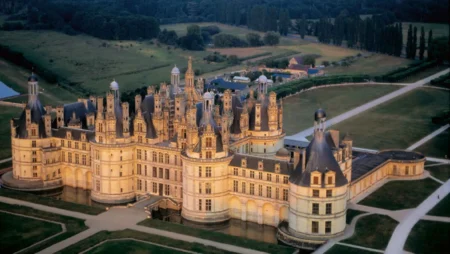
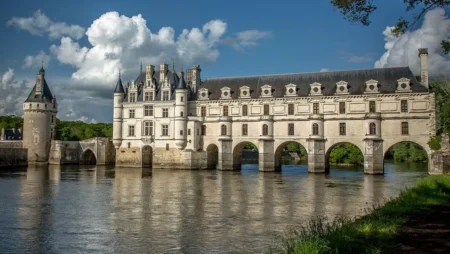
This density of history is what makes the Loire Valley so unique: around 300 castles of different sizes, of which roughly 40–50 are considered the best-known and are open to visitors. Among them, it’s impossible to ignore such iconic residences as Chambord, as well as Cheverny and Chaumont-sur-Loire — each with its own character and story. It’s also worth noting that the Loire Valley isn’t just a tourist route, but a historic region of France, famous for its royal residences and châteaux, and rightly included on the UNESCO World Heritage list.
The historic centre of Blois
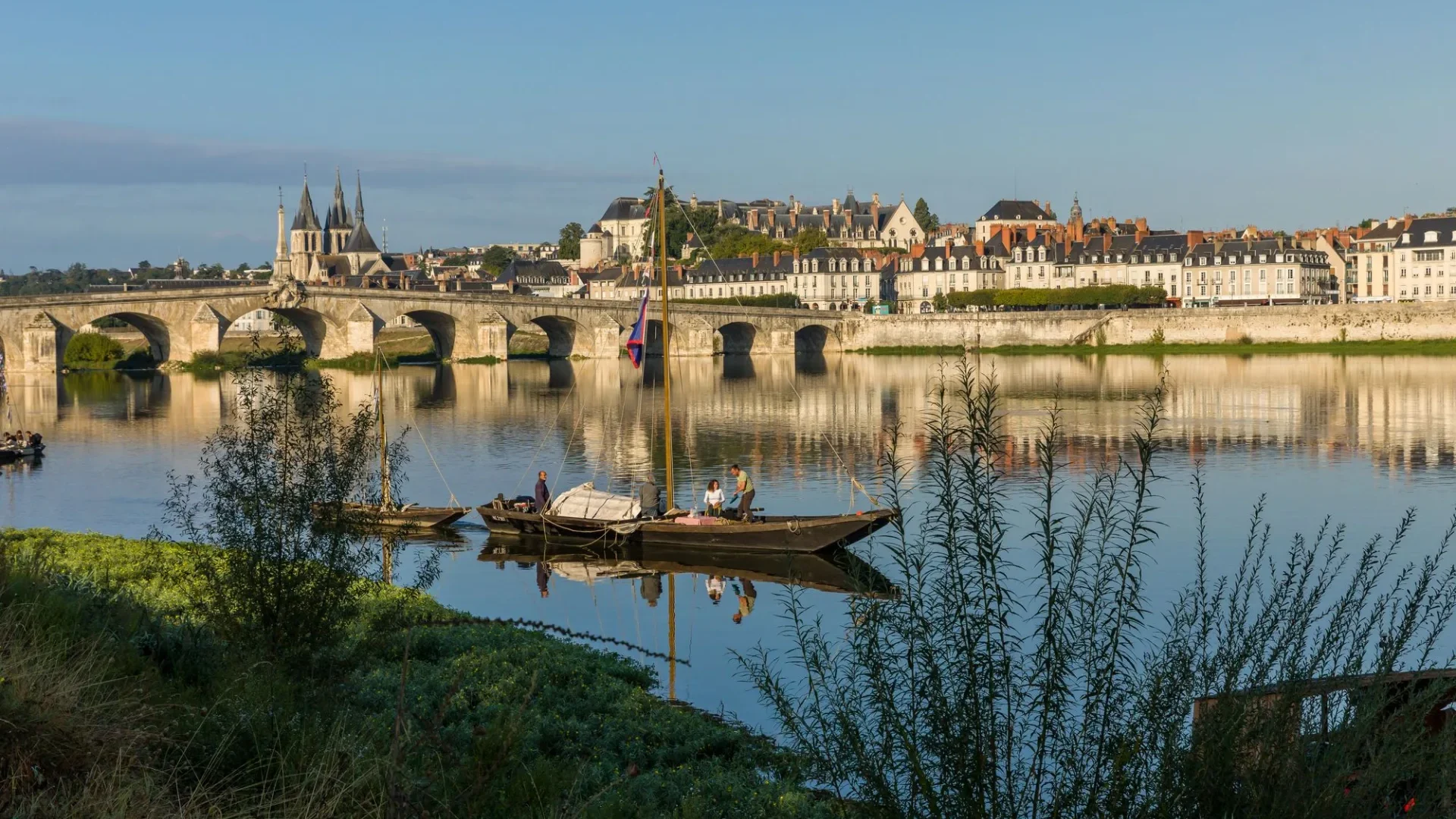
Of course, the natural next step in your trip is to explore the town of Blois itself, where the château is located. This cosy French town knows how to pleasantly surprise: old streets, panoramas over the Loire, small squares, and a calm rhythm of life create the perfect contrast to the château’s royal grandeur. A walk around Blois lets you feel the region not just as a set of sights, but as a living place where history blends naturally into everyday life.
The old town, with its narrow streets, half-timbered houses, and cosy squares, creates a special atmosphere. It’s an ideal continuation for an unhurried stroll after your château visit: cafés, viewpoints, and beautiful scenery bring that relaxed French feeling — without any rush.
Walks along the Loire and the region’s nature
For those who want to swap royal interiors for fresh air, the surroundings of Blois offer routes along the Loire River. Walks or cycling trips reveal another side of the region — natural, calm, and just as photogenic as the castles themselves.
A trip around the historic complex of Blois is easy to combine with culinary discoveries. Wineries, tasting rooms, and local restaurants introduce you to Loire wines and the region’s cuisine, where simple ingredients meet French finesse.
Frequently asked questions about Château de Blois
Where is Château de Blois located?
Château de Blois is located in the town of Blois, in the Loire Valley region of France. It sits right in the historic centre, so you can reach it on foot from the railway station or the central neighbourhoods.
How much time do you need to visit Château de Blois?
On average, it’s worth allowing 1.5 to 3 hours for a visit to the Royal Château of Blois. If you combine your visit with museums and evening events, you may want to plan for longer.
Do you need to buy tickets in advance?
In peak tourist season, it’s recommended to buy tickets to Château de Blois in France online in advance. This helps you avoid queues and save time.
Is photography allowed in the château?
Photography in Château de Blois is usually allowed without using a flash. Temporary exhibitions may have separate restrictions.
Is Château de Blois suitable for visiting with children?
Yes, the historic complex of Blois is well suited for families with children. The château’s space, engaging displays, and festival events make the visit interesting for all ages.
What is the physical difficulty level of the visit?
The difficulty level is low to moderate. The castle complex of Blois includes stairs and changes in level, so comfortable shoes are recommended.
Can you combine Blois with other Loire castles?
Yes, Blois is considered a convenient base for travelling the castles of the Loire Valley. From here it’s easy to reach Chambord, Cheverny, and other well-known sites.
When is the best time to visit Château de Blois?
The best time to visit is spring and autumn. In summer, the château is especially appealing thanks to events and festivals, while winter is calmer and less crowded.
Is it worth combining your visit with a gastronomic tour?
Absolutely. Loire wines and local cuisine are a perfect match for a trip to Château de Blois, letting you experience the region not only with your eyes, but also on your palate.
Conclusion: Château de Blois — the royal Loire Valley mood you’ll want to repeat
Château de Blois is proof that a historic landmark in France doesn’t have to feel “obligatory” — it can be genuinely enjoyable. No one forces you to be impressed; it happens naturally, through the space, the details, the unhurried rhythm, and the sense that you’ve arrived somewhere that doesn’t need to prove anything.
Why add the Royal Château of Blois to your plans? Because it’s wonderfully versatile. It’s equally rewarding with family, with a partner, or on your own — coffee in hand and in a good mood. You can dive into history, or you can simply wander and enjoy — and neither option is “wrong”.
The Château de Blois has another rare quality: it doesn’t overwhelm you. Not with dates, not with pomp, not with heavy seriousness. Even royal intrigues are presented as if the monarchs themselves learned, over time, to view their own story with a light touch of irony. And the evening events only underline the point: history can be alive — and genuinely welcoming to visitors.
So if you’re looking for a place that will make your holiday more interesting without wearing you out, the Château de Blois in France absolutely deserves a spot in your plans. Because it’s not just a château in a beautiful region — it’s a space where leisure comes with style, atmosphere, and a lovely aftertaste.
No Comment
You can post first response comment.