
 English
 Українська
 Български
 Hrvatski
 Čeština
 Dansk
Dansk Nederlands
 Eesti
Eesti Suomi
Suomi Français
 Deutsch
 Ελληνικα
 Magyar
 Íslenska
 Italiano
 Latviešu
 Lietuvos
 Polski
 Português
 Română
 Русский
 Српски
 Slovenčina
 Slovenščina
 Español
 Svenska
 Türkçe
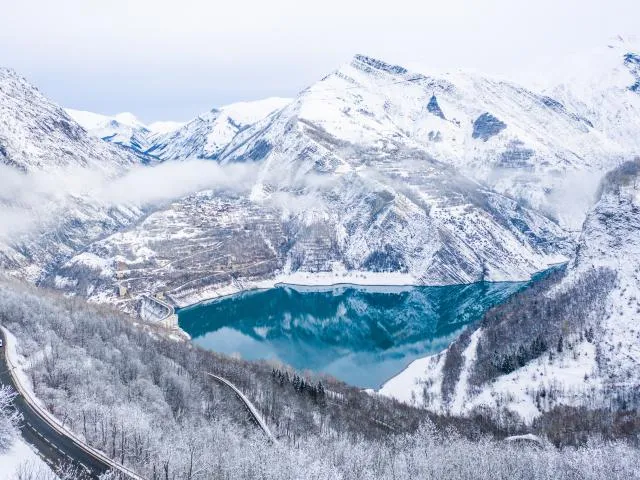
Mont de Lans Glacier — one of the most famous, and at the same time most vulnerable, natural highlights of the French Alps, located in the area of the legendary ski resort Les Deux Alpes. This is a place where ice, a high-mountain climate and sweeping Alpine panoramas shape a one-of-a-kind landscape that draws travellers, athletes, scientists and photographers from all over the world.
For many travellers, the Mont de Lans Glacier in the Alps is more than just a dot on the map of France. It’s a chance to see a real glacier without demanding mountaineering routes, ski even in summer, feel the mountains’ icy breath — and at the same time reflect on the scale of the climate changes happening on our planet today.
Why the Mont de Lans Glacier is so popular
Mont-de-Lans lies in the Écrins massif at an altitude of over 3,200 metres above sea level. Its close proximity to Les Deux Alpes makes this spot one of the most accessible glacier areas in France. Here, visitors can combine an active break, informative excursions to the Mont de Lans Glacier and quiet moments taking in the wild Alpine nature.
The glacier’s popularity comes down to several factors: convenient transport links, the presence of cable cars, well-developed tourist facilities, and the unique opportunity for year-round skiing. At the same time, Mont de Lans has become an important symbol in discussions about the melting of Alpine glaciers and the protection of Europe’s natural heritage.
The modern world is changing fast, and no one knows what the near future will look like. That’s why, if you have the chance, the opportunity and — most importantly — the desire to see a glacier in real life, don’t put this trip off. The glaciers of the French Alps, including Mont de Lans, are not only a breathtaking natural wonder, but also living evidence of how our planet is changing. Seeing this icy world with your own eyes today is a unique experience — one that tomorrow may exist only as a memory or an archival photo.
The history of the Mont de Lans Glacier in the French Alps
The history of the Mont de Lans Glacier is closely tied to the formation of the French Alps and long geological processes that unfolded over tens of thousands of years. During the last Ice Age, the Écrins massif was completely covered by ice sheets, and the Mont de Lans Glacier formed as part of a vast system of Alpine glaciers that gradually moved down into the valleys under the influence of shifting climate and global warming.
For centuries, this glacier in the Alps played an important role in shaping the modern relief of the Les Deux Alpes region. It is thanks to the movement of ice masses that the characteristic Alpine valleys, rocky terraces and natural plateaux were created — features that today serve as tourist routes, ski runs and viewpoints.
These landforms are no accident — every curve of a valley, every step in the rock is the result of centuries of work by ice that slowly, yet relentlessly, reshaped the landscape. This geological heritage is exactly what makes the area around the Mont de Lans Glacier so appealing to travellers who want not only an active holiday, but also a deeper understanding of the nature of the French Alps.
The Mont de Lans Glacier in the works of researchers and travellers
The first written mentions of the Mont de Lans Glacier appear in the 18th–19th centuries, when the French Alps began to be actively explored by geographers, geologists and naturalists. In their notes, they described vast ice fields, harsh high-mountain conditions and the glacier’s slow, yet constant movement.
In the 19th century, the region became popular among mountaineers and scientists who used Mont de Lans as a natural laboratory for studying glacial processes. It was then that the foundations were laid for modern research into the melting of Alpine glaciers — research that is crucial today for understanding climate change in Europe.
How the rise of tourism changed the glacier’s fate
Active tourist development in the Les Deux Alpes area began in the mid-20th century, when the first cable cars to the Mont de Lans Glacier were built. This made the glacier accessible not only to professional mountaineers, but also to ordinary travellers, families with children and winter-sports enthusiasts.
On the one hand, tourism helped popularise the glacier and supported the region’s economic development; on the other, it raised questions for local authorities and environmentalists about protecting this unique natural site. Today, Mont de Lans is not only a tourist attraction, but also a symbol of the balance between human activity and the fragile ecosystem of the French Alps.
Natural features of the Mont de Lans Glacier in France
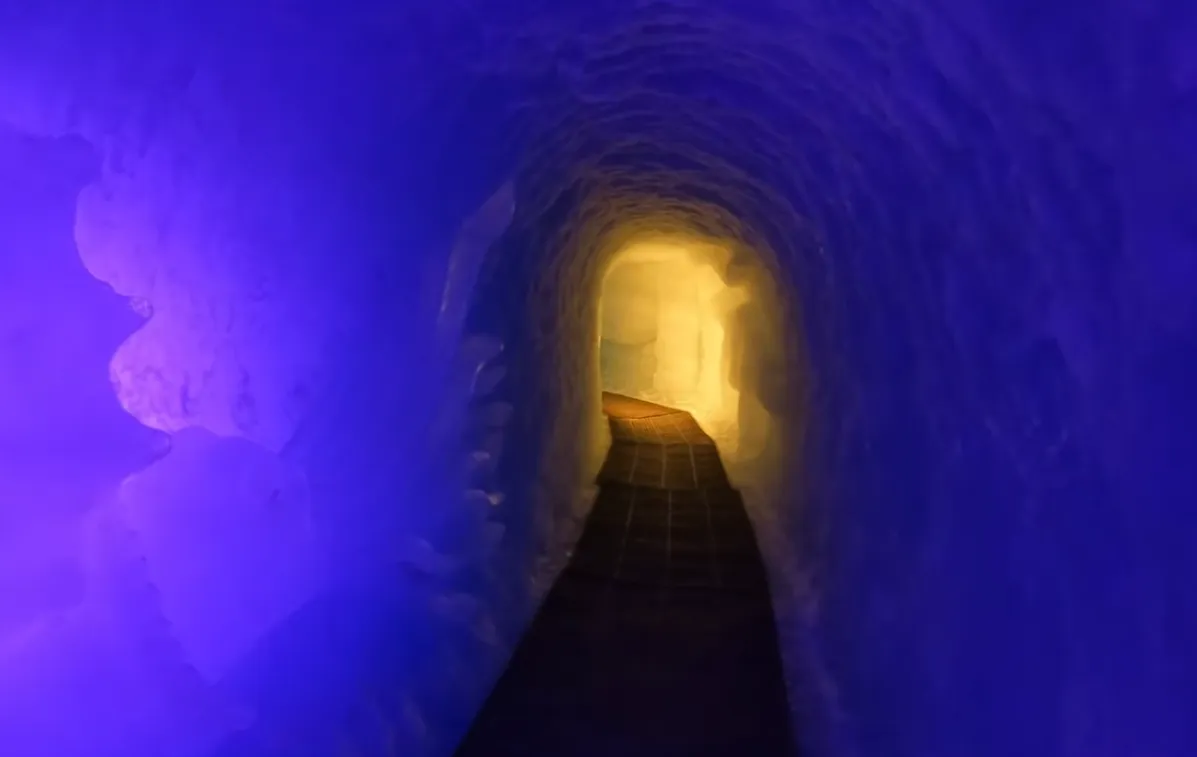
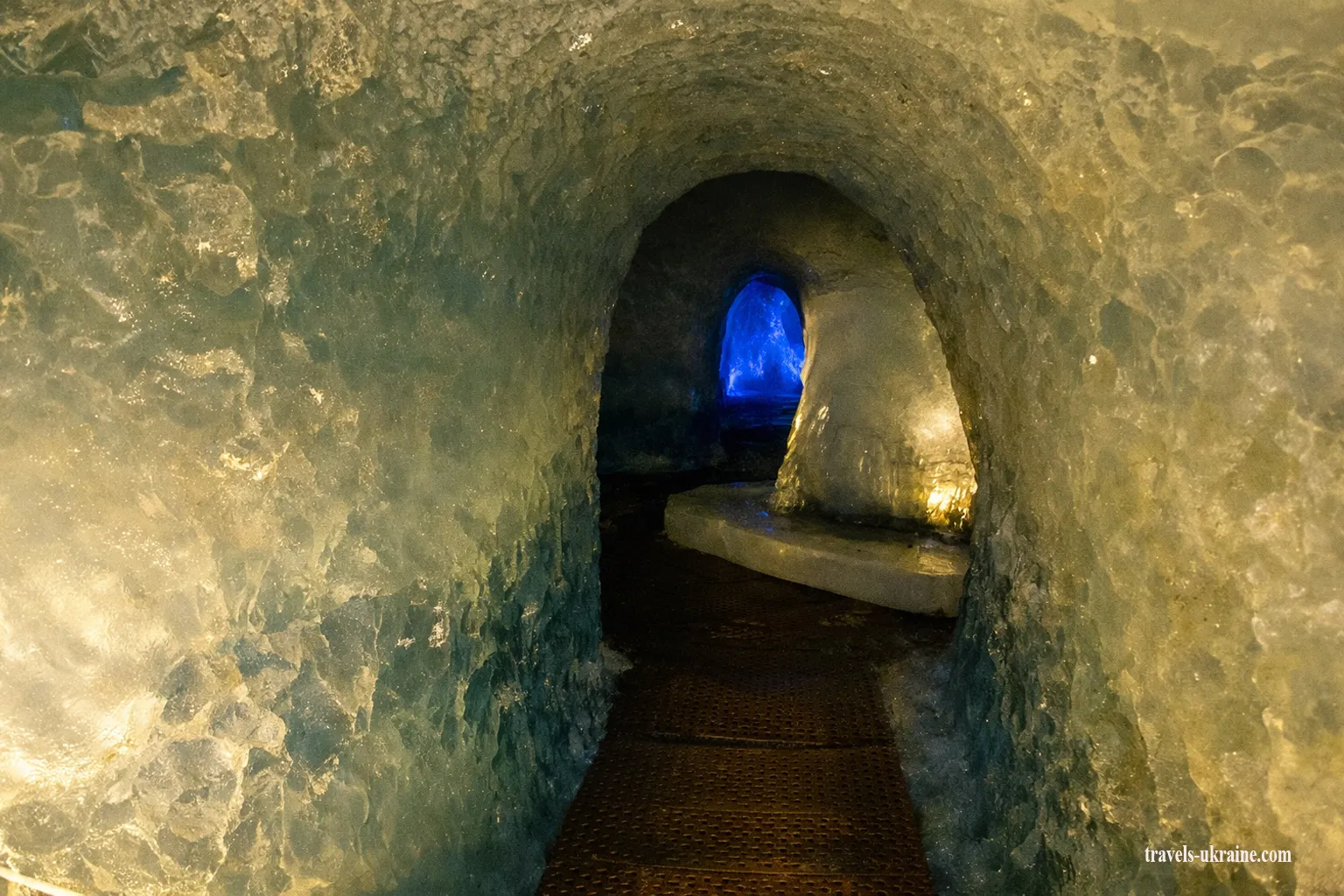
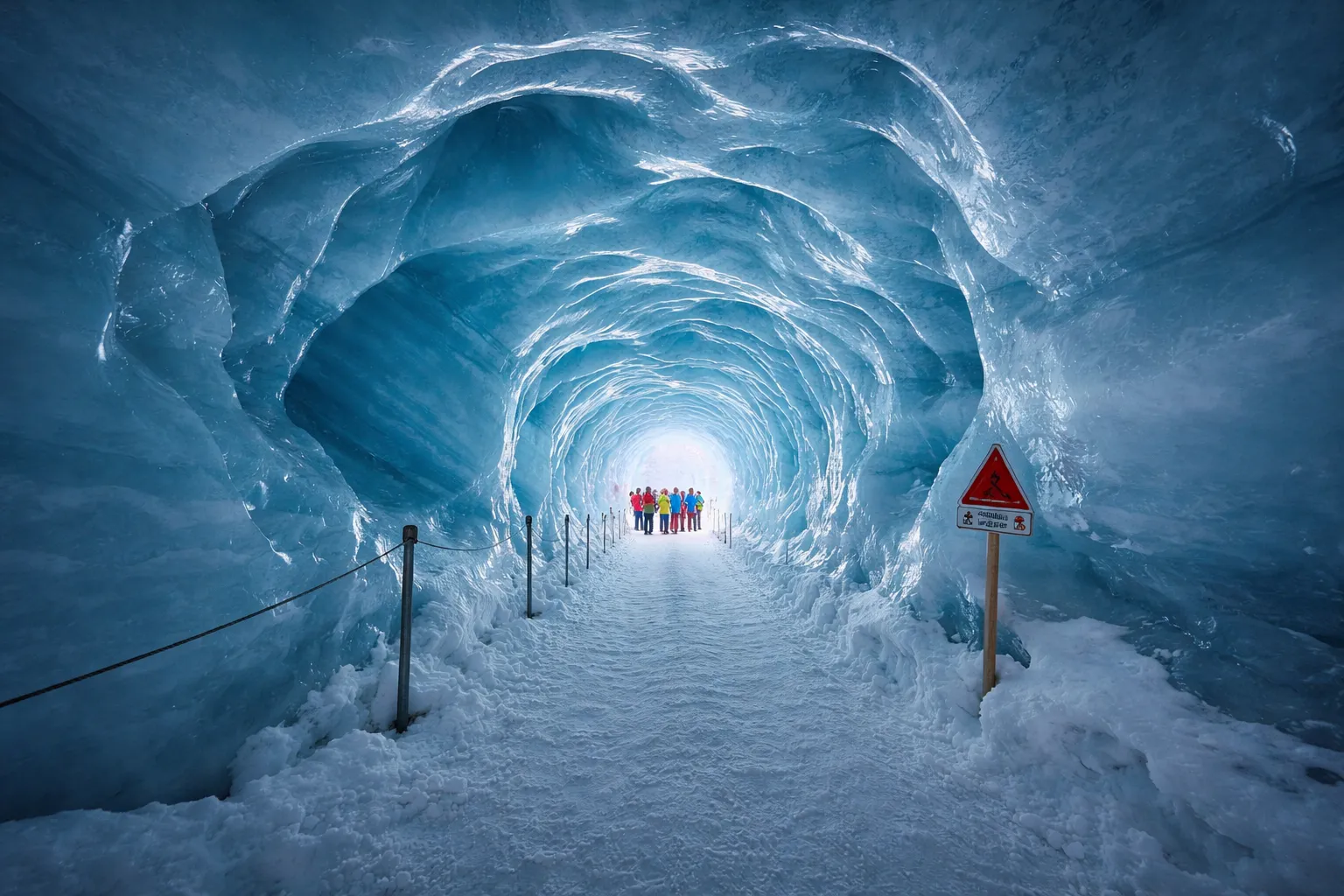
Mont de Lans is a unique example of a high-altitude Alpine glacier, combining massive ice fields, crevasses, snow domes and exposed rocky sections. Its natural structure was shaped over millennia under the influence of low temperatures, snowfall and gravity, creating a complex yet harmonious ecosystem within the French Alps.
One of the glacier’s key features is its considerable vertical range, which helps stable ice cover persist even in summer. This makes Mont de Lans in the mountains of France an important climate indicator, used by scientists to track temperature shifts and the pace of glacier melt in the Alps.
Icy relief and glacial processes
The surface of the Mont de Lans Glacier is defined by alternating dense firn, deep crevasses and zones of active ice movement. In warmer months, meltwater streams appear on the surface, cutting through the ice and forming the glacier’s internal drainage system. These processes gradually reshape the ice masses and influence how quickly they slide down the slope.
Particular attention is drawn to glacial crevasses, which occur naturally due to stress within the ice. They are not only of geological interest, but also a real hazard for visitors — highlighting the importance of sticking to marked routes and having guides when exploring the glacier.
Flora, fauna and the high-mountain environment
Despite the harsh climate, the area around Mont de Lans in the Alps is part of a complex Alpine ecosystem. At lower elevations you can find mosses, lichens and cold-resistant plants that gradually colonise surfaces exposed after the ice retreats. This process is a vivid example of nature’s recovery in the mountains.
Wildlife is represented mainly by species adapted to high-mountain life: Alpine birds, marmots and ibex, which can sometimes be spotted on rocky slopes near the glacier. For visitors, this adds a special sense of wild, almost untouched French Alpine nature.
Mont de Lans Glacier: a quick guide for visitors
Mont de Lans Glacier (Mont-de-Lans) is a high-mountain natural site in the French Alps, combining recreational, sporting and educational/scientific appeal. Thanks to the well-developed infrastructure of Les Deux Alpes, visiting the glacier is possible without specialised mountaineering training, making it accessible to a wide range of travellers.
This Alpine hub works equally well for short excursions and for a full active day in the mountains. Visitors can choose viewpoint routes, skiing or snowboarding, as well as walks with panoramic views of the Écrins massif and the surrounding Alpine peaks.
Thanks to its high altitude and stable ice cover, the glacier remains suitable for visits for most of the year. The most comfortable period for travellers is the summer months, when weather conditions are relatively steady and access to viewpoints is at its easiest.
Practical information before your visit
- Type of site: natural landmark, high-mountain glacier
- Recommended visit length: from 2 to 5 hours
- Difficulty level: moderate, accessible for travellers without mountaineering experience
- Access: Les Deux Alpes resort cable cars
- Approximate budget: lift and equipment costs depend on the season
Keep in mind that conditions on the glacier can change very quickly, so even a short visit requires basic preparation, warm clothing and careful attention to advice from local safety services.
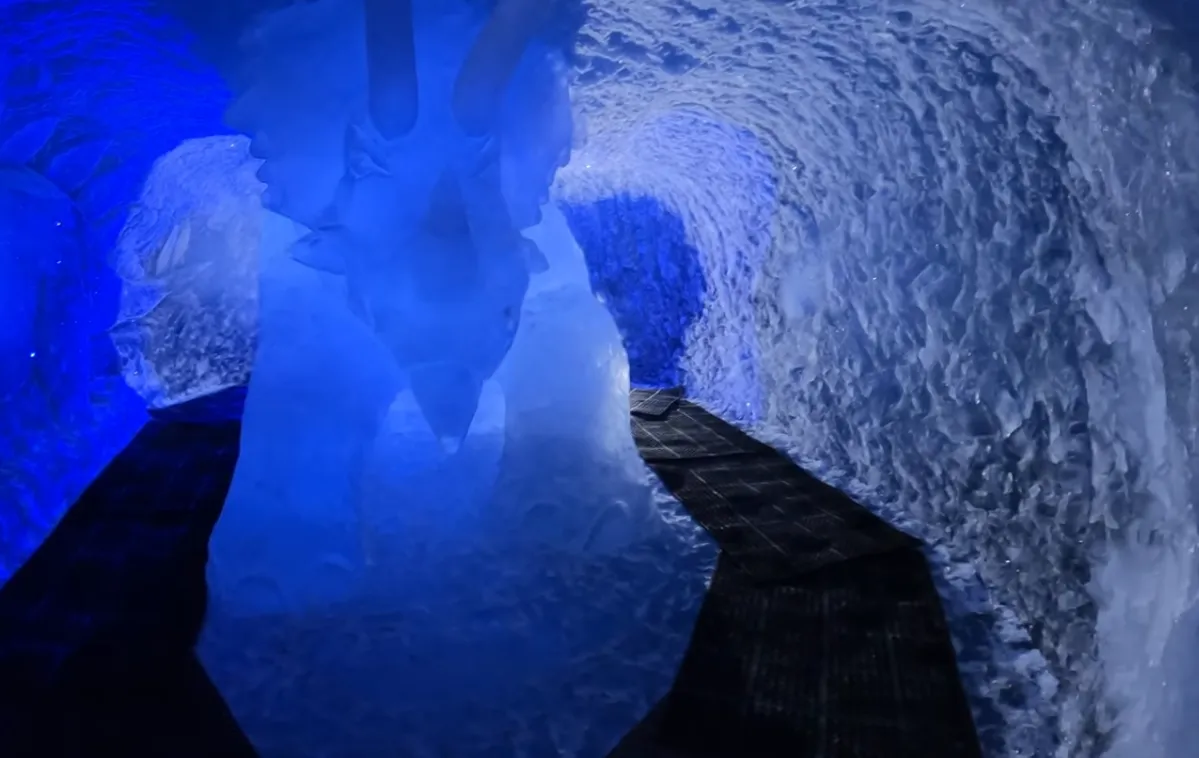
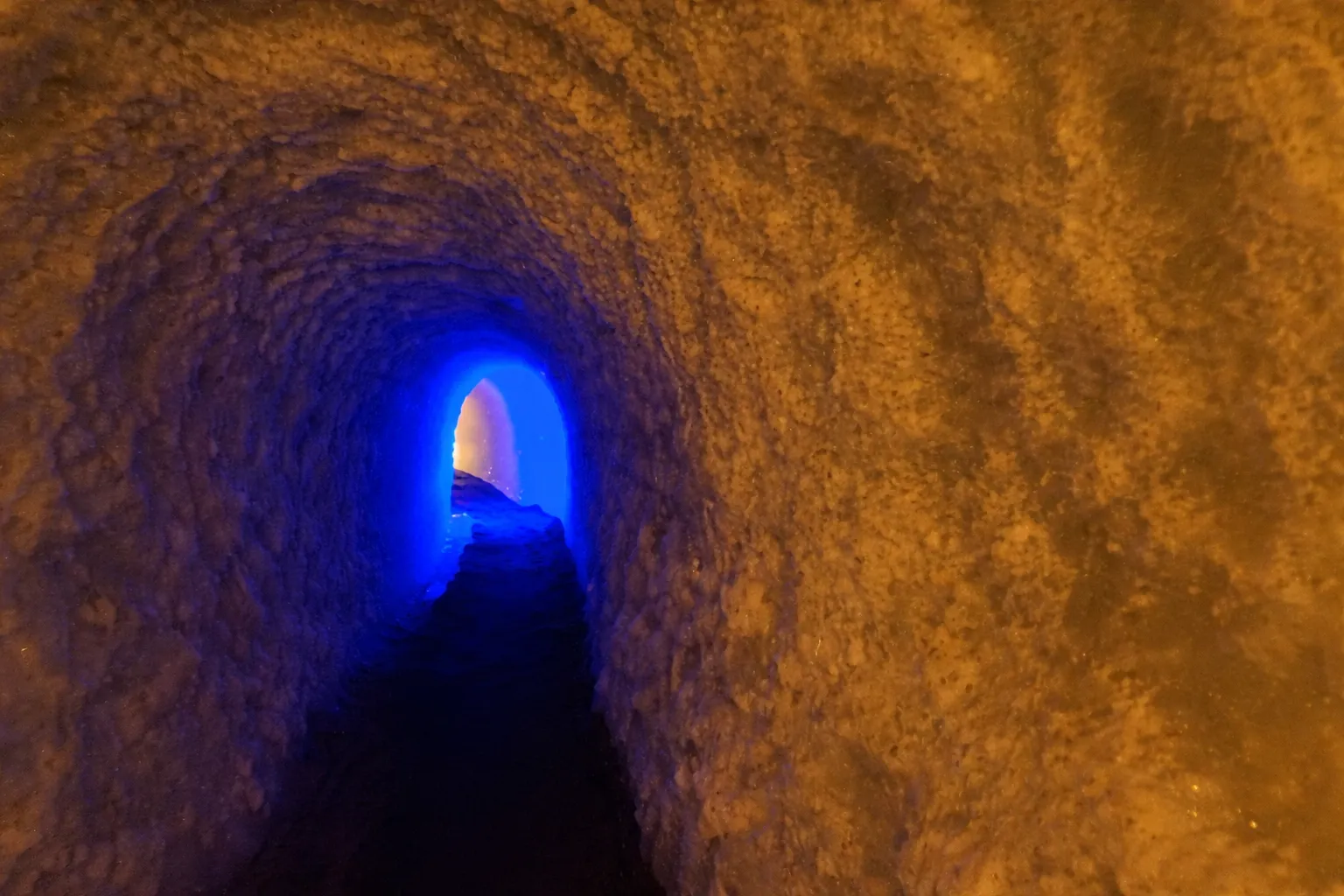
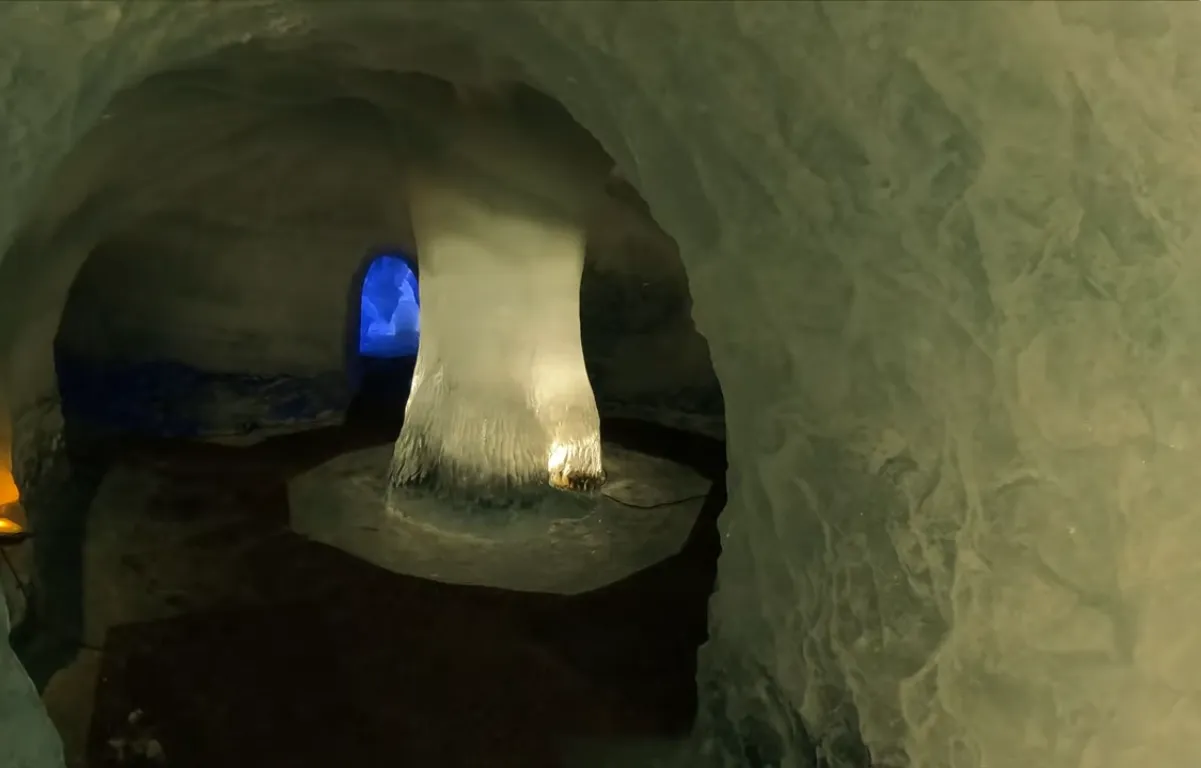
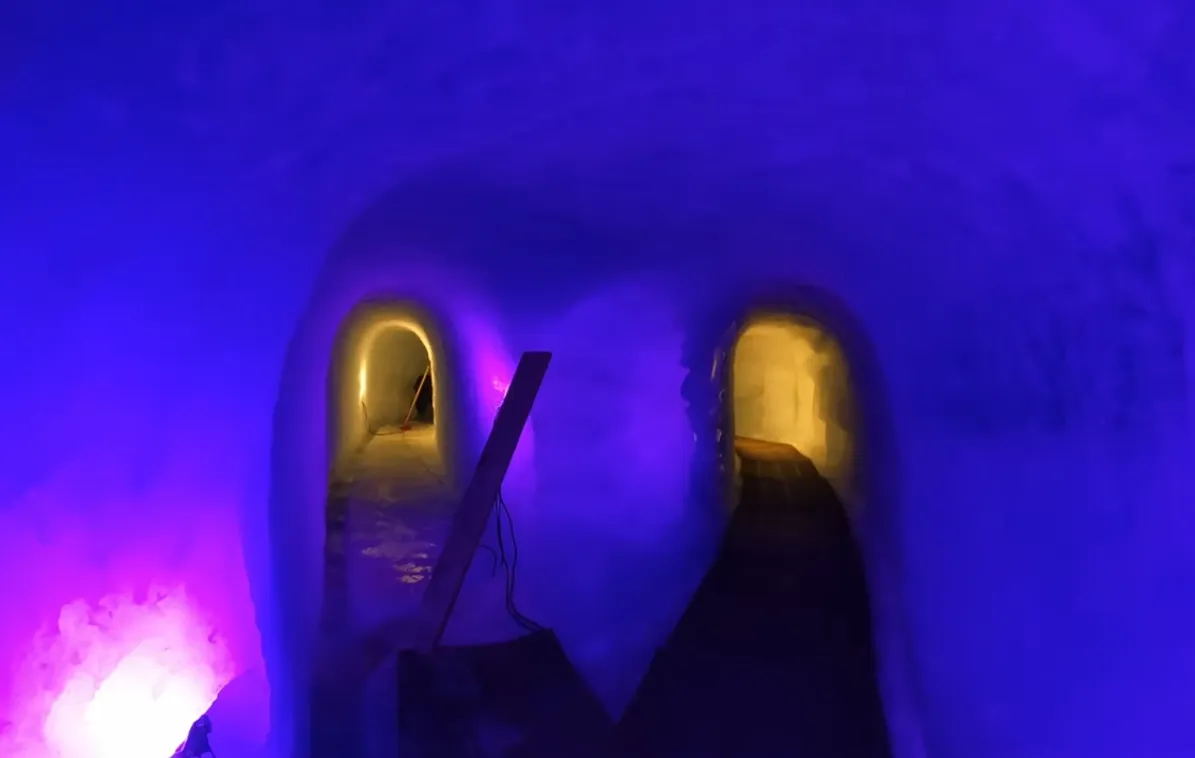
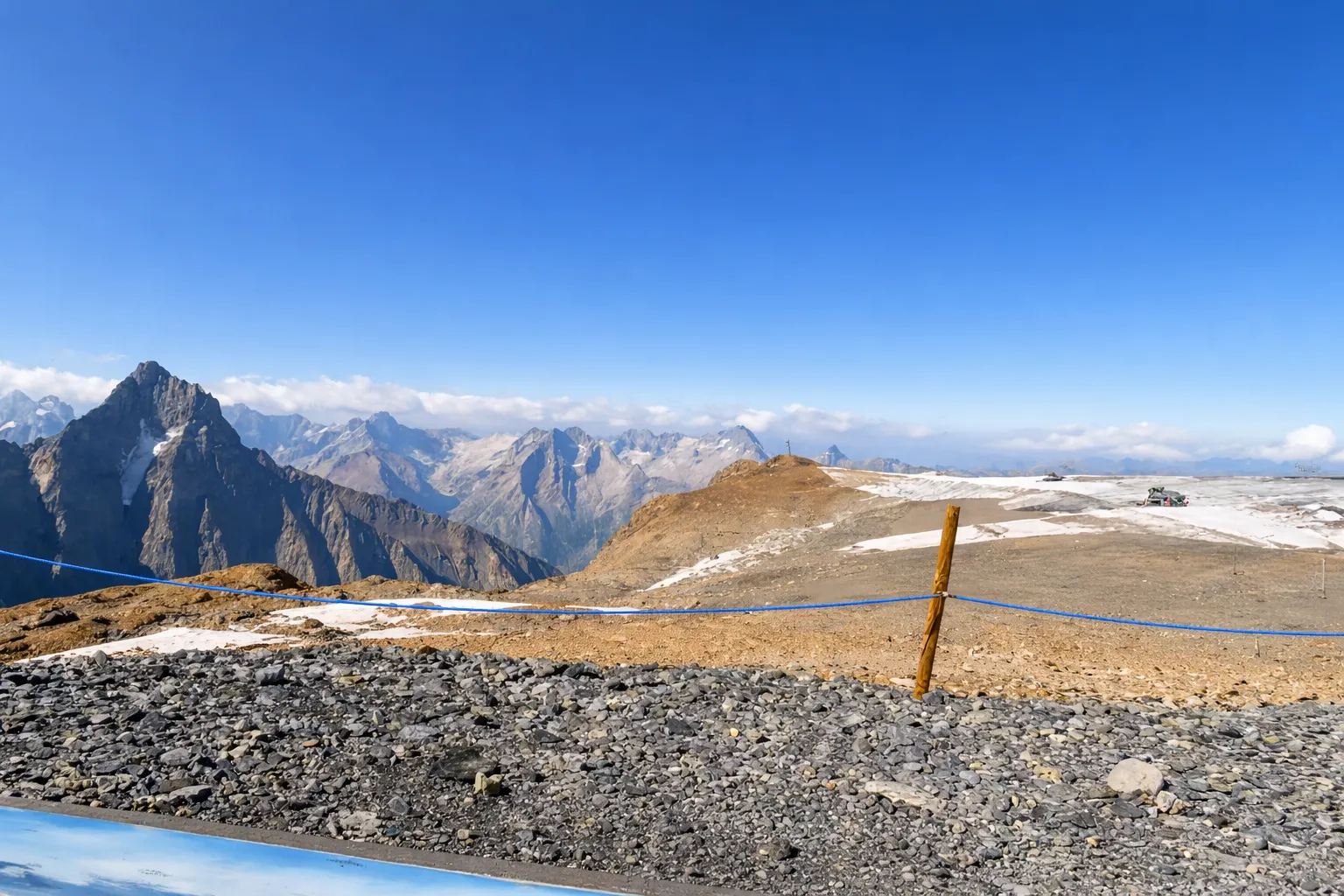
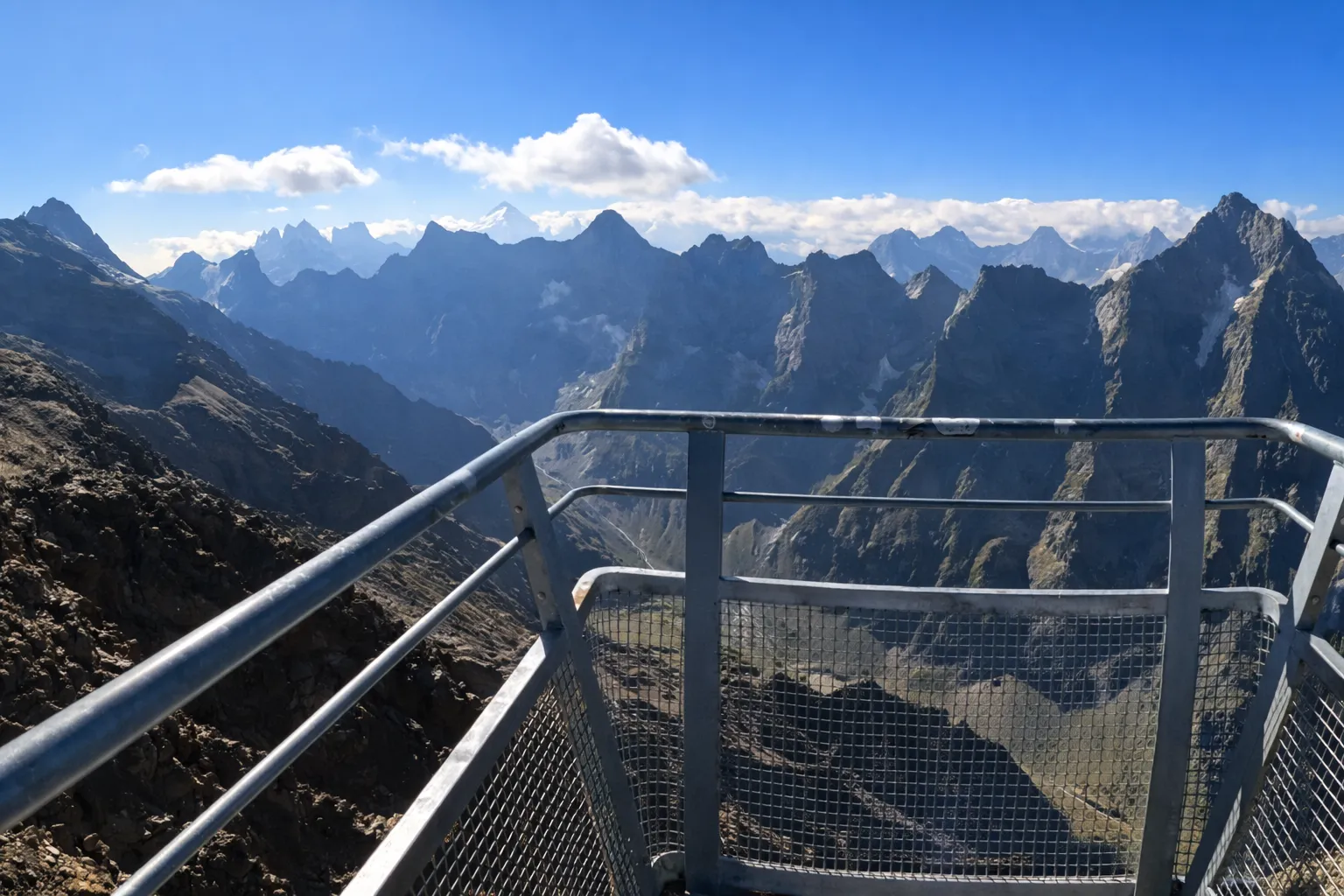
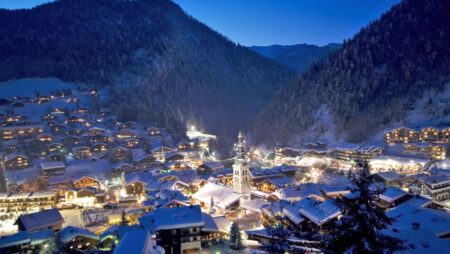
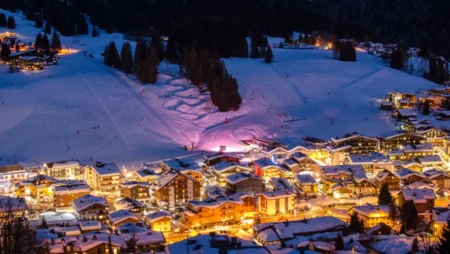
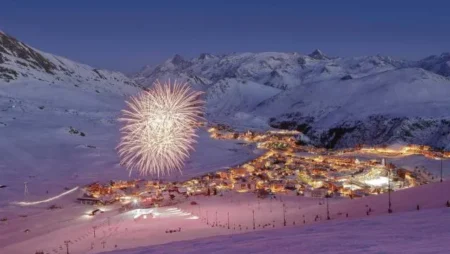
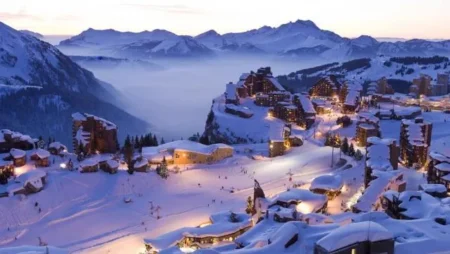
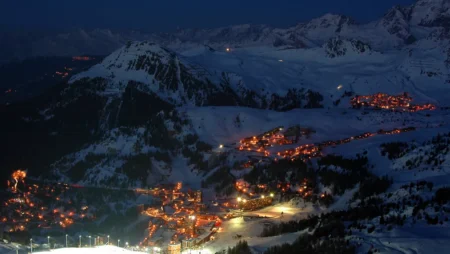
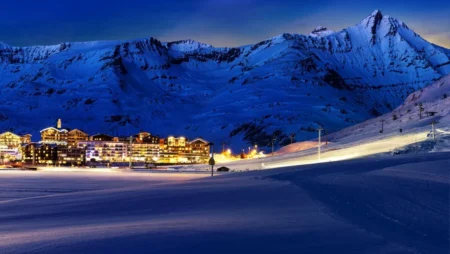
Photo gallery of the Mont-de-Lans Glacier (Mont-de-Lans)
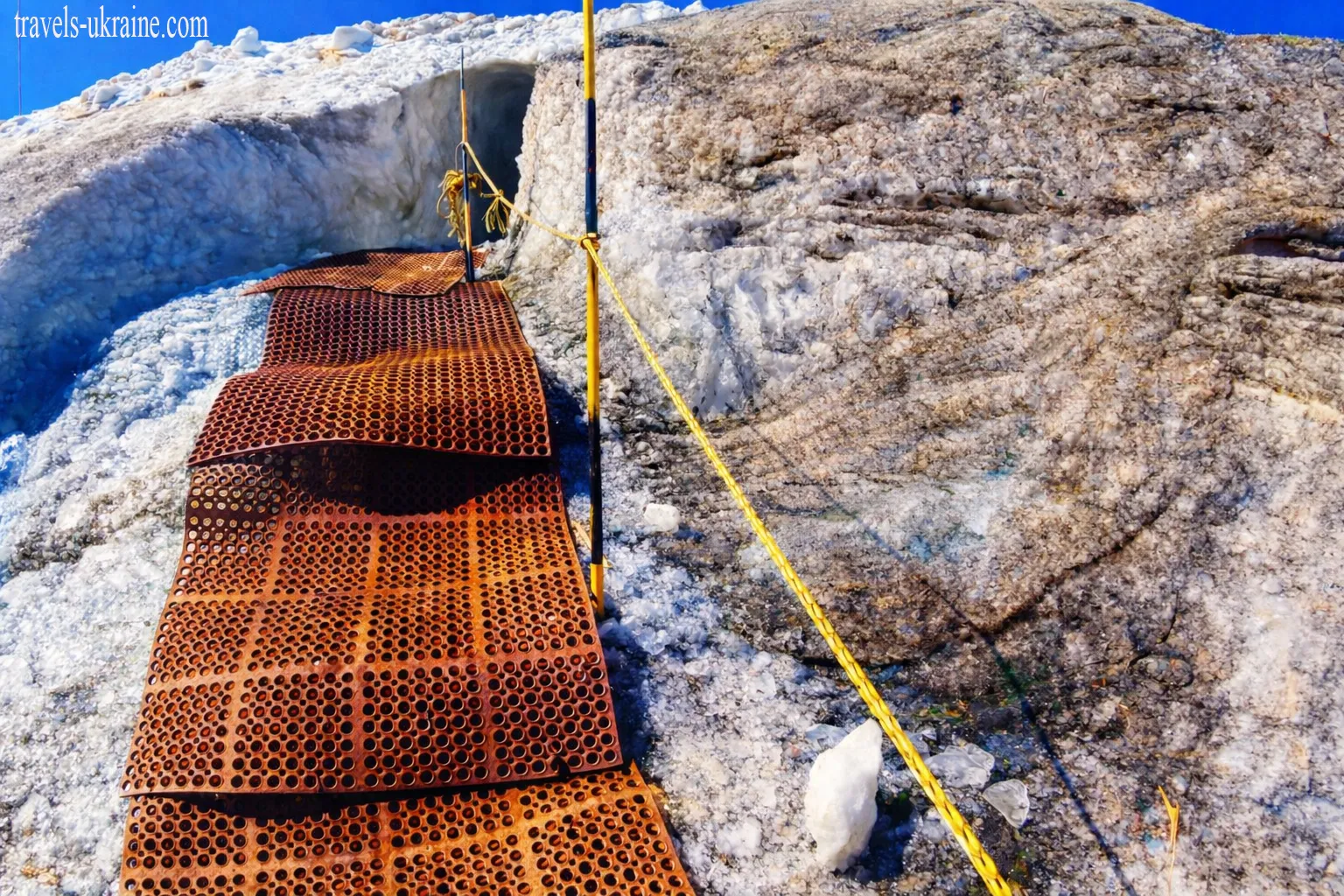
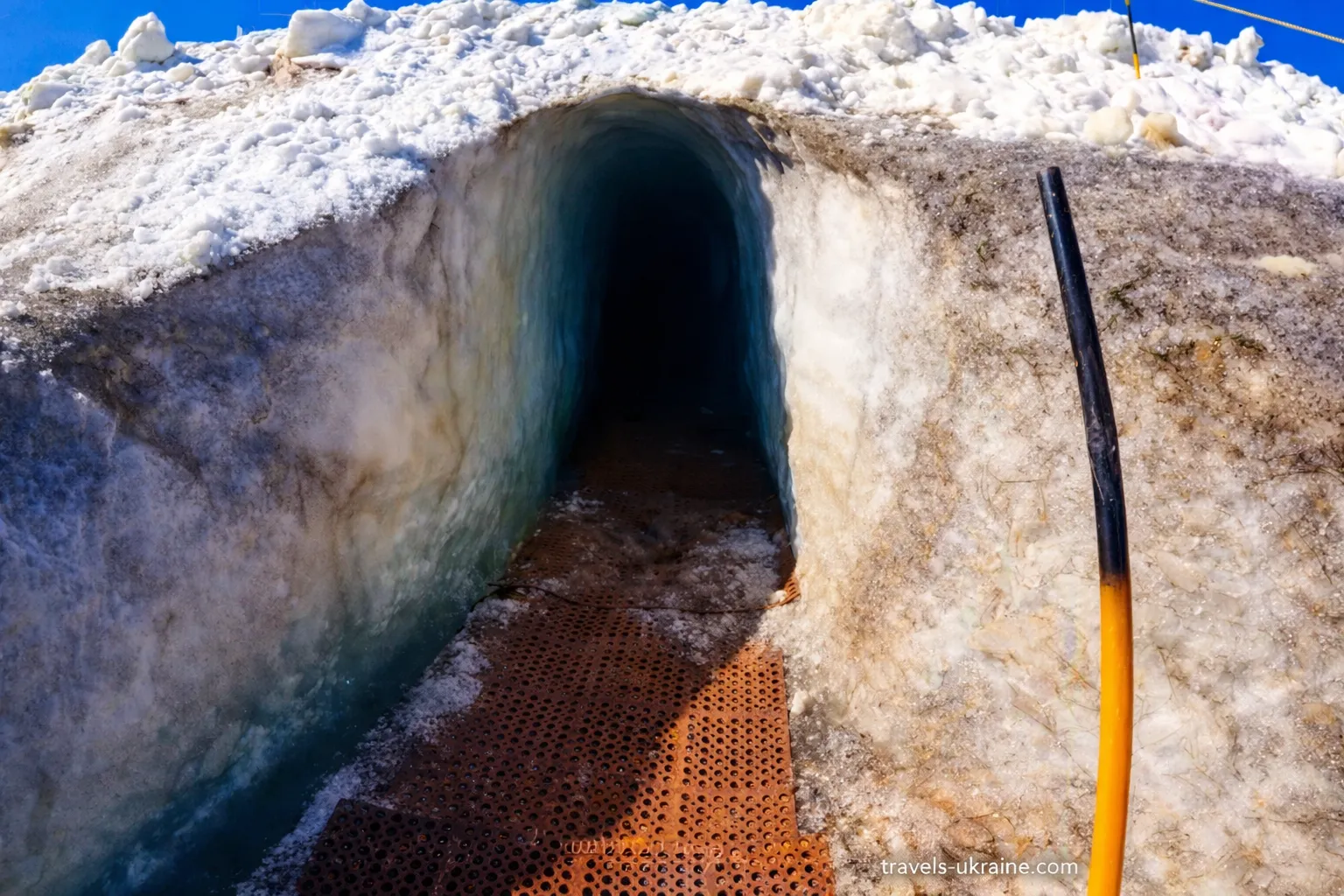
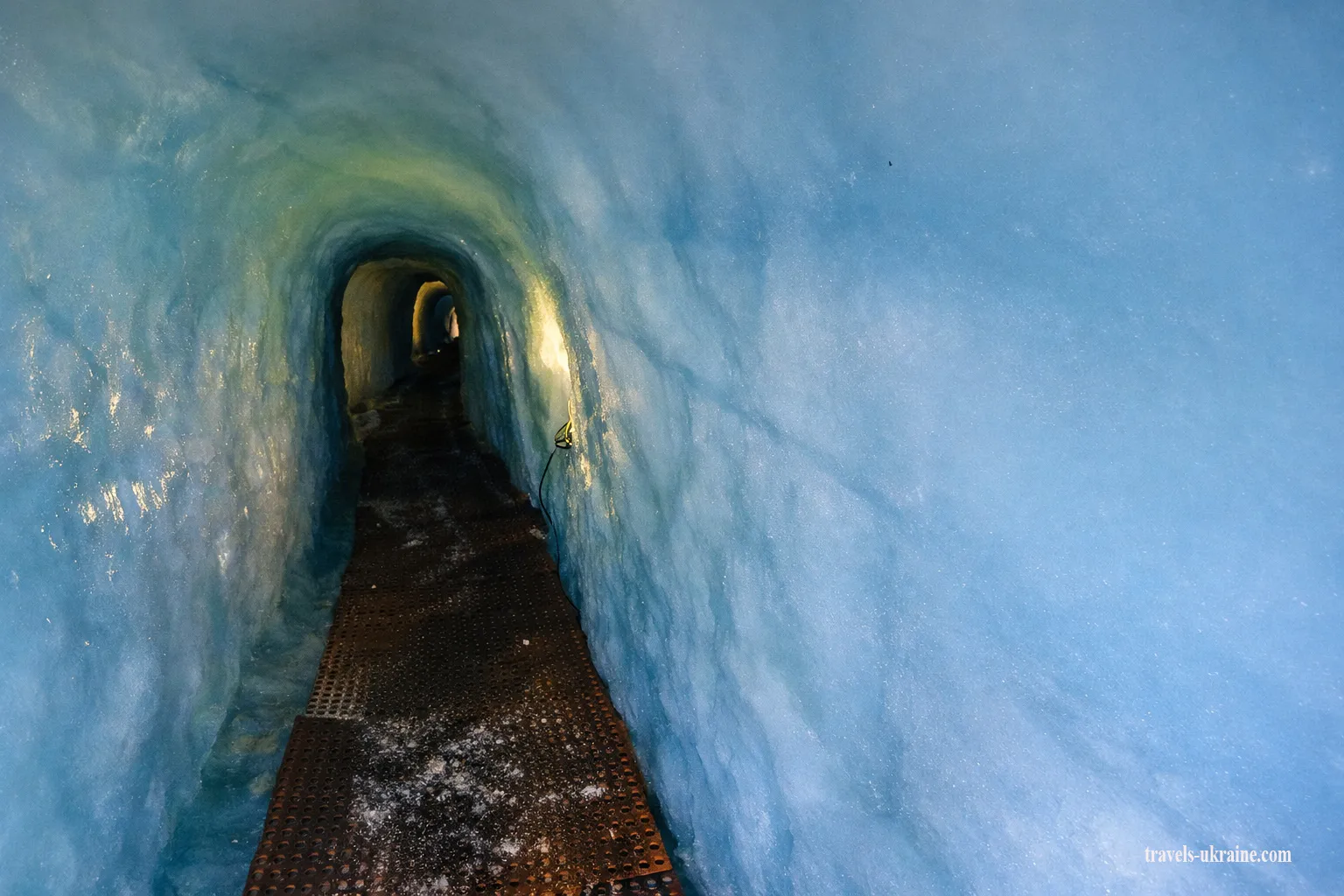
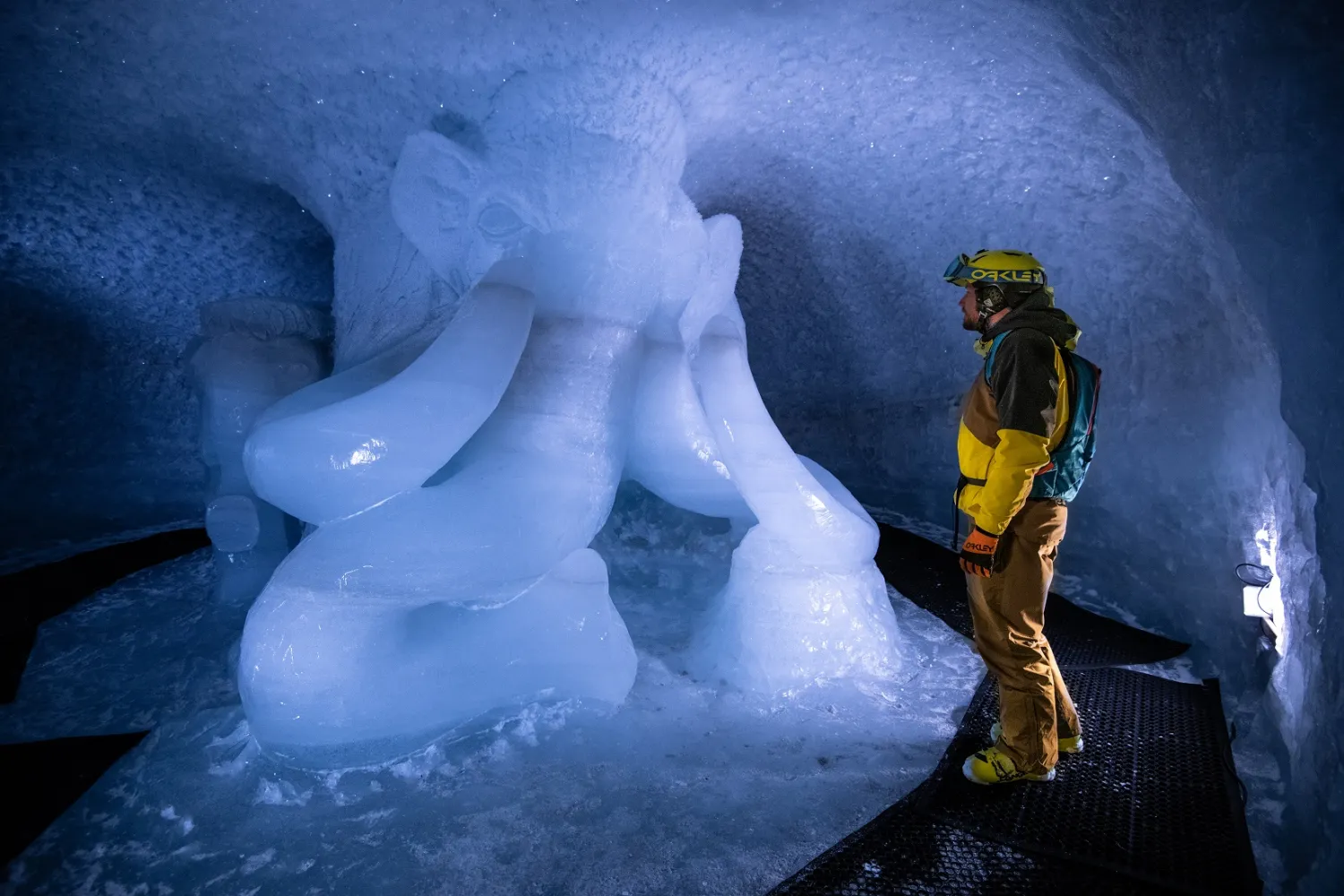
Interesting facts and legends about the Mont de Lans Glacier
For centuries, the Mont de Lans Glacier has sparked not only scientific interest, but also inspired local residents to create legends and stories. For people in mountain villages, it was always more than just ice — it was seen as a living force capable of changing the landscape, the weather and even a person’s fate.
Centuries ago, shepherds and travellers believed the glacier “breathed”, slowly moving downhill and then pulling back again during colder periods. Observations that once sounded like myths are now supported by modern scientific data on seasonal fluctuations in ice masses.
Lesser-known facts about the Mont de Lans Glacier
One intriguing fact is that Mont de Lans was among the first glaciers in the French Alps where scientists began systematically measuring ice thickness and the rate of melt. Data collected over decades is used by climatologists to analyse changes across the entire Alpine region.
Another lesser-known detail is that traces of ancient landscapes are preserved beneath the glacier — areas that were completely covered by ice thousands of years ago. During periods of active melt, fragments of rock and soil are sometimes revealed, offering a glimpse of what the Alps looked like before the glacial era.
Legends and symbolic meaning for the region
In local legends, the Mont de Lans Glacier is often mentioned as the “guardian of the mountains”, holding back the elements and maintaining a balance between people and nature. It was believed that too much disturbance of its calm could trigger avalanches or sudden weather changes.
Today, these legends take on new meaning. They remind us how fragile the glacier is and why responsible treatment of natural resources matters — because modern climate change is far faster and larger in scale than anything remembered in folk tradition.
What to do on the Mont de Lans Glacier
The Mont de Lans Glacier offers visitors a wide range of activities that combine active leisure, educational travel and admiring the unique landscapes of the French Alps. Thanks to the glacier’s accessibility and the well-developed infrastructure of Les Deux Alpes, visitors can choose a style of trip that matches their interests and fitness level.
Even a short stay on the glacier lets you feel the scale of the high-mountain environment, see real ice fields and appreciate the variety of the Alpine landscape, which changes noticeably at almost every elevation.
Viewpoints and panoramic trails
One of the main attractions of Mont de Lans in the Alpine mountains is its viewpoints, offering striking views over the Écrins massif and the surrounding peaks. On a clear day, you can see dozens of kilometres of mountain ridges, glacier fields and deep valleys.
Panoramic trails near the Mont de Lans Glacier are perfect for unhurried walks and photography. They don’t require specialised mountaineering equipment, yet allow you to get as close as possible to the icy landscape.
Summer skiing and snowboarding
Mont de Lans is known as one of the few glaciers in France where summer skiing and snowboarding are possible. Athletes come here to train in the off-season, and travellers get a rare chance to combine a summer trip to the Alps with winter sports.
Visitors have access to prepared runs of different difficulty levels, as well as rental points and learning areas for beginners.
Photography and educational excursions
The Mont-de-Lans Glacier is a true treasure for photographers and bloggers. The contrast between white ice, dark rock and blue sky creates unique compositions that change with the light and the season. In the morning the glacier looks calm and cold; at midday it sparkles with bright reflections; and at sunset it takes on soft rose-gold tones, especially loved by landscape photographers.
Educational guided excursions to the glacier are also popular. During these trips, visitors learn how the glacier formed, how it is melting and what it means for the French Alpine ecosystem. Guides explain how the Mont de Lans Glacier has changed over the decades, point out characteristic ice formations and draw attention to details that are easy to miss without expert support. These excursions blend a popular-science approach with real-time observation, helping you better understand the fragile balance of high-mountain nature.
What to visit near the Mont de Lans Glacier
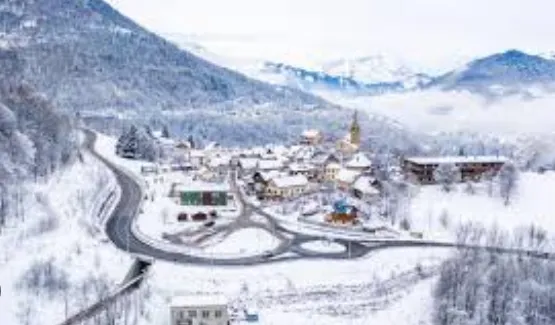
A trip to the Mont de Lans Glacier rarely stops at the ice zone alone. The surrounding region of the French Alps offers many places that are easy to combine into a single route. The proximity of Les Deux Alpes makes this area convenient for exploring both natural and cultural sights.
Thanks to the well-developed transport network, travellers can easily visit mountain villages, viewpoints and natural landmarks within a day trip from the Mont de Lans Glacier. Good roads, cable lifts and well-organised connections between resort areas make it possible to combine several locations in one day without overloading the itinerary — while still leaving time for relaxed sightseeing and rest.
So let’s take a look at what you can visit near the Mont de Lans Glacier if you’re planning to spend more than one day in the region, or if you’d like to pair the icy landscape with other interesting places in the French Alps that will perfectly complement your holiday.
Les Deux Alpes resort and mountain villages
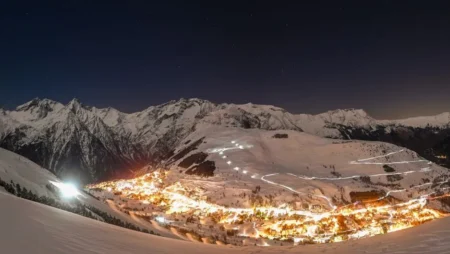
Les Deux Alpes is the heart of the region’s tourist life. It’s home to hotels, restaurants, shops and entertainment, as well as numerous walking trails for exploring the mountains. The resort itself deserves attention as an example of modern Alpine tourism with a rich history.
Nearby, you’ll find authentic mountain villages where traditional architecture and a slower pace of life have been preserved. Visiting these places lets you see another side of the French Alps — less touristy, yet no less appealing.
Natural sites and national parks
Not far from the Mont de Lans Glacier stretch the areas of the Écrins massif, which fall within the national park’s protected zone. It’s an ideal place for hiking, wildlife spotting and discovering Alpine landscapes beyond the resort areas.
Here you can see mountain lakes in the Alps, waterfalls and high-mountain paths that open up panoramic views of glaciers and snow-capped peaks. These routes are great for travellers looking for a deeper connection with nature.
Scenic roads and panoramic routes
For travellers exploring by car, the region around Mont de Lans offers scenic mountain roads with plenty of viewpoint stops. They let you see the French Alps from different angles, pause at the most interesting spots and breathe in the mountain air to the full while taking in the incredible beauty of Alpine landscapes, the silence of the highlands and the sense of space the mountains give. In moments like these, travel stops being just a route and becomes a true experience that stays with you for a long time.
The combination of glacier, resorts and natural parks makes this region one of the most varied travel destinations in the Alpine region.
Tourist infrastructure near the Mont de Lans Glacier
The area around the Mont de Lans Glacier stands out for its well-developed tourist infrastructure built around Les Deux Alpes. This is what makes visiting the glacier comfortable and accessible for travellers with different levels of experience, including families with children and older visitors.
The infrastructure in this region is geared towards year-round tourism and brings together ski services, accommodation, dining and related facilities needed for a safe stay in the high-mountain environment and a quality family holiday.
Transport and access to the Mont de Lans Glacier
The main access to the glacier is provided by the modern Les Deux Alpes cable cars, which allow you to quickly ascend from the resort to the high-mountain areas. The lifts operate seasonally, depending on weather conditions, and undergo regular technical inspections.
Getting to the resort itself is convenient by car or public transport from major cities in France. The availability of parking and clear wayfinding greatly simplifies logistics for visitors.
Hotels, apartments and places to eat
Les Deux Alpes in the Alpine mountains offers a wide range of accommodation — from hotels in different categories to VIP apartments and, of course, chalets. Travellers can choose lodging based on their budget, length of stay and the type of trip they have planned.
Local dining ranges from traditional Alpine restaurants to modern cafés. Menus often feature local produce and dishes, making it easy to combine an active winter break in the Alpine mountains with memorable food experiences.
Services for active leisure
Near the Mont de Lans Glacier you’ll find rental points for ski and protective gear, beginner schools and technical service facilities. This means travellers don’t have to bring their own equipment and can quickly get ready for activities on the glacier.
In addition, there are information centres where you can get up-to-date details on the weather, piste conditions and recommendations for staying safe in the high mountains.
Frequently asked questions about the Mont de Lans Glacier
Where is the Mont de Lans Glacier located?
The Mont de Lans Glacier is located in the French Alps, in the Écrins massif, directly above the Les Deux Alpes ski resort. It sits at an altitude of over 3,200 metres above sea level.
Can you visit the Mont de Lans Glacier without mountaineering experience?
Yes. Thanks to the Les Deux Alpes cable cars, the glacier is accessible to ordinary visitors. You can visit without specialised mountaineering training, as long as you follow safety rules.
When is the best time to go to the Mont de Lans Glacier?
The most popular time is summer, when viewpoints are accessible and summer skiing is available. You can also visit in winter, depending on weather conditions.
What is the weather usually like on the glacier?
Weather on the Mont de Lans Glacier can change very quickly. Even in summer, temperatures can be close to zero, with strong winds and fog possible.
Are there walking routes near the glacier?
Yes. In the area of the Mont de Lans Glacier and the Écrins massif, there are panoramic walking routes of varying difficulty, accessible to visitors.
Is the Mont de Lans Glacier good for photography?
Yes, the glacier is one of the most photogenic spots in the French Alps thanks to the contrast of ice, rock and high-mountain scenery.
Can you visit the glacier with children?
Yes, but it’s recommended to choose shorter routes, bring warm clothing, and keep a close eye on children’s wellbeing because of the altitude and cold.
What are the main risks when visiting the glacier?
The main risks are sudden weather changes, cold, strong winds, slippery surfaces and glacial crevasses outside permitted routes.
Do you need a ticket to visit the glacier?
Access to the glacier itself is free, but you need to buy a ticket for the Les Deux Alpes cable cars to reach it.
Environmental note: the Mont de Lans Glacier melting and responsible tourism in the Alps
The Mont de Lans Glacier in the French Alps is not only a striking natural landmark, but also a highly sensitive indicator of climate change. What a visitor sees as “icy beauty” is, for scientists, a living gauge of temperature swings, snowfall and the length of warm seasons. That’s why the topic of Alpine glacier melt feels especially urgent here: the changes are happening fast and are noticeable even to the naked eye.
The glacier’s environmental value goes beyond the ice mass itself. Glaciers influence the water balance of mountain areas, support the microclimate and shape the landscape. When the ice retreats, paths change, unstable slopes are exposed, and natural zones “reconfigure” — sometimes with risks both to ecosystems and to people travelling in the high mountains.
How visitors can help preserve the Mont de Lans Glacier
Responsible tourism in the Les Deux Alpes area starts with simple, consistent actions. Most importantly, stay on official routes, don’t approach crevasses and don’t “look for shortcuts” across the ice. These attempts are not only dangerous — they can also speed up surface breakdown, especially in the warm season when the ice becomes more fragile.
The second rule is to leave as little trace as possible. On the glacier and in high-mountain zones, even small pieces of litter or food scraps can take a very long time to decompose, and packaging is easily blown by the wind into crevasses and meltwater streams. That’s why the principle “take out what you bring in” isn’t a slogan here — it’s a necessity.
Small eco-habits that matter in the Alps
If you’re planning a holiday in the French Alps and a visit to the Mont de Lans Glacier, it’s worth choosing options that reduce unnecessary pressure on the region: use public transport where it’s realistic, book accommodation with responsible practices, and save water and energy in hotels and apartments. In popular destinations, small choices add up to a real impact — especially in peak season.
And one more thing: share what you’ve seen. For many people, glaciers feel distant and abstract until they see them in a photo or hear a story from a traveller. In that sense, a visitor becomes an “ambassador” for the place — sharing experiences, explaining the context and helping others understand why the icy world of the French Alps is worth protecting.
Mont de Lans Glacier — wrapping up a journey into the icy world of the French Alps
The Mont de Lans Glacier is one of those French Alpine places that leaves a deep impression, even after a short visit. Its icy relief, panoramic views and the sense of high-mountain space let you see the Alps as they were shaped over millennia — majestic, rugged and at the same time fragile.
This place brings several dimensions together at once: active tourism, getting to know nature, sporting opportunities and an awareness of the environmental changes happening in the high mountains today. Visiting the Mont de Lans Glacier is not just a walk or a day on the pistes — it’s a personal experience that can change how you perceive the mountain world.
With easy access via Les Deux Alpes, well-developed infrastructure and a variety of ways to spend your time, this destination suits both experienced travellers and those just discovering the Alps. At the same time, Mont de Lans is a reminder of every visitor’s responsibility to nature, because preserving this icy world depends on our choices and behaviour.
If you’re looking for a trip that blends emotion, knowledge and real contact with nature, the Mont de Lans Glacier in the French Alps is well worth seeing with your own eyes — unhurriedly, with respect for the mountains and an understanding of their unique value.

No Comment
You can post first response comment.